Watch live with us as a total solar eclipse moves across North America on April 8, 2024, traveling through Mexico, across the United States from Texas to Maine, and out across Canada’s Atlantic coast.
A total solar eclipse occurs when the Moon passes between the Sun and the Earth, completely blocking the face of the Sun. The sky will darken as if it were dawn or dusk.
From 1 to 4 p.m. EDT (1700 to 2000 UTC) on April 8, we’ll share conversations with experts and provide telescope views of the eclipse from several sites along the eclipse path. Throughout the broadcast, send us your questions in the chat using #askNASA for a chance to have them answered live.
WARNING: Except during the brief total phase of a total solar eclipse, when the Moon completely blocks the Sun’s bright face, it is not safe to look directly at the Sun without specialized eye protection for solar viewing. Indirect viewing methods, such as pinhole projectors, can also be used to experience an eclipse. For more on how to safely view this eclipse: go.nasa.gov/Eclipse2024Safety
Review our eclipse safety guidelines: go.nasa.gov/Eclipse2024Safety Learn more about the total solar eclipse: go.nasa.gov/Eclipse2024 Track the eclipse path: go.nasa.gov/eclipseexplorer
pentru algoritm:”Explorăm lumea captivantă a centralelor nucleare, unde fisiunea și fuziunea dezvăluie două fețe ale aceleiași monede energetice. La Cernavodă, atomii de uraniu se sparg într-un proces fascinant de fisiune, transformând apa în abur care antrenează turbinele pentru a produce electricitate. Acest proces, esența fisiunii, este inima centralelor nucleare tradiționale, eliberând energie pe care o folosim în fiecare zi. Pe de altă parte, fuziunea nucleară, un vis tehnologic încă în dezvoltare, promite o energie curată și practic nelimitată, inspirată de forța care alimentează Soarele. Aici, atomii se unesc într-un dans energetic, similar atracției dintre magneți, eliberând cantități enorme de energie. Acest videoclip te va ghida prin principiile de bază ale fisiunii și fuziunii, arătându-ți cum funcționează aceste procese, impactul lor asupra producției de energie și potențialul lor revoluționar pentru viitor. Descoperă cum centralele nucleare, de la cele existente la proiectele futuristice de fuziune, joacă un rol crucial în tranziția către o lume mai sustenabilă, în care energia curată este cheia spre un viitor mai luminos.”
After almost 20 days on the International Space Station, ESA project astronaut Marcus Wandt is coming home.
The trip back to Earth will take the Axiom Mission 3 crew around 47 hours. Marcus will serve as a mission specialist during the journey, sharing the ride with Walter Villadei from Italy, Alper Gezeravcı from Türkiye and Michael López-Alegría, a dual US-Spanish citizen.
We are Europe’s gateway to space. Our mission is to shape the development of Europe’s space capability and ensure that investment in space continues to deliver benefits to the citizens of Europe and the world. Check out https://www.esa.int/ to get up to speed on everything space related.
#stiinta #fizica #science #tehnologie #technology #cristianpresura algoritm:”Fuziunea nucleară cu laseri reprezintă vârful tehnologiei avansate în domeniul energiei curate, utilizând laseri de înaltă putere pentru a iniția reacții de fuziune controlată. Această metodă inovatoare promite o sursă de energie sustenabilă, exploatarea fizicii plasmei pentru a crea condiții similare celor din soare pe Pământ. În centrul acestor cercetări se află experimente de laborator desfășurate în facilități de top, cum ar fi National Ignition Facility și ITER, care explorează confinarea inertială și plasma de înaltă temperatură pentru a obține fuziunea nucleară.
Prin comprimarea unui combustibil de fuziune, de obicei un amestec de deuteriu și tritiu, cu impulsuri intense de laser, cercetătorii urmăresc să declanșeze o reacție auto-sustenabilă care eliberează o cantitate enormă de energie. Această energie regenerabilă, neemisivă, prezintă o alternativă promițătoare la sursele convenționale, având potențialul de a rezolva criza energetică globală fără impact negativ asupra mediului.
Tehnologia fuziunii cu laseri abordează provocările eficienței energetice și dezvoltării durabile, oferind o perspectivă optimistă pentru viitorul energiei. Cercetarea continuă să se concentreze pe depășirea barierelor tehnice și științifice, cum ar fi atingerea unei eficiențe energetice mai mari și gestionarea provocărilor legate de siguranța nucleară.
Fuziunea nucleară cu laseri, cu potențialul său de a oferi energie curată și abundentă, se profilează ca o soluție cheie în tranziția spre un viitor energetic durabil. În timp ce drumul către comercializare rămâne complex, progresele științifice și tehnologice continuă să deschidă calea spre o eră a energiei neemisive, marcând un punct de cotitură în eforturile globale de a combate schimbările climatice și de a promova dezvoltarea durabilă.”
Text ChatGPT pentru algoritm: “Descoperiți misterele cosmosului alături de Voyager 1, sonda spațială lansată de NASA în 1977, care continuă să ne uimească după decenii de explorare interstelară. În acest videoclip, vom călători prin istoria remarcabilă a Voyager 1, de la trecerea sa istorică pe lângă Jupiter și Saturn, până la atingerea frontierei nevăzute a spațiului interstelar. Vom explora descoperirile științifice revoluționare realizate de Voyager 1, inclusiv fotografii uimitoare ale planetelor și datelor care au schimbat înțelegerea noastră despre sistemul solar. De asemenea, vom arunca o privire asupra Plăcii de Aur a Voyager, un mesaj cosmic pentru potențialele civilizații extraterestre. Alăturați-vă nouă pentru a descoperi cum Voyager 1 depășește limitele cunoștințelor umane, trimițând date valoroase despre spațiul cosmic, în timp ce navighează în necunoscut, la peste 14 miliarde de mile de Pământ. Acest videoclip este o odă adusă curajului uman de a explora spațiul infinit și o mărturie a ingeniozității care ne permite să ajungem la stele, chiar și de la distanțe incredibile.”
Steve Spangler is a bestselling author, STEM educator and Emmy award-winning television personality with more than 2,100 television appearances to his credit. Steve appeared as a regular guest on the Ellen DeGeneres Show from 2007-2022. Learn more about Steve at https://stevespangler.com/about-steve-spangler/
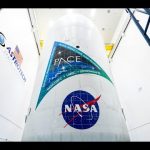
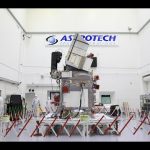
Targeted to launch on Tuesday, Feb. 6, NASA’s Plankton, Aerosol, Cloud, ocean Ecosystem (PACE) satellite mission will study how our oceans and atmosphere interact in a changing climate. Prelaunch activities include a news conference on Monday, Feb. 5 at 9 a.m. EST (1400 UTC) with the following participants:
NASA Associate Administrator Jim Free Karen St. Germain, director, Earth Science Division, NASA Tim Dunn, senior launch director, Launch Services Program, NASA Julianna Scheiman, director, Civil Satellite Missions, SpaceX Brian Cizek, launch weather officer, 45th Weather Squadron, U.S. Space Force
Targeted to launch on Tuesday, Feb. 6, NASA’s Plankton, Aerosol, Cloud, ocean Ecosystem (PACE) satellite mission will study how our oceans and atmosphere interact in a changing climate. Prelaunch activities include a briefing on the mission science on Sunday, Feb. 4 at 11 a.m. EST (1600 UTC) with the following NASA participants:
Kate Calvin, chief scientist and senior climate advisor Karen St. Germain, director, Earth Science Division Jeremy Werdell, PACE project scientist Andy Sayer, PACE atmospheric scientist Natasha Sadoff, Satellite Needs Program Manager
A commercial resupply mission to the space station, preparing to make a delivery to the Moon, and monitoring our changing Earth from space … a few of the stories to tell you about – This Week at NASA!
Link to download this video: https://images.nasa.gov/details/A%20Commercial%20Resupply%20Mission%20to%20the%20Space%20Station%20on%20This%20Week%20@NASA%20%E2%80%93%20February%202,%202024
Video Producer: Andre Valentine Video Editor: Andre Valentine Narrator: Emanuel Cooper Music: Universal Production Music Credit: NASA
“Primul implant cerebral uman realizat de compania Neuralink, fondată de Elon Musk, marchează un moment revoluționar în neurotehnologie și interfața creier-computer. Acest proiect ambițios urmărește să creeze o punte directă între creierul uman și computere, oferind potențialul de a restaura funcții neurologice pierdute și de a debloca noi modalități de interacțiune cu tehnologia. Prin integrarea fină a microcipurilor în țesutul cerebral, Neuralink aspiră să faciliteze comunicarea bidirecțională între creier și dispozitive externe, deschizând calea către tratamente inovatoare pentru afecțiuni neurologice și îmbunătățirea capacităților cognitive umane. Această inițiativă stârnește atât entuziasm, cât și dezbateri etice, reprezentând o fuziune între neuroștiință și tehnologie avansată cu implicații profunde pentru viitorul medicinei și al societății.”
In April 2021, NASA’s Ingenuity Mars Helicopter became the first spacecraft to achieve powered, controlled flight on another world. With 72 successful flights, Ingenuity has far surpassed its originally planned technology demonstration of up to five flights. On Jan. 18, Ingenuity flew for the final time on the Red Planet.
Join Tiffany Morgan, NASA’s Mars Exploration Program Deputy Director, and Teddy Tzanetos, Ingenuity Project Manager, as they discuss these historic flights and what they could mean for future extraterrestrial aerial exploration. Have questions? Submit them in our live chat for the chance to have them answered during the show.
Steve Spangler is a bestselling author, STEM educator and Emmy award-winning television personality with more than 2,100 television appearances to his credit. Steve appeared as a regular guest on the Ellen DeGeneres Show from 2007-2022. Learn more about Steve at https://stevespangler.com/about-steve-spangler/
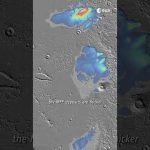
Our Mars Express has revisited one of Mars’s most intriguing features the Medusae Fossae, revealing what seems to be layers of water ice below the dusty surface.
If melted, this potential water would be enough to fill Earth’s Red Sea, or cover Mars in a layer of water up to 2.7 m deep!
📸 Planetary Science Institute/Smithsonian Institution 📸 European Space Agency / DLR / FU Berlin 📸 CReSIS/KU/Smithsonian Institution
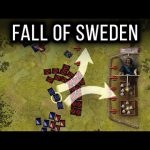
🚩 After a string of victories, Charles XII of Sweden decided to take the war to Russia. If successful in reducing Peter the Great’s army, the Swedes would likely take Russian cities of Pskov, Novgorod, and possibly Arkhangelsk. Charles XII would also likely gain control over Courland and Polish Livonia, as well as becoming protector of Poland. In return Poland would receive territories lost to the Russian in the latter half of the 17th century.
📚 Sources: Konstam, Angus Poltava 1709: Russia Comes of Age 17 Oct,1994 Osprey Publishing Englund, Peter The Battle that Shook Europe: Poltava and the Birth of the Russian Empire 15 Apr, 2013 I.B Tauris
Northrop Grumman’s 20th cargo resupply mission launches to the International Space Station, powered by a SpaceX Falcon 9 rocket. Liftoff on Tuesday, Jan. 30 is set for 12:07 p.m. EST (1707 UTC). The Cygnus capsule carries over 8,200 pounds (3,700 kg) of cargo, including space station hardware, crew supplies, and research that can only be done in microgravity. Science and technology experiments aboard include a robotic surgery tech demonstration, and tests of a 3D metal printer, semiconductor manufacturing, and thermal protection systems for re-entry.
Text ChatGPT pentru algoritm: “Paradoxul gemenilor, un experiment gândit în cadrul teoriei relativității restrânse a lui Einstein, explorează modul în care călătoriile la viteze apropiate de cea a luminii pot afecta percepția timpului. Acest paradox presupune doi gemeni: unul rămâne pe Pământ, iar celălalt călătorește în spațiu cu o viteză apropiată de viteza luminii. La întoarcerea călătorului spațial, se constată că acesta este semnificativ mai tânăr decât fratele său rămas pe Pământ.
Această diferență în îmbătrânire este rezultatul dilatării timpului, un fenomen prezis de teoria relativității restrânse. Principiile fundamentale ale acestei teorii sunt invarianța vitezei luminii și relativitatea simultaneității. Viteza luminii este constantă în orice cadru de referință, iar evenimentele simultane într-un cadru pot să nu fie simultane în altul.
Când călătorul spațial se deplasează cu viteze apropiate de cea a luminii, timpul în cadrul său de referință trece mai încet comparativ cu cel de pe Pământ. Acest efect este confirmat experimental prin observația ceasurilor atomice pe sateliți sau avioane de mare viteză. Interesant este că, din perspectiva călătorului, timpul de pe Pământ pare să treacă mai repede, un efect al schimbării cadrelor de referință.
Paradoxul gemenilor nu este doar un exercițiu teoretic; el demonstrează că timpul este influențat de viteză și gravitație, și nu este un absolut universal. Acest paradox evidențiază modul în care relativitatea restrânsă remodelază înțelegerea noastră asupra timpului și spațiului, deschizând calea către noi descoperiri în fizica modernă.”
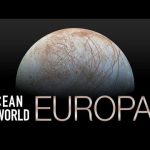
Deep beneath the crust of Jupiter’s frozen moon Europa lies a massive liquid water ocean. Exploring this ocean world with our Europa Clipper spacecraft could provide new clues in our search for life beyond Earth.
Scheduled to launch in October 2024, Europa Clipper’s main science goal is to determine whether there are places below the icy moon’s surface that could be habitable.
There’s a lot to think of when building a structure, not to mention the added pressure of making a structure safe to live in! Join Phil as he breaks down some of the coolest engineering science in the world!
Have you ever done a science experiment and wondered “What would this be like if it were HUGE?” Welcome to Science Max, the exciting series that turbocharges all the science experiments you’ve done at home.
0:00 – Geodesic Dome – How do you max out a dome made of gumdrops and toothpicks? Well, how about trying to build one with oranges? Still not good enough? How about pumpkins!? Phil also gets the record in maxed-out cup stacking, builds a cube of pencils, and a self-supporting bridge.
20:06 – Sugar Cube Bridge – Building an arched bridge! Starting with sugar and ending with something strong enough to walk across – it’s all in how you build it. Plus: a giant house of cards, glass so strong you can hit it with a hammer, and exactly how many eggs will support Phil’s weight!
40:04 – Earthquake-Proof – Phil tries to build a tower strong enough to not fall apart when shaken in a massive earthquake. Plus: balancing on wood, getting sucked into sand, cookie towers, and a table made of people!
Steve Spangler is a bestselling author, STEM educator and Emmy award-winning television personality with more than 2,100 television appearances to his credit. Steve appeared as a regular guest on the Ellen DeGeneres Show from 2007-2022. Learn more about Steve at https://stevespangler.com/about-steve-spangler/
#stiinta #fizica #science #tehnologie #technology #cristianpresura Ce este fizica cuantică? Este fizica ce descrie lumea ciudată a atomilor și a particulelor elementare. Uite, tu ești acum în fața ecranului de telefon și nu în altă parte. Un electron însă, este în același timp în toate locurile din atom! Numim asta superpoziție cuantică. Este ca și cum tu ai fi acum atât la București, cât și la New York sau pe Coasta de Azur, toate în același timp! Electronul chiar face asta în vacanțele sale din interiorul atomului, iar fizica cuantică descrie ce proprietăți ciudate au astfel atomii. Unii din care și tu ești făcut! Te întrebi?
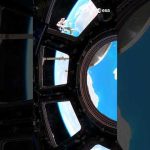
Join ESA project astronaut Marcus Wandt inside the seven-windowed cupola, the International Space Station’s “window to the world”.
The ESA – European Space Agency-built Cupola is the favourite place of many astronauts on the International Space Station. It serves not only as a unique photo spot, but also for observing robotic activities of the Canadian Space Agency’s robotic arm Canadarm2, arriving spacecraft and spacewalks.
Marcus was launched to the International Space Station on the Dragon spacecraft as part of Axiom Mission 3 on 18 January 2024. His two-week mission on board is known as Muninn.
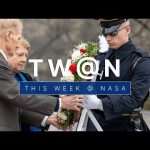
Remembering our fallen heroes, an agency town hall to talk safety, and the end of an historic mission on Mars … a few of the stories to tell you about – This Week at NASA!
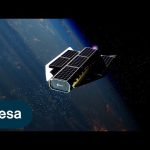
Satellite communication underpins everyday life, enabling fundamental improvements not just in communication, but also in transport, healthcare, safety and security, environmental services and many other industries.
The Advanced Research in Telecommunications Systems (ARTES) 4.0 programme enables European and Canadian industry to explore, through research and development, innovative concepts that stimulates the wider economy, creating new business and jobs across almost every industry. ARTES 4.0 supports the production of market-leading and cutting-edge products and services within a fiercely competitive global satellite communications market.
We are Europe’s gateway to space. Our mission is to shape the development of Europe’s space capability and ensure that investment in space continues to deliver benefits to the citizens of Europe and the world. Check out https://www.esa.int/ to get up to speed on everything space related.
NASA Administrator Bill Nelson has announced that the Ingenuity Mars Helicopter has come to an end. The Ingenuity Mars Helicopter made history by achieving the first powered, controlled flight on another planet on April 19, 2021. Despite initial plans for up to five flights, the helicopter has exceeded expectations and executed an impressive 72 flights on the Red Planet. NASA pays tribute to its accomplishments, which have far exceeded what was thought possible and have paved the way for future flights in our solar system.
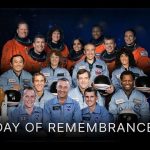
NASA remembers the crews of Apollo 1, Challenger STS-51L, and Columbia STS-107 during the agency’s Day of Remembrance on Jan. 25, 2024.
Our annual Day of Remembrance honors all members of the NASA family who lost their lives while furthering the cause of exploration and discovery. We pause to honor them and reflect on maintaining a strong safety culture.
Steve Spangler is a bestselling author, STEM educator and Emmy award-winning television personality with more than 2,100 television appearances to his credit. Steve appeared as a regular guest on the Ellen DeGeneres Show from 2007-2022. Learn more about Steve at https://stevespangler.com/about-steve-spangler/
Safety is a key NASA core value. NASA’s constant attention to safety is the cornerstone upon which we build mission success.
Every year, NASA holds a Day of Remembrance to commemorate those we have lost, reflect on why we explore, and commit to our safety practices.
In 2024, NASA Day of Remembrance falls on Thursday, Jan. 25. #NASARemembers the crews of Apollo 1, space shuttles Challenger and Columbia, and all members of the NASA family who lost their lives while furthering the cause of exploration and discovery.
ESA uses terrestrial rocks to recreate the Moon’s surface!
Two state-of-the-art ESA facilities are working closely to develop a simulated lunar environment that will serve as a proving ground for future exploration technologies.
Introdu codul “Presura” pentru a obține o ofertă excusivă de până la 6 luni gratuite, de la Surfshark:👇 https://surfshark.deals/presura
00:13 – Un asteroid uriaș tocmai a trecut pe lângă planeta noastră! 01:10 – S-a descoperit o nouă formă de diamant!!! 02:18 – Apa sau focul? 03:09 – Trovanții o minune a naturii!! 04:11 – Calculatoarele cuantice. 05:09 – Despre formarea unei planete noi!! 05:51 – Dâră de stele!! 06:44 – Loviți de o gaură neagră. 07:30 – Telescopul James Webb ne vorbește!! 09:07 – 2046!!! Se cicnește pământul cu un asteroid?? 09:41 – Sincronizarea ceasurilor!! 10:35 – Viața pe Pământ! 11:34 – Momentul sponzorului. 12:34 – Lumină de la Soare cu porția! 14:09 – Telescopul James Webb descoperă apă în centura de asteroizi. 16:13 – Poluarea luminoasă. 17:14 – Cum s-au format inelele lui Saturn? 18:24 – Ți-am luat un inel! 19:26 – Calculatorul cuantic de 1000 de qubiți!
#stiinta #fizica #science #tehnologie #technology #cristianpresura Text ChatGPT pentru algoritm: “Într-o eră a descoperirilor accelerate, suntem martorii unor evenimente și inovații care redefinește înțelegerea noastră a universului. Acest episod începe cu un moment tensionat: un asteroid uriaș trece aproape de Pământ, amintindu-ne de locul nostru fragil în cosmos și de forțele imense din spațiul cosmic.
O nouă formă de diamant ne surprinde, deschizând calea spre noi descoperiri în mineralogie. Ne întrebăm apoi, ce domină natura: apa sau focul? Această dilemă străveche ne poartă prin elementele fundamentale ale vieții. De asemenea, explorăm trovanții, aceste roci misterioase care par să crească, dezvăluind minunile geologiei terestre.
Progresele în tehnologia calculatoarelor cuantice deschid perspective noi în procesarea informațiilor și rezolvarea problemelor complexe, promițând revoluții în știință și tehnologie. Din spațiul cosmic, discutăm despre formarea planetelor, un spectacol al naturii ce ilustrează nașterea sistemelor solare.
Telescopul James Webb ne extinde viziunea asupra universului, oferind noi informații despre spațiu, cum ar fi detectarea apei în centura de asteroizi, un indiciu vital în căutarea vieții extraterestre. În timp ce ne confruntăm cu provocările poluării luminoase, explorăm și minunile sistemului nostru solar, precum misterioasele inele ale lui Saturn.
Încheiem cu o privire asupra evoluției tehnologice în calculul cuantic, reflectând la potențialul unui calculator cuantic de 1000 de qubiți. Această tehnologie ne apropie de răspunsuri la întrebări fundamentale despre univers și existența noastră.
Prin acest episod, realizăm o odisee științifică ce ne poartă de la fenomene terestre la cele mai îndepărtate colțuri ale cosmosului, reiterând frumusețea și complexitatea explorării științifice și a cunoașterii nelimitate.”
We all know sound is extremely important to our lives but what is it made up of?! Join Phil as he resonates at different frequencies to learn just exactly how sound, vibration, and air pressure work together in our world.
Have you ever done a science experiment and wondered “What would this be like if it were HUGE?” Welcome to Science Max, the exciting series that turbocharges all the science experiments you’ve done at home.
0:00 – Loudest Sound – Phil tries to bend the power of sound to his will by making the loudest sound he can. Plus: make cornstarch mud dance, shatter a wine glass, and make patterns with sand – all with the power of sound!
20:06 – Vibrobot – Vibration is the idea behind a shaky vibrobot – one maxed out enough so Phil can ride it! Plus: spinning an 8-foot coin, suspending water in mid-air, and lasers!
40:13 – Air Pressure – Learn how to use air pressure to make your own, home-made rocket out of a plastic water bottle. Phil maxes this out by using stronger bottles and even over-pressurizing them and finally by building a giant rocket out of plastic bottles. Plus, we blow up a bottle with liquid nitrogen and crush a steel drum using nothing but the air pressure around us every day.
Steve Spangler is a bestselling author, STEM educator and Emmy award-winning television personality with more than 2,100 television appearances to his credit. Steve appeared as a regular guest on the Ellen DeGeneres Show from 2007-2022. Learn more about Steve at https://stevespangler.com/about-steve-spangler/
🚩 Click https://betterhelp.com/historymarche for 10% off your first month of therapy with our sponsor BetterHelp. 🚩 Join over 4 million people who’ve met with a therapist on BetterHelp and started living a healthier, happier life.
📚 Sources: Richard Brezezinski & Richard Hook – The Army of Gustavus Adolphus 1 “Infantry” Richard Brezezinski & Richard Hook – The Army of Gustavus Adolphus 2 “Cavalry” Robert I. Frost – The Northern Wars: War, State and Society in Northeastern Europe Lars Eric Hoglund – The Scanian War 1675-1679: Colors and Uniforms Goran Larsson – The Battle of Lund 1676: Maps and Guide to the Battlefield