Steve Spangler is a bestselling author, STEM educator and Emmy award-winning television personality with more than 2,100 television appearances to his credit. Steve appeared as a regular guest on the Ellen DeGeneres Show from 2007-2022 (27 appearances).
Will the Sun ever burn out? Not quite, but it will change dramatically. Like all stars, it’s going through a life cycle powered by nuclear fusion. Right now, it’s halfway through its 10-billion-year lifetime.
Eventually, the Sun will expand into a red giant, engulfing the inner planets, then collapse into a white dwarf — a small, hot, dim remnant of its former self.
A NASA scientist explains what’s ahead for our star.
Let’s learn something EPIC today! Join Phil as he shares some of the best kept science secrets. Nothing better than having fun while learning about how things work!
Have you ever done a science experiment and wondered “What would this be like if it were HUGE?” Welcome to Science Max, the exciting series that turbocharges all the science experiments you’ve done at home.
Steve Spangler is a bestselling author, STEM educator and Emmy award-winning television personality with more than 2,100 television appearances to his credit. Steve appeared as a regular guest on the Ellen DeGeneres Show from 2007-2022 (27 appearances).
Steve Spangler is a bestselling author, STEM educator and Emmy award-winning television personality with more than 2,100 television appearances to his credit. Steve appeared as a regular guest on the Ellen DeGeneres Show from 2007-2022 (27 appearances).
Steve Spangler is a bestselling author, STEM educator and Emmy award-winning television personality with more than 2,100 television appearances to his credit. Steve appeared as a regular guest on the Ellen DeGeneres Show from 2007-2022 (27 appearances).
Let’s learn something EPIC today! Join Phil as he shares some of the best kept science secrets. Nothing better than having fun while learning about how things work!
Have you ever done a science experiment and wondered “What would this be like if it were HUGE?” Welcome to Science Max, the exciting series that turbocharges all the science experiments you’ve done at home.
Let’s learn something EPIC today! Join Phil as he shares some of the best kept science secrets. Nothing better than having fun while learning about how things work!
Have you ever done a science experiment and wondered “What would this be like if it were HUGE?” Welcome to Science Max, the exciting series that turbocharges all the science experiments you’ve done at home.
Subscribe to NASA’s flagship YouTube channel to join astronauts on a spacewalk, watch rocket launches, see innovative technology, chat with scientists, and so much more. This is your ticket to discover, innovate and explore with NASA.
Cine poate transmite mesaje telepatice instantaneu, la distante enorme, poate trimite mesaje in trecut!
Cum se poate? Pai uite cum!
Poate te gandesti ca instantaneu inseamna ca tu sa te culci in pat in acelasi moment cu un extraterestru, aflat la ani lumina departare.
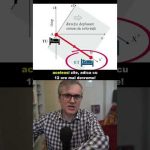
Teoria relativitatii a distrus insa conceptul asta de simultaneitate absoluta.
Exista sisteme de referinta in care tu te culci “simultan” nu cu momentul cand extraterestrul se culca seara, asa cum e in timpul tau, ci cu cel in care extraterestrul se trezeste in dimineata aceleasi zile, adica cu 12 ore mai devreme!
Sa zicem ca acum tu ii transimiti instantaneu un mesaj telepatic, in acest sistem nou de referinta, cand tu esti seara la culcare si, in sistemul tau de referinta, la el este tot seara si merge la culcare. Pentru ca tu folosesti acest nou sistem de referinta, mesajul va fi primit de extraterestru in dimineata aceleiasi zile, pentru ca aici, in acest nou sistem de referinta, aceste momente sunt simultane.
Acum el iti trimite telepatic acelasi mesaj inapoi, tot asa, intr-un sistem de referinta in care, pentru ca la el e dimineata, la tine este seara zilei precedente.
In final, se realizeaza minunea: mesajul a ajuns la el cu 12 ore mai devreme si la tine, cu 24 de ore inapoi in timp, adica in ziua precedenta celei in care tu ai transmis mesajul!
Adica mesajul a circulat inapoi in timp!
Deoarece calatoria inapoi in timp creeaza tot felul de paradoxuri, se crede ca nimic nu poate cirula instantaneu in Univers, nici macar informatia, nici macar telepatia, daca ea o fi existand!
Watch live video from the International Space Station, including inside views when the crew aboard the space station is on duty. Views of Earth are also streamed from an external camera located outside of the space station. During periods of signal loss due to handover between communications satellites, a blue screen is displayed.
The space station orbits Earth about 250 miles (425 kilometers) above the surface. An international partnership of five space agencies from 15 countries operates the station, and it has been continuously occupied since November 2000. It’s a microgravity laboratory where science, research, and human innovation make way for new technologies and research breakthroughs not possible on Earth. More: https://go.nasa.gov/3CkVtC8
Did you know you can spot the station without a telescope? It looks like a fast-moving star, but you have to know when to look up. Sign up for text messages or email alerts to let you know when (and where) to spot the station and wave to the crew: https://spotthestation.nasa.gov
Ai întrebări de știință și vrei răspunsuri personale? Intră acum pe Patreon și eu își voi răspunde direct pe whatsapp ►https://patreon.com/cristianpresura
De fiecare dată când privești cerul, gândește-te, asiști la nașterea unui Univers! A Universului nostru!
Cum, vei spune, dar Universul are deja 13,8 miliarde de ani. Nu e deja bătrân?
Nu. Ca să fie bătrân, ar trebuie să se apropie de sfârșitul vieții sale! iar asta poate fi foarte departe în timp!
De ce? Pentru că spațiul este încă în expansiune după Big Bang. Mai mult, expansiune este accelerată!
Pentru ca Universul să se apropie de sfârșitul său, el trebuie să își oprească această accelerare a expansiunii, apoi să decelereze, până când expaniunea spațiului să se oprească cu totul.
Mai mult, după aceea, spațiul unviersului observabil ar trebui să se adune înapoi la loc într-un punct, așa cum era la Big Bang și universul să își înceteze viața printr-un Big Crunch!
Dar hei, nu știm cât va dura expansiunea accelerată a universului, pentru că nu știm ce este energia întunecată, cea care o provoacă. De fapt, nu avem niciun indiciu că energia întunecată s-ar epuiza în curând.
Chiar dacă se consumă “energia întunecată”, și rata de expansiune nu mai crește, tot nu știm când se va opri expansiunea cu totul și nici când spațiul s-ar contracta la loc, dacă o va face; pentru asta ar trebui să știm precis toată cantitatea de energie în univers și forma ei.
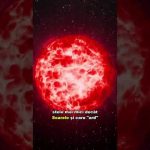
Știm însă că în univers cele mai multe stele sunt pitice roșii, stele mai mici decât Soarele și care “ard” între ghilimele trilioane de ani. Toate piticele roșii sunt în copilăria lor.
După câte știm, Universul ar putea exista ciar și o eternitate, dacă condițiile inițiale permit asta, timp în care până și găurile negre supermasive s-ar evapora peste trilioane de trilioane de ani, după care s-ar putea așeza liniștea eternă.
Modelele uzuale estimează că Universul va mă trăi cel puțin trilioane de ani. Există și modele care iau în calcul că energia întunecată ar putea varia foarte repede. Acestea dau cea mai mică cifră pentru cât ar mai putea trăi Universul: zeci de miliarde de ani.
Cel mai probabil suntem deci în copilărie Universului. Să ne aminte de asta când privim cerul!
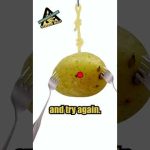
How can you balance a potato on a stick? And, more importantly, can Phil balance on a tightrope using the same science? What’s better for balance, staying put or using something that spins? Phil walks the tightrope then designs a gyroscopic stabilization backpack.
Let’s learn something EPIC today! Join Phil as he shares some of the best kept science secrets. Nothing better than having fun while learning about how things work!
Have you ever done a science experiment and wondered “What would this be like if it were HUGE?” Welcome to Science Max, the exciting series that turbocharges all the science experiments you’ve done at home.
Accesează https://surfshark.com/presura sau folosește codul PRESURA la finalizarea comenzii pentru a primi 4 luni extra de Surfshark VPN! 00:00:00 – Ce culoare are cerul? 00:01:32 – Dualitatea undă – corpuscul 00:03:23 – Despre Univers! 00:06:29 – Cum arată particulele elementare? 00:07:42 – De ce prinde mingea de fotbal efect? 00:08:37 – Mesaje telepatice în trecut!
algoritm:”În fiecare clipă privim cerul şi ne bucurăm de albastru, deşi lumina solară este compusă din toate culorile spectrului. Moleculele aerului împrăştie mai eficient undele cu lungime de undă în jur de 400 nm, pe care creierul le interpretează ca albastru, proces atribuit qualia‑urilor.
Electronul a fost iniţial identificat ca particulă de J. J. Thomson în 1897, iar în 1927 G. P. Thomson a demonstrat comportamentul său ondulatoriu. Dualitatea undă‑corpuscul se manifestă acum şi la atomi: experimente recente cu monostraturi de grafenă au difractat atomi de hidrogen şi heliu, confirmând natura lor de undă la scară atomică.
Universul, cu vârsta estimată de 13,8 miliarde de ani, continuă să se extindă accelerat sub influenţa energiei întunecate. Pentru a atinge un potenţial sfârşit, expansia ar trebui mai întâi să scadă, apoi să revină în colaps. Lipsa de cunoştinţe despre natura şi evoluţia energiei întunecate ne împiedică să prezicem durata vieţii universului, care ar putea varia de la zeci de miliarde la trilioane de ani.
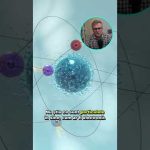
Particulele elementare nu pot fi descrise ca simple bile. În teoria câmpurilor cuantice, electronul corespunde unui pachet discret de energie al câmpului Dirac. Toate particulele sunt fluctuaţii cuantice, iar modelele matematice rămân singurele instrumente prin care le interpretăm.
Efectul Magnus explică traiectoria curbată a mingii de fotbal în aer. Rotaţia mingii generează un gradient de presiune: de o parte, frecarea împinge aerul în raport cu rotaţia, provocând diferenţa de presiune care deviază mingea în direcţia rotaţiei.
Teoria relativităţii aboleste simultaneitatea universală, ceea ce permite scenarii în care semnale instantanee ar putea călători în trecut, creând paradoxuri temporale. Pentru a preveni contradicţii cauzate de călătoria în timp, se presupune că nimic nu se poate propaga instantaneu, nici măcar informaţia.
Descoperirea qualia ne arată că orice interpretare senzorială depinde de structura şi evoluţia creierului uman, nu doar de proprietăţile fizice ale undelor electromagnetice. Aceste perspective redeschid întrebări fundamentale despre natura realităţii.
Prin aceste explicaţii, înţelegem cât de strâns legate sunt fenomenele microscopice de realitatea macroscopică pe care o trăim. Explorează aceste teme în profunzime pentru a descoperi legături neaşteptate între percepţie, materie şi cosmos. Abonează-te pentru mai multe explorări ştiinţifice.”
Steve Spangler is a bestselling author, STEM educator and Emmy award-winning television personality with more than 2,100 television appearances to his credit. Steve appeared as a regular guest on the Ellen DeGeneres Show from 2007-2022 (27 appearances).
Scientists speculate that the black hole is pulling in gas from nearby space and this has formed a disc of orbiting material around it. Something like a star or small black hole also orbiting around it, is flying through the disc over and over, causing shockwaves and powerful energy bursts.
Watching these repeated eruptions in real time gives scientists a rare chance to study how black holes behave and learn more about these strange, powerful events. But for now, we still have more questions than answers.
What exactly is a black hole? Well, they’re not holes at all, rather incredibly dense regions in space with gravity so strong, not even light can escape.
There are stellar-mass black holes, which form when massive stars collapse and explode in a supernova, and supermassive black holes, which are millions to billions of times more massive and sit at the centers of galaxies.
Scientists know these cosmic powerhouses shape galaxies and influence how the universe evolves. But how do supermassive black holes form? That’s still one of astronomy’s biggest mysteries. A NASA scientist explains what we know (and don’t know) about these cosmic gargantuans.
Steve Spangler is a bestselling author, STEM educator and Emmy award-winning television personality with more than 2,100 television appearances to his credit. Steve appeared as a regular guest on the Ellen DeGeneres Show from 2007-2022 (27 appearances).
Steve Spangler is a bestselling author, STEM educator and Emmy award-winning television personality with more than 2,100 television appearances to his credit. Steve appeared as a regular guest on the Ellen DeGeneres Show from 2007-2022 (27 appearances).
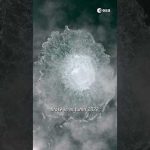
A new study shows that the Nord Stream methane leak that happened in 2022 was bigger than we thought. How much bigger? Watch our video until the end to find out.
📹 European Space Agency (ESA) 📸 Pexels, contains modified Copernicus Sentinel data (2022), processed by ESA, GHGSat, Pléiades Neo, Planet Labs PBC
Start by learning how to fold the paper airplane that won the long distance record. Then Phil tries to make a giant paper airplane to see if it will still fly. Turns out, its way harder than you’d think. Plus, terminal velocity and indoor tornadoes!
Steve Spangler is a bestselling author, STEM educator and Emmy award-winning television personality with more than 2,100 television appearances to his credit. Steve appeared as a regular guest on the Ellen DeGeneres Show from 2007-2022 (27 appearances).
Steve Spangler is a bestselling author, STEM educator and Emmy award-winning television personality with more than 2,100 television appearances to his credit. Steve appeared as a regular guest on the Ellen DeGeneres Show from 2007-2022 (27 appearances).
Puchase “The Ultimate guide to rebuilding a civilization” today: https://bit.ly/3XlvzYM Use promo code HISTORYMARCHE10 to get a special discount
🚩 If you like what you see, consider supporting my work on Patreon and you get ad-free early access to my videos for as little as $1 https://www.patreon.com/historymarche — You can also show your support by subscribing to the channel and liking the video. Thank you for watching.
📚 Sources: The Roman Barbarian Wars – The Era of Roman Conquest – Ludwig Heinrich Dyck (2015) Campaigns of Germanicus, 13-16 AD – Ilkka Syvänne (2011) Les Limites de L’Empire – Pierre Laederich (2001) Germanicus – Lindsay Powell (2013) The Annals – Tacitus (2nd century) In the name of Rome – Adrian Goldsworthy (2016) Dynasty: The Rise and Fall of the House of Caesar – Tom Holland (2015) Roman Army of the Principate 27 BC – 117 AD – Nic Fields (2009) Roman Auxiliary Cavalryman AD 14 – 193 – Nic Fields (2006)
Corrections: 11:24 This is supposed to say 20,000 Romans at the Ems estuary. Apologies!
Da, este adevărat, lumina albă care vine de la Soare are în ea toate culorile curcubeului.
Albastru ajunge să fie împrăștiat foarte eficient de moleculele de aer; în felul acesta toată atmosfera este brăzdată de aceste raze de lumină albastre, care sunt împrăștiate peste tot.
Dar este cerul albastru?
De fapt, o rază de lumină nu are culoarea în ea, este o oscilație a câmpurilor electrice și magnetice, cu o anumită frecvență și o anumită lungime de undă.
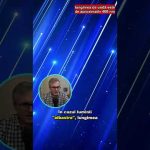
În cazul luminii “albastre”, lungimea de undă este de aproximativ 400 nm.
Dar atenție, raza de lumină cu această lungime de undă, capătă culoarea “albastră” abia când atinge ochiul nostru și mai ales când informația ajunge la creier. Abia aici creierul îi atribuie o culoare, albastru în acest caz.
Filozofii spun că acum lumina a căpătat o calitatea adițională, cea de culoare. Dacă înainte era doar o simplă undă electromagnetică, acum creierul nostru i-a atribuit o calitate adițională, o “culoare”. Aceste calități adiționale poarta numele generic de qualia.
Albastrul este, deci, o construcție a creierului nostru, o calitate adițională, așa cum sunt toate culorile.
Cerul este plin de unde luminoase (electromagnetice), mai ales cu lungimea de undă de 400 de nm, dar cerul nu este, el însuși, albastru.
Steve Spangler is a bestselling author, STEM educator and Emmy award-winning television personality with more than 2,100 television appearances to his credit. Steve appeared as a regular guest on the Ellen DeGeneres Show from 2007-2022 (27 appearances).
Steve Spangler is a bestselling author, STEM educator and Emmy award-winning television personality with more than 2,100 television appearances to his credit. Steve appeared as a regular guest on the Ellen DeGeneres Show from 2007-2022 (27 appearances).
Let’s learn something EPIC today! Join Phil as he shares some of the best kept science secrets. Nothing better than having fun while learning about how things work!
Have you ever done a science experiment and wondered “What would this be like if it were HUGE?” Welcome to Science Max, the exciting series that turbocharges all the science experiments you’ve done at home.
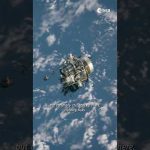
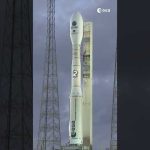
Our Biomass satellite has successfully launched, marking a major leap forward in understanding Earth’s forests and their vital role in the carbon cycle.
It lifted off on 29 April 2025 from Europe’s Spaceport in French Guiana aboard Vega-C, and is already sending back its first signals. Over the next few days, our mission controllers will carefully deploy Biomass’ enormous 12-metre-wide reflector – the key to its unique abilities.
📹 European Space Agency (ESA) 📸 ESA/CNES/Arianespace