Tag: Artemis

  • Artemis II Mission Overview News Conference (Sept. 23, 2025)

    Artemis II Mission Overview News Conference (Sept. 23, 2025)

    After the successful Artemis I uncrewed flight around the Moon in 2022, Artemis II is the next step in our journey from the Moon to Mars. This mission will be the Artemis program’s first crewed mission, with four astronauts flying around the Moon in 10 days. This flight will confirm the systems and hardware necessary for human deep space travel. Artemis II is scheduled for no later than April 2026.

    In this news conference, leaders in the Artemis program will discuss the mission and answer questions from the media. The participants include:
    – Lakiesha Hawkins, acting deputy associate administrator, Exploration Systems Development Mission Directorate, NASA Headquarters
    – Charlie Blackwell-Thompson, Artemis launch director, NASA’s Kennedy Space Center
    – Judd Frieling, lead Artemis II ascent flight director, NASA Johnson
    – Jeff Radigan, lead Artemis II flight director, NASA Johnson
    – Rick Henfling, lead Artemis II entry flight director, NASA Johnson
    – Daniel Florez, test director, Exploration Ground Systems, NASA Kennedy

    For more information about Artemis, visit: https://www.nasa.gov/feature/artemis/
    View the full lineup of this week’s Artemis II events: https://go.nasa.gov/42wq5wA

    Credit: NASA

  • ASELENIZAREA: o minciună și o farsă? 🌕 Dovezile pe masă!

    ASELENIZAREA: o minciună și o farsă? 🌕 Dovezile pe masă!

    Pe Daniel il gasiti aici: https://www.tiktok.com/@astroabra

    00:00:48 – Scurtă istorie a programului Apollo.
    00:05:48 – De ce nu se văd stelele?
    00:07:06 – De ce flutură steagul?
    00:09:24 – De ce nu se mai întorc oamenii pe Lună?
    00:12:44 – Cum au rezistat în centura de radiații Van Allen?
    00:15:01 – Concluzii despre calatoria pe luna

    #uvt

    ❗Primește răspunsuri direct pe whatsapp ► https://patreon.com/cristianpresura
    ❗Devino membru ► https://tinyurl.com/membruyoutube

    🔸 PAYPAL ► paypal.me/cristianpresura
    🔸 DONORBOX ► https://donorbox.org/cristianpresura

    ❗Alege TU următorul subiect! ► https://tinyurl.com/cristianpresura
    ❗TikTok ► https://www.tiktok.com/@cristian.presura
    ❗Facebook ► https://www.facebook.com/presura
    ❗Facebook page ► https://www.facebook.com/stiintaclub
    ❗Instagram ► https://www.instagram.com/cristianpresura/
    ❗Twitch ► https://www.twitch.tv/cristian_presura
    ❗Discord ► https://www.discord.gg/presura
    ❗Reddit ► https://www.reddit.com/r/presura/

    📙 Carte ► “Fizica Povestita”: https://bit.ly/2YsKaAc
    📙 Carte ► “O calatorie prin Univers”: https://bit.ly/3pdOfGp
    📙 Carte ► “Care e diferența dintre un copil și un laptop?” https://bit.ly/3h4auLZ

    🔊 Spotify Podcast ► https://spoti.fi/3dbvYo6
    🔊 MixCloud Podcas ► https://www.mixcloud.com/StiintaClub/
    ❗Asociația “Știinta pentru toți” ► https://www.presura.ro/

    Seria Fizica Cool #seriacool https://tinyurl.com/2s437srj
    Seria shorts: https://tinyurl.com/yw8b4sab
    Seria carte “Fizica Povestită” #fizicapovestita https://tinyurl.com/966kzam9
    Seria „Dicţionarul de idei şi ideologii (#2i)”: https://tinyurl.com/muryddb5
    Seria “Deschis la cercetare”: https://tinyurl.com/2p9dtb6k
    Fizica pentru începători: https://tinyurl.com/4xbc67c2
    Fizica cuantică: https://tinyurl.com/mr2d7acu
    Fizica nucleara: https://tinyurl.com/3yv3kr5r
    Fizica spațiului: https://tinyurl.com/3kc5jz95
    Călătorie prin Univers: https://tinyurl.com/mv6sxxrb
    Teoria relativității: https://tinyurl.com/2m8umyew
    Fizica simplă: https://tinyurl.com/24j6ekje
    Fizica avansată: https://tinyurl.com/39chd56e
    Fizica mediului inconjurator: https://tinyurl.com/5n86xdzc
    Cum sa ne protejam? https://tinyurl.com/mmyvr3n7
    Fizica 5G: https://tinyurl.com/2p9b3j6r
    Podcast “Întâlnirea cu fizica”: https://tinyurl.com/5n8hsswe
    algoritm:”A fost aselenizarea falsă? Această teorie conspiraționistă continuă să atragă atenția, mai ales pe TikTok, unde circulă povești că totul ar fi fost filmat într-un studio la Hollywood. Conspiraționiștii spun că programul Apollo și NASA ar fi pus în scenă o minciună politică în timpul Războiului Rece, doar pentru a învinge Uniunea Sovietică după triumfurile Sputnik și Gagarin. Întrebările lor ating teme precum lipsa stelelor din fotografii, fluturarea steagului american și radiațiile din centurile Van Allen.

    Pentru a înțelege adevărul, trebuie privită istoria programului spațial. După discursul lui John F. Kennedy, „We choose to go to the moon”, SUA au lansat racheta Saturn V și au construit modulul lunar. Au urmat teste, sacrificii precum Apollo 1 și progrese remarcabile. Misiunea Apollo 11, în iulie 1969, i-a dus pe Neil Armstrong, Buzz Aldrin și Michael Collins pe Lună. Modulul Eagle a aselenizat, iar cuvintele „The Eagle has landed” au devenit legendare.

    NASA a explicat clar misterele. Stelele nu apar în fotografii pentru că expunerea scurtă a aparatului favoriza suprafața Lunii și costumele albe, nu lumina slabă a stelelor. Steagul american părea să fluture din cauza unei bare metalice orizontale și a vibrațiilor mecanice produse de astronauți, nu a vântului. În privința radiațiilor, centurile Van Allen au fost traversate rapid, pe traiectorii periferice, iar grosimea aluminiului navei a asigurat protecție. Astronauții au primit doze comparabile cu un CT toracic, mult sub pragul de risc.

    De ce nu s-a mai revenit pe Lună? Costurile uriașe și lipsa motivației politice după câștigarea cursei spațiale au dus la anularea misiunilor Apollo ulterioare. Totuși, interesul renaște odată cu programul Artemis, care pregătește o întoarcere pe Lună și chiar drumul spre Marte.

    Astfel, dovezile arată că aselenizarea nu a fost falsă, ci o reușită istorică a astronauților și a întregului program spațial Apollo.”

    #stiinta #fizica #science #tehnologie #technology #cristianpresura

  • Ce s-a întâmplat cu Starship? 🚀 Invitat: Claudiu Tănăselia

    Ce s-a întâmplat cu Starship? 🚀 Invitat: Claudiu Tănăselia

    Ai întrebări de știință și vrei răspunsuri personale? Intră acum pe Patreon și eu își voi răspunde direct pe whatsapp ►https://patreon.com/cristianpresura

    0:00 Intro – Starship vs. China
    1:00 Lansarea Starship și explozia
    15:30 Probleme tehnice la Starship (analiză)
    30:45 Planurile SpaceX după eșec
    37:10 Programul spațial al Chinei – context
    45:00 Cum vede China eșecul Starship
    52:00 Concluzii și perspective

    Aboneaza-te la canal:
    https://www.youtube.com/channel/UCYaeaGwjN_VHGrudqi-lKDw/join

    🔸 SUSȚINE ȘI TU DIRECT ACTIVITATEA MEA ►https://patreon.com/cristianpresura
    🔸 DEVINO YOUTUBE MEMBRU ►https://bit.ly/35Q8vXC
    🔸 PAYPAL ► paypal.me/cristianpresura
    🔸 DONORBOX ► https://donorbox.org/cristianpresura

    ❗TikTok ► https://www.tiktok.com/@cristian.presura
    ❗Facebook ► https://www.facebook.com/presura
    ❗Facebook page ► https://www.facebook.com/stiintaclub
    ❗Instagram ► https://www.instagram.com/cristianpresura/
    ❗Twitch ► https://www.twitch.tv/cristian_presura
    ❗Discord ► https://www.discord.gg/presura
    ❗Reddit ► https://www.reddit.com/r/presura/

    📙 Carte ► “Fizica Povestita”: https://bit.ly/2YsKaAc
    📙 Carte ► “O calatorie prin Univers”: https://bit.ly/3pdOfGp
    📙 Carte ► “Care e diferența dintre un copil și un laptop?” https://bit.ly/3h4auLZ

    🔊 Spotify Podcast ► https://spoti.fi/3dbvYo6
    🔊 MixCloud Podcas ► https://www.mixcloud.com/StiintaClub/
    ❗Asociația “Știinta pentru toți” ► https://www.presura.ro/

    Seria Fizica Cool #seriacool https://tinyurl.com/2s437srj
    Seria shorts: https://tinyurl.com/yw8b4sab
    Seria carte “Fizica Povestită” #fizicapovestita https://tinyurl.com/966kzam9
    Seria „Dicţionarul de idei şi ideologii (#2i)”: https://tinyurl.com/muryddb5
    Seria “Deschis la cercetare”: https://tinyurl.com/2p9dtb6k
    Fizica pentru începători: https://tinyurl.com/4xbc67c2
    Fizica cuantică: https://tinyurl.com/mr2d7acu
    Fizica nucleara: https://tinyurl.com/3yv3kr5r
    Fizica spațiului: https://tinyurl.com/3kc5jz95
    Călătorie prin Univers: https://tinyurl.com/mv6sxxrb
    Teoria relativității: https://tinyurl.com/2m8umyew
    Fizica simplă: https://tinyurl.com/24j6ekje
    Fizica avansată: https://tinyurl.com/39chd56e
    Fizica mediului inconjurator: https://tinyurl.com/5n86xdzc
    Cum sa ne protejam? https://tinyurl.com/mmyvr3n7
    Fizica 5G: https://tinyurl.com/2p9b3j6r
    algoritm:
    “Podcastul îl aduce în prim-plan pe Claudiu, care discută despre evoluția proiectului Starship al companiei SpaceX, condusă de Elon Musk. Starship este o rachetă complet reutilizabilă, gândită să revoluționeze lansările orbitale prin reducerea semnificativă a costurilor. Totuși, până acum, toate cele 8 zboruri au fost suborbitale, iar proiectul se confruntă cu provocări tehnice importante, precum avarii la treapta secundară și probleme cu scutul termic ceramic, asemănătoare celor întâmpinate de naveta spațială americană.

    Unul dintre obiectivele majore ale Starship este implicarea în programul Artemis al NASA, în special în misiunea Artemis 3, programată teoretic pentru 2027. Această misiune presupune transportul astronauților de pe orbita lunară pe suprafața Lunii cu ajutorul unui model modificat numit Starship HLS (Human Landing System). Însă acest plan implică un proces complex de alimentare cu combustibil pe orbita Pământului, ceea ce necesită între 15 și 20 de lansări Starship de succes – un lucru care nu s-a realizat încă.

    În paralel, China dezvoltă propriul program de aselenizare, mai centralizat și cu o arhitectură mai simplă, asemănătoare cu cea a programului Apollo. Dacă SUA nu reușesc să respecte calendarul actual, este posibil ca China să devanseze misiunea cu echipaj uman spre Lună până în 2030.

    Podcastul subliniază dificultățile tehnice și politice cu care se confruntă programul Artemis, inclusiv incertitudinile legate de schimbările de administrație la NASA. Deși SpaceX a realizat progrese notabile, mai ales cu prima treaptă a rachetei, provocarea majoră rămâne revenirea treptei superioare de pe orbită într-o stare perfectă de reutilizare. În final, Claudiu rămâne sceptic privind respectarea termenelor și viitorul apropiat al misiunilor lunare americane.”

    #stiinta #fizica #science #tehnologie #technology #cristianpresura

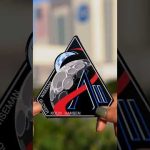
  • NASA’s Artemis II Mission Patch Just Launched

    NASA’s Artemis II Mission Patch Just Launched

    Behold: the mission patch for Artemis II!

    The Artemis II mission will embark on its journey around the Moon early 2026 with four astronauts onboard. Now we’ve got the mission patch to mark the occasion.

    To learn more about the Artemis II mission, visit: https://www.nasa.gov/mission/artemis-ii/

    Credit: NASA
    Patch Designer: Greg Manchess

    #NASA #Artemis #Moon

  • Artemis Accords: Celebrating 50 Country Signatories

    Artemis Accords: Celebrating 50 Country Signatories

    On Dec. 11, 2024, Panama and Austria became the 49th and 50th signatories of the Artemis Accords.

    The United States, led by NASA with the U.S. Department of State, and seven other founding nations established the Artemis Accords in 2020, a common set of principles designed to guide civil exploration and use of outer space for the benefit of all.

    By signing the Artemis Accords, these 50 nations come together in the name of safe and responsible space exploration. Any nation that wants to commit to the principles is welcome to sign. 

    The full list of Artemis Accords nations now includes: Angola, Argentina, Armenia, Australia, Austria, Bahrain, Belgium, Brazil, Bulgaria, Canada, Chile, Colombia, Cyprus, Czech Republic, Denmark, Dominican Republic, Ecuador, Estonia, France, Germany, Greece, Iceland, India, Israel, Italy, Japan, Lithuania, Luxembourg, Mexico, Netherlands, New Zealand, Nigeria, Panama, Peru, Poland, Republic of Korea, Romania, Rwanda, Saudi Arabia, Singapore, Slovakia, Slovenia, Spain, Sweden, Switzerland, Ukraine, United Arab Emirates, United Kingdom, United States of America, and Uruguay.

    For more information, check out: https://www.nasa.gov/artemis-accords/

    Credit: NASA
    Image Credit [0:50]: UAE Space Agency
    Music: Universal Production Music

  • NASA Artemis Campaign Leadership News Conference

    NASA Artemis Campaign Leadership News Conference

    NASA will hold a media event on Dec. 5 to provide an update on the agency’s Artemis campaign.

    Participants:

    -NASA Administrator Bill Nelson
    -NASA Deputy Administrator Pam Melroy
    -NASA Associate Administrator Jim Free
    -Catherine Koerner, associate administrator, Exploration Systems Development Mission Directorate, NASA Headquarters
    -Amit Kshatriya, deputy associate administrator, Moon to Mars Program Office, Exploration Systems Development Mission Directorate
    -Reid Wiseman, NASA astronaut and Artemis II commander

    Through the Artemis campaign, the agency will establish a long-term presence at the Moon for scientific exploration with our commercial and international partners, learn how to live and work away from home, and prepare for future human exploration of Mars.

    NASA’s SLS (Space Launch System) rocket, exploration ground systems, and Orion spacecraft, along with the human landing system, next-generation spacesuits, the lunar space station, Gateway, and future rovers are NASA’s foundation for deep space exploration.

    Credit: NASA
    For more information about Artemis, visit: https://www.nasa.gov/artemis

  • NASA Rocket Engine Fireplace – 8 Hours in 4K

    NASA Rocket Engine Fireplace – 8 Hours in 4K

    Just what you need for the holidays… the coziness of a crackling and roaring rocket engine!

    Technically, this fireplace packs the heat of the SLS rocket’s four RS-25 engines and a pair of solid rocket boosters – just enough to get you to the Moon! (And get through the holidays with your in-laws.)

    This glowing mood-setter is brought to you by the SLS (Space Launch System) rocket that launched Artemis I on its mission around the Moon and back on Nov. 16, 2022. 8.8 million pounds of total thrust – and a couple glasses of eggnog – might just be enough to make your holidays merry.

    Video description: A stock fireplace illustration frames looping archival video of the blasting RS-25 engines that launched the Artemis I rocket to the Moon on Nov. 16, 2022 (source: https://go.nasa.gov/4g6LnWc ). The illustration includes stone tiling, a pillow, a basket of firewood, and contains elements generated with AI. NASA added two framed pictures to the illustration. One shows an archival image of the Orion capsule flying through space. The other shows the Artemis logo. The audio features the roar of the rockets at a low level, with the addition of the sounds of a crackling wood fire.

    Credit: NASA
    Producers: Sami Aziz, John Sackman
    Designer: Chris Chamberland

    https://www.nasa.gov/humans-in-space/artemis/

    Download: https://go.nasa.gov/4g6vKhi

    #Fireplace #YuleLog #NASA

  • Practicing Artemis Moonwalks in the Desert on This Week @NASA – May 17, 2024

    Practicing Artemis Moonwalks in the Desert on This Week @NASA – May 17, 2024

    Practicing Artemis Moonwalks in the desert, a developmental milestone for our lunar-roving robot, and previewing our new polar climate mission … a few of the stories to tell you about – This Week at NASA!

    Link to download this video:
    https://images.nasa.gov/details/Practicing%20Artemis%20Moonwalks%20in%20the%20Desert%20on%20This%20Week%20@NASA%20%E2%80%93%20May%2017,%202024

    Video Producer: Andre Valentine
    Video Editor: Andre Valentine
    Narrator: Emanuel Cooper
    Music: Universal Production Music
    Credit: NASA
  • NASA Artemis Lunar Terrain Vehicle (Official NASA Trailer)

    NASA Artemis Lunar Terrain Vehicle (Official NASA Trailer)

    NASA hosted a news conference from the Johnson Space Center in Houston April 3, 2024, to announce the companies selected to move forward in the development of the Lunar Terrain Vehicle under the LTVS (Lunar Terrain Vehicle Services) contract. The award leverages NASA’s expertise in developing and operating these next generation “Moon buggies” to build commercial capabilities that support scientific discovery and long-term human exploration on the Moon. NASA intends to begin using the LTV for crewed operations during the Artemis V mission on the surface of the Moon.

    Link to download this video:
    https://images.nasa.gov/details/jsc2024m000101-NASA_News_Conference_on_Lunar_Terrain_Vehicle_for_Artemis_Missions

    Producer: NASA/Jamie Quinn
    Credit: NASA
    #MoonBuggy #NASA #Artemis

  • The First Artemis Robotic Launch to the Moon on This Week @NASA – January 5, 2024

    The First Artemis Robotic Launch to the Moon on This Week @NASA – January 5, 2024

    The first Artemis robotic launch to the Moon, an Artemis lunar robotic rover is halfway built, and an up-close look at a volcanic moon … a few of the stories to tell you about – This Week at NASA!

    Link to download this video:
    https://images.nasa.gov/details/The%20First%20Artemis%20Robotic%20Launch%20to%20the%20Moon%20on%20This%20Week%20@NASA%20%E2%80%93%20January%205,%202024

    Video Producer: Andre Valentine
    Video Editor: Andre Valentine
    Narrator: Andre Valentine
    Music: Universal Production Music
    Credit: NASA

  • Artemis II Astronauts Check Out Some Flight Hardware on This Week @NASA – November 24, 2023

    Artemis II Astronauts Check Out Some Flight Hardware on This Week @NASA – November 24, 2023

    Some Artemis II astronauts check out some flight hardware, a mission that will map millions of galaxies, and studying disturbances in the atmosphere … a few of the stories to tell you about – This Week at NASA!

    Link to download this video:
    https://images.nasa.gov/details/Artemis%20II%20Astronauts%20Check%20Out%20Some%20Flight%20Hardware%20on%20This%20Week%20@NASA%20%E2%80%93%20November%2024,%202023

    Video Producer: Andre Valentine
    Video Editor: Andre Valentine
    Narrator: Emanuel Cooper
    Music: Universal Production Music
    Credit: NASA
  • Artemis II Astronauts Launch Day Demo

    Artemis II Astronauts Launch Day Demo

    Train today, perform tomorrow. ⁣

    On September 20, 2023 the Artemis II astronauts practiced some of the pre-launch procedures they’ll perfect before their slated 2024 launch to the Moon.⁣

    NASA Astronauts Reid Wiseman, Victor Glover, Christina Koch along with Canadian Space Agency astronaut Jeremy Hansen awoke at their crew quarters at NASA’s Kennedy Space Center and put on test versions of the Orion Crew Survival System spacesuits they will wear on launch day. They then departed to Launch Pad 39B in NASA’s new crew transportation fleet. ⁣
    Upon arrival at the pad, the crew headed onto the mobile launcher and proceeded up the tower to the white room inside the crew access arm. There was no Orion spacecraft or Space Launch System rocket on the pad today, but on launch day this is where the crew will take their final Earth-bound steps prior to their journey around the Moon. ⁣

    Credit: NASA⁣

  • European Service Modules – made in Turin

    European Service Modules – made in Turin

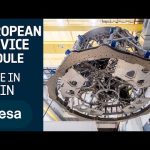
    Artemis in Europe: the structure and radiators for the European Service Modules that fly NASA’s Orion spacecraft to the Moon are built in Turin, Italy.

    Thales Alenia Space produces the structure that acts like a chassis on a car providing the solid foundations for all other elements to be attached to and also absorbs the forces that the Artemis spacecraft will endure during launch into Earth orbit and onto the Moon.

    Technicians assemble the primary structure that is made from a core of Composite Fibre Reinforced Polymer sandwich panels and aluminium alloy elements for the secondary structures. This technology keeps the European Service Module light enough to fly farther and longer but strong enough to keep its shape.

    Thales Alenia Space also supplies the radiators for the European Service Modules that consist of six elements forming two independent systems. Like a car’s radiator system the European Service Module radiators are designed to expel excess heat and keep the computers and other components inside from overheating.

    The structures are trucked from Turin to Bremen, Germany, where the rest of the hardware that makes a spacecraft can be installed. The first step in their voyage to the Moon.

    Credits: ESA – European Space Agency

    ★ Subscribe: http://bit.ly/ESAsubscribe and click twice on the bell button to receive our notifications.

    Check out our full video catalog: http://bit.ly/SpaceInVideos
    Follow us on Twitter: http://bit.ly/ESAonTwitter
    On Facebook: http://bit.ly/ESAonFacebook
    On Instagram: http://bit.ly/ESAonInstagram
    On LinkedIn: https://bit.ly/ESAonLinkedIn
    On Pinterest: https://bit.ly/ESAonPinterest
    On Flickr: http://bit.ly/ESAonFlickr

    We are Europe’s gateway to space. Our mission is to shape the development of Europe’s space capability and ensure that investment in space continues to deliver benefits to the citizens of Europe and the world. Check out https://www.esa.int/ to get up to speed on everything space related.

    Copyright information about our videos is available here: https://www.esa.int/ESA_Multimedia/Terms_and_Conditions

    #ESA
    #Artemis
    #EuropeanServiceModule

  • Artemis II astronauts visit European Service Module-2

    Artemis II astronauts visit European Service Module-2

    During Artemis I the European Service Module (ESM) surpassed expectations. Now, as we set our sights on Artemis II, the European Service Module is ready to once again serve as Orion’s primary power and propulsion component and keep the spacecraft at the right temperature and on course. And this time, with real astronauts on board.

    ESM-2 stands as a testament to ESA’s contributions to NASA’s Orion spacecraft and the Artemis programme, ensuring the crew will have the essentials – from electricity to temperature control – in the vastness of space.

    Next up, ESM-2 will be connected with the crew module to create the Artemis II vehicle. It will then be thoroughly tested before launch scheduled for next year.

    ESA is committed to send astronauts beyond low-Earth orbit and ultimately to the surface of the Moon and beyond. ESM is a key contribution to this joint international endeavour.

    This video features interviews with:
    – Philippe Berthe, ESA’s European Service Module Project Coordination manager
    – Kai Bergemann, Airbus deputy programme manager for Orion and the European Service Module
    – Jeremy Hansen, Canadian Space Agency Artemis II astronaut
    – Debbie Korth, NASA deputy programme manager for Orion
    Credits: ESA – European Space Agency
    📸 NASA/Kim Shiflett

    ★ Subscribe: http://bit.ly/ESAsubscribe and click twice on the bell button to receive our notifications.

    Check out our full video catalog: http://bit.ly/SpaceInVideos
    Follow us on Twitter: http://bit.ly/ESAonTwitter
    On Facebook: http://bit.ly/ESAonFacebook
    On Instagram: http://bit.ly/ESAonInstagram
    On LinkedIn: https://bit.ly/ESAonLinkedIn
    On Pinterest: https://bit.ly/ESAonPinterest
    On Flickr: http://bit.ly/ESAonFlickr

    We are Europe’s gateway to space. Our mission is to shape the development of Europe’s space capability and ensure that investment in space continues to deliver benefits to the citizens of Europe and the world. Check out https://www.esa.int/ to get up to speed on everything space related.

    Copyright information about our videos is available here: https://www.esa.int/ESA_Multimedia/Terms_and_Conditions

    #ESA
    #Orion
    #Artemis

  • The Artemis II Astronauts Check Out Their Ride to the Moon on This Week @NASA – August 11, 2023

    The Artemis II Astronauts Check Out Their Ride to the Moon on This Week @NASA – August 11, 2023
    The Artemis II astronauts check out their ride to the Moon, practicing post-splashdown recovery operations for Artemis II, and the Webb Space Telescope checks out a record-breaking star … a few of the stories to tell you about – This Week at NASA!

    Link to download this video:
    https://images.nasa.gov/details/The%20Artemis%20II%20Astronauts%20Check%20Out%20Their%20Ride%20to%20the%20Moon%20on%20This%20Week%20@NASA%20%E2%80%93%20August%2011,%202023

    Video Producer: Andre Valentine
    Video Editor: Andre Valentine
    Narrator: Andre Valentine
    Music: Universal Production Music
    Credit: NASA
  • Artemis II Astronauts’ First Look at Their Lunar Spacecraft

    Artemis II Astronauts’ First Look at Their Lunar Spacecraft

    Today, the Artemis II astronauts got their first look at the Orion spacecraft slated to fly them around the Moon in late 2024.

    The Artemis II crew consists of NASA astronauts Reid Wiseman, Victor Glover, and Christina Koch, and Canadian Space Agency astronaut Jeremy Hansen. Artemis II is the first crewed mission on our path to establishing a long-term human presence on the Moon, and is the first mission with astronauts to the Moon’s orbit in more than 50 years.

    The approximately 10-day flight test will launch on the powerful Space Launch System rocket, prove the Orion spacecraft’s life-support systems, and validate the capabilities and techniques needed for humans to live and work in deep space.

    Learn more about the Artemis II crew and their mission at: https://www.nasa.gov/artemis-ii

    Credit: NASA

  • “Fuel” and Fire: NASA’s Artemis Missions to the Moon, feat. Metallica

    “Fuel” and Fire: NASA’s Artemis Missions to the Moon, feat. Metallica

    What do Metallica and NASA’s Artemis missions to the Moon have in common? Both love “Fuel” and fire. See footage of the Artemis I launch scored by Metallica’s “Fuel.”

    Learn more about how NASA’s Space Launch System (SLS) rocket and Orion spacecraft will send four astronauts on a lunar flyby around the Moon for NASA’s Artemis II mission: https://nasa.gov/sls

    Credit: NASA/Brandon Hancock and Sam Lott

    #Artemis

  • The Artemis II Moon Mission Crew Visits D.C. on This Week @NASA – May 19, 2023

    The Artemis II Moon Mission Crew Visits D.C. on This Week @NASA – May 19, 2023

    The Artemis II Moon mission crew visits D.C., another partner to land humans on the Moon, and preparing to get to the heart of “cosmic matter” … a few of the stories to tell you about – This Week at NASA!

    Download Link:
    https://images.nasa.gov/details/The%20Artemis%20II%20Moon%20Mission%20Crew%20Visits%20D.C.%20on%20This%20Week%20@NASA%20–%20May%2019,%202023

    Video Producer: Andre Valentine
    Video Editor: Andre Valentine
    Narrator: Andre Valentine
    Music: Universal Production Music
    Credit: NASA

  • Artemis II: Mission Overview

    Artemis II: Mission Overview

    The approximately 10-day Artemis II flight test will launch on the agency’s powerful Space Launch System (SLS) rocket, prove the Orion spacecraft’s life-support systems, and validate the capabilities and techniques needed for humans to live and work in deep space.

    The astronauts will launch from NASA Kennedy Space Center’s Launch Pad 39B atop the SLS rocket as it generates 8.8 million pounds of thrust, beginning their 600,000 mile journey. Once out of our atmosphere, these star sailors will conduct a targeting demonstration and check the Orion spacecraft’s systems near Earth before they head around the Moon and back to Earth, reentering our atmosphere at 30 times the speed of sound, before gently splashing down in the Pacific Ocean.

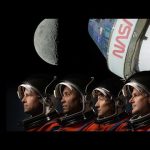
    Artemis II’s crew is comprised of NASA astronauts commander Reid Wiseman, pilot Victor Glover, mission specialist Christina Koch; and Canadian Space Agency astronaut and mission specialist Jeremy Hansen.

    All about the mission: https://nasa.gov/specials/artemis-ii

    Producer: Sami Aziz

    Editor: Matt Murray
    Credit: NASA

    #Astronauts #NASA #Artemis

  • Artemis II: Meet the Astronauts Who will Fly Around the Moon (Official NASA Video)

    Artemis II: Meet the Astronauts Who will Fly Around the Moon (Official NASA Video)

    Four astronauts have been selected for NASA’s Artemis II mission: Commander Reid Wiseman, pilot Victor Glover, and mission specialist Christina Koch from NASA, and mission specialist Jeremy Hansen from the Canadian Space Agency.

    Artemis II will be NASA’s first crewed flight test of the Space Launch System rocket and Orion spacecraft around the Moon to verify today’s capabilities for humans to explore deep space and pave the way for long-term exploration and science on the lunar surface.

    More: https://www.nasa.gov/artemis-ii

    Producers: Gary Jordan, Sami Aziz, Dane Turner
    Video: Charles Clendaniel, Josh Valcarcel, Chase Gibson
    Editor: Justin Herring
    Audio: Daniel Tohill, Will Flato

    Credit: NASA

  • Artemis I Path to the Pad: Launch and Recovery

    Artemis I Path to the Pad: Launch and Recovery

    On Nov. 16, 2022, NASA made history with the launch of our Space Launch System (SLS) rocket and Orion spacecraft – our newest transportation system that will return humans to the Moon. Relive the powerful moment SLS rumbled away from Earth, beginning Orion’s three-week test flight around the Moon, and watch as we document Orion’s splashdown in the Pacific Ocean, closing the first chapter in America’s next deep space exploration story.

    All about Artemis I: https://www.nasa.gov/specials/artemis-i/

    Writer: Danielle Sempsrott
    Editor: Francisco Martin
    Producers: John Sackman, Michael Justice & Madison Tuttle
    Music courtesy of Gothic Storm Music
    Credit: NASA

  • Artemis II Astronaut Announcement: April 3, 2023 (Official NASA Trailer)

    Artemis II Astronaut Announcement: April 3, 2023 (Official NASA Trailer)

    Don’t miss it! NASA and CSA (Canadian Space Agency) will announce during an event at 11 a.m. EDT on Monday, April 3, from NASA Johnson Space Center’s Ellington Field in Houston, the four astronauts who will venture around the Moon. Traveling aboard NASA’s Orion spacecraft during Artemis II, the mission is the first crewed flight test on the agency’s path to establishing a long-term scientific and human presence on the lunar surface.

    The YouTube event is here: https://youtube.com/live/mua1Lysc_JQ?si=EnSIkaIECMiOmarE

    Producer/editor: Phil Sexton
    Producers: Aly Lee, Sami Aziz, Radislav Sinyak

    Credit: NASA

  • The Artemis II Moon Rocket is Coming Together on This Week @NASA – March 24, 2023

    The Artemis II Moon Rocket is Coming Together on This Week @NASA – March 24, 2023

    The Artemis II Moon Rocket is Coming Together, a high honor for some space explorers, and an intriguing find for the Webb Space Telescope … a few of the stories to tell you about – This Week at NASA!

    Download Avail Link:
    https://images.nasa.gov/details/The%20Artemis%20II%20Moon%20Rocket%20is%20Coming%20Together%20on%20This%20Week%20@NASA%20–%20March%2024,%202023

  • Artemis Systems Are Ready to Fly Astronauts on This Week @NASA – March 10, 2023

    Artemis Systems Are Ready to Fly Astronauts on This Week @NASA – March 10, 2023

    Artemis systems are ready to fly astronauts, a hot fire test of an Artemis rocket engine, and educating and inspiring the Artemis generation … a few of the stories to tell you about – This Week at NASA!

    Download Avail Link: https://images.nasa.gov/details/Artemis%20Systems%20Are%20Ready%20to%20Fly%20Astronauts%20on%20This%20Week%20@NASA%20–%20March%2010,%202023

  • We are going back to the Moon together with @NASA #shorts

    We are going back to the Moon together with @NASA #shorts

    📹 @EuropeanSpaceAgency

    ★ Subscribe: http://bit.ly/ESAsubscribe and click twice on the bell button to receive our notifications.

    Check out our full video catalog: http://bit.ly/SpaceInVideos
    Follow us on Twitter: http://bit.ly/ESAonTwitter
    On Facebook: http://bit.ly/ESAonFacebook
    On Instagram: http://bit.ly/ESAonInstagram
    On LinkedIn: https://bit.ly/ESAonLinkedIn
    On Pinterest: https://bit.ly/ESAonPinterest
    On Flickr: http://bit.ly/ESAonFlickr

    We are Europe’s gateway to space. Our mission is to shape the development of Europe’s space capability and ensure that investment in space continues to deliver benefits to the citizens of Europe and the world. Check out https://www.esa.int/ to get up to speed on everything space related.

    Copyright information about our videos is available here: https://www.esa.int/ESA_Multimedia/Terms_and_Conditions

    #ESA
    #NASA
    #Moon

  • Terrae Novae | Earth orbit, Moon and Mars

    Terrae Novae | Earth orbit, Moon and Mars

    Terrae Novae is ESA’s exploration programme.

    Terrae Novae is not only literally about exploring new worlds, but by describing the limitless opportunities for discovery, economic growth and inspiration it also expresses our ambitions for Europe’s future innovators, scientists and explorers.

    This video shows the many exploration activities ESA is conducting or has planned in our Solar System, from the International Space Station to the Moon with the European Service Module and lunar Gateway modules for Artemis, and on to Mars with the Mars Sample Return campaign.

    For more on ESA’s human and robotic exploration strategy see: https://www.esa.int/terraenovae

    ★ Subscribe: http://bit.ly/ESAsubscribe and click twice on the bell button to receive our notifications.

    Check out our full video catalog: http://bit.ly/SpaceInVideos
    Follow us on Twitter: http://bit.ly/ESAonTwitter
    On Facebook: http://bit.ly/ESAonFacebook
    On Instagram: http://bit.ly/ESAonInstagram
    On LinkedIn: https://bit.ly/ESAonLinkedIn
    On Pinterest: https://bit.ly/ESAonPinterest
    On Flickr: http://bit.ly/ESAonFlickr

    We are Europe’s gateway to space. Our mission is to shape the development of Europe’s space capability and ensure that investment in space continues to deliver benefits to the citizens of Europe and the world. Check out https://www.esa.int/ to get up to speed on everything space related.

    Copyright information about our videos is available here: https://www.esa.int/ESA_Multimedia/Terms_and_Conditions

    #ESA
    #TerraeNovae
    #SpaceExploration

  • NASA’s Artemis I Rocket Launch from Launch Pad 39B Perimeter

    NASA’s Artemis I Rocket Launch from Launch Pad 39B Perimeter

    On Nov. 16, 2022, the Orion spacecraft launched aboard the Space Launch System (SLS) rocket from NASA’s Kennedy Space Center and embarked on the #Artemis I mission to the Moon and back. Orion orbited the Moon, getting as close as 79 miles to the lunar surface, and successfully splashed back down to Earth 25.5 days later on Dec. 11.

    Four RS-25 engines and two five-segment solid rocket boosters provided more than 8.8 million pounds of thrust for SLS during liftoff and flight. Thanks in part to development of a new RS-25 engine controller that checks engine health 50 times per second, engineers were able to collect more than 100 measurements on pressures, temperatures, flows, speeds, and vibrations on the four RS-25 engines that helped power Artemis I. The preliminary post-flight data indicates that all SLS systems performed exceptionally and that the designs are ready to support a crewed flight on Artemis II.

    The Artemis II mission will bring us closer to establishing a sustained human presence on the lunar surface and landing the first woman and first person of color on the Moon.

    This video was captured from the Launch Pad 39B perimeter and was used by engineers to monitor and track the rocket during flight.

    Video credit: NASA
    Music credit: Universal Production Music

  • ESA Preview 2023

    ESA Preview 2023

    At the start of 2023 the European Space Agency ESA is happily looking forward to another year filled with a host of thrilling new missions, cutting edge science and the continued effort to guarantee independent access to space for Europe. We will see the first images of the first Meteosat Third Generation satellite, the launch of the Jupiter Icy Moons Explorer, and of Euclid and another Sentinel-1 satellite launch. It will also be the year of Ariane 6 which will make its inaugural flight and the first Dane in space, Andreas Mogensen will return to the ISS as the new astronaut-candidates commence their training. Near the end of the year the second Space Summit will further cement ESA’s ambitions for Space in Europe.

    ★ Subscribe: http://bit.ly/ESAsubscribe and click twice on the bell button to receive our notifications.

    Check out our full video catalog: http://bit.ly/SpaceInVideos
    Follow us on Twitter: http://bit.ly/ESAonTwitter
    On Facebook: http://bit.ly/ESAonFacebook
    On Instagram: http://bit.ly/ESAonInstagram
    On LinkedIn: https://bit.ly/ESAonLinkedIn
    On Pinterest: https://bit.ly/ESAonPinterest
    On Flickr: http://bit.ly/ESAonFlickr

    We are Europe’s gateway to space. Our mission is to shape the development of Europe’s space capability and ensure that investment in space continues to deliver benefits to the citizens of Europe and the world. Check out https://www.esa.int/ to get up to speed on everything space related.

    Copyright information about our videos is available here: https://www.esa.int/ESA_Multimedia/Terms_and_Conditions

    #ESA
    #2023
    #Space

  • Our 2022 highlights 🗓️ #shorts

    Our 2022 highlights 🗓️ #shorts

    2022 was a year of many ‘firsts’ for space in Europe, seeing the first European female International Space Station commander, the launch of the first Vega-C rocket, the launch of the first Artemis mission working to bring humans back to the Moon, and first images from the James Webb Space Telescope among many other success stories and lessons learned.

    ★ Subscribe: http://bit.ly/ESAsubscribe and click twice on the bell button to receive our notifications.

    Check out our full video catalog: http://bit.ly/SpaceInVideos
    Follow us on Twitter: http://bit.ly/ESAonTwitter
    On Facebook: http://bit.ly/ESAonFacebook
    On Instagram: http://bit.ly/ESAonInstagram
    On LinkedIn: https://bit.ly/ESAonLinkedIn
    On Pinterest: https://bit.ly/ESAonPinterest
    On Flickr: http://bit.ly/ESAonFlickr

    We are Europe’s gateway to space. Our mission is to shape the development of Europe’s space capability and ensure that investment in space continues to deliver benefits to the citizens of Europe and the world. Check out https://www.esa.int/ to get up to speed on everything space related.

    Copyright information about our videos is available here: https://www.esa.int/ESA_Multimedia/Terms_and_Conditions

    #ESA
    #YearInReview
    #2022Highlights

  • ESA Highlights 2022

    ESA Highlights 2022

    2022 was a year of many ‘firsts’ for space in Europe, seeing the first European female ISS commander, the launch of the first Vega-C rocket, Solar Orbiter’s first close encounter with our home star, the launch of the first Artemis mission working to bring humans back to the Moon, and first images from the James Webb Space Telescope.

    Let’s take a look at the highlights and accomplishments of the European Space Agency during 2022.

    ★ Subscribe: http://bit.ly/ESAsubscribe and click twice on the bell button to receive our notifications.

    Check out our full video catalog: http://bit.ly/SpaceInVideos
    Follow us on Twitter: http://bit.ly/ESAonTwitter
    On Facebook: http://bit.ly/ESAonFacebook
    On Instagram: http://bit.ly/ESAonInstagram
    On LinkedIn: https://bit.ly/ESAonLinkedIn
    On Pinterest: https://bit.ly/ESAonPinterest
    On Flickr: http://bit.ly/ESAonFlickr

    We are Europe’s gateway to space. Our mission is to shape the development of Europe’s space capability and ensure that investment in space continues to deliver benefits to the citizens of Europe and the world. Check out https://www.esa.int/ to get up to speed on everything space related.

    Copyright information about our videos is available here: https://www.esa.int/ESA_Multimedia/Terms_and_Conditions

    #ESA
    #Highlights
    #EuropeanSpaceAgency

  • Artemis I | Liftoff to splashdown

    Artemis I | Liftoff to splashdown

    The uncrewed Artemis I test flight saw Orion travel around the Moon and farther than any spacecraft designed to carry humans and return them to Earth. Artemis is the international lunar exploration programme that is taking humankind to the Moon. This first mission provided a first test of both NASA’s Space Launch System (SLS) and the Orion moonship that was propelled by the European Service Module’s 33 engines beyond the Moon and into deep space. Future European Service Modules will provide electricity, propulsion and cabin thermal control for astronauts on lunar missions as well as breathable atmosphere and drinking water.

    Launched by the first SLS on 16 November at 06:47 GMT/07:47 CET (01:47 local time) from NASA’s Kennedy Space Center, Florida, Orion flew a 25-day mission that saw it fly by the Moon twice. Passing as close as 130 km from the lunar surface, the spacecraft used the Moon’s gravity to sling it into lunar orbit and then later return it on course to Earth.

    The first lunar flyby occurred on 21 November at 12:44 GMT/13:44 CET, with the ESM firing its main engine to send Orion behind and around the Moon. Ten days after liftoff, Orion entered the Moon’s orbit at 12:44 GMT/13:44 CET on 25 November when the ESM fired its main engine.

    NASA’s Orion spacecraft splashed down in the Pacific Ocean at 17:40 GMT/18:40 CET on 11 December, after travelling around the Moon and farther than any spacecraft designed to carry humans and return them to Earth. Just 40 minutes before splashdown, and having delivered Orion safely back to Earth, ESA’s European Service Module (ESM) with its Crew Module Adapter detached from the capsule. As planned, the ESM burned up harmlessly in the atmosphere as the Orion Crew Module guided itself through re-entry, orienting the capsule with its own thrusters, releasing its three parachutes and gracefully splashing down off the coast of San Diego, USA.

    ★ Subscribe: http://bit.ly/ESAsubscribe and click twice on the bell button to receive our notifications.

    Check out our full video catalog: http://bit.ly/SpaceInVideos
    Follow us on Twitter: http://bit.ly/ESAonTwitter
    On Facebook: http://bit.ly/ESAonFacebook
    On Instagram: http://bit.ly/ESAonInstagram
    On LinkedIn: https://bit.ly/ESAonLinkedIn
    On Pinterest: https://bit.ly/ESAonPinterest
    On Flickr: http://bit.ly/ESAonFlickr

    We are Europe’s gateway to space. Our mission is to shape the development of Europe’s space capability and ensure that investment in space continues to deliver benefits to the citizens of Europe and the world. Check out https://www.esa.int/ to get up to speed on everything space related.

    Copyright information about our videos is available here: https://www.esa.int/ESA_Multimedia/Terms_and_Conditions

    #ESA
    #NASA
    #Artemis

  • NASA Science Live: Artemis Returns to Earth with Science

    NASA Science Live: Artemis Returns to Earth with Science

    NASA’s Artemis mission flew on a historic journey around the Moon, testing technologies, performing science and deploying CubeSats along the way. The Orion capsule splashed down in the Pacific Ocean on Sunday, Dec. 11 with science experiments on board. What questions do you have about the science on Artemis I? Watch NASA Science Live on Monday, Dec. 12 at 3 p.m. ET and submit your questions using #Artemis.

  • NASA’s Artemis I Mission Splashes Down in Pacific Ocean

    NASA’s Artemis I Mission Splashes Down in Pacific Ocean

    On Dec. 11, the Artemis I mission will conclude with the entry, descent, and splashdown of the Orion spacecraft. After 25.5 days in space, and a 1.3-million-mile (2.1-million-km) journey around the Moon, Orion is expected to splash down in the Pacific Ocean off the coast of California at 12:39 p.m. EST (17:39 UTC) on Sunday, Dec. 11. The exploration ground systems recovery team from NASA’s Kennedy Space Center in Florida, working with the U.S. Navy, will recover the spacecraft. Live coverage for this event begins at 11 a.m. EST (16:00 UTC).

    Orion launched aboard the Space Launch System (SLS) rocket at 1:47 am EST (06:47 UTC) on Nov. 16 from historic Launch Complex 39B at NASA’s Kennedy Space Center.

    The Artemis I mission is the first integrated test of NASA’s deep space exploration systems: the Orion spacecraft, the SLS rocket, and Kennedy Space Center’s Exploration Ground Systems.

    More: https://www.nasa.gov/specials/artemis-i

    Credit: NASA

  • Meet Helga and Zohar 👥 ☢️ #shorts

    Meet Helga and Zohar 👥 ☢️ #shorts

    These two mannequins occupy the passenger seats on Artemis I. Their their female-shaped, plastic bodies are filled with over 5600 sensors each to measure the radiation load during their trip around the Moon and back to Earth.

    ★ Subscribe: http://bit.ly/ESAsubscribe and click twice on the bell button to receive our notifications.

    Check out our full video catalog: http://bit.ly/SpaceInVideos
    Follow us on Twitter: http://bit.ly/ESAonTwitter
    On Facebook: http://bit.ly/ESAonFacebook
    On Instagram: http://bit.ly/ESAonInstagram
    On LinkedIn: https://bit.ly/ESAonLinkedIn
    On Pinterest: https://bit.ly/ESAonPinterest
    On Flickr: http://bit.ly/ESAonFlickr

    We are Europe’s gateway to space. Our mission is to shape the development of Europe’s space capability and ensure that investment in space continues to deliver benefits to the citizens of Europe and the world. Check out https://www.esa.int/ to get up to speed on everything space related.

    Copyright information about our videos is available here: https://www.esa.int/ESA_Multimedia/Terms_and_Conditions

    #ESA
    #Orion
    #Artemis

  • Artemis II | European Service Module perspective

    Artemis II | European Service Module perspective

    After the uncrewed Artemis I test flight, the Artemis II mission will have astronauts demonstrate what the Orion spacecraft – powered by a European Service Module – can do on its voyage around the Moon.

    Two astronauts will fly on the second Artemis mission and take over controls to show how Orion handles at close-quarter flying. While in Earth orbit the spacecraft will detach from its second stage, fly away, turn around, approach the second stage and then fly away again – all using the European Service Module’s 33 thrusters.

    Whereas in the first Artemis mission the second stage fired Orion into its lunar orbit, for the second mission it will be the European Service Module that will give the spacecraft its final push to its voyage around the Moon.

    The crew will fly Orion to 8889 km beyond the Moon before completing a lunar flyby and returning to Earth. The mission will take a minimum of eight days and will collect valuable flight test data.

    The European Service Module is one of ESA’s many contributions to NASA’s Orion spacecraft and the Artemis programme that will send astronauts to the Moon and beyond. It provides electricity, water, oxygen and nitrogen as well as keeping the spacecraft at the right temperature and on course.

    The European Service Module has 33 thrusters, 11 km of electrical wiring, four propellant and two pressure tanks that all work together to supply propulsion and everything needed to keep astronauts alive far from Earth – there is no room for error.

    ★ Subscribe: http://bit.ly/ESAsubscribe and click twice on the bell button to receive our notifications.

    Check out our full video catalog: http://bit.ly/SpaceInVideos
    Follow us on Twitter: http://bit.ly/ESAonTwitter
    On Facebook: http://bit.ly/ESAonFacebook
    On Instagram: http://bit.ly/ESAonInstagram
    On Flickr: http://bit.ly/ESAonFlickr

    We are Europe’s gateway to space. Our mission is to shape the development of Europe’s space capability and ensure that investment in space continues to deliver benefits to the citizens of Europe and the world. Check out https://www.esa.int/ to get up to speed on everything space related.

    Copyright information about our videos is available here: https://www.esa.int/ESA_Multimedia/Terms_and_Conditions

    #ESA
    #Orion
    #Artemis

  • NASA’s Artemis I Mission Return Trip Lunar Flyby

    NASA’s Artemis I Mission Return Trip Lunar Flyby

    On Dec. 5, NASA will air the lunar flyby of the Orion spacecraft on its return trek toward Earth. Orion completed a burn Dec. 1 to exit a lunar orbit thousands of miles beyond the Moon, where engineers have been testing systems to improve understanding of the spacecraft before future missions with astronauts. The return powered flyby burn, in which the spacecraft will harness the Moon’s gravity and accelerate back toward Earth, is expected at 11:43 a.m. (1643 UTC) The spacecraft is expected to fly about 79 miles above the lunar surface at 11:42 a.m. (16:42 UTC) just before the burn.

    Orion launched aboard the Space Launch System (SLS) rocket at 1:47 am EST (0647 UTC) on Nov. 16 from historic Launch Complex 39B at NASA’s Kennedy Space Center. Orion entered a distant retrograde orbit on at 4:52 p.m. EST (2152 UTC) on Nov. 25, where the spacecraft has been testing systems in a deep space environment.

    The Artemis I mission is the first integrated test of NASA’s deep space exploration systems: the Orion spacecraft, the SLS rocket, and Kennedy Space Center ground systems.

    More: https://www.nasa.gov/specials/artemis-i

    Credit: NASA

  • NASA’s Artemis I Mission Begins Departure from Lunar Orbit

    NASA’s Artemis I Mission Begins Departure from Lunar Orbit

    NASA will begin coverage of the Orion spacecraft performing the first of two maneuvers to exit lunar orbit, called the distant retrograde orbit departure burn, on Dec. 1 at 4:30 p.m. EST (21:30 UTC). The burn is scheduled to occur at 4:53 p.m. EST (21:53 UTC).

    Orion launched aboard the Space Launch System (SLS) rocket at 1:47 a.m. EST (06:47 UTC) on Nov. 16 from historic Launch Complex 39B at NASA’s Kennedy Space Center. Orion entered a distant retrograde orbit on at 4:52 p.m. EST (21:52 UTC) on Nov. 25, where the spacecraft has been testing systems in a deep space environment.

    The Artemis I mission is the first integrated test of NASA’s deep space exploration systems: the Orion spacecraft, the SLS rocket, and Kennedy Space Center ground systems.

    More: https://www.nasa.gov/specials/artemis-i

  • Shoebox-size satellites for Artemis I #shorts

    Shoebox-size satellites for Artemis I #shorts

    Joining @NASA’s Orion spacecraft on the powerful Space Launch System rocket are ten CubeSats that will help prepare for the return of astronauts to our lunar companion. Our deep space antennas, along with the Goonhilly Earth Station in the UK, are tracking six of the small satellites, ensuring they arrive where they need to be, and their data gets back home.

    Learn more: https://www.esa.int/Enabling_Support/Operations/ESA_Ground_Stations/Europe_to_support_Artemis_CubeSats_in_return_to_Moon

    ★ Subscribe: http://bit.ly/ESAsubscribe and click twice on the bell button to receive our notifications.

    Check out our full video catalog: http://bit.ly/SpaceInVideos
    Follow us on Twitter: http://bit.ly/ESAonTwitter
    On Facebook: http://bit.ly/ESAonFacebook
    On Instagram: http://bit.ly/ESAonInstagram
    On LinkedIn: https://bit.ly/ESAonLinkedIn
    On Pinterest: https://bit.ly/ESAonPinterest
    On Flickr: http://bit.ly/ESAonFlickr

    We are Europe’s gateway to space. Our mission is to shape the development of Europe’s space capability and ensure that investment in space continues to deliver benefits to the citizens of Europe and the world. Check out https://www.esa.int/ to get up to speed on everything space related.

    Copyright information about our videos is available here: https://www.esa.int/ESA_Multimedia/Terms_and_Conditions

    #ESA
    #CubeSats
    #ForwardToTheMoon

  • Ride Along with Artemis Around the Moon (Official NASA Video)

    Ride Along with Artemis Around the Moon (Official NASA Video)

    Cameras on NASA’s Space Launch System (SLS) rocket and Orion spacecraft give us amazing views of our adventure around the Moon. See up close views of the Moon from external cameras as well as the view from inside the capsule.

    Orion is the only spacecraft capable of carrying humans from Earth on Artemis missions to deep space and bringing them back to Earth from the vicinity of the Moon. More than just a crew module, Orion has a launch abort system to keep astronauts safe if an emergency happens during launch, and a European-built service module that is the powerhouse that fuels and propels Orion and keeps astronauts alive with water, oxygen, power, and temperature control, as well as a heat shield that can handle high-speed returns from deep space. SLS is the most powerful rocket in the world and the only rocket capable of launching Orion with astronauts and their supplies on Artemis missions to the Moon.

    Orion launched on the SLS rocket from Launch Pad 39B at NASA’s Kennedy Space Center in Florida Wednesday, Nov. 16, 2022. Artemis I is an uncrewed flight test of our SLS rocket, Orion spacecraft, and exploration ground systems for future Artemis missions—which will provide the foundation to send humans to the lunar surface, develop a long-term presence on and around the Moon, and pave the way for humanity to set foot on Mars.

    More about Artemis: https://www.nasa.gov/specials/artemis-i/

    Credit: NASA

  • Artemis I Live Feed from Orion Spacecraft (Official NASA Broadcast)

    Artemis I Live Feed from Orion Spacecraft (Official NASA Broadcast)

    On Dec. 11, our Orion spacecraft returns home to Earth. This live stream from Orion will end prior to splashdown, approximately at the time of crew module separation from the service module. Watch live splashdown coverage: https://youtu.be/xzZPzmMtQA8

    This is a live, low-resolution video feed from cameras on NASA’s Orion spacecraft as it accomplishes the Artemis I mission around the Moon and back to Earth. Splashdown is expected on Dec. 11, 2022.

    Viewers will see the Artemis logo, or the last frame of good video data, if there is a loss of signal, or if the bandwidth is needed for mission activities. Viewers may see what appears to be a black screen when the vehicle is in darkness. There is no audio.

    The primary goals for Artemis I are to demonstrate Orion’s systems in a spaceflight environment and ensure a safe re-entry, descent, splashdown, and recovery.

    For more information about NASA’s Artemis program, visit https://www.nasa.gov/specials/artemis/

    To see a simulation of where the Orion capsule is right now, visit https://www.nasa.gov/specials/trackartemis/

    Credit: NASA