Tag: blood

  • Growing blood vessels. We research. You benefit.

    Growing blood vessels. We research. You benefit.

    By cultivating human endothelial cells in space, researchers are gaining knowledge about the way our blood vessels function. This could help prevent and treat diseases such as atherosclerosis, hypertension, diabetes and thrombosis here on Earth, while keeping astronauts healthy in space.

    In this video, biochemist and molecular biologist Dr Markus Wehland discusses the Spheroids experiment, which ran on the International Space Station during ESA astronaut Tim Peake’s Principia mission in 2016.

    Cells cultivated in microgravity during this experiment assembled into globular and tubular structures. These structures were similar to the inner lining of blood vessels inside our bodies, but had never been achieved before by scientists cultivating cells on Earth.

    Knowledge about cell growth and structure gained through this study could aid the development of tissue engineering techniques to replace damaged blood vessels in patients. It could also improve the efficiency and safety of drugs that help regulate vessel development.

    It is good news for those affected by cardiovascular disease and a great example of the way in which research in microgravity is enhancing life on Earth.

    The step to space research is closer than you might think. Get involved with spaceflight research via www.esa.int/spaceflightAO. Find out about our commercial partnerships and opportunities in human and robotic exploration via www.esa.int/explorationpartners to run your research in microgravity as well.

    ★ Subscribe: http://bit.ly/ESAsubscribe and click twice on the bell button to receive our notifications.

    Check out our full video catalog: http://bit.ly/SpaceInVideos
    Follow ESA on Twitter: http://bit.ly/ESAonTwitter
    On Facebook: http://bit.ly/ESAonFacebook
    On Instagram: http://bit.ly/ESAonInstagram
    On Flickr: http://bit.ly/ESAonFlickr

    ESA is Europe’s gateway to space. Our mission is to shape the development of Europe’s space capability and ensure that investment in space continues to deliver benefits to the citizens of Europe and the world. Check out http://www.esa.int/ESA to get up to speed on everything space related.

    Copyright information about our videos is available here: http://www.esa.int/spaceinvideos/Terms_and_Conditions

    #ESA
    #Exploration
    #Health
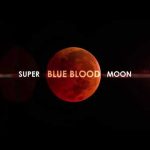
  • Jan. 31, 2018 Super Blue Blood Moon and Lunar Eclipse

    Jan. 31, 2018 Super Blue Blood Moon and Lunar Eclipse

    January 31 brings a lunar trifecta: the super blue blood Moon! Starting at 5:30 a.m. Eastern, NASA TV will offer a livestream of the Moon. This full moon is the third in a series of “supermoons,” when the Moon is closer to Earth in its orbit — known as perigee — and about 14 percent brighter than usual. It’s the second full moon of the month, commonly known as a “blue moon.” The super blue moon will pass through Earth’s shadow to give viewers in the right location a total lunar eclipse. While the Moon is in the Earth’s shadow it will take on a reddish tint, known as a “blood moon.” More: https://www.nasa.gov/feature/super-blue-blood-moon-coming-jan-31

    Credit: NASA 360

    This video is available for download from NASA’s Image and Video Library: https://images.nasa.gov/details-NHQ_2018_0126_Jan.%2031,%202018%20Super%20Blue%20Blood%20Moon.html

  • Tim Peake: how to draw blood in space

    Tim Peake: how to draw blood in space

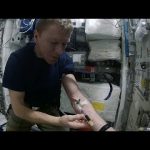
    ESA astronaut Tim Peake shows how to draw blood for research on the International Space Station. Researchers often request samples before, during and after a spaceflight to examine differences.

    The tubes of blood are put in a refrigerated centrifuge and then stored in the International Space Station’s –80°C freezer called MELFI for later analysis on Earth.

    Read more about the experiments Tim Peake took part in: http://www.esa.int/Our_Activities/Human_Spaceflight/Principia/Body_and_mind

  • Perfect Fake Blood – Easiest Recipe EVER – SICK Science! #230

    Perfect Fake Blood – Easiest Recipe EVER – SICK Science! #230

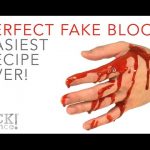
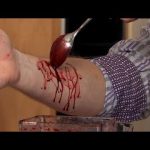
    This is hands down the BEST and easiest fake blood recipe out there. Our secret is the unique combination of Imperial powdered sugar and cocoa powder. The combination with red food coloring makes this the sickest BLENDER BLOOD you can make.

    Learn more about fake blood at http://www.stevespanglerscience.com/lab/experiments/fake-blood-recipes/

    Check out http://www.HalloweenScience.com for more spooky fun.

    Want more experiments like this? Check out http://www.stevespanglerscience.com/product/naked-eggs-and-flying-potatoes

    Sick Science® is a trademark of Steve Spangler, inc.

    © 2015 Steve Spangler Science all rights reserved

  • Homemade Fake Blood – Halloween Science

    Homemade Fake Blood – Halloween Science

    What would Halloween be without a few gallons of fake blood? There are lots of recipes floating around, but the biggest complaint is that the fake blood looks nothing like real blood. There’s a science to making realistic looking fake blood, but like any good scientist, it takes a little experimentation.

    About Steve Spangler…

    Steve Spangler is a celebrity teacher, science toy designer, speaker, author and an Emmy award-winning television personality. Spangler is probably best known for his Mentos and Diet Coke geyser experiment that went viral in. Spangler is the founder of www.SteveSpanglerScience.com, a Denver-based company specializing in the creation of science toys, classroom science demonstrations, teacher resources and home for Spangler’s popular science experiment archive and video collection. Spangler is a frequent guest on the Ellen DeGeneres Show and Denver 9 News where he takes classroom science experiments to the extreme. For teachers, parents or DIY Science ideas – check out other sources of learning:

    Join the Science Club and check out other cool science experiments at – http://www.SteveSpanglerScience.com

    Sign up to receive a FREE Experiment of the Week- http://www.stevespanglerscience.com/experiment-of-the-week

    Attend a Spangler Hands-on Science Workshop for Teachers – http://www.stevespanglerscience.com/training

    Watch Steve on Local and National Media Appearances on YouTube at: https://www.youtube.com/user/SpanglerScienceTV