NASA astronauts Nick Hague, Suni Williams, Butch Wilmore, and cosmonaut Aleksandr Gorbunov splashed down off the coast of Florida on March 18, concluding NASA’s SpaceX Crew-9 mission to the International Space Station.
Ever wonder what it’s like to see our planet from space? NASA’s astronauts will take you on a journey to the International Space Station, exploring the life-changing experience of an orbital perspective. View Earth as you’ve never seen it before: through the eyes of an astronaut.
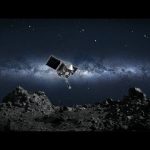
The OSIRIS-REx spacecraft is scheduled to touch down on the asteroid Bennu on October 20, 2020, for its first sample collection attempt. To kick off the second season of #EZScience, NASA associate administrator for science Dr. Thomas Zurbuchen and National Air and Space Museum director Dr. Ellen Stofan discuss this exciting and innovative mission to return samples from an asteroid to Earth and the scientific opportunities it opens up.
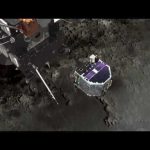
Visualisation of the deployment of the Philae lander from Rosetta at comet 67P/Churyumov-Gerasimenko in November 2014. Rosetta will come to within 2.5 km of the comet’s surface to deploy Philae, which will then take around 2 hours to reach the surface. Because of the comet’s extremely low gravity, a landing gear will absorb the small forces occurring during landing while ice screws in the probe’s feet and a harpoon system will lock the probe to the surface. At the same time a thruster on top of the lander will push it down to counteract the impulse of the harpoon imparted in the opposite direction. Once it is anchored to the comet, the lander will begin its primary science mission, based on its 64-hour initial battery lifetime. Then it will use solar cells to recharge and attempt to operate for several further weeks to months, depending on the activity of the comet and how quickly the solar cells are covered in dust.
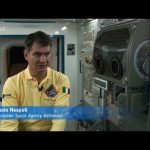
ESA’s Director of Human Spaceflight Simonetta Di Pippo together with ESA’s astronaut Paolo Nespoli introduce the MagISStra mission which is going to be launched in December 2010 from Baikonur Cosmodrome, Kazakhstan. This is the third six-month duration mission a European astronaut takes part to.