We are Europe’s gateway to space. Our mission is to shape the development of Europe’s space capability and ensure that investment in space continues to deliver benefits to the citizens of Europe and the world. Check out https://www.esa.int/ to get up to speed on everything space related.
In 2008, Thomas Pesquet applied to become an ESA astronaut. On 22 April 2021, he will fly his second mission to the International Space Station. In this video Thomas shares how he found his way to space, and encourages viewers to follow their passions as ESA seeks its next class of astronauts.
Nobody is perfect on their first attempt at a task, but Thomas says the only way to improve is to try and keep trying. Though becoming an astronaut seemed a distant dream when he was younger, by continuing to challenge himself and learn along the way he developed the skills he needed to put himself forward and become one of a small group who have travelled to space.
Whatever your passion, his advice is universal: try your best, and if you don’t succeed it doesn’t matter. What does matter is perseverance.
We are Europe’s gateway to space. Our mission is to shape the development of Europe’s space capability and ensure that investment in space continues to deliver benefits to the citizens of Europe and the world. Check out https://www.esa.int/ to get up to speed on everything space related.
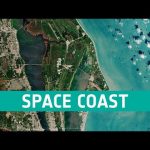
The Copernicus Sentinel-2 mission takes us over Cape Canaveral, USA, in a region known as the Space Coast, in this edition of the Earth from Space programme. From here, on 22 April 2021, ESA astronaut Thomas Pesquet is planned to return to the International Space Station for his second mission, Alpha.
We are Europe’s gateway to space. Our mission is to shape the development of Europe’s space capability and ensure that investment in space continues to deliver benefits to the citizens of Europe and the world. Check out https://www.esa.int/ to get up to speed on everything space related.
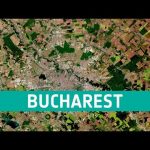
The Copernicus Sentinel-2 mission takes us over Bucharest – the capital and largest city of Romania, in this edition of the Earth from Space programme.
We are Europe’s gateway to space. Our mission is to shape the development of Europe’s space capability and ensure that investment in space continues to deliver benefits to the citizens of Europe and the world. Check out https://www.esa.int/ to get up to speed on everything space related.
The Copernicus Sentinel-2 mission takes us over part of the Amazon rainforest in the Amazonas – the largest state in Brazil, in this edition of the Earth from Space programme.
We are Europe’s gateway to space. Our mission is to shape the development of Europe’s space capability and ensure that investment in space continues to deliver benefits to the citizens of Europe and the world. Check out https://www.esa.int/ to get up to speed on everything space related.
It has been one year since the United States began its battle against the COVID-19 pandemic.
This year has been tough and has changed the way all of us live. And yet despite extraordinary circumstances, NASA still accomplished extraordinary things.
Aboard the International Space Station, NASA Astronauts Mike Hopkins and Victor Glover have a message for all of us: Take care of each other and we’ll get through this together.
We are Europe’s gateway to space. Our mission is to shape the development of Europe’s space capability and ensure that investment in space continues to deliver benefits to the citizens of Europe and the world. Check out https://www.esa.int/ to get up to speed on everything space related.
The Copernicus Sentinel-2 mission, takes us over the Galápagos Islands – a volcanic archipelago situated some 1000 km west of Ecuador in the Pacific Ocean, in this edition of the Earth from Space programme.
We are Europe’s gateway to space. Our mission is to shape the development of Europe’s space capability and ensure that investment in space continues to deliver benefits to the citizens of Europe and the world. Check out https://www.esa.int/ to get up to speed on everything space related.
We are Europe’s gateway to space. Our mission is to shape the development of Europe’s space capability and ensure that investment in space continues to deliver benefits to the citizens of Europe and the world. Check out https://www.esa.int/ to get up to speed on everything space related.
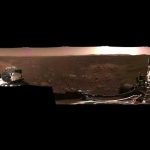
This panorama, taken on Feb. 20, 2021, by the Navigation Cameras, or Navcams, aboard NASA’s Perseverance Mars rover, was stitched together from six individual images after they were sent back to Earth.
A key objective for Perseverance’s mission on Mars is astrobiology, including the search for signs of ancient microbial life. The rover will characterize the planet’s geology and past climate, pave the way for human exploration of the Red Planet, and be the first mission to collect and cache Martian rock and regolith.
Subsequent missions, currently under consideration by NASA in cooperation with ESA (European Space Agency), would send spacecraft to Mars to collect these cached samples from the surface and return them to Earth for in-depth analysis.
The Mars 2020 Perseverance mission is part of NASA’s Moon to Mars exploration approach, which includes Artemis missions to the Moon that will help prepare for human exploration of the Red Planet.
NASA’s Jet Propulsion Laboratory in Southern California built and manages operations of the Mars 2020 Perseverance rover for NASA.
The Copernicus Sentinel-2 mission, takes us over the algal blooms swirling around the Pacific Ocean, just off the coast of Japan, in this edition of the Earth from Space programme.
We are Europe’s gateway to space. Our mission is to shape the development of Europe’s space capability and ensure that investment in space continues to deliver benefits to the citizens of Europe and the world. Check out https://www.esa.int/ to get up to speed on everything space related.
The Copernicus Sentinel-2 mission, ahead of World Wetlands Day, takes us over Lake Titicaca – one of the largest lakes in South America and a designated Ramsar site of International Importance – in this edition of the Earth from Space programme.
We are Europe’s gateway to space. Our mission is to shape the development of Europe’s space capability and ensure that investment in space continues to deliver benefits to the citizens of Europe and the world. Check out https://www.esa.int/ to get up to speed on everything space related.
It’s winter in the Northern Hemisphere on Earth, but we’re not the only place with ice and snow! From the frozen polar craters of Mercury to methane frost on the mountains of Pluto, enjoy season’s greetings from around the solar system.
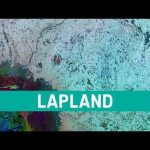
The Copernicus Sentinel-2 mission takes us to Lapland, the largest and northernmost region of Finland, just in time for Christmas, in the last edition of the Earth from Space programme for 2020.
We are Europe’s gateway to space. Our mission is to shape the development of Europe’s space capability and ensure that investment in space continues to deliver benefits to the citizens of Europe and the world. Check out https://www.esa.int/ to get up to speed on everything space related.
We are Europe’s gateway to space. Our mission is to shape the development of Europe’s space capability and ensure that investment in space continues to deliver benefits to the citizens of Europe and the world. Check out https://www.esa.int/ to get up to speed on everything space related.
We are Europe’s gateway to space. Our mission is to shape the development of Europe’s space capability and ensure that investment in space continues to deliver benefits to the citizens of Europe and the world. Check out https://www.esa.int/ to get up to speed on everything space related.
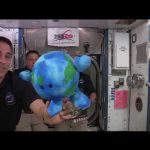
NASA astronauts Victor Glover, Michael Hopkins, Shannon Walker and JAXA (Japan Aerospace Exploration Agency) astronaut Soichi Noguchi take viewers on a tour of the SpaceX Crew Dragon Resilience spacecraft that will take them to their new home on orbit.
The SpaceX Falcon 9 rocket and Crew Dragon spacecraft successfully launched from Kennedy Space Center’s historic Launch Pad 39A at Nov. 15 at 7:27 p.m. EST (Nov. 16 at 12:27 a.m. UTC) with the astronauts aboard for a six-month mission to the International Space Station. Crew Dragon will perform a series of phasing maneuvers to gradually approach and autonomously dock with the International Space Station on Monday, Nov. 16, at approximately 11:00 p.m.. EST (Nov. 17 at 4:00 a.m. UTC).
The Copernicus Sentinel-2 mission takes us over Darmstadt, Germany, home to ESA’s European Space Operations Centre, in this week’s edition of the Earth from Space programme.
We are Europe’s gateway to space. Our mission is to shape the development of Europe’s space capability and ensure that investment in space continues to deliver benefits to the citizens of Europe and the world. Check out http://www.esa.int/ESA to get up to speed on everything space related.
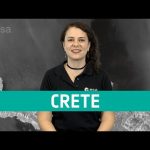
The Copernicus Sentinel-1 mission takes us over Crete, Greece’s largest and most populous island, in this week’s edition of the Earth from Space programme.
We are Europe’s gateway to space. Our mission is to shape the development of Europe’s space capability and ensure that investment in space continues to deliver benefits to the citizens of Europe and the world. Check out http://www.esa.int/ESA to get up to speed on everything space related.
We are Europe’s gateway to space. Our mission is to shape the development of Europe’s space capability and ensure that investment in space continues to deliver benefits to the citizens of Europe and the world. Check out http://www.esa.int/ESA to get up to speed on everything space related.
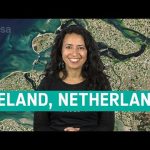
The Copernicus Sentinel-2 mission takes us over Zeeland – the westernmost province in the Netherlands, in this week’s edition of the Earth from Space programme.
We are Europe’s gateway to space. Our mission is to shape the development of Europe’s space capability and ensure that investment in space continues to deliver benefits to the citizens of Europe and the world. Check out http://www.esa.int/ESA to get up to speed on everything space related.
We are Europe’s gateway to space. Our mission is to shape the development of Europe’s space capability and ensure that investment in space continues to deliver benefits to the citizens of Europe and the world. Check out http://www.esa.int/ESA to get up to speed on everything space related.
The Copernicus Sentinel-2 mission takes us over New York City – the most populous city in the United States, in this week’s edition of the Earth from Space programme.
We are Europe’s gateway to space. Our mission is to shape the development of Europe’s space capability and ensure that investment in space continues to deliver benefits to the citizens of Europe and the world. Check out http://www.esa.int/ESA to get up to speed on everything space related.
The Copernicus Sentinel-2 mission takes us over the Tarawa Atoll in the Republic of Kiribati – a remote Pacific nation threatened by rising seas, in this week’s edition of the Earth from Space programme.
We are Europe’s gateway to space. Our mission is to shape the development of Europe’s space capability and ensure that investment in space continues to deliver benefits to the citizens of Europe and the world. Check out http://www.esa.int/ESA to get up to speed on everything space related.
The Copernicus Sentinel-2 mission takes us over the Vatnajökull ice cap, in southeast Iceland, in this week’s edition of the Earth from Space programme.
We are Europe’s gateway to space. Our mission is to shape the development of Europe’s space capability and ensure that investment in space continues to deliver benefits to the citizens of Europe and the world. Check out http://www.esa.int/ESA to get up to speed on everything space related.
The Copernicus Sentinel-1 mission takes us over the Amazon River meandering through one of the most vital ecosystems in the world – the Amazon rainforest in South America, in this week’s edition of the Earth from Space programme.
We are Europe’s gateway to space. Our mission is to shape the development of Europe’s space capability and ensure that investment in space continues to deliver benefits to the citizens of Europe and the world. Check out http://www.esa.int/ESA to get up to speed on everything space related.
The Copernicus Sentinel-2 mission takes us over the many colourful curves and folds of the Flinders Ranges – the largest mountain range in South Australia, in this week’s edition of the Earth from Space programme.
We are Europe’s gateway to space. Our mission is to shape the development of Europe’s space capability and ensure that investment in space continues to deliver benefits to the citizens of Europe and the world. Check out http://www.esa.int/ESA to get up to speed on everything space related.
This week’s edition of the Earth from Space programme features a radar image of the Falkland Islands (Islas Malvinas), captured by the Copernicus Sentinel-1 mission.
We are Europe’s gateway to space. Our mission is to shape the development of Europe’s space capability and ensure that investment in space continues to deliver benefits to the citizens of Europe and the world. Check out http://www.esa.int/ESA to get up to speed on everything space related.
Discovered in March 2020, Comet NEOWISE became visible to the naked eye in July, gifting observers in the northern hemisphere with one of the most scenic comets in over 20 years. The comet, which is on an almost parabolic orbit and had its closest approach to the Sun, or perihelion, in early July, reaches its closest point to Earth on 22–23 July, before zipping back towards the outer Solar System.
In this video, ESA Research Fellows Rachana Bhatawdekar and Sandor Kruk share their experience and explain how to observe and image the comet in the sky. Next, ESA Research Fellow Charlotte Götz tells us more about comets and their tails, and how ESA’s future Comet Interceptor mission, to be launched in 2028, is going to wait for such a ‘great’ comet that has not been discovered yet. The spacecraft will sit in a parking orbit around the Lagrange point L2, 1.5 million kilometres away from Earth, until an interesting ‘pristine’ comet visits the inner Solar System. It will then intersect the comet’s orbit to study its nucleus, gases, dust, and plasma environment.
Jump to the different segments of the video: 00:00 – 1:22 – How to see comet NEOWISE 1:23 – 2:42 – How to take a picture of comet NEOWISE 2:43 – 6:17 – Comets and Comet Interceptor
Image credits: Rachana Bhatawdekar, Sandor Kruk, Mark McCaughrean, Kai Noeske (2020) Thumbnail image: Courtesy Mark McCaughrean, 12 July 2020 (Wassenaar, The Netherlands)
★ Subscribe: http://bit.ly/ESAsubscribe and click twice on the bell button to receive our notifications.
We are Europe’s gateway to space. Our mission is to shape the development of Europe’s space capability and ensure that investment in space continues to deliver benefits to the citizens of Europe and the world. Check out http://www.esa.int/ESA to get up to speed on everything space related.
We are Europe’s gateway to space. Our mission is to shape the development of Europe’s space capability and ensure that investment in space continues to deliver benefits to the citizens of Europe and the world. Check out http://www.esa.int/ESA to get up to speed on everything space related.
How do we control a spacecraft from Earth and will satellites in space be autonomous one day soon? ESA mission control experts answer these questions and discuss the challenges of manoeuvring a mission from the ground in this episode of Meet the Experts.
* Erratum: the title of the last 3 speakers is ‘spacecraft engineer’ instead of ‘safecraft engineer’ as stated in the video.
We are Europe’s gateway to space. Our mission is to shape the development of Europe’s space capability and ensure that investment in space continues to deliver benefits to the citizens of Europe and the world. Check out http://www.esa.int/ESA to get up to speed on everything space related.
The Copernicus Sentinel-2 mission takes us with this false-colour image over part of the Andes mountains, in southern Peru, in this week’s edition of the Earth from Space programme.
We are Europe’s gateway to space. Our mission is to shape the development of Europe’s space capability and ensure that investment in space continues to deliver benefits to the citizens of Europe and the world. Check out http://www.esa.int/ESA to get up to speed on everything space related.
We are Europe’s gateway to space. Our mission is to shape the development of Europe’s space capability and ensure that investment in space continues to deliver benefits to the citizens of Europe and the world. Check out http://www.esa.int/ESA to get up to speed on everything space related.
We are Europe’s gateway to space. Our mission is to shape the development of Europe’s space capability and ensure that investment in space continues to deliver benefits to the citizens of Europe and the world. Check out http://www.esa.int/ESA to get up to speed on everything space related.
When NASA astronauts Robert Behnken and Douglas Hurley launched to the space station aboard SpaceX’s Dragon Endeavor spacecraft, the world was watching. They also took 90,000 people along for the ride in a mosaic of Earth that include photos of Class of 2020 graduates
In this video, the crew members talk to Benji Reed, the SpaceX Director of Crew Mission Management, before displaying the graduation mosaic to honor those who graduated this spring during the coronavirus pandemic
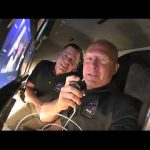
In this video, NASA astronauts Robert Behnken and Douglas Hurley speak to Mission Control in Houston from SpaceX’s Dragon Endeavour Spacecraft on May 31, just hours before they arrive at the International Space Station.
The SpaceX Falcon 9 rocket and Dragon spacecraft successfully launched from Kennedy Space Center’s historic Launch Pad 39A at 3:22 p.m. EDT on May 30 and arrived at the station’s Harmony port, docking at 10:16 a.m. EDT on May 31 while the spacecraft were flying about 262 miles above the northern border of China and Mongolia.
In this video, NASA astronauts Robert Behnken and Douglas Hurley take viewers on a tour of the SpaceX Crew Dragon spacecraft that will take them on a 19-hour-journey to their new home in orbit.
The SpaceX Falcon 9 rocket and Crew Dragon spacecraft successfully launched from Kennedy Space Center’s historic Launch Pad 39A at 3:22 p.m. EDT on May 30 with the astronauts aboard for a mission to the orbiting laboratory. Crew Dragon will perform a series of phasing maneuvers to gradually approach and autonomously dock with the International Space Station on Sunday, May 31, at approximately 10:29 a.m. EDT.
Earth observation satellites are guardians of our planet. Thanks to remote sensing technology and daily data collection, researchers are able to better monitor our planet’s oceans and rising sea levels from space. ESA senior advisor for Earth Observation programmes Jérôme Beneviste explains how ocean views from space play a role in climate change studies and natural catastrophe predictions.
We are Europe’s gateway to space. Our mission is to shape the development of Europe’s space capability and ensure that investment in space continues to deliver benefits to the citizens of Europe and the world. Check out http://www.esa.int/ESA to get up to speed on everything space related.
The Copernicus Sentinel-2 mission takes us over part of Abu Dhabi – one of the seven emirates that constitute the United Arab Emirates (UAE), in this week’s edition of the Earth from Space programme.
We are Europe’s gateway to space. Our mission is to shape the development of Europe’s space capability and ensure that investment in space continues to deliver benefits to the citizens of Europe and the world. Check out http://www.esa.int/ESA to get up to speed on everything space related.