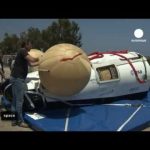
Having completed a short and flawless return from space, the Intermediate eXperimental Vehicle (IXV), Europe’s atmospheric reentry demonstrator, is now on its way to Europe for detailed analysis of its flight experience. The successful mission opens a new door for Europe in future space transportation.
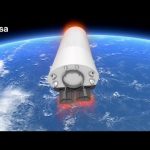
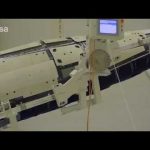
This time-lapse video shows IXV’s preparation, fairing encapsulation, transfer to the Vega mobile gantry and upper composite integration on the Vega launcher, at Europe’s Spaceport in Kourou, French Guiana, in January 2015. IXV will be launched 340 km into space on top of a Vega rocket, flight VV04, climbing to 412 km before beginning a long glide back through the atmosphere. During the flight, IXV will test the latest technologies and critical systems to help guide the design of future spaceplanes.
Soon, IXV, Europe’s Intermediate Experimental Vehicle, will be launched into space on a Vega launcher from Europe’s spaceport in Kourou, French Guiana. A short but crucial mission to advance Europe’s ambition to return autonomously from space.
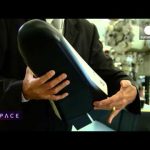
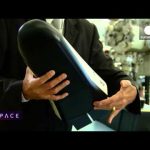
Re-entry is the make or break moment for spacecraft. It’s the time when satellites burn up and astronauts hold on for the ride of their lives. A new ESA spacecraft, called IXV Intermediate eXperimental Vehicle, will be launched into space in November 2014 in a bid to feed precious new data to engineers as they try to master the difficult transition between space and planet Earth. In this episode of Space, IXV programme manager Giorgio Tumino shows us around the spacecraft, while rarely-seen archive footage brings the heat, drama and danger of re-entry to life.
Subir até ao espaço é considerado normalmente o cerne da questão. Mas e o regresso à Terra? A reentrada na atmosfera é, na verdade, um dos maiores desafios da aventura espacial. Por isso, os europeus criaram uma nave chamada IXV que irá testar novas possibilidades precisamente no reencontro com o nosso planeta. É uma viagem única, até porque é impossível de recriar artificialmente a experiência. As aprendizagens têm sido feitas através de descidas efetivas. E é precisamente isso que a mais recente nave da Agência Espacial Europeia (ESA) vai fazer em novembro, como explica o coordenador de projeto, Giorgio Tumino: “O objetivo da missão do IXV é o de passar a controlar aquelas zonas cinzentas que desconhecemos acerca da reentrada atmosférica.”
Il rientro dallo spazio è pericoloso per le navicelle spaziali e i loro passeggeri. Una nuovo veicolo dell’ESA, la European Space Agency, chiamato “IXV”, sarà lanciato nello spazio a novembre per affrontare in modo diretto la sfida del rientro. Gli ingegneri vogliono dominare la difficile transizione tra lo spazio e il pianeta terra.
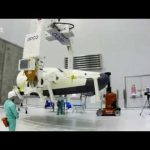
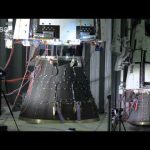
ESA’s Intermediate eXperimental Vehicle, IXV, is put to the test at ESA’s technical centre, ESTEC, in the Netherlands. During the actual flight, at an altitude of 320 km, a pyrotechnic device will fire to open a clamp band for springs to push IXV away from the upper stage. This test shows mission planners that it can withstand the mechanical shock of the pyrotechnic detonation, mimicking the moment the craft separates from the Vega rocket.
To be launched on Vega in early November 2014, IXV will test in flight the technologies and critical systems for Europe’s future automated re-entry vehicles returning from low orbit.
ESA’s Intermediate eXperimental Vehicle, IXV, is put to the test at ESA’s Technical Centre, ESTEC, in the Netherlands. It has to withstand extreme vibrations during liftoff, so the spacecraft is shaken at different frequencies and for various lengths of time to ensure its technical and structural integrity throughout the mission.
To be launched on Vega in early November 2014, IXV will test in flight the technologies and critical systems for Europe’s future automated re-entry vehicles returning from low orbit.
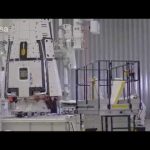
ESA’s Intermediate eXperimental Vehicle, IXV, is tilted and turned along and around all three axes at ESA’s Technical Centre, ESTEC, in the Netherlands to measure its centre of gravity and moments of inertia, because both influence its flying characteristics.
To be launched on Vega in early November 2014, IXV will flight-test the technologies and critical systems for Europe’s future automated reentry vehicles returning from low orbit.
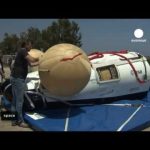
Nel mare di Sardegna, poco distante da Muravera in Costa Rei, è stato testato l’IXV, un nuovo veicolo spaziale europeo. La navicella è stata progettata per rientrare nell’atmosfera terrestre in modo più preciso rispetto alla Soyuz.
Durante il test l’Intermediate eXperimental Vehicle è stato sollevato da un elicottero e, a tremila metri di altitudine, è stato sganciato.
Dopo una prima parte di tragitto in caduta libera, la corsa della navetta verso il Mar Mediterraneo è stata frenata, come previsto, da un paracadute.
Ma qualcosa non ha funzionato. Nell’impatto con l’acqua non si sono aperti i dispositivi di galleggiamento che garantiscono stabilità all’IXV.
Secondo Giorgio Tumino e Roberto Angelini, i due manager che seguono il progetto, rispettivamente per ESA e per Thales Alenia Space, l’ammaraggio è stato talmente ‘morbido’ che i quattro palloni praticamente non se ne sono ‘accorti’. Per questo non si sono gonfiati.
Il primo lancio nello spazio dell’IXV, con conseguente rientro nell’orbita terrestre, è previsto per il 2014. Per quella data, garantiscono gli ingegneri, tutto sarà perfetto.
Το νεότερο διαστημόπλοιο της Ευρώπης έκανε για μια κρίσιμη δοκιμή στα ανοικτά των ακτών της Σαρδηνίας. Πρόκειται για το IXV, που υποβάλλεται σε ένα πείραμα που θα δοκιμάσει τα όρια του μηχανήματος.
Όπως εξηγεί ο Ρομπέρτο Αντζελίνι, διευθυντής του όλου προγράμματος, “ένα από τα πιο δύσκολα ζητήματα στις διαδικασίες στο διάστημα είναι η επανείσοδος στην ατμόσφαιρα”. Και ο συνάφελφός του Τζόρτζιο Τουμίνο προσθέτει “Αυτές οι δοκιμές είναι πολύ σημαντικές για να βεβαιωθούμε ότι έχουμε έναν στιβαρό σχεδιασμό για να αντέξει τις τελευταίες φάσεις μιας αποστολής”.
Σε κάθε του βήμα, το διαστημόπλοιο παρακολουθείται και γίνονται αναλύσεις. Η αποστολή καταλήγει με την προσθαλάσσωση, “κάτι που η Ευρώπη δεν έχει ξανακάνει ποτέ στο παρελθόν και για αυτό είναι ένα πολύ δύσκολο εγχείρημα”, όπως εξηγεί ο Αντζελίνι.
Ιταλοί στρατιώτες και μερικοί ανήσυχοι μηχανικοί, ειδικοί για τέτοιες διαστημικές αποστολές, βρίσκονται πάνω σε ένα σκάφος στις ακτές της Σαρδηνίας, εκεί όπου δοκιμάστηκε το νέο διαστημόπλοιο, που είναι γνωστό σαν IXV. Αφού πρώτα βεβαιώνονται οι υπεύθυνοι ότι δεν είναι κανένας στη θάλασσα σε όλη την έκταση της δοκιμής, ένα ελικόπτερο παίρνει από την στρατιωτική βάση το πρωτότυπο σκάφος και από ύψος 3.000 μέτρων το αφήνει να πέσει στο κενό.
Πολλές είναι οι φιλοδοξίες για αυτό το πρωτότυπο σκάφος, δεδομένου ότι αντιπροσωπεύει ένα νέο κεφάλαιο στην τεχνολογία των διαστημικών πτήσεων για τον Ευρωπαϊκό Οργανισμό Διαστήματος.
Ο σκοπός είναι να δημιουργηθεί ένα προσιτό, μικρό διαστημόπλοιο που θα μπορεί να εισέλθει στην τροχιά της Γης και στη συνέχεια να προσγειωθεί σε μια συγκεκριμένη στοχευμένη περιοχή.
Ένα βήμα προς αυτήν την κατεύθυνση είναι και το συγκεκριμένο πείραμα. Όμως το 2014 το διαστημόπλοιο IXV θα ξεκινήσει το ταξίδι του στο διάστημα και στη συνέχεια θα επανέλθει στην γήινη ατμόσφαιρα.
Σε αντίθεση όμως με τις κάψουλες που χρησιμοποιούνταν μέχρι τώρα για τις επανεισόδους στην ατμόσφαιρα, το IXV είναι πολύ πιο εύκολο να ελιχθεί.