Tag: meteor
-

Meteor or Shooting Star? Discovering the truth behind your wishes. ☄️ #shorts
Make a wish! 😉
The 30th June marks Asteroid Day, which aims to emphasise the importance of asteroids –their role in the formation of our solar system, their impact in space resources and the importance of defending our planet from future impacts. This year we are celebrating along with @UniversalPictures for the release of Wes Anderson’s new movie Asteroid City to bring you all the information you need to know about asteroids and how we protect our planet from them. #AsteroidCityxAsteroidDay #AsteroidDay2023
📹 @EuropeanSpaceAgency
★ Subscribe: http://bit.ly/ESAsubscribe and click twice on the bell button to receive our notifications.
Check out our full video catalog: http://bit.ly/SpaceInVideos
Follow us on Twitter: http://bit.ly/ESAonTwitter
On Facebook: http://bit.ly/ESAonFacebook
On Instagram: http://bit.ly/ESAonInstagram
On LinkedIn: https://bit.ly/ESAonLinkedIn
On Pinterest: https://bit.ly/ESAonPinterest
On Flickr: http://bit.ly/ESAonFlickrWe are Europe’s gateway to space. Our mission is to shape the development of Europe’s space capability and ensure that investment in space continues to deliver benefits to the citizens of Europe and the world. Check out https://www.esa.int/ to get up to speed on everything space related.
Copyright information about our videos is available here: https://www.esa.int/ESA_Multimedia/Terms_and_Conditions
#ESA
#ShootingStar
#AsteroidDay2023 -

How to watch a meteor shower ☄️ #shorts
Enjoy a meteor shower with our tips:
1. Allow your eyes to adjust to the dark.
2. Use a red flashlight to preserve night vision.
3. Wear warm clothes.
4. Lie on a deck chair or mattress.
5. Enjoy the cosmic show!★ Subscribe: http://bit.ly/ESAsubscribe and click twice on the bell button to receive our notifications.
Check out our full video catalog: http://bit.ly/SpaceInVideos
Follow us on Twitter: http://bit.ly/ESAonTwitter
On Facebook: http://bit.ly/ESAonFacebook
On Instagram: http://bit.ly/ESAonInstagram
On LinkedIn: https://bit.ly/ESAonLinkedIn
On Pinterest: https://bit.ly/ESAonPinterest
On Flickr: http://bit.ly/ESAonFlickrWe are Europe’s gateway to space. Our mission is to shape the development of Europe’s space capability and ensure that investment in space continues to deliver benefits to the citizens of Europe and the world. Check out https://www.esa.int/ to get up to speed on everything space related.
Copyright information about our videos is available here: https://www.esa.int/ESA_Multimedia/Terms_and_Conditions
#ESA
#HowTo
#MeteorShower -
Don’t Miss 2019’s Geminid Meteor Shower
This Friday, look up to the sky to catch one of the most prolific and reliable meteor showers of the year! The Geminid meteor shower will put on a dazzling display for sky watchers when it peaks Dec. 13 – 14. Despite the nearly-full Moon, you’ll be able to see around 20 to 30 meteors per hour. Plan ahead: https://go.nasa.gov/2t1lxR1.
-

Don’t Miss the Geminid Meteor Shower, Peaking on Dec. 13
The Geminid meteor shower will put on a dazzling show for skywatchers when it peaks overnight on Dec. 13-14, 2017. NASA will show a livestream of the Geminid shower beginning at 9 p.m. EST (10 p.m. Central) on Dec. 13, from the Automated Lunar and Meteor Observatory at NASA’s Marshall Space Flight Center in Huntsville, Alabama.
-
Perseid meteor shower on NASA TV
On August 12, meteor experts from NASA’s Marshall Space Flight Center provided commentary during NASA Television’s live coverage of the annual Perseid meteor shower. The Perseids have been observed for at least 2,000 years and are associated with the comet Swift-Tuttle, which orbits the sun once every 133 years. Every August, the Earth passes through a cloud of the comet’s debris. This debris field consists of bits of ice and dust — most over 1,000 years old — and burns up in Earth’s atmosphere to create one of the best meteor showers of the year.
-
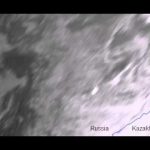
Satellite sees Russian meteor explosion from space
The meteor that exploded over the Urals of central Russia was seen by Eumetsat’s Meteosat-9, at the edge of the satellite view. Hundreds of people were reportedly injured as the meteor’s massive sonic boom caused widespread damage.
Credit: Eumetsat