Tag: OpsSat

  • OPS-SAT: ESA’s flying lab, open to all

    OPS-SAT: ESA’s flying lab, open to all

    What would you do with a powerful computer based in space? At just 30 cm in height, OPS-SAT is a tiny CubeSat designed to serve as a large-scale software laboratory in orbit – containing one of the most powerful flight computers ever flown – to test innovative control software from teams all over Europe. Anyone can apply to try out their software aboard OPS-SAT, from companies to research teams to computer clubs, linking directly from the internet. The small satellite packs in a high-resolution camera, radio antennas, optical receiver, reaction wheels and GPS. OPS-SAT can be rebooted if any experimental software crashes, allowing otherwise risky inflight testing as a way to make space smarter.

    ★ Subscribe: http://bit.ly/ESAsubscribe and click twice on the bell button to receive our notifications.

    Check out our full video catalog: http://bit.ly/SpaceInVideos
    Follow us on Twitter: http://bit.ly/ESAonTwitter
    On Facebook: http://bit.ly/ESAonFacebook
    On Instagram: http://bit.ly/ESAonInstagram
    On Flickr: http://bit.ly/ESAonFlickr

    We are Europe’s gateway to space. Our mission is to shape the development of Europe’s space capability and ensure that investment in space continues to deliver benefits to the citizens of Europe and the world. Check out http://www.esa.int/ESA to get up to speed on everything space related.

    Copyright information about our videos is available here: http://www.esa.int/spaceinvideos/Terms_and_Conditions

    #ESA
    #OPSSAT
    #Satellite
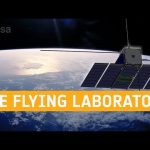
  • OPS-SAT: the flying laboratory

    OPS-SAT: the flying laboratory

    On 17 December, ESA will launch a first-of-its-kind space laboratory, OPS-SAT. The small, low-cost test satellite has been specifically designed for operational experiments in space, and includes the most powerful flight computer on board any current ESA spacecraft.

    Consumer electronics have gone through a revolution over the last 30 years with computers becoming ever faster, smaller and better. But when it comes to million- or even billion-euro satellites, their onboard hardware and software have not seen this revolution because of the risks of testing new technology in flight.

    As spacecraft managers dare to fly only tried-and-tested hard and software in the harsh conditions of space, innovation on the operational side of satellites is a very slow-moving process. This is where OPS-SAT steps in, bringing down the barriers to spacecraft operations it provides a chance to safely test out new mission control techniques.

    Anyone can apply to become an ‘experimenter’ and test their innovative software and new mission operations techniques in space. Proving technology for future missions and paving the way for satellites to further evolve with minimum risk, OPS-SAT will be launched with ESA’s Cheops satellite from Europe’s Spaceport in Kourou, French Guiana.

    ★ Subscribe: http://bit.ly/ESAsubscribe and click twice on the bell button to receive our notifications.

    Check out our full video catalog: http://bit.ly/SpaceInVideos
    Follow us on Twitter: http://bit.ly/ESAonTwitter
    On Facebook: http://bit.ly/ESAonFacebook
    On Instagram: http://bit.ly/ESAonInstagram
    On Flickr: http://bit.ly/ESAonFlickr

    We are Europe’s gateway to space. Our mission is to shape the development of Europe’s space capability and ensure that investment in space continues to deliver benefits to the citizens of Europe and the world. Check out http://www.esa.int/ESA to get up to speed on everything space related.

    Copyright information about our videos is available here: http://www.esa.int/spaceinvideos/Terms_and_Conditions

    #ESA
    #OPSSAT
    #Satellite