Tag: Satellite navigation

  • ESA 2025: A fifty-years legacy of building the future

    ESA 2025: A fifty-years legacy of building the future

    In 1975, 10 European countries came together with a vision to collaborate on key space activities: science and astronomy, launch capabilities and space applications: the European Space Agency, ESA, was born.

    In 2025, we mark half a century of joint European achievement – filled with firsts and breakthroughs in science, exploration and technology, and the space infrastructure and economy that power Europe today.

    During the past five decades ESA has grown, developing ever bolder and bigger projects and adding more Member States, with Slovenia joining as the latest full Member State in January.

    We’ll also celebrate the 50th anniversary of ESA’s Estrack network, 30 years of satellite navigation in Europe and 20 years since ESA launched the first demonstration satellite Giove-A which laid the foundation for the EU’s own satnav constellation Galileo. Other notable celebrations are the 20th anniversary of ESA’s Business Incubation Centres, or BICs, and the 30th year in space for SOHO, the joint ESA and NASA Solar and Heliospheric Observatory.

    Sadly though, 2025 will mean end of science operations for Integral and Gaia. Integral, ESA’s gamma-ray observatory has exotic objects in space since 2002 and Gaia concludes a decade of mapping the stars. But as some space telescopes retire, another one provides its first full data release. Launched in 2023, we expect Euclid’s data release early in the new year.

    Launch-wise, we’re looking forward to Copernicus Sentinel-4 and -5 (Sentinel-4 will fly on an MTG-sounder satellite and Sentinel-5 on the MetOp-SG-A1 satellite), Copernicus Sentinel-1D, Sentinel-6B and Biomass. We’ll also launch the SMILE mission, or Solar wind Magnetosphere Ionosphere Link Explorer, a joint mission with the Chinese academy of science.

    The most powerful version of Europe’s new heavy-lift rocket, Ariane 6, is set to fly operationally for the first time in 2025. With several European commercial launcher companies planning to conduct their first orbital launches in 2025 too, ESA is kicking off the European Launcher Challenge to support the further development of European space transportation industry.

    In human spaceflight, Polish ESA project astronaut Sławosz Uznański will fly to the ISS on the commercial Axiom-4 mission. Artemis II will be launched with the second European Service Module, on the first crewed mission around the Moon since 1972.

    The year that ESA looks back on a half century of European achievement will also be one of key decisions on our future. At the Ministerial Council towards the end of 2025, our Member States will convene to ensure that Europe’s crucial needs, ambitions and the dreams that unite us in space become reality.

    So, in 2025, we’ll celebrate the legacy of those who came before but also help establish a foundation for the next 50 years. Join us as we look forward to a year that honours ESA’s legacy and promises new milestones in space.

    Credits: ESA – European Space Agency

    ★ Subscribe: http://bit.ly/ESAsubscribe and click twice on the bell button to receive our notifications.

    Check out our full video catalog: http://bit.ly/SpaceInVideos
    Follow us on Twitter: http://bit.ly/ESAonTwitter
    On Facebook: http://bit.ly/ESAonFacebook
    On Instagram: http://bit.ly/ESAonInstagram
    On LinkedIn: https://bit.ly/ESAonLinkedIn
    On Pinterest: https://bit.ly/ESAonPinterest
    On Flickr: http://bit.ly/ESAonFlickr

    We are Europe’s gateway to space. Our mission is to shape the development of Europe’s space capability and ensure that investment in space continues to deliver benefits to the citizens of Europe and the world. Check out https://www.esa.int/ to get up to speed on everything space related.

    Copyright information about our videos is available here: https://www.esa.int/ESA_Multimedia/Terms_and_Conditions

    #ESA #2025 #Space
  • Saying goodbye to Galileo 1st Generation

    Saying goodbye to Galileo 1st Generation

    Galileo is Europe’s largest satellite constellation – and the world’s most accurate satnav system. The work on Galileo began two decades ago with two test GIOVE satellites, followed by a series of operational launches.

    The two GIOVE satellites, the first Galileo In-Orbit Validation satellite and all 34 Galileo Full Operational Capability satellites were tested at ESA’s ESTEC Test Centre, Europe’s largest satellite testing facility.

    On this day the very last satellite in the Galileo First Generation series leaves the site, and the people responsible for readying them for space have gathered to say goodbye. Next will come the Galileo Second Generation satellites, already in development.

    Galileo is managed and funded by the European Union. The @EuropeanCommission, ESA and EUSPA (the EU Agency for the Space Programme) have signed an agreement by which ESA acts as design authority and system development prime on behalf of the Commission and EUSPA as the exploitation and operation manager of Galileo/EGNOS.
    ★ Subscribe: http://bit.ly/ESAsubscribe and click twice on the bell button to receive our notifications.

    Check out our full video catalog: http://bit.ly/SpaceInVideos
    Follow us on Twitter: http://bit.ly/ESAonTwitter
    On Facebook: http://bit.ly/ESAonFacebook
    On Instagram: http://bit.ly/ESAonInstagram
    On LinkedIn: https://bit.ly/ESAonLinkedIn
    On Pinterest: https://bit.ly/ESAonPinterest
    On Flickr: http://bit.ly/ESAonFlickr

    We are Europe’s gateway to space. Our mission is to shape the development of Europe’s space capability and ensure that investment in space continues to deliver benefits to the citizens of Europe and the world. Check out https://www.esa.int/ to get up to speed on everything space related.

    Copyright information about our videos is available here: https://www.esa.int/ESA_Multimedia/Terms_and_Conditions

    #ESA
    #Galileo
    #SatelliteNavigation

  • Galileo: en route to full operational capability

    Galileo: en route to full operational capability

    Soon another pair of Galileo satellites will be launched on top of a Soyuz from Europe spaceport in French Guiana. These satellites are the first of the so-called ‘Batch 3’, comprising of 12 additional first-generation Galileo satellites commissioned in 2017 to bring the constellation to full operational capability. They will be used to further expand the constellation up to 38 satellites and act as backups and spares for satellites that reach their end-of-life.
    This 11th Galileo launch also marks the 10 year anniversary of the first launch of the Galileo operational satellites and the start of the construction of the constellation. Ten years later Galileo is the most accurate satellite navigation system in the world and available on every recent smartphone and device. It is also two decades since satellite navigation was first introduced as a completely new activity in the European space sector.

    Meanwhile ESA continues to ensure the future of the Galileo programme and European expertise in satellite navigation. For Galileo ESA has already commissioned a second generation of more powerful and flexible navigation satellites while new services are being developed to meet market demand.

    ★ Subscribe: http://bit.ly/ESAsubscribe and click twice on the bell button to receive our notifications.

    Check out our full video catalog: http://bit.ly/SpaceInVideos
    Follow us on Twitter: http://bit.ly/ESAonTwitter
    On Facebook: http://bit.ly/ESAonFacebook
    On Instagram: http://bit.ly/ESAonInstagram
    On LinkedIn: https://bit.ly/ESAonLinkedIn
    On Pinterest: https://bit.ly/ESAonPinterest
    On Flickr: http://bit.ly/ESAonFlickr

    We are Europe’s gateway to space. Our mission is to shape the development of Europe’s space capability and ensure that investment in space continues to deliver benefits to the citizens of Europe and the world. Check out https://www.esa.int/ to get up to speed on everything space related.

    Copyright information about our videos is available here: https://www.esa.int/ESA_Multimedia/Terms_and_Conditions

    #ESA
    #Galileo
    #SatelliteNavigation

  • Galileo: the first ten years

    Galileo: the first ten years

    Europe’s own satellite navigation system, Galileo, has become the world’s most precise, delivering metre-level accuracy, available anywhere on Earth. It is also saving lives, relaying distress calls for search and rescue. Today there are 26 Galileo satellites in orbit 23 222 km over our heads; the first of them were launched on 21 October 2011, with nine more launches in the following years. The satellites in space are supported by a globe-spanning ground segment. The system as a whole is set to grow, with the first of 12 ‘Batch 3’ about to join the current satellites in orbit and new ‘Galileo Second Generation’ satellites in development.

    Galileo has been financed by the EU and developed by ESA, with services delivered by EUSPA.

    ★ Subscribe: http://bit.ly/ESAsubscribe and click twice on the bell button to receive our notifications.

    Check out our full video catalog: http://bit.ly/SpaceInVideos
    Follow us on Twitter: http://bit.ly/ESAonTwitter
    On Facebook: http://bit.ly/ESAonFacebook
    On Instagram: http://bit.ly/ESAonInstagram
    On LinkedIn: https://bit.ly/ESAonLinkedIn
    On Pinterest: https://bit.ly/ESAonPinterest
    On Flickr: http://bit.ly/ESAonFlickr

    We are Europe’s gateway to space. Our mission is to shape the development of Europe’s space capability and ensure that investment in space continues to deliver benefits to the citizens of Europe and the world. Check out https://www.esa.int/ to get up to speed on everything space related.

    Copyright information about our videos is available here: https://www.esa.int/ESA_Multimedia/Terms_and_Conditions

    #ESA
    #Galileo
    #SatelliteNavigation

  • Galileo: finding our way

    Galileo: finding our way

    More than two billion smartphones, with users worldwide are now making use of Europe’s Galileo navigation satellite constellation. But how do satellites thousands of kilometres away in space manage to tell you where you are and where you’re going? Simply being so far away is part of the answer – learn the details of the world’s most precise navigation system in this new video.

    ★ Subscribe: http://bit.ly/ESAsubscribe and click twice on the bell button to receive our notifications.

    Check out our full video catalog: http://bit.ly/SpaceInVideos
    Follow us on Twitter: http://bit.ly/ESAonTwitter
    On Facebook: http://bit.ly/ESAonFacebook
    On Instagram: http://bit.ly/ESAonInstagram
    On Flickr: http://bit.ly/ESAonFlickr

    We are Europe’s gateway to space. Our mission is to shape the development of Europe’s space capability and ensure that investment in space continues to deliver benefits to the citizens of Europe and the world. Check out https://www.esa.int/ to get up to speed on everything space related.

    Copyright information about our videos is available here: https://www.esa.int/ESA_Multimedia/Terms_and_Conditions

    #ESA
    #Galileo
    #SatelliteNavigation

  • Satellite Navigation | Meet the experts

    Satellite Navigation | Meet the experts

    Satellite navigation is a big part of our daily lives. How do our phones and cars know where to go? Nicola de Quattro, head of engineering and innovation at Vitrociset Belgium, explains how sat nav works along with its present and future applications in this episode of Meet the Experts.

    Learn more: http://bit.ly/ExpeditionHome12_18YearsOld

    ★ Subscribe: http://bit.ly/ESAsubscribe and click twice on the bell button to receive our notifications.

    Check out our full video catalog: http://bit.ly/SpaceInVideos
    Follow us on Twitter: http://bit.ly/ESAonTwitter
    On Facebook: http://bit.ly/ESAonFacebook
    On Instagram: http://bit.ly/ESAonInstagram
    On Flickr: http://bit.ly/ESAonFlickr

    We are Europe’s gateway to space. Our mission is to shape the development of Europe’s space capability and ensure that investment in space continues to deliver benefits to the citizens of Europe and the world. Check out http://www.esa.int/ESA to get up to speed on everything space related.

    Copyright information about our videos is available here: http://www.esa.int/spaceinvideos/Terms_and_Conditions

    #ESA
    #MeetTheExperts
    #ExpeditionHome

  • ESAIL maritime microsatellite

    ESAIL maritime microsatellite

    Soon a Vega will launch from Kourou carrying a payload of several satellites. These will be delivered into orbit by a new multi-payload system developed by ESA. Among these small satellites, E-SAIL. This microsatellite is dedicated to supporting maritime traffic and making seafaring safer. It is part of ESA’s SAT-AIS programme, which aims is to increase the coverage of the Automatic Identification System for ships. This system is a short-range coastal tracking system currently used on ships that makes traffic safer but which has a limited range. With microsatellites from the SAT-AIS programme such as E-SAIL maritime shipping can be made safer across the oceans.

    ★ Subscribe: http://bit.ly/ESAsubscribe and click twice on the bell button to receive our notifications.

    Check out our full video catalog: http://bit.ly/SpaceInVideos
    Follow us on Twitter: http://bit.ly/ESAonTwitter
    On Facebook: http://bit.ly/ESAonFacebook
    On Instagram: http://bit.ly/ESAonInstagram
    On Flickr: http://bit.ly/ESAonFlickr

    We are Europe’s gateway to space. Our mission is to shape the development of Europe’s space capability and ensure that investment in space continues to deliver benefits to the citizens of Europe and the world. Check out http://www.esa.int/ESA to get up to speed on everything space related.

    Copyright information about our videos is available here: http://www.esa.int/spaceinvideos/Terms_and_Conditions

    #ESA
    #ESAIL
    #SatNav

  • Galileo coverage

    Galileo coverage

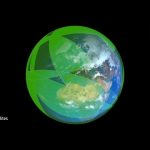
    Europe’s Galileo satellite navigation system has entered its initial operational phase, offering positioning, velocity and timing services to suitably equipped users worldwide. It takes a minimum of four Galileo satellites to be visible in the local sky to fix a receiver’s position. This animation shows how service availability increases as the overall number of satellites in the Galileo constellation goes up.

    Read more about Galileo’s Initial Service:
    http://www.esa.int/Our_Activities/Navigation/Galileo_begins_serving_the_globe

  • ESA Euronews: EGNOS – navigation and security

    ESA Euronews: EGNOS – navigation and security

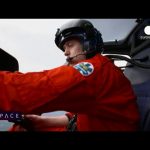
    At the Danish Air Ambulance base in Billund, satellite navigation is a true lifesaver in the sky.

    The air ambulance service, operated by the Norwegian Air Ambulance in Denmark, is among the first to use a new European satellite system, EGNOS, that makes it safer to fly in low visibility.

    More about EGNOS:
    http://www.esa.int/Our_Activities/Navigation/The_present_-_EGNOS/What_is_EGNOS

    This video is also available in the following languages:
    French: https://youtu.be/JieHXRiy7HQ
    German: https://youtu.be/b9KpTz_goPI
    Spanish: https://youtu.be/W9vBQIUk9OI
    Portuguese: https://youtu.be/K-f1l040IAo
    Italian: https://youtu.be/rOX0jMx2nYQ
    Hungarian: https://youtu.be/Z5IrvJh5SZU
    Greek: https://youtu.be/-A3dA0IlFhw

  • ESA Euronews: la Navegación por Satélite

    ESA Euronews: la Navegación por Satélite

    En nuestros días el GPS es una herramienta muy útil. Los europeos han querido afinar su pecisión desarrollando el sistema EGNOS, precursor de la Constelación Galileo. En esta edición de “Space” podrá descubrir cómo funciona la navegación por satélite y sus aplicaciones.

  • ESA Euronews: La navigazione satellitare

    ESA Euronews: La navigazione satellitare

    Ai giorni nostri il GPS è uno strumento familiare e molto utile. Gli europei hanno voluto perfezionare la sua precisione sviluppando il sistema EGNOS, precursore della costellazione Galileo. La navigazione satellitare e le sue applicazioni in questa edizione di Space.

  • ESA Euronews: Satelliten-Navigation

    ESA Euronews: Satelliten-Navigation

    Heutzutage ist das GPS ein sehr nützliches Werkzeug, das aus dem Alltag nicht mehr wegzudenken ist. Mit dem System Egnos, Vorreiter der Satelliten-Konstellation Galileo, wollen die Europäer seine Treffsicherheit erhöhen. Die Satelliten-Navigation und ihre Anwendungen in dieser Ausgabe von “Space”.

  • ESA Euronews: Navigation by satellite

    ESA Euronews: Navigation by satellite

    Today GPS is a common and extremely useful tool. Europeans wanted to refine its accuracy by developing EGNOS, the precursor of the Galileo constellation.
    We look at satellite navigation and its applications.