Tag: Satellite (Rocket Function)

  • ESA Euronews: Gol via satellite

    ESA Euronews: Gol via satellite

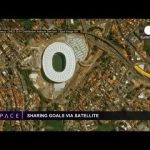
    I Mondiali di calcio sono in corso e milioni le immagini dal Brasile arriveranno in tutto il mondo grazie alla tecnologia spaziale. Migliaia di fan vi assisteranno personalmente, ma si stima che più di 3,2 miliardi di persone (ovvero quasi la metà della popolazione del pianeta) ne seguiranno almeno una parte in tv. La Coppa del Mondo viene diffusa con quella che gli operatori satellitari come SES, qui in Lussemburgo, chiamano trasmissione per ‘uso occasionale’. Si tratta della banda supplementare adibita alla copertura di eventi speciali in diretta. Ed è uno spazio molto affollato. “Indipendentemente da quale sia la tecnologia usata nelle case per ricevere la tv” afferma Xavier Lobao, dell’ESA “si utilizzano i satelliti.”

    Credits: ESA/Euronews
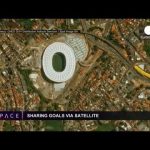
  • ESA Euronews: Partilhando golos via satélite

    ESA Euronews: Partilhando golos via satélite

    Com a chegada do Mundial o planeta irá recorrer à tecnologia espacial para reproduzir os acontecimentos em direto, a partir do Brasil. Milhares de adeptos testemunharão o evento ao vivo, mas são muitos mais os que irão assistir a tudo através da televisão. Estima-se que mais de 3,2 mil milhões de pessoas acompanhem a cobertura televisiva – quase metade da população do planeta terra. O Campeonato do Mundo é transmitido através do que os operadores de satélite chamam de transmissão de “uso ocasional.” É esse o nome para largura de banda alocada juntamente com transmissões regulares para cobrir eventos especiais em direto. O período de duração do Mundial será atarefado. “Independentemente da tecnologia usada nas casas para receber sinal de televisão, os satélites serão utilizados”, sublinha Xavier Lobao, chefe de Projetos de Telecomunicações Futuras na Agência Espacial Europeia.

    Credits: ESA/Euronews

  • Galileo works, and works well

    Galileo works, and works well

    How far has Europe’s Galileo satellite navigation system progressed?

    Watch this video summary of Galileo’s In-Orbit Validation phase milestones to find out, and learn what happens next.

  • Onboard camera view: launch and separation of Sentinel-1A

    Onboard camera view: launch and separation of Sentinel-1A

    Cameras mounted on the Soyuz Fregat upper stage that sent Sentinel-1A into space on 3 April 2014 captured this superb footage. It shows liftoff, the various stages in the rocket’s ascent and the Sentinel-1A satellite being released from the Fregat upper stage to start its life in orbit around Earth.

    The 2.3 tonne satellite lifted off on a Soyuz rocket from Europe’s Spaceport in Kourou, French Guiana at 21:02 GMT (23:02 CEST). The first stage separated 118 sec later, followed by the fairing (209 sec), stage 2 (287 sec) and the upper assembly (526 sec). After a 617 sec burn, the Fregat upper stage delivered Sentinel into a Sun-synchronous orbit at 693 km altitude. The satellite separated from the upper stage 23 min 24 sec after liftoff.

    Sentinel-1 is the first in the family of satellites for Europe’s Copernicus programme. It carries an advanced radar to scan Earth’s surface in all weather conditions and regardless of whether it is day or night. This new mission will be used to care for many aspects of our environment, from detecting and tracking oil spills and mapping sea ice to monitoring movement in land surfaces and mapping changes in the way land is used.

  • Why we need radar satellites

    Why we need radar satellites

    The launch of the first Sentinel-1 satellite marks a new paradigm in Earth observation focusing on operational missions to support users for decades to come. This first satellite for Europe’s environmental monitoring Copernicus programme carries an advanced radar to image Earth’s surface no matter what the weather or if it is day or night. Olaf Trieschmann from the European Maritime Safety Agency talks about the need for radar satellites and how data from Sentinel-1 will be used to monitor oil spills and for maritime surveillance. ESA’s Josef Aschbacher talks about how the wide range of services offered through Copernicus will make a step change in the way we manage the environment.

    Credit: ESA/EMSA/European Parliament/DLR/ATG medialab/Funnelweb

  • Swarm: Understanding our life saver

    Swarm: Understanding our life saver

    Earth’s magnetic field is our life saver, protecting us from the energetic solar wind. The Swarm satellites will measure Earth’s magnetic field to allow us to understand it for a safer future.