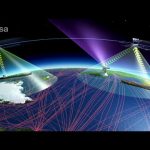
At sea, space technology is used to help save lives every day: managing traffic between ships, picking up migrants and refugees in distress or spotting oil spills. The European Space Agency is once again at the forefront developing new technologies and satellites: to keep us safe at sea and to monitor the environment. Space makes a difference here on Earth and certainly at sea where there is no infrastructure.
Tag: Telecommunications (Industry)
-
Making space work for you
The European Space Agency’s ARTES programme for Advanced Research in Telecommunications Systems, helps to create products, services and infrastructures that benefit millions of people worldwide and make a major contribution to the European economy.
The economic engine of the space industry is satellite communications, generating over $140 billion a year in global revenues. The ARTES programme exists to support innovation, helping to transform research and development into commercial products and services.
ESA’s telecom programmes often take the form of public–private partnerships. ESA joins forces with industry to share the cost and risk, resulting in faster and more innovative technological advances than if either undertook the project alone.
The most recent high-profile telecom programmes are Alphasat, the largest European telecom satellite ever built and the European Data Relay System, a groundbreaking space and ground infrastructure that uses laser links to send data at unprecedented speeds.
ARTES also promotes the use of satellites in new and imaginative ways. Satellite communications can be applied in areas as diverse as healthcare, education, transport and security to deliver services and improve daily life.
-
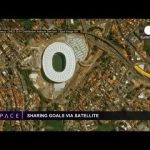
ESA Euronews: Gol via satellite
I Mondiali di calcio sono in corso e milioni le immagini dal Brasile arriveranno in tutto il mondo grazie alla tecnologia spaziale. Migliaia di fan vi assisteranno personalmente, ma si stima che più di 3,2 miliardi di persone (ovvero quasi la metà della popolazione del pianeta) ne seguiranno almeno una parte in tv. La Coppa del Mondo viene diffusa con quella che gli operatori satellitari come SES, qui in Lussemburgo, chiamano trasmissione per ‘uso occasionale’. Si tratta della banda supplementare adibita alla copertura di eventi speciali in diretta. Ed è uno spazio molto affollato. “Indipendentemente da quale sia la tecnologia usata nelle case per ricevere la tv” afferma Xavier Lobao, dell’ESA “si utilizzano i satelliti.”
Credits: ESA/Euronews