Larsen-C crack

Larsen-C crack
0
(0)

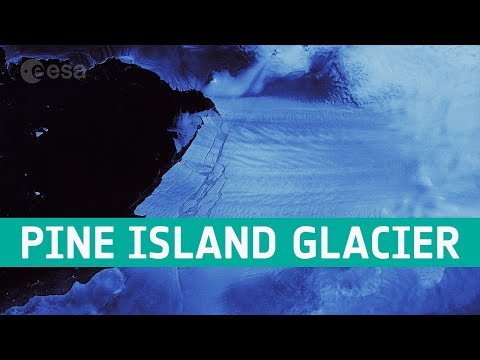
The Copernicus Sentinel-1 satellite mission is monitoring the growing crack in Antarctica’s Larsen-C ice shelf. When the ice shelf breaks off or ‘calves’, it will create one of the largest icebergs ever recorded – but exactly how long this will take is difficult to predict.

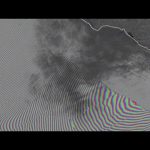
This animation demonstrates how scientists analyse radar data from Sentinel-1 to monitor the crack. This includes combining radar images to create an ‘interferogram’. Learn more: http://www.esa.int/spaceinimages/Images/2017/04/Larsen-C_crack_interferogram

Credits: contains modified Copernicus Sentinel data (2017), processed by A. Hogg/CPOM/Priestly Centre, CC BY-SA 3.0 IGO
Similar Posts:

How useful was this post?

Click on a star to rate it!

Average rating 0 / 5. Vote count: 0

No votes so far! Be the first to rate this post.

As you found this post useful…

Follow us on social media!

We are sorry that this post was not useful for you!

Let us improve this post!

Tell us how we can improve this post?

Comments

9 responses to “Larsen-C crack”

  1. Well done. Great information.I wish more people would take time and at the least attempt to understand what is really happing to our world.

  2. ha satelite image more like edited google maps

  3. Thank you now we can't say we didn't see it coming. Great information video I hope everyone likes and share

  4. Please someone answer me something, now with decision of 2 cosmonauts only on board the station, why not a japanese and and european astronauts at the same time ?

  5. so sad. our world is changing so fast because of climate change.

  6. Amazing observations. So it's due to a warming of air and sea water?
    Thanks for sharing all this science.

  7. When it does break off will it cause a tsunami wave?

  8. Thank you for explaining this crack in the Antarctic. Taxidermist going to have a heart attack when he sees the size of that iceberg!

Leave a Reply

Your email address will not be published. Required fields are marked *