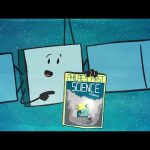
Comets are small objects of loosely packed ice and dust. Sometimes oddly shaped, they can tell us much about the formation of our Solar System. Cometary scientist Charlotte Götz discusses comets, their formation and their study in this week’s episode of Meet the Experts.
We are Europe’s gateway to space. Our mission is to shape the development of Europe’s space capability and ensure that investment in space continues to deliver benefits to the citizens of Europe and the world. Check out http://www.esa.int/ESA to get up to speed on everything space related.
Have burning questions about asteroids? Our experts have answers!
(Spoiler Alert: none of them will hit Earth.)
Our solar system is littered with asteroids and comets and sometimes they get a little close to Earth. When an asteroid or comet looks like it could come near our home planet, we keep close watch to warn of any potential impacts.
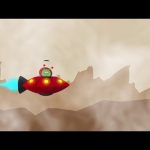
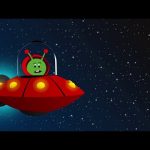
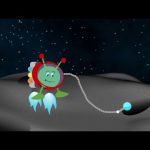
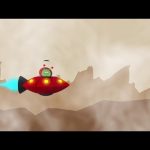
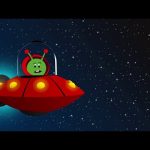
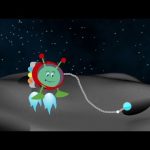
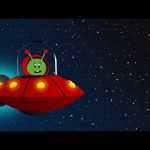
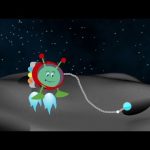
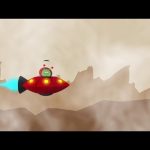
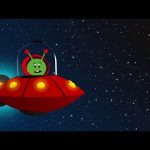
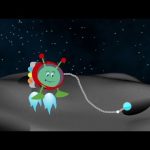
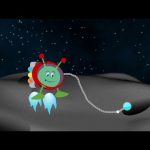
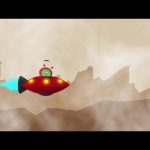
Watch the amazing cartoon adventures of Rosetta and Philae, now back-to-back in one special feature-length production.
Find out how Rosetta and Philae first got inspired to visit a comet, and follow them on their incredible ten-year journey through the Solar System to their destination, flying around planets and past asteroids along the way. Watch as Philae tries to land on the comet and deals with some unexpected challenges!
Learn about the fascinating observations that Rosetta made as she watched the comet change before her eyes as they got closer to the Sun and then further away again. Finally, wish Rosetta farewell, as she, too, finishes her amazing adventure on the surface of the comet. Keep watching for one last surprise!
Watch the amazing cartoon adventures of Rosetta and Philae, now back-to-back in one special feature-length production.
Find out how Rosetta and Philae first got inspired to visit a comet, and follow them on their incredible ten-year journey through the Solar System to their destination, flying around planets and past asteroids along the way. Watch as Philae tries to land on the comet and deals with some unexpected challenges!
Learn about the fascinating observations that Rosetta made as she watched the comet change before her eyes as they got closer to the Sun and then further away again. Finally, wish Rosetta farewell, as she, too, finishes her amazing adventure on the surface of the comet. Keep watching for one last surprise!
Watch the amazing cartoon adventures of Rosetta and Philae, now back-to-back in one special feature-length production.
Find out how Rosetta and Philae first got inspired to visit a comet, and follow them on their incredible ten-year journey through the Solar System to their destination, flying around planets and past asteroids along the way. Watch as Philae tries to land on the comet and deals with some unexpected challenges!
Learn about the fascinating observations that Rosetta made as she watched the comet change before her eyes as they got closer to the Sun and then further away again. Finally, wish Rosetta farewell, as she, too, finishes her amazing adventure on the surface of the comet. Keep watching for one last surprise!
Watch the amazing cartoon adventures of Rosetta and Philae, now back-to-back in one special feature-length production.
Find out how Rosetta and Philae first got inspired to visit a comet, and follow them on their incredible ten-year journey through the Solar System to their destination, flying around planets and past asteroids along the way. Watch as Philae tries to land on the comet and deals with some unexpected challenges!
Learn about the fascinating observations that Rosetta made as she watched the comet change before her eyes as they got closer to the Sun and then further away again. Finally, wish Rosetta farewell, as she, too, finishes her amazing adventure on the surface of the comet. Keep watching for one last surprise!
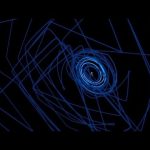
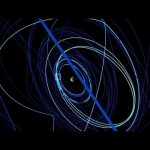
Animation visualising Rosetta’s trajectory around Comet 67P/Churyumov–Gerasimenko, from arrival to mission end.
The animation begins on 31 July 2014, during Rosetta’s final approach to the comet after its ten-year journey through space. The spacecraft arrived at a distance of 100 km on 6 August, from where it gradually approached the comet and entered initial mapping orbits that were needed to select a landing site for Philae. These observations also enabled the first comet science of the mission.The manoeuvres in the lead up to, during and after Philae’s release on 12 November are seen, before Rosetta settled into longer-term science orbits.
In February and March 2015 the spacecraft made several flybys. One of the closest triggered a ‘safe mode’ that forced it to retreat temporarily until it was safe to draw gradually closer again.
The comet’s increased activity in the lead up to and after perihelion in August 2015 meant that Rosetta remained well beyond 100 km for several months.In June 2015, contact was restored with Philae again – albeit temporary, with no permanent link able to be maintained, despite a series of dedicated trajectories flown by Rosetta for several weeks.
Following the closest approach to the Sun, Rosetta made a dayside far excursion some 1500 km from the comet, before re-approaching to closer orbits again, enabled by the reduction in the comet’s activity.
In March–April 2016 Rosetta went on another far excursion, this time on the night side, followed by a close flyby and orbits dedicated to a range of science observations.
In early August the spacecraft started flying elliptical orbits that brought it progressively closer to the comet. On 24 September Rosetta left its close, flyover orbits and switched into the start of a 16 x 23 km orbit that was used to prepare and line up for the final descent.
On the evening of 29 September Rosetta manoeuvred onto a collision course with the comet, beginning the final, slow descent from an altitude of 19 km. It collected scientific data throughout the descent and gently struck the surface at 10:39 GMT on 30 September in the Ma’at region on the comet’s ‘head’, concluding the mission.
The trajectory shown in this animation is created from real data, but the comet rotation is not. Distances are given with respect to the comet centre (except for the zero at the end to indicate completion), but may not necessarily follow the exact comet distance because of natural deviations from the comet’s gravity and outgassing. An arrow indicates the direction to the Sun as the camera viewpoint changes during the animation.
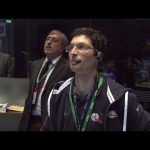
Inside the main control room at ESA’s operation centre as the Rosetta spacecraft sends its last signal from Comet 67P/Churyumov–Gerasimenko, confirming the end of the spacecraft’s 12.5 year journey in space.
On the last day of her incredible mission, Rosetta slowly descends to the surface of Comet 67P/Churyumov-Gerasimenko. After having sent her extraordinary data back home, she is ready to join Philae for a well deserved rest on the comet. But is there one last surprise in store?
On the last day of her incredible mission, Rosetta slowly descends to the surface of Comet 67P/Churyumov-Gerasimenko. After having sent her extraordinary data back home, she is ready to join Philae for a well deserved rest on the comet. But is there one last surprise in store?
On the last day of her incredible mission, Rosetta slowly descends to the surface of Comet 67P/Churyumov-Gerasimenko. After having sent her extraordinary data back home, she is ready to join Philae for a well deserved rest on the comet. But is there one last surprise in store?
On the last day of her incredible mission, Rosetta slowly descends to the surface of Comet 67P/Churyumov-Gerasimenko. After having sent her extraordinary data back home, she is ready to join Philae for a well deserved rest on the comet. But is there one last surprise in store?
Besides its scientific and operational successes, the Rosetta mission has captured the imagination of many people worldwide, stimulating them to produce art and music, and undertake other creative activities with friends and families. Many even made further education or career choices inspired by the mission.This video features a selection of contributions that were shared on the Rosetta Legacy tumblr in September 2016.
Rosetta revisits the exciting scientific discoveries she made during her time at Comet 67P/Churyumov-Gerasimenko, including the successful search to find Philae. Finally, she starts preparing to descend to the comet for the end of her extraordinary mission.
Animation visualising Rosetta’s two-year journey around Comet 67P/Churyumov–Gerasimenko.
The animation begins on 31 July 2014, during Rosetta’s final approach to the comet after its ten-year journey through space. The spacecraft arrived at a distance of 100 km on 6 August whereupon it gradually approached the comet and entered initial mapping orbits that were needed to select a landing site for Philae. These observations also enabled the first comet science of the mission. The manoeuvres in the lead up to, during and after Philae’s deployment on 12 November are seen, before Rosetta settled into longer-term science orbits.
In February and March 2015 the spacecraft made several flybys. One of the closest flybys triggered a ‘safe mode’ event that forced it to retreat temporarily until it was safe to gradually draw closer again. The comet’s increased activity in the lead up to and after perihelion in August 2015 meant that Rosetta remained well beyond 100 km distances for several months.
In June 2015, contact was restored with Philae again – albeit temporary, with no permanent link able to be maintained, despite a series of dedicated trajectories flown by Rosetta for several weeks.
Following perihelion, Rosetta performed a dayside far excursion some 1500 km from the comet, before re-approaching to closer orbits again, enabled by the reduction in the comet’s activity. In March–April 2016 Rosetta went on another far excursion, this time on the night side, followed by a close flyby and orbits dedicated to a range of science observations.
The animation finishes at 9 August 2016, before the details of the end of mission orbits were known. A visualisation of the trajectories leading to the final descent to the surface of the comet on 30 September will be provided once available.
The trajectory shown in this animation is created from real data, but the comet rotation is not. An arrow indicates the direction to the Sun as the camera viewpoint changes during the animation.
Rosetta describes the exciting discoveries she made during her second year at Comet 67P/Churyumov-Gerasimenko, after the comet made its closest approach to the Sun along its orbit. She also tells us about her efforts to contact Philae, and starts counting down to her own mission finale.
Följ med Paxi till utkanten av Solsystemet för att upptäcka en värld av kometer och lära dig om det fascinerande Rosetta-projektet till kometen 67P/Churyumov-Gerasimenko.
I den här videofilmen, som är avsedd för barn mellan 6 och 12 år, tar Paxi med sig barn för att utforska kometer och Rosetta, ESA:s fascinerande rymdfarkost som flyger sida vid sida med kometen 67P/Churyumov-Gerasimenko och ska försöka släppa ned en landningsenhet på kometen den 12 November 2014.
Den här videofilmen är den tredje i en serie av animationer i vilka Paxi, ESA:s utbildningsmaskot, berör olika aspekter av Solsystemet, Universum, planeten Jordens hemligheter och mycket mer.
Lär känna Paxi, ESA:s utbildningsmaskot. Var han kommer ifrån, varför han gillar rymdresor, vilka hans vänner är …
I den här videofilmen som är avsedd för barn mellan 6 och 12 år, introduceras Paxi, en liten rymdvarelse från planeten Ally-O, och som har kommit till Jorden för att träffa nya vänner och ta med barn på en äventyrlig upptäcktsresa i rymden. Det är den första i en serie av animationer i vilka Paxi, ESA:s utbildningsmaskot, berör olika aspekter av Solsystemet, Universum, planeten Jordens hemligheter och mycket mer.
Följ med Paxi på en resa genom vårt Solsystem. Från de steniga inre planeterna nära Solen och förbi de jättestora planeterna, ut till den iskalla utkanten där kometerna bor.
I den här videofilmen som är avsedd för barn mellan 6 och 12 år, tar Paxi med oss på en resa i vårt eget Solsystem där vi besöker alla åtta planeterna samt andra mindre himlakroppar såsom asteroider, kometer och dvärgplaneten Pluto. Den här videofilmen är den andra i en serie av animationer i vilka Paxi, ESA:s utbildningsmaskot, berör olika aspekter av Solsystemet, Universum, planeten Jordens hemligheter och mycket mer.
Acompanhe o Paxi numa viagem através do sistema solar, dos planetas rochosos interiores próximos do Sol, passando pelos planetas gigantes até à orla gelada onde se encontram os cometas.
Neste vídeo, destinado a crianças entre os 6 e os 12 anos de idade, o Paxi leva-nos a dar uma volta pelo sistema solar, visitando os oitos planetas e outros corpos menores como asteroides, cometas e o planeta anão Plutão.
Este vídeo é o segundo de uma série de animações em que o Paxi, a mascote educacional da ESA, aborda diferentes aspetos do sistema solar e do Universo, os segredos do planeta Terra e muito mais.
Este é o Paxi, a mascote educacional da ESA: de onde vem, do que gosta nas viagens espaciais, quem são os seus amigos…
Este vídeo, destinado a crianças entre os 6 e os 12 anos de idade, apresenta o Paxi, um pequeno extraterrestre originário do planeta Ally-O e que veio à Terra para fazer novos amigos e levar as crianças numa viagem de aventura e exploração do espaço. É o primeiro de uma série de animações em que o Paxi, a mascote educacional da ESA, aborda diferentes aspetos do sistema solar e do Universo, os segredos do planeta Terra e muito mais.
Følg Paxi til udkanten af solsystemet for at udforske kometernes verden og lære om den fantastiske Rosetta-mission til kometen 67P/Churyumov-Gerasimenko.
I denne video, som er rettet mod børn i aldersgruppen 6 til 12 år, tager Paxi børnene med for at udforske kometer og se på Rosetta – det fantastiske ESA-rumfartøj, som flyver ved siden af kometen 67P/Churyumov-Gerasimenko, hvorpå den prøver at placere en lander den 12. november 2014.
Denne video er den tredje i en serie af animationer, hvori Paxi, ESA’s uddannelsesmaskot, kommer ind på forskellige aspekter af solsystemet, universet, hemmelighederne bag planeten Jorden og meget mere.
Tag med Paxi på hans rejse gennem vores solsystem, fra de klippefyldte indre planeter tæt på Solen, forbi de gigantiske planeter og ud til den iskolde udkant, hvor kometerne hører hjemme.
I denne video, som er rettet mod børn mellem 6 og 12 år, tager Paxi os med på en rundvisning gennem vores solsystem og besøger alle otte planeter samt andre mindre legemer såsom asteroider, kometer og dværgplaneten Pluto.
Denne video er den anden i en serie af animationer, hvori Paxi, ESA’s uddannelsesmaskot, kommer ind på forskellige aspekter af solsystemet, universet, hemmelighederne bag planeten Jorden og meget mere.
Mød Paxi, ESA’s uddannelsesmaskot: Hvor han kommer fra, hvad han kan lide ved rumrejser, hvem hans venner er…
Denne video, som er rettet mod børn i aldersgruppen 6 til 12 år, introducerer Paxi, som er et lille rumvæsen fra planeten Ally-O. Han er kommet til Jorden for at møde nye venner og tage børn med på en omgang spændende rumudforskning. Videoen er den første i en serie af animationer, hvori Paxi, ESA’s uddannelsesmaskot, kommer ind på forskellige aspekter af solsystemet, universet, hemmelighederne bag planeten Jorden og meget mere.
Lähde Paxin mukaan aurinkokunnan laidalle. Löydä komeettojen maailma ja tutustu Rosetan ihmeelliseen matkaan komeetta 67P/Churyumov-Gerasimenkon luo.
Tällä 6–12-vuotiaille suunnatulla videolla Paxi vie lapset tutkimaan komeettoja ja Rosettaa, ESAn ihmeellistä avaruusalusta, joka lentää 67P/Churyumov-Gerasimenko-komeetan rinnalla ja yrittää laskeutua sille 12. marraskuuta 2014.
Tällä animaatiosarjan kolmannella videolla Paxi, ESAn koulutusmaskotti, esittelee eri näkökulmista aurinkokuntaa, maailmankaikkeutta, Maa-planeetan salaisuuksia ja paljon, paljon muuta.
Tutustu Paxiin, ESAn koulutusmaskottiin: mistä hän tulee, mitä hän pitää avaruusmatkailusta, ketkä ovat hänen ystäviään…
Tämä videomme on suunniteltu 6–12-vuotiaille lapsille. Videolla esiintyy Paxi, pieni avaruusolento, joka tulee Ally-O-planeetalta. Paxi on tullut Maahan tutustumaan uusiin ystäviin, ja hän ottaa lapset mukaansa seikkailulle tutkimaan avaruutta. Animaatiosarjan ensimmäisellä videolla Paxi, ESAn koulutusmaskotti, esittelee eri näkökulmista aurinkokuntaa, maailmankaikkeutta, Maa-planeetan salaisuuksia ja paljon, paljon muuta.
Leć z Paxim do granic Układu Słonecznego, aby odkryć świat komet i dowiedzieć się więcej o niesamowitej misji statku Rosetta do komety 67P/Czuriumow-Gierasimienko.
W tym filmie, przeznaczonym dla dzieci w wieku od 6 do 12 lat, Paxi zabiera dzieci ze sobą, aby pokazać im komety i niesamowity statek kosmiczny ESA Rosetta, lecący obok komety 67P/Czuriumow-Gierasimienko, a także próbę umieszczenia na niej lądownika, jaka miała miejsce 12 listopada 2014 r.
Film ten jest trzecią z całej serii animacji, w których Paxi, edukacyjna maskotka ESA, przedstawia różne zagadnienia związane z Układem Słonecznym, Wszechświatem, tajemnicami planety Ziemi i wiele innych tematów.
Przyłącz się do Paxiego podczas jego podróży przez nasz Układ słoneczny, rozpoczynającej się od skalistych planet wewnętrznych położonych blisko Słońca, poprzez planety-olbrzymy, aż do mroźnych granic, gdzie zamieszkują komety.
W tym filmie, przeznaczonym dla dzieci w wieku od 6 do 12 lat, Paxi zabiera nas na wycieczkę po naszym Układzie Słonecznym. Odwiedzimy wszystkie osiem planet i inne pomniejsze obiekty, takie jak asteroidy, komety oraz karłowatą planetę Pluton.
Film ten jest drugą z całej serii animacji, w których Paxi, edukacyjna maskotka ESA, przedstawia różne zagadnienia związane z Układem Słonecznym, Wszechświatem, tajemnicami planety Ziemi i wiele innych tematów.
Poznajcie Paxiego, edukacyjną maskotkę ESA: skąd pochodzi, co lubi w podróżach kosmicznych, kim są jego przyjaciele…
Niniejszy film przeznaczony jest dla dzieci w wieku od 6 do 12 lat i przedstawia Paxiego – małego kosmitę, który przybył na Ziemię z planety Ally-O, aby zdobyć nowych przyjaciół i zabrać dzieci w pełną przygód podróż na podbój kosmosu. Jest to pierwsza z całej serii animacji, w których Paxi, edukacyjna maskotka ESA, przedstawia różne zagadnienia związane z Układem Słonecznym, Wszechświatem, tajemnicami planety Ziemi i wiele innych tematów.
Následujte Paxiho k okraji sluneční soustavy, objevte svět komet a naučte se něco o úžasné misi Rosetta ke kometě 67P/Churyumov-Gerasimenko.
V tomto videu určeném pro děti od 6 do 12 let Paxi vezme děti na objevování komet a Rosetty, skvělé kosmické lodi ESA létající po boku komety 67P/Churyumov-Gerasimenko, na kterou 12. listopadu 2014 vypustila přistávací modul.
Jedná se o třetí ze série animací, ve které se Paxi, vzdělávací maskot ESA, dotýká různých aspektů sluneční soustavy, vesmíru, tajemství planety Země a mnoha dalších zajímavostí.
Přidejte se k Paximu na cestě naší sluneční soustavou, od skalnatých vnitřních planet blízkých Slunci, přes obří planety až k mrazivému okraji, domovu komet.
V tomto videu určeném pro děti od 6 do 12 let vás Paxi vezme na prohlídku naší sluneční soustavy, na návštěvu všech osmi planet a dalších menších těles jako asteroidů, komet a na trpasličí planetu Pluto.
Jedná se o druhou ze série animací, ve které se Paxi, vzdělávací maskot ESA, dotýká různých aspektů sluneční soustavy, vesmíru, tajemství planety Země a mnoha dalších zajímavostí.
Urmează-l pe Paxi la marginea Sistemului Solar pentru a descoperi lumea cometelor şi pentru a afla mai multe despre uimitoarea misiune Rosetta către cometa 67P / Ciuriumov-Gherasimenko.
În acest video, destinat copiilor cu vârste cuprinse între 6 şi 12 ani, Paxi îi va lua cu el pe copii într-o călătorie pentru a descoperi cometele şi pe Rosetta, uluitoarea navă spaţială a ESA care zboară alături de cometa 67P / Ciuriumov-Gherasimenko şi care va încerca, la data de 12 noiembrie 2014, să plaseze o sondă de aterizare pe aceasta.
Acest videoclip este al treilea dintr-o serie de desene animate în care Paxi, mascota educaţională a ESA, abordează diferite aspecte ale Sistemului Solar, Universul, secretele planetei Pământ şi multe altele.
Alăturaţi-vă lui Paxi într-o călătorie prin Sistemul nostru solar, dinspre planetele interne stâncoase, situate mai aproape de Soare, trecând pe lângă planetele gigante şi până la marginea îngheţată a Sistemului, căminul cometelor.
În acest video, destinat copiilor cu vârste cuprinse între 6 şi 12 ani, Paxi ne conduce într-un tur al Sistemului nostru solar, vizitând toate cele opt planete şi alte corpuri cereşti minore, cum ar fi asteroizi, comete şi planeta pitică Pluto.
Acest videoclip este al doilea dintr-o serie de desene animate în care Paxi, mascota educaţională a ESA, abordează diferite aspecte ale Sistemului Solar, Universul, secretele planetei Pământ şi multe altele.
Faceţi cunoştinţă cu Paxi, mascota educaţională a ESA: veţi afla de unde vine, de ce îi plac călătoriile prin spaţiu, care sunt prietenii lui…
Acest videoclip, destinat copiilor cu vârste cuprinse între 6 şi 12, ni-l prezintă pe Paxi, un micuţ extraterestru de pe planeta Ally-O, care a venit pe Pământ pentru a-şi face prieteni noi şi pentru a-i lua pe copii într-o călătorie plină de aventuri, în cadrul căreia să exploreze spaţiul. Acesta este primul dintr-o serie de desene animate în care Paxi, mascota educaţională a ESA, abordează diferite aspecte ale Sistemului Solar, Universul, secretele planetei Pământ şi multe altele.
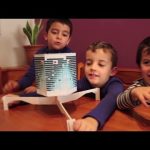
Space missions have been chasing comets since the launch of the Giotto spacecraft in 1985. NASA’s Stardust mission flew through a comet’s tail in 2006 and brought a sample of dust back to Earth. Glycene was found in this sample, one of the four basic amino acids in our DNA. We can make a fake comet on Earth using a recipe of water ice, liquid nitrogen and fine carbon particles. By testing the fake comet and simulating the conditions of space, this will help scientists interpret data from ESA’s latest comet chaser – Rosetta. With ESA’s comet chaser Rosetta expectations are great : for the first time a probe will be flying alongside a comet and even placing a lander on its surface.
Az üstökösök évszázadok óta felcsigázták az emberek fantáziáját. Az Európai Űrügynökség Rosetta nevű missziója megkísérel műszereket eljuttatni egy üstökös felszínére.
Szénből, porból és vízjégből álló égitestek, amelyek a Naphoz közelítve annak fénye miatt csóvát fejlesztenek a maguk mögött húzott törmelékből. Több okból is érdekesek a tudomány számára, de a legizgalmasabb kérdés, hogy van-e közük a földi élet eredetéhez.
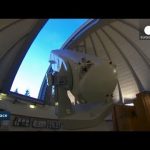
A Space üstökösvadász stábjának első útja Jénába, a türingiai tartományi csillagvizsgálóba vezet. A tudósok itt azon dolgoznak, hogy megállapítsák, mi maradt a darabjaira hullott ISON üstökösből. A gyanú az volt, hogy az égitest megsemmisült, de kérdéses volt, hogy a magnak maradtak-e látható darabkái. Azonban napfelkeltéig a tudósoknak nem sikerült megpillantaniuk az ISON maradványait.
Mindeközben Svájcban a berni egyetem kutatói vízjégből, folyékony nitrogénből és szénből mesterséges üstököst állítanak elő. Az így elkészült mintával vákuumkamrában kísérleteznek: arra kíváncsiak, milyen folyamatok mennek végbe egy üstökös felszínén.
Mindezek a kísérletek és megfigyelések csak előkészületek az igazi nagy dobásra: az Európai Űrközpont Rosetta fedőnevű missziója megkísérel műszereket eljuttatni egy üstökös felszínére, és onnan mintákat szállítani.
Ez azért tölti el lelkesedéssel a tudósokat, mert az utolsó hasonló akció, a NASA Csillagpor (Stardust) nevű küldetése meglepő eredményeket hozott. Akkor egy szondát reptettek át a Halley üstökös csóváján, és az így megszerzett minta glicint, egy fontos, DNS-alkotó aminosavat is tartalmazott. Tehát nem életet, de az élet egyik fontos alkotóelemét – ez pedig felveti az üstökösök szerepét a földi élet kialakulásában.
– A földi élethez meghatározott típusú, úgynevezett balkezes aminosavak szükségesek. A kémia elő tud állítani bal és jobbekezes aminosavakat is, de az élet ezek közül csak a balkezeseket használja és szeretnénk érteni, hogy miért – magyarázta az Euronews riporterének Hermann Böhnhardt, a Max Planck Intézet kutatója – Nem tudjuk, de szeretnénk tudni, hogy az üstökösökben található aminosavak jobb vagy balkezesek, mert ha balkezesek, akkor ez újabb arra utaló jel, hogy talán az élet, vagy legalábbis annak alkotóelemei az űrből kerültek a Földre.
A tudományos közösség abban reménykedik, hogy az üstökösöket érintő kérdések sokaságára kapnak választ 2014-ben, ha a Rosetta misszója sikerrel zárul.