Tag: NASA

  • Webb flies Ariane 5: from preparation to liftoff at Europe’s Spaceport

    Webb flies Ariane 5: from preparation to liftoff at Europe’s Spaceport

    The James Webb Space Telescope lifted off on an Ariane 5 rocket from Europe’s Spaceport in French Guiana, at 13:20 CET on 25 December 2021 on its exciting mission to unlock the secrets of the Universe.

    This timelapse shows highlights of the launch campaign from the arrival of Webb in French Guiana through to liftoff.

    Every launch requires meticulous planning and preparation. For Webb, this process began about 15 years ago. Webb arrived from California on board the MN Colibri which sailed the Panama Canal to Pariacabo harbour in French Guiana. The shallow Kourou river was specially dredged to ensure a clear passage and the vessel followed high tide to safely reach port on 12 October 2021.

    Though the telescope weighs only six tonnes, it was more than 10.5 m high and almost 4.5 m wide when folded. At Europe’s Spaceport it was unpacked inside a dedicated spacecraft preparation facility fitted with walls of air filters to protect the telescope from contamination during preparations for launch.

    After its arrival in the final assembly building, Webb was lifted slowly about 40 m high and then carefully manoeuvred on top of Ariane 5 – one of the most delicate operations during the entire launch campaign. A ‘shower curtain’ about 12 m high and 8 m in diameter was installed in between two platforms, to create a closed-off space around Webb to avoid any contamination.

    On the day of encapsulation, the fairing was lowered over the observatory and locked in place for liftoff. A laser guiding system assisted this particularly delicate operation for a perfect fit inside Ariane 5’s fairing.

    Ariane 5 with Webb was rolled out from the final assembly building to the launch pad on 22 December. On 25 December, Ariane 5 performed the flawless launch of this once in a generation mission. Ariane 5’s highly precise launch meant that Webb saved its own fuel which can be used to significantly extend its expected lifetime of 10 years.

    Webb is the largest, most powerful telescope ever launched into space. As part of an international collaboration agreement, ESA has provided the telescope’s launch service using the Ariane 5 launch vehicle. Working with partners, ESA was responsible for the development and qualification of Ariane 5 adaptations for the Webb mission and for the procurement of the launch service by @arianespace. ESA has also provided the workhorse spectrograph NIRSpec and 50% of the mid-infrared instrument MIRI, in collaboration with the University of Arizona. Webb is an international partnership between @NASA, ESA and the @Canadian Space Agency.

    Learn more about this historic launch: https://bit.ly/WebbLiftoff

    Credits: Directed by Manuel Pedoussaut/zetapress, Stephane Corvaja/ESA
    Music by Hubrid Planete-a

    ★ Subscribe: http://bit.ly/ESAsubscribe and click twice on the bell button to receive our notifications.

    Check out our full video catalog: http://bit.ly/SpaceInVideos
    Follow us on Twitter: http://bit.ly/ESAonTwitter
    On Facebook: http://bit.ly/ESAonFacebook
    On Instagram: http://bit.ly/ESAonInstagram
    On LinkedIn: https://bit.ly/ESAonLinkedIn
    On Pinterest: https://bit.ly/ESAonPinterest
    On Flickr: http://bit.ly/ESAonFlickr

    We are Europe’s gateway to space. Our mission is to shape the development of Europe’s space capability and ensure that investment in space continues to deliver benefits to the citizens of Europe and the world. Check out https://www.esa.int/ to get up to speed on everything space related.

    Copyright information about our videos is available here: https://www.esa.int/ESA_Multimedia/Terms_and_Conditions

    #ESA
    #Webb
    #WebbFliesAriane
  • Space science in 360° | Cosmic Kiss

    Space science in 360° | Cosmic Kiss

    Immerse yourself in 360° of science with ESA astronaut Matthias Maurer as he prepares an experiment to examine how human cells behave in weightlessness.

    The Cytoskeleton experiment is a biological study that aims to determine the changing function of RhoGTPases when in vitro cell cultures are exposed to weightlessness. It will run in the Biolab facility of Europe’s Columbus laboratory.

    In this video, we see Matthias remove Cytoskeleton cell cultures from the Minus Eighty Lab Freezer ISS (MELFI) and prepare them in the Life Sciences Glovebox (LSG) before installing the experiment in Columbus’s BioLab.

    Matthias was launched to the International Space Station for his current Cosmic Kiss mission on 11 November 2021. In his approximately six months on board, he will support over 35 European experiments and many more international experiments in orbit.

    Follow Matthias: https://bit.ly/ESACosmicKiss

    ★ Subscribe: http://bit.ly/ESAsubscribe and click twice on the bell button to receive our notifications.

    Check out our full video catalog: http://bit.ly/SpaceInVideos
    Follow us on Twitter: http://bit.ly/ESAonTwitter
    On Facebook: http://bit.ly/ESAonFacebook
    On Instagram: http://bit.ly/ESAonInstagram
    On LinkedIn: https://bit.ly/ESAonLinkedIn
    On Pinterest: https://bit.ly/ESAonPinterest
    On Flickr: http://bit.ly/ESAonFlickr

    We are Europe’s gateway to space. Our mission is to shape the development of Europe’s space capability and ensure that investment in space continues to deliver benefits to the citizens of Europe and the world. Check out https://www.esa.int/ to get up to speed on everything space related.

    Copyright information about our videos is available here: https://www.esa.int/ESA_Multimedia/Terms_and_Conditions

    #ESA
    #360
    #CosmicKiss

  • ISS 2030: NASA Extends Operations of the International Space Station

    ISS 2030: NASA Extends Operations of the International Space Station

    NASA announced the Biden-Harris Administration’s commitment to extend International Space Station (ISS) operations through 2030.

    Over the past two decades, the United States has maintained a continuous human presence in orbit around the Earth to test technologies, conduct scientific research, and develop skills needed to explore farther than ever before. The unique microgravity laboratory has hosted more than 3,000 research investigations from over 4,200 researchers across the world and is returning enormous scientific, educational, and technological developments to benefit people on Earth. Nearly 110 countries and areas have participated in activities aboard the station, including more than 1,500,000 students per year in STEM activities.

    Extending operations through 2030 will continue another productive decade of research advancement and enable a seamless transition of capabilities in low-Earth orbit to one or more commercially owned and operated destinations in the late 2020s.

    Learn more here: https://blogs.nasa.gov/spacestation/2021/12/31/biden-harris-administration-extends-space-station-operations-through-2030/

    Video Producer: Sonnet Apple
    Music Credit: Universal Production Music

  • Astrobee robots in 360° | Cosmic Kiss

    Astrobee robots in 360° | Cosmic Kiss

    Join ESA astronaut Matthias Maurer inside Kibo, the Japanese laboratory module of the International Space Station in 360°, setting up Astrobee robotic free-flyers for the ReSWARM experiment. Short for RElative Satellite sWArming and Robotic Maneuvering, this robotics demonstration tests autonomous microgravity motion planning and control for on-orbit assembly and coordinated motion.

    This investigation aims to test coordination between multiple robots, robots and cargo, and robots and their operating environment as developers envision the future of autonomous robot operations in space.

    Matthias was launched to the International Space Station on Crew Dragon Endurance as part of Crew-3 at 02:03 GMT/03:03 CET Thursday 11 November 2021. His ESA mission on board is known as Cosmic Kiss and will see him live and work for approximately six months in orbit.

    Follow Matthias: https://bit.ly/ESACosmicKiss

    ★ Subscribe: http://bit.ly/ESAsubscribe and click twice on the bell button to receive our notifications.

    Check out our full video catalog: http://bit.ly/SpaceInVideos
    Follow us on Twitter: http://bit.ly/ESAonTwitter
    On Facebook: http://bit.ly/ESAonFacebook
    On Instagram: http://bit.ly/ESAonInstagram
    On LinkedIn: https://bit.ly/ESAonLinkedIn
    On Pinterest: https://bit.ly/ESAonPinterest
    On Flickr: http://bit.ly/ESAonFlickr

    We are Europe’s gateway to space. Our mission is to shape the development of Europe’s space capability and ensure that investment in space continues to deliver benefits to the citizens of Europe and the world. Check out https://www.esa.int/ to get up to speed on everything space related.

    Copyright information about our videos is available here: https://www.esa.int/ESA_Multimedia/Terms_and_Conditions

    #ESA
    #360
    #CosmicKiss

  • We Asked a NASA Expert

    We Asked a NASA Expert

    You’ve got questions, we’ve got answers! Is Mars habitable? Do aliens exist? Are there oceans on other worlds? Our “We Asked a NASA Expert” video series answers all of these questions and more. Tune in to our playlist to learn all about this solar system we call home: https://go.nasa.gov/32MVcs3

    Producers: Jessica Wilde & Scott Bednar
    Editor: Matthew Schara

  • Webb separation from Ariane 5

    Webb separation from Ariane 5

    This real-time video shows the separation of the James Webb Space Telescope from the Ariane 5 launch vehicle and the subsequent solar array deployment.

    Webb’s launch on an ESA-provided Ariane 5 rocket was performed by @arianespace on behalf of ESA from Europe’s Spaceport in French Guiana, at 12:20:07 GMT (13:20:07 CET) on 25 December 2021.

    Webb separation from the Ariane 5 occurred at 12:47:14 GMT (13:47:14 CET) with solar array deployment starting 69 seconds later.

    Thanks to Ariane 5’s highly precise launch trajectory Webb’s solar array was able to deploy soon after separation from the Ariane 5, capturing sunlight to power the observatory.

    This video shows the view from Ariane 5’s upper stage, taken by a camera manufactured by Irish company Réaltra Space Systems Engineering.

    Webb is the next great space science observatory following Hubble, designed to answer outstanding questions about the Universe and to make breakthrough discoveries in all fields of astronomy. Webb will see farther into our origins: from the formation of stars and planets, to the birth of the first galaxies in the early Universe. Webb is an international partnership between @NASA, ESA and the @Canadian Space Agency.

    Learn more about this historic launch: https://bit.ly/WebbLiftoff

    Copyright: ESA/Arianespace ; Music: “Lonely Waltz” by Charlotte Hatherley, used with permission ; Camera: Réaltra Space Systems Engineering

    ★ Subscribe: http://bit.ly/ESAsubscribe and click twice on the bell button to receive our notifications.

    Check out our full video catalog: http://bit.ly/SpaceInVideos
    Follow us on Twitter: http://bit.ly/ESAonTwitter
    On Facebook: http://bit.ly/ESAonFacebook
    On Instagram: http://bit.ly/ESAonInstagram
    On LinkedIn: https://bit.ly/ESAonLinkedIn
    On Pinterest: https://bit.ly/ESAonPinterest
    On Flickr: http://bit.ly/ESAonFlickr

    We are Europe’s gateway to space. Our mission is to shape the development of Europe’s space capability and ensure that investment in space continues to deliver benefits to the citizens of Europe and the world. Check out https://www.esa.int/ to get up to speed on everything space related.

    Copyright information about our videos is available here: https://www.esa.int/ESA_Multimedia/Terms_and_Conditions

    #ESA
    #Webb
    #WebbFliesAriane

  • Webb launch campaign highlights

    Webb launch campaign highlights

    Highlights of the launch campaign for the James Webb Space Telescope, from its arrival at Europe’s Spaceport in Kourou, French Guiana, weeks of launch preparations, to launch on board an Ariane 5, and separation of the spacecraft and solar panel deployment.

    Now in space and on its way to L2, Webb will undergo a complex unfolding sequence. In the months after, the instruments will be turned on and their capabilities tested. After half a year in space, Webb will start its routine science observations.

    Webb will see farther into our origins: from the Universe’s first galaxies, to the birth of stars and planets, to exoplanets with the potential for life, and our own Solar System.

    Learn more about this historic launch: https://bit.ly/WebbLiftoff

    ★ Subscribe: http://bit.ly/ESAsubscribe and click twice on the bell button to receive our notifications.

    Check out our full video catalog: http://bit.ly/SpaceInVideos
    Follow us on Twitter: http://bit.ly/ESAonTwitter
    On Facebook: http://bit.ly/ESAonFacebook
    On Instagram: http://bit.ly/ESAonInstagram
    On LinkedIn: https://bit.ly/ESAonLinkedIn
    On Pinterest: https://bit.ly/ESAonPinterest
    On Flickr: http://bit.ly/ESAonFlickr

    We are Europe’s gateway to space. Our mission is to shape the development of Europe’s space capability and ensure that investment in space continues to deliver benefits to the citizens of Europe and the world. Check out https://www.esa.int/ to get up to speed on everything space related.

    Copyright information about our videos is available here: https://www.esa.int/ESA_Multimedia/Terms_and_Conditions

    #ESA
    #Webb
    #WebbFliesAriane

  • Best wishes to Webb from space

    Best wishes to Webb from space

    From one space flier to another, ESA astronaut Matthias Maurer shares a message of support for the James Webb Space Telescope (Webb) launch, from ESA’s Columbus science laboratory on the International Space Station.

    Matthias is currently living and working in space for his first mission known as Cosmic Kiss. He describes the mission of Webb as part of humankind’s biggest adventure, as we explore the cosmos to understand our place within it.

    Webb is the next great space science observatory following Hubble, designed to answer outstanding questions about the Universe and to make breakthrough discoveries in all fields of astronomy. It is an international partnership between the European Space Agency ESA, US space agency @NASA, and the @Canadian Space Agency, and will be launched on an Ariane 5 rocket from Europe’s Spaceport in French Guiana.

    Webb is designed to see farther into our origins: from the formation of stars and planets to the birth of the first galaxies in the early Universe, just as the International Space Station enables us to learn more about our home planet.

    Find out more about Webb in ESA’s launch kit: https://bit.ly/ESAWebbToolKit

    Follow Matthias: https://bit.ly/ESACosmicKiss

    ★ Subscribe: http://bit.ly/ESAsubscribe and click twice on the bell button to receive our notifications.

    Check out our full video catalog: http://bit.ly/SpaceInVideos
    Follow us on Twitter: http://bit.ly/ESAonTwitter
    On Facebook: http://bit.ly/ESAonFacebook
    On Instagram: http://bit.ly/ESAonInstagram
    On LinkedIn: https://bit.ly/ESAonLinkedIn
    On Pinterest: https://bit.ly/ESAonPinterest
    On Flickr: http://bit.ly/ESAonFlickr

    We are Europe’s gateway to space. Our mission is to shape the development of Europe’s space capability and ensure that investment in space continues to deliver benefits to the citizens of Europe and the world. Check out https://www.esa.int/ to get up to speed on everything space related.

    Copyright information about our videos is available here: https://www.esa.int/ESA_Multimedia/Terms_and_Conditions

    #ESA
    #Webb
    #CosmicKiss

  • Orbital Thanksgiving in 360° | Cosmic Kiss

    Orbital Thanksgiving in 360° | Cosmic Kiss

    Feel like a guest and join ESA astronaut Matthias Maurer and his Expedition 66 crew mates enjoying a festive Thanksgiving meal on board the International Space Station in 360°. Explore the space station’s dining area and see what’s on the menu for this year’s orbital Thanksgiving.

    Matthias says: “One of the best things about international collaboration, beyond our daily work on science and operations, is sharing international celebrations and culture. I’m thankful for all my crew mates up here on the International Space Station and everyone supporting our mission from Earth”.

    Matthias was launched to the International Space Station on Crew Dragon Endurance as part of Crew-3 at 02:03 GMT/03:03 CET Thursday 11 November 2021. His ESA mission is known as Cosmic Kiss and will see him live and work in orbit for approximately six months.

    Follow Matthias: https://bit.ly/ESACosmicKiss

    ★ Subscribe: http://bit.ly/ESAsubscribe and click twice on the bell button to receive our notifications.

    Check out our full video catalog: http://bit.ly/SpaceInVideos
    Follow us on Twitter: http://bit.ly/ESAonTwitter
    On Facebook: http://bit.ly/ESAonFacebook
    On Instagram: http://bit.ly/ESAonInstagram
    On LinkedIn: https://bit.ly/ESAonLinkedIn
    On Pinterest: https://bit.ly/ESAonPinterest
    On Flickr: http://bit.ly/ESAonFlickr

    We are Europe’s gateway to space. Our mission is to shape the development of Europe’s space capability and ensure that investment in space continues to deliver benefits to the citizens of Europe and the world. Check out https://www.esa.int/ to get up to speed on everything space related.

    Copyright information about our videos is available here: https://www.esa.int/ESA_Multimedia/Terms_and_Conditions

    #ESA
    #360
    #CosmicKiss

  • Season’s Greetings from NASA

    Season’s Greetings from NASA

    From the Moon to Mars to the solar system and beyond, season’s greetings from all of us at NASA!

    Producer: Mark Hailey

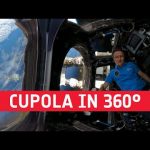
  • Cupola in 360° | Cosmic Kiss

    Cupola in 360° | Cosmic Kiss

    Join ESA astronaut Matthias Maurer inside the seven-windowed cupola, the International Space Station’s “window to the world” and pan around to enjoy the view.

    The ESA – European Space Agency-built Cupola is the favourite place of many astronauts on the International Space Station.

    It serves not only as a unique photo spot, but also for observing robotic activities of the Canadian Space Agency’s robotic arm Canadarm2, arriving spacecraft and spacewalks.

    Just outside the cupola and behind Matthias is a portion of the Soyuz MS-19 crew ship docked to the Rassvet module and the Prichal docking module attached to the Nauka multipurpose laboratory service module.

    Matthias was launched to the International Space Station on Crew Dragon Endurance as part of Crew-3 at 02:03 GMT/03:03 CET Thursday 11 November. His ESA mission on board is known as Cosmic Kiss and will see him live and work for approximately six months in orbit.

    Follow Matthias: https://bit.ly/ESACosmicKiss

    ★ Subscribe: http://bit.ly/ESAsubscribe and click twice on the bell button to receive our notifications.

    Check out our full video catalog: http://bit.ly/SpaceInVideos
    Follow us on Twitter: http://bit.ly/ESAonTwitter
    On Facebook: http://bit.ly/ESAonFacebook
    On Instagram: http://bit.ly/ESAonInstagram
    On LinkedIn: https://bit.ly/ESAonLinkedIn
    On Pinterest: https://bit.ly/ESAonPinterest
    On Flickr: http://bit.ly/ESAonFlickr

    We are Europe’s gateway to space. Our mission is to shape the development of Europe’s space capability and ensure that investment in space continues to deliver benefits to the citizens of Europe and the world. Check out https://www.esa.int/ to get up to speed on everything space related.

    Copyright information about our videos is available here: https://www.esa.int/ESA_Multimedia/Terms_and_Conditions

    #ESA
    #360
    #CosmicKiss

  • Earth from Space: Kourou, French Guiana

    Earth from Space: Kourou, French Guiana

    The Copernicus Sentinel-2 takes us over Kourou – home to Europe’s Spaceport in French Guiana, where the James Webb Space Telescope is being prepared for its upcoming launch – in this edition of the Earth from Space programme.

    Download the image: https://www.esa.int/ESA_Multimedia/Images/2021/12/Kourou_French_Guiana

    ★ Subscribe: http://bit.ly/ESAsubscribe and click twice on the bell button to receive our notifications.

    Check out our full video catalog: http://bit.ly/SpaceInVideos
    Follow us on Twitter: http://bit.ly/ESAonTwitter
    On Facebook: http://bit.ly/ESAonFacebook
    On Instagram: http://bit.ly/ESAonInstagram
    On LinkedIn: https://bit.ly/ESAonLinkedIn
    On Pinterest: https://bit.ly/ESAonPinterest
    On Flickr: http://bit.ly/ESAonFlickr

    We are Europe’s gateway to space. Our mission is to shape the development of Europe’s space capability and ensure that investment in space continues to deliver benefits to the citizens of Europe and the world. Check out https://www.esa.int/ to get up to speed on everything space related.

    Copyright information about our videos is available here: https://www.esa.int/ESA_Multimedia/Terms_and_Conditions

    #ESA
    #Kourou
    #EarthFromSpace

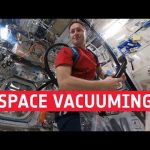
  • Space vacuuming in 360º | Cosmic Kiss

    Space vacuuming in 360º | Cosmic Kiss

    Even astronauts in orbit cannot escape housework. Join ESA astronaut Matthias Maurer as he vacuums the European Columbus and Japanese Kibo modules of the International Space Station in this 360° video.

    Unlike on Earth, dust on the Space Station does not settle. Astronauts vacuum regularly to prevent floating dust from getting in their eyes and noses, causing irritation and allergic reactions. Pan to explore the different modules and follow Matthias’s work.

    Matthias was launched to the International Space Station on Crew Dragon Endurance as part of Crew-3 at 02:03 GMT/03:03 CET Thursday 11 November. His ESA mission on board is known as Cosmic Kiss and will see him live and work for approximately six months in orbit.

    Follow Matthias: https://bit.ly/ESACosmicKiss

    ★ Subscribe: http://bit.ly/ESAsubscribe and click twice on the bell button to receive our notifications.

    Check out our full video catalog: http://bit.ly/SpaceInVideos
    Follow us on Twitter: http://bit.ly/ESAonTwitter
    On Facebook: http://bit.ly/ESAonFacebook
    On Instagram: http://bit.ly/ESAonInstagram
    On LinkedIn: https://bit.ly/ESAonLinkedIn
    On Pinterest: https://bit.ly/ESAonPinterest
    On Flickr: http://bit.ly/ESAonFlickr

    We are Europe’s gateway to space. Our mission is to shape the development of Europe’s space capability and ensure that investment in space continues to deliver benefits to the citizens of Europe and the world. Check out https://www.esa.int/ to get up to speed on everything space related.

    Copyright information about our videos is available here: https://www.esa.int/ESA_Multimedia/Terms_and_Conditions

    #ESA
    #360
    #CosmicKiss

  • Webb: A new view of the Universe

    Webb: A new view of the Universe

    The world’s next generation cosmic observatory, the James Webb Space Telescope, is due for launch on an Ariane 5 from Europe’s Spaceport in French Guiana in late December.

    Developed and constructed over more than 30 years, Webb is a remarkable feat of engineering and technology – with the largest astronomical mirror ever flown in space, sophisticated new scientific instruments, and a sunshield the size of a tennis court.

    Webb is an international partnership between @NASA, ESA and the @Canadian Space Agency and will reveal the Universe in a whole new light. Optimised for infrared wavelengths, its detectors will be able to look back to shortly after the very dawn of time, revealing the formation of the first galaxies, as well as study stars and planets in our own Milky Way.

    Find out more about Webb in ESA’s launch kit: https://bit.ly/ESAWebbToolKit

    ★ Subscribe: http://bit.ly/ESAsubscribe and click twice on the bell button to receive our notifications.

    Check out our full video catalog: http://bit.ly/SpaceInVideos
    Follow us on Twitter: http://bit.ly/ESAonTwitter
    On Facebook: http://bit.ly/ESAonFacebook
    On Instagram: http://bit.ly/ESAonInstagram
    On LinkedIn: https://bit.ly/ESAonLinkedIn
    On Pinterest: https://bit.ly/ESAonPinterest
    On Flickr: http://bit.ly/ESAonFlickr

    We are Europe’s gateway to space. Our mission is to shape the development of Europe’s space capability and ensure that investment in space continues to deliver benefits to the citizens of Europe and the world. Check out https://www.esa.int/ to get up to speed on everything space related.

    Copyright information about our videos is available here: https://www.esa.int/ESA_Multimedia/Terms_and_Conditions

    #ESA
    #Webb
    #WebbFliesAriane

  • NASA Announces 2021 Class of Astronaut Candidates

    NASA Announces 2021 Class of Astronaut Candidates

    After evaluating more than 12,000 applications, we’ll introduce our 2021 astronaut candidates live at a ceremony at Ellington Field near NASA’s Johnson Space Center in Houston.

    After completing training, these women and men could be eligible for a variety of flight assignments including missions on and around the Moon under Artemis.

    The astronaut candidates will join NASA Administrator Bill Nelson, NASA Deputy Administrator Pam Melroy, Johnson Center Director Vanessa Wyche, and Flight Operations Director Norm Knight on stage at the event.

    More info: https://www.nasa.gov/press-release/nasa-to-announce-america-s-next-class-of-astronaut-candidates

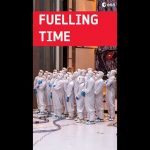
  • Webb moved for fueling #shorts

    Webb moved for fueling #shorts

    The James Webb Space Telescope, configured for flight, was moved from the cleanroom to the payload preparation facility for fuelling at Europe’s Spaceport in French Guiana on 11–12 November 2021.

    Webb will be loaded with propellants before being mounted on top of the rocket and then encapsulated by the Ariane 5 fairing.

    Webb will be the largest, most powerful telescope ever launched into space. As part of an international collaboration agreement, ESA is providing the telescope’s launch service using the Ariane 5 launch vehicle. Working with partners, ESA was responsible for the development and qualification of Ariane 5 adaptations for the Webb mission and for the procurement of the launch service by Arianespace.

    Webb is an international partnership between @NASA , ESA and the @Canadian Space Agency.

    Find out more about Webb in ESA’s launch kit: https://bit.ly/ESAWebbToolKit

    Copyright: ESA / @CNES / @arianespace

    ★ Subscribe: http://bit.ly/ESAsubscribe and click twice on the bell button to receive our notifications.

    Check out our full video catalog: http://bit.ly/SpaceInVideos
    Follow us on Twitter: http://bit.ly/ESAonTwitter
    On Facebook: http://bit.ly/ESAonFacebook
    On Instagram: http://bit.ly/ESAonInstagram
    On LinkedIn: https://bit.ly/ESAonLinkedIn
    On Pinterest: https://bit.ly/ESAonPinterest
    On Flickr: http://bit.ly/ESAonFlickr

    We are Europe’s gateway to space. Our mission is to shape the development of Europe’s space capability and ensure that investment in space continues to deliver benefits to the citizens of Europe and the world. Check out https://www.esa.int/ to get up to speed on everything space related.

    Copyright information about our videos is available here: https://www.esa.int/ESA_Multimedia/Terms_and_Conditions

    #ESA
    #Webb
    #WebbFliesAriane
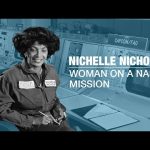
  • Nichelle Nichols: Woman on a NASA Mission

    Nichelle Nichols: Woman on a NASA Mission

    NASA celebrates the life and career of Nichelle Nichols, famous for her role of Lieutenant Uhura on Star Trek, as she retires from public life.

    Not only did Nichols portray a character that was an incredible role model, but in 1977, she also partnered with NASA to recruit minority and female personnel for the space agency’s shuttle program.

    Nichols symbolized to so many what was possible and inspired young minds to pursue science, technology, engineering, and mathematics careers.

    Video Producer: Sonnet Apple
    Music: Universal Production Music

  • Workout in 360º | Cosmic Kiss

    Workout in 360º | Cosmic Kiss

    Explore the International Space Station’s Cupola module in 360 degrees while ESA astronaut Matthias Maurer lifts weights in weightlessness. This 360 timelapse video was shot over 53 minutes, at a rate one frame every two seconds, as Matthias completed a workout on the Advanced Resistive Exercise Device (ARED).

    Pan to watch the world go by as the Station orbits Earth at around 28 000 km/h, then see how Matthias keeps his muscles and bones healthy for a safe return to Earth.

    Exercise is an important part of an astronaut’s daily routine. It not only keeps them fit and ready for demanding tasks like a spacewalk, but it also helps to combat bone and muscle loss caused by a prolonged stay in orbit. ARED is one of several exercise devices astronauts use on Station. They also have a treadmill called T2 and an exercycle known as CEVIS.

    Matthias was launched to the International Space Station on Crew Dragon Endurance as part of Crew-3 at 02:03 GMT/03:03 CET Thursday 11 November. His ESA mission on board is known as Cosmic Kiss and will see him live and work for approximately six months in orbit.

    Follow Matthias: https://bit.ly/ESACosmicKiss

    ★ Subscribe: http://bit.ly/ESAsubscribe and click twice on the bell button to receive our notifications.

    Check out our full video catalog: http://bit.ly/SpaceInVideos
    Follow us on Twitter: http://bit.ly/ESAonTwitter
    On Facebook: http://bit.ly/ESAonFacebook
    On Instagram: http://bit.ly/ESAonInstagram
    On LinkedIn: https://bit.ly/ESAonLinkedIn
    On Pinterest: https://bit.ly/ESAonPinterest
    On Flickr: http://bit.ly/ESAonFlickr

    We are Europe’s gateway to space. Our mission is to shape the development of Europe’s space capability and ensure that investment in space continues to deliver benefits to the citizens of Europe and the world. Check out https://www.esa.int/ to get up to speed on everything space related.

    Copyright information about our videos is available here: https://www.esa.int/ESA_Multimedia/Terms_and_Conditions

    #ESA
    #360
    #CosmicKiss

  • NASA Astronauts Read Aloud: You Are Going

    NASA Astronauts Read Aloud: You Are Going

    With Artemis, NASA is going back to the Moon. And we want you to come along!

    You Are Going, illustrated by former NASA intern Shane Tolentino, shares a glimpse into future Artemis missions. Learn all about the elements that will help make Artemis possible: the powerful Space Launch System rocket, the Orion spacecraft, the Gateway, and so much more.

    In this story, NASA invites you—a member of the Artemis Generation—to feel connected to each Artemis mission and discover all of the exciting possibilities of going to space.

    So, what are you waiting for? You Are Going!

    Get your digital copy at: www.nasa.gov/youaregoing

    Narration: Victor Glover, Mike Hopkins, Shannon Walker, Soichi Noguchi

  • NASA Spacewalk to Replace Space Station Antenna

    NASA Spacewalk to Replace Space Station Antenna

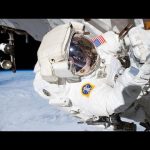
    Watch NASA astronauts Kayla Barron and Thomas Marshburn venture outside the International Space Station on Dec. 2 to replace a faulty antenna system. The antenna recently lost its ability to transmit low-rate voice communications and data to flight controllers in mission control, although it has had a limited impact on operations. The two astronauts will replace it with a spare.

    The spacewalkers are expected to turn their spacesuits on to battery power at about 7:10 a.m. EST for an excursion slated to last about 6.5 hours. Marshburn will serve as extravehicular crew member 1 (EV 1), wearing a spacesuit with red stripes, and Barron will be extravehicular crew member 2 (EV 2), wearing a spacesuit with no stripes. European Space Agency astronaut Matthias Maurer will provide support from inside the orbiting laboratory, maneuvering the Canadarm2 robotic arm that will carry Marshburn. This will be the fifth spacewalk for Marshburn, and the first for Barron.

  • We Asked a NASA Expert: What’s the Difference Between Asteroids, Comets, and Meteors?

    We Asked a NASA Expert: What’s the Difference Between Asteroids, Comets, and Meteors?

    Asteroids, comets, and meteors: what’s the difference? These space rocks each have their own unique attributes. But differences aside, these fascinating objects are all worthy of study. Just ask @NASA Jet Propulsion Laboratory scientist Ryan Park and he’ll agree.

    Here’s more on what sets space rocks apart: https://go.nasa.gov/3i42jBm

    Producers: Scott Bednar & Jessica Wilde
    Editor: Thomas Shortridge

  • NASA Science Live: We’re Crashing a Spacecraft into an Asteroid…on Purpose!

    NASA Science Live: We’re Crashing a Spacecraft into an Asteroid…on Purpose!

    What questions do you have about NASA’s #DARTMission? Join our experts Tuesday, Nov. 23 at 4 p.m. EST. NASA’s Double Asteroid Redirection Test (DART) launches soon on a journey to become the world’s first #PlanetaryDefense test. The spacecraft will intentionally crash itself into an asteroid to see if it can move its motion in space. If it does, this could be proved as a viable way to deflect a threatening asteroid in the future, should one be discovered.

    DART is a spacecraft designed to impact an asteroid as a test of technology. DART’s target asteroid is NOT a threat to Earth. This asteroid system is a perfect testing ground to see if intentionally crashing a spacecraft into an asteroid is an effective way to change its course, should an Earth-threatening asteroid be discovered in the future.

    Meet the experts:
    Dr. Lori Glaze is the Director for NASA’s Planetary Science Missions. Her favorite part about her job is that she gets to learn something new every day. “The solar system is packed with mysteries, and we have an amazing collection of missions that are working together every day to unlock those mysteries.” Outside of work, Dr. Glaze enjoys spending time outdoors with her family and listening to music.

    Dr. Nancy Chabot is the DART Coordination Lead at Johns Hopkins University Applied Physics Laboratory. Her favorite part about her job is working with a team to accomplish more than any one person could do on their own. Outside of work, Dr. Chabot has been learning to cook new recipes.

    Lisa Wu is a Mechanical Engineer at Johns Hopkins University Applied Physics Laboratory. Her favorite part of her job is that she gets to work with space flight hardware every day. She is most looking forward to not only the science we’ll learn from the DART impact, but also demonstrating the new technologies onboard the spacecraft. In her free time, Lisa has been figure skating.

    Stephanie L. Smith is the social media lead at NASA headquarters. Her favorite part of the job is using pop culture and plain English to make science and technology meaningful and relatable to as many people as possible. When she’s not hosting conversations about smacking into space rocks, you’ll probably find her hiking or cooking.

    Full video and caption file for download: https://images.nasa.gov/details-GSFC_20211123_NSL_DART

  • Is NASA Really Crashing a Spacecraft into an Asteroid? We Asked a NASA Expert

    Is NASA Really Crashing a Spacecraft into an Asteroid? We Asked a NASA Expert

    Are we really crashing a spacecraft into an asteroid? We sure are — all in the name of planetary defense. The #DARTMission is a technology test to see if an impactor could change the trajectory of an asteroid. Nancy Chabot of the Johns Hopkins University Applied Physics Laboratory tells us more.

    Learn more about this first-of-its-kind mission: https://www.nasa.gov/dartmission

    Producers: Jessica Wilde & Scott Bednar
    Editor: Matthew Schara

  • Live Q&A with NASA Planetary Defender

    Live Q&A with NASA Planetary Defender

    NASA’s #DARTMission is crashing a spacecraft into an asteroid to try to change its motion in space. But how will we know if this test worked? That’s where Johns Hopkins APL scientist Andy Rivkin comes in. He’ll be studying the precise change in the asteroid’s motion right here from Earth. Have questions about DART? Submit them using #askNASA and tune in on Monday, Nov. 15 at 4:30 pm ET for a LIVE Q&A with Andy.

  • Is NASA Aware of Any Earth-Threatening Asteroids? We Asked a NASA Expert

    Is NASA Aware of Any Earth-Threatening Asteroids? We Asked a NASA Expert

    Is NASA aware of any Earth-threatening asteroids? Luckily there are no known asteroid threats to Earth for at least 100 years. But that doesn’t mean we’re not looking. Asteroid expert Davide Farnocchia of our@NASA Jet Propulsion Laboratory breaks it down.

    Learn about how we track asteroids: https://www.nasa.gov/asteroids

    Producer/Editor: James Lucas
    Producers: Scott Bednar, Jessica Wilde

  • Best of Alpha mission timelapse

    Best of Alpha mission timelapse

    A collection of the best timelapse videos made during ESA astronaut Thomas Pesquet’s second mission to the International Space Station, “Alpha” in 2021. The camera is setup to take pictures at intervals of two a second, and the pictures are then edited into this video that plays at 25 pictures a second. Most videos around 12 times faster than real speed.

    Thomas shared this video on social media with the caption:

    “Probably the last the timelapse from space, and fittingly here is a special edition “best of” montage: aurora, lightning, spacewalks, day views and spacecraft reentry in less than five minutes. Get comfy, cast it to your largest screen in the house and enjoy!”

    Over 200 experiments are planned during Thomas’ time in space, with 40 European ones and 12 new experiments led by the French space agency @CNES.

    Follow Thomas: http://bit.ly/ThomasPesquetBlog

    ★ Subscribe: http://bit.ly/ESAsubscribe and click twice on the bell button to receive our notifications.

    Check out our full video catalog: http://bit.ly/SpaceInVideos
    Follow us on Twitter: http://bit.ly/ESAonTwitter
    On Facebook: http://bit.ly/ESAonFacebook
    On Instagram: http://bit.ly/ESAonInstagram
    On LinkedIn: https://bit.ly/ESAonLinkedIn
    On Pinterest: https://bit.ly/ESAonPinterest
    On Flickr: http://bit.ly/ESAonFlickr

    We are Europe’s gateway to space. Our mission is to shape the development of Europe’s space capability and ensure that investment in space continues to deliver benefits to the citizens of Europe and the world. Check out https://www.esa.int/ to get up to speed on everything space related.

    Copyright information about our videos is available here: https://www.esa.int/ESA_Multimedia/Terms_and_Conditions

    #ESA
    #Timelapse
    #MissionAlpha

  • Live Q&A with NASA Planetary Defender

    Live Q&A with NASA Planetary Defender

    NASA planetary defender Dr. Kelly Fast has a hard and fast rule: “Find asteroids before they find us.” Working in NASA’s Planetary Defense Coordination Office, Kelly is helping send the #DARTMission to test “nudging” an asteroid in space. DART, short for Double Asteroid Redirection Test, is a planetary defense-driven test of technologies for preventing an impact of Earth by a hazardous near-Earth object. DART will be the first demonstration of the kinetic impactor technique to change the motion of an asteroid in space. NOTE: the target asteroid is currently not a threat to Earth.

    Get all the info on our #DARTMission: https://www.nasa.gov/dart

  • Soyuz MS-18 departure timelapse #shorts

    Soyuz MS-18 departure timelapse #shorts

    Timelapse video made during ESA astronaut Thomas Pesquet’s second mission to the International Space Station, “Alpha”. On 17 October 2021 at 01:14 GMT the Soyuz MS-18 undocked from the Space Station to return to Earth, inside were @Roscosmos Media cosmonaut Oleg Novitskiy (who had spent 191 days in space) and actress Yulia Peresild and Russian producer-director Klim Shipenko (who both spent 11 days in space). The trio landed on Earth just over three hours later.
    The camera for this timelapse was setup to take pictures at intervals of two a second, and the pictures are then edited into this video that plays at 25 pictures a second. The video is around 12 times faster than real speed.

    Thomas shared this video on social media with the caption:

    “Soyuz MS-18 departing two weekends ago already. Oleg left with Yulia and Klim and I see pictures of them back looking happy and healthy back on Earth. they were only in space for a few days though, a business trip, more than an expedition, for us and Oleg it will be a bit different: the physical and social readapting to Earth will require some work. This is a timelapse so it moves 12 times faster than in reality. I wasn’t the only one to film in the Cupola, and where the image shakes a bit is when one of my crewmates bumped the tripod! ”

    Over 200 experiments are planned during Thomas’ time in space, with 40 European ones and 12 new experiments led by the French space agency @CNES.

    Follow Thomas: http://bit.ly/ThomasPesquetBlog

    ★ Subscribe: http://bit.ly/ESAsubscribe and click twice on the bell button to receive our notifications.

    Check out our full video catalog: http://bit.ly/SpaceInVideos
    Follow us on Twitter: http://bit.ly/ESAonTwitter
    On Facebook: http://bit.ly/ESAonFacebook
    On Instagram: http://bit.ly/ESAonInstagram
    On LinkedIn: https://bit.ly/ESAonLinkedIn
    On Pinterest: https://bit.ly/ESAonPinterest
    On Flickr: http://bit.ly/ESAonFlickr

    We are Europe’s gateway to space. Our mission is to shape the development of Europe’s space capability and ensure that investment in space continues to deliver benefits to the citizens of Europe and the world. Check out https://www.esa.int/ to get up to speed on everything space related.

    Copyright information about our videos is available here: https://www.esa.int/ESA_Multimedia/Terms_and_Conditions

    #ESA
    #Timelapse
    #MissionAlpha

  • We Asked a NASA Expert: How Did Perseverance Pick its Landing Spot?

    We Asked a NASA Expert: How Did Perseverance Pick its Landing Spot?

    How did the Perseverance Mars rover pick its exact landing spot? Believe it or not, the rover made the decision on precisely where to land just moments before it touched down. How?! Thanks to the work of engineers like Swati Mohan and a new technology called Terrain Relative Navigation, Perseverance landed in the most challenging landscape ever attempted on Mars: https://go.nasa.gov/3yutGdH

    Producers: Scott Bednar & Jessica Wilde
    Editor: Thomas Shortridge

  • Artemis I stacked

    Artemis I stacked

    Time lapse of the stacking of the Orion spacecraft on top of the fully assembled Space Launch System (SLS) rocket at NASA’s Kennedy Space Center in Florida, on 21 October 2021, in preparation for the uncrewed Artemis I launch.

    For Artemis I, the European Service Module will take the spacecraft more than 64 000 km beyond the Moon in a test flight to demonstrate its capabilities.

    The European Service Module is ESA’s contribution to NASA’s Orion spacecraft that will send astronauts to the Moon and beyond. It provides electricity, water, oxygen and nitrogen as well as keeping the spacecraft at the right temperature and on course.

    Learn more about Orion: http://bit.ly/ESAOrion

    ★ Subscribe: http://bit.ly/ESAsubscribe and click twice on the bell button to receive our notifications.

    Check out our full video catalog: http://bit.ly/SpaceInVideos
    Follow us on Twitter: http://bit.ly/ESAonTwitter
    On Facebook: http://bit.ly/ESAonFacebook
    On Instagram: http://bit.ly/ESAonInstagram
    On LinkedIn: https://bit.ly/ESAonLinkedIn
    On Pinterest: https://bit.ly/ESAonPinterest
    On Flickr: http://bit.ly/ESAonFlickr

    We are Europe’s gateway to space. Our mission is to shape the development of Europe’s space capability and ensure that investment in space continues to deliver benefits to the citizens of Europe and the world. Check out https://www.esa.int/ to get up to speed on everything space related.

    Copyright information about our videos is available here: https://www.esa.int/ESA_Multimedia/Terms_and_Conditions

    #ESA
    #Orion
    #ForwardToTheMoon

  • We Asked a NASA Scientist: What if an Asteroid Were Going to Hit Earth?

    We Asked a NASA Scientist: What if an Asteroid Were Going to Hit Earth?

    There are no known threats to Earth, but NASA asteroid expert Dr. Kelly Fast says it’s important to find the asteroids before they find us. That’s why NASA’s Planetary Defense Coordination Office keeps its eyes on the skies.

    This November, we’re launching the Double Asteroid Redirection Test, or DART. The test mission will attempt to change the course of an asteroid that is currently no threat to our planet. Get more info at nasa.gov/PlanetaryDefense.

    Producer: Scott Bednar
    Producer/Editor: Jessica Wilde

  • Lansare NASA 🚀 Urmareste LIVE lansarea sondei Lucy spre asteorizii troieni!

    Lansare NASA 🚀 Urmareste LIVE lansarea sondei Lucy spre asteorizii troieni!

    Maine dupa 12:15 sonda Lucy pleaca pentru 12 ani sa studieze asteroizii troieni, iar eu si Claudiu Tănăselia (parsec.ro) retransmitem lansarea LIVE (link in primul comentariu).

    Asteorizii astia sunt speciali, orbiteaza in jurul Soarelui pe aceeasi orbita ca a lui Jupiter si sinctron cu el, la 60 de grade inapoi si 60 de grade inainte. Intr-un fel, duc trena miresei 🙂 Cu zeci de kilometri diametru, abia ii vedem azi in telescoape.

    In 2025, cand ajunge la ei, Lucy ii va vedea de aproape, cu o camera superperfomanta si cu un spectrometru in infrarosu Nu va fi usor, pentru ca sonda va avea o viteza de aproape zece kilometri pe secunda atunci cand trece pe langa asteorizi, asa ca trebuie sa fie foarte pregatita la fotografiat! (in cei 12 ani, doar 24 de ore in total sunt cele in care se fotografiaza si masoara eficient asteroizii).

    Mai intai Lucy viziteaza asteorizii din fata lui Jupiter, apoi se intoarce spre Pamant, face un “fly by” si se duce la asteroizii din spatele lui Jupiter. Unii, ca Eurybates, sunt gri si bogati in carbon, altii, ca Orus, sunt rosii si bogati in materiale organice. Si da, numele sondei e dat dupa scheletul lui Lucy, o femela care a trait cu 3 milioane de ani in urma.

    Despre toate acestea, si altele, maine in direct pe www.youtube.com/presura si aici pe Facebook! Va asteptam!

  • Spacewalk scenes with Thomas and Aki – 8K!

    Spacewalk scenes with Thomas and Aki – 8K!

    ESA astronaut Thomas Pesquet and @JAXA | 宇宙航空研究開発機構 astronaut Akihiko Hoshide performed a spacewalk on 12 September 2021 to prepare for the installation of a new solar array on the International Space Station.

    The new solar arrays, called IROSA or ISS Roll-Out Solar Array, are being gradually installed over the existing arrays to boost the International Space Station’s power system.

    Thomas and @NASA astronaut Shane Kimbrough prepared and installed two IROSA solar panels across three spacewalk in June. The arrays were taken from their storage area outside the Space Station and passed from spacewalker to spacewalker to the worksite. There the rolled arrays were secured, unfolded, connected and then unfurled.

    Aki and Thomas prepared the P4 truss for its IROSA installation. This is the same area as where Thomas and Shane installed two IROSA’s but closer to the main body of the Space Station, in an area called the 4A channel. Only one new solar array will be installed here, on a later spacewalk.
    While the extravehicular activity or EVA was already the fourth spacewalk during Thomas’ Alpha mission, it was his first with Aki and the first time a spacewalking pair did not feature a US or Russian astronaut.

    Aki and Thomas made good time preparing the 4A channel for the next IROSA and were able to complete a second task to replace a floating potential measurement unit that was faulty. This unit measures the difference between the Space Station’s conductive structures and the atmospheric plasma.

    Thomas and Aki completed their spacewalk in six hours and 54 minutes, which hands Thomas the ESA record for longest time spent spacewalking.

    Thomas posted this video on his social media channels with the caption: “Hanging out with my buddy Aki on last week’s spacewalk. The music and timelapse makes it look comical, but as you can see tools and equipment have a life of their own and never stop floating away. Keeping track and even just staying in position in front of the worksite is a constant fight! We got the support bracket done and the truss is ready for the new roll-out solar arrays. We are passing on the baton to the next crew, the arrays need to be launched still and they will be installed next year.”

    Over 200 experiments are planned during Thomas’ time in space, with 40 European ones and 12 new experiments led by the French space agency @CNES.

    Follow Thomas: http://bit.ly/ThomasPesquetBlog

    ★ Subscribe: http://bit.ly/ESAsubscribe and click twice on the bell button to receive our notifications.

    Check out our full video catalog: http://bit.ly/SpaceInVideos
    Follow us on Twitter: http://bit.ly/ESAonTwitter
    On Facebook: http://bit.ly/ESAonFacebook
    On Instagram: http://bit.ly/ESAonInstagram
    On Pinterest: https://bit.ly/ESAonPinterest
    On Flickr: http://bit.ly/ESAonFlickr

    We are Europe’s gateway to space. Our mission is to shape the development of Europe’s space capability and ensure that investment in space continues to deliver benefits to the citizens of Europe and the world. Check out https://www.esa.int/ to get up to speed on everything space related.

    Copyright information about our videos is available here: https://www.esa.int/ESA_Multimedia/Terms_and_Conditions

    #ESA
    #8K
    #MissionAlpha

  • NASA Science Live: Launching Lucy to the Trojan Asteroids

    NASA Science Live: Launching Lucy to the Trojan Asteroids

    Going where no spacecraft has gone before, NASA’s Lucy mission will embark on a 12-year journey to Jupiter’s Trojan asteroids. As time capsules to the early solar system, these ancient remnants could give scientists vital clues about how the planets formed 4.5 billion years ago. Join mission experts on Friday, October 15 at 3:30 p.m. EDT as they take you behind-the-scenes at NASA’s Kennedy Space Center ahead of the Lucy spacecraft launch on Saturday. Submit questions using #askNASA to have them answered live during the show.

    Meet the experts:
    Dr. Carly Howett is the Assistant Director of the Department of Space Studies at the Southwest Research Institute. Her favorite part about her job is getting to explore the universe. Before working on the Lucy mission, Carly was on NASA’s New Horizons team when it flew past Pluto. When Carly isn’t working, she enjoys spending time with her husband, two young kids and participating in triathlons.

    Wil Santiago is the Deep Space Exploration Engineer at Lockheed Martin Space. His favorite part of the job is working with a team that helps design, develop and fly robotic missions that allow humanity to explore our solar system and beyond and continue pushing the boundaries of what’s possible. Outside of work, Wil enjoys exploring the outdoors and traveling.

  • Webb arrives in French Guiana for launch on Ariane 5

    Webb arrives in French Guiana for launch on Ariane 5

    The James Webb Space Telescope, a once in a generation space mission, arrived safely at Pariacabo harbour in French Guiana on 12 October 2021, ahead of its launch on an Ariane 5 rocket from Europe’s Spaceport.

    Webb was packed in a 30 m long container with additional equipment. It arrived from California on board the MN Colibri which sailed the Panama Canal to French Guiana on a 16-day voyage. The shallow Kourou river was specially dredged to ensure a clear passage and the vessel followed high tide to safely reach port.

    The MN Colibri, like its sister vessel the MN Toucan, were built to ship Ariane 5 rocket parts from Europe to French Guiana. They were specifically designed to carry a complete set of Ariane 5 parts across the Atlantic, while having a low enough draft to enable them to follow a route along the shallow Kourou river to the Pariacabo harbour.

    Webb will be the largest, most powerful telescope ever launched into space. As part of an international collaboration agreement, ESA is providing the telescope’s launch service using the Ariane 5 launch vehicle. Working with partners, ESA was responsible for the development and qualification of Ariane 5 adaptations for the Webb mission and for the procurement of the launch service by @arianespace.

    Webb is an international partnership between @NASA, ESA and the @Canadian Space Agency.

    Learn more about Webb: https://bit.ly/ESAWebb

    Copyright: ESA/ @CNES/Arianespace

    ★ Subscribe: http://bit.ly/ESAsubscribe and click twice on the bell button to receive our notifications.

    Check out our full video catalog: http://bit.ly/SpaceInVideos
    Follow us on Twitter: http://bit.ly/ESAonTwitter
    On Facebook: http://bit.ly/ESAonFacebook
    On Instagram: http://bit.ly/ESAonInstagram
    On Pinterest: https://bit.ly/ESAonPinterest
    On Flickr: http://bit.ly/ESAonFlickr

    We are Europe’s gateway to space. Our mission is to shape the development of Europe’s space capability and ensure that investment in space continues to deliver benefits to the citizens of Europe and the world. Check out https://www.esa.int/ to get up to speed on everything space related.

    Copyright information about our videos is available here: https://www.esa.int/ESA_Multimedia/Terms_and_Conditions

    #ESA
    #Webb
    #WebbFliesAriane

  • NASA Celebrates Hispanic Heritage: El Ayer y El Mañana

    NASA Celebrates Hispanic Heritage: El Ayer y El Mañana

    Join host and award-winning journalist Soledad O’Brien for NASA’s “Hispanic Heritage: El Ayer y El Mañana” (The Past and the Future) event, a conversation about the upcoming Smithsonian National Museum of the American Latino, NASA’s influence on Hispanic-American culture, and the pioneering spirit of Latinos.

    Participants include Dr. Ellen R. Stofan, under secretary for Science and Research at the Smithsonian Institution, and Dr. Marla Pérez-Davis, director of NASA’s Glenn Research Center. NASA astronauts Frank Rubio and Joe Acaba join other voices from across the agency, and Administrator Bill Nelson delivers closing remarks.

    00:00-00:15 Show open
    00:15-2:15 Host Soledad O’Brien’s opening remarks
    2:15-12:13 Conversation with Smithsonian’s Dr. Ellen R. Stofan about the National Museum of the American Latino
    12:13-17:27 Remarks from Dr. Marla Pérez-Davis, Center Director at NASA Glenn Research Center
    17:27-22:50 Remarks from Debbie Martínez, Marlyn Andino, Miguel Alvarez, Gaudy Bezos-O’Connor, and George Altamirano at NASA Langley Research Center
    22:50-27:03 Remarks from Sandra Cauffman, Earth Science Deputy Director
    27:03-30:47 Remarks from Gisela Muñoz, Crew Systems Astronaut Instructor at NASA Johnson Space Center
    30:47-34:22 Continued conversation about the National Museum of the American Latino
    34:22-42:24 Conversation with NASA astronauts Dr. Frank Rubio and Joe Acaba
    42:24-46:09 Continued conversation about the National Museum of the American Latino
    46:09-50:35 Workforce remarks from Liliana Villarreal at NASA Kennedy Space Center, Elio Morillo at NASA Jet Propulsion Laboratory, and Cesar Acosta at NASA Ames Research Center
    50:35-52:33 Continued conversation about the National Museum of the American Latino
    52:33-54:29 Host Soledad O’Brien’s closing remarks
    54:25-55:44 Closing remarks from NASA’s Hispanic Outreach and Leadership Alliance
    55:44-57:32 Closing remarks from NASA Administrator Bill Nelson

    Producers: Lacey Young, David Anderson
    Editor: David Anderson
    Music: Universal Production Music

  • European push to the Moon

    European push to the Moon

    The European Space Agency is playing a vital role in humankind’s return to the Moon. In a few months @NASA will launch Artemis I from the Kennedy Space Center. The uncrewed mission will carry NASA’s Orion spacecraft incorporating ESA’s European Service Module (ESM-1), built and tested by Airbus Bremen, in Germany, with the help of 10 European nations. ESM-1’s main engine and 32 thrusters will propel Orion into orbit around the Moon and return it to Earth.

    As Artemis I prepares for launch, the second European Service Module (ESM-2) is about to ship to the US with ESM-3 also currently under construction. The second Artemis mission, however, has a crucial difference: it will carry four astronauts for a lunar flyby. ESM-2 will provide propulsion, power, oxygen, water and life support as well as controlling the temperature in the orbiting crew module. ESM-3 will go one step further and put the first person on the Moon for 50 years.

    Learn more about Orion: https://bit.ly/ESAsOrion

    ★ Subscribe: http://bit.ly/ESAsubscribe and click twice on the bell button to receive our notifications.

    Check out our full video catalog: http://bit.ly/SpaceInVideos
    Follow us on Twitter: http://bit.ly/ESAonTwitter
    On Facebook: http://bit.ly/ESAonFacebook
    On Instagram: http://bit.ly/ESAonInstagram
    On Pinterest: https://bit.ly/ESAonPinterest
    On Flickr: http://bit.ly/ESAonFlickr

    We are Europe’s gateway to space. Our mission is to shape the development of Europe’s space capability and ensure that investment in space continues to deliver benefits to the citizens of Europe and the world. Check out https://www.esa.int/ to get up to speed on everything space related.

    Copyright information about our videos is available here: https://www.esa.int/ESA_Multimedia/Terms_and_Conditions

    #ESA
    #Orion
    #Artemis

  • NASA Science Live: Landsat – A Legacy of Seeing Earth from Space

    NASA Science Live: Landsat – A Legacy of Seeing Earth from Space

    Earth is changing, and these changes can be seen from space. A series of satellites built by NASA and operated by the U.S. Geological Survey (USGS) have been monitoring and tracking changes across our planet for almost 50 years. Adding to this legacy circling the globe every 99 minutes and collecting images of the Earth landscapes and coastal regions, Landsat 9 will continue to answer the many questions we have about Earth’s climate change, population growth and even your very own food supply. Join experts on #NASAScience Live Thursday, Sept. 30 at 3:00 p.m. ET to learn more. Submit your questions by using #Landsat

    Meet the experts:
    Your host for this episode is Jacob Richmond, the Earth Science Communications Manager at NASA’s Goddard Space Flight Center. Jacob joined NASA after retiring from the Air Force after 20 years of service. In his spare time he loves to hike and travel with his family.

    Dr. Liz Hoy is a Senior Scientist at NASA Goddard and is our fire expert for this episode. Dr. Hoy started her graduate studies in remote sensing science where she went to Alaska, hiked around and took tree and soil measurements to compare them with NASA satellite observations. She really enjoys working with a group of scientists all focused on the same goal – to better study the Earth system. In her spare time, Dr. Hoy enjoys outdoor activities – hiking, biking, boating, swimming, and taking her dog for a walk.

    Ms. Nikki Tulley is a Research Assistant with NASA’s Wester Water Applications Office (WWAO). Her time at NASA began when she was selected for a summer internship with the WWAO Navajo Nation Drought Severity Evaluation Tool (DSET) project in 2020. In this role, Ms. Tulley was able to create important connections to the community where DSET would be used through developing language connections through the Navajo Language. Her favorite part of working with NASA is that she gets to break down stereotypes and let people know how accessible data is to help their communities. In her spare time and every chance she gets, Ms. Tulley travels home back to the Navajo Nation.

  • We Asked a NASA Scientist: What are the Trojan Asteroids?

    We Asked a NASA Scientist: What are the Trojan Asteroids?

    What are the Trojan asteroids? These mysterious space rocks have been gravitationally trapped in Jupiter’s orbit around the Sun for billions of years and hold clues to the formation of our solar system. NASA’s Lucy mission will be the first spacecraft to study these ancient relics up close. Scientist Audrey Martin at Northern Arizona University has the details.

    Learn more about Lucy’s mission to the Trojans, launching Oct. 16:

    Producers: Jessica Wilde & Scot Bednar
    Editor: Matthew Schara