Tag: Solar System

  • Quem é o Paxi?

    Quem é o Paxi?

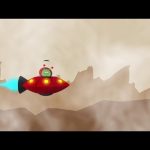
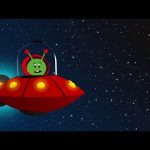
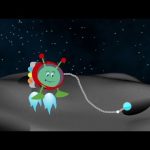
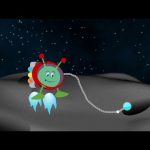
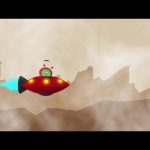
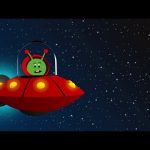
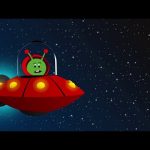
    Este é o Paxi, a mascote educacional da ESA: de onde vem, do que gosta nas viagens espaciais, quem são os seus amigos…

    Este vídeo, destinado a crianças entre os 6 e os 12 anos de idade, apresenta o Paxi, um pequeno extraterrestre originário do planeta Ally-O e que veio à Terra para fazer novos amigos e levar as crianças numa viagem de aventura e exploração do espaço. É o primeiro de uma série de animações em que o Paxi, a mascote educacional da ESA, aborda diferentes aspetos do sistema solar e do Universo, os segredos do planeta Terra e muito mais.
  • Paxi – Rosetta og kometer

    Paxi – Rosetta og kometer

    Følg Paxi til udkanten af solsystemet for at udforske kometernes verden og lære om den fantastiske Rosetta-mission til kometen 67P/Churyumov-Gerasimenko.

    I denne video, som er rettet mod børn i aldersgruppen 6 til 12 år, tager Paxi børnene med for at udforske kometer og se på Rosetta – det fantastiske ESA-rumfartøj, som flyver ved siden af kometen 67P/Churyumov-Gerasimenko, hvorpå den prøver at placere en lander den 12. november 2014.
    Denne video er den tredje i en serie af animationer, hvori Paxi, ESA’s uddannelsesmaskot, kommer ind på forskellige aspekter af solsystemet, universet, hemmelighederne bag planeten Jorden og meget mere.

  • Paxi – Solsystemet

    Paxi – Solsystemet

    Tag med Paxi på hans rejse gennem vores solsystem, fra de klippefyldte indre planeter tæt på Solen, forbi de gigantiske planeter og ud til den iskolde udkant, hvor kometerne hører hjemme.

    I denne video, som er rettet mod børn mellem 6 og 12 år, tager Paxi os med på en rundvisning gennem vores solsystem og besøger alle otte planeter samt andre mindre legemer såsom asteroider, kometer og dværgplaneten Pluto.
    Denne video er den anden i en serie af animationer, hvori Paxi, ESA’s uddannelsesmaskot, kommer ind på forskellige aspekter af solsystemet, universet, hemmelighederne bag planeten Jorden og meget mere.

  • Hvem er Paxi?

    Hvem er Paxi?

    Mød Paxi, ESA’s uddannelsesmaskot: Hvor han kommer fra, hvad han kan lide ved rumrejser, hvem hans venner er…

    Denne video, som er rettet mod børn i aldersgruppen 6 til 12 år, introducerer Paxi, som er et lille rumvæsen fra planeten Ally-O. Han er kommet til Jorden for at møde nye venner og tage børn med på en omgang spændende rumudforskning. Videoen er den første i en serie af animationer, hvori Paxi, ESA’s uddannelsesmaskot, kommer ind på forskellige aspekter af solsystemet, universet, hemmelighederne bag planeten Jorden og meget mere.

  • Rosetta ja komeetat

    Rosetta ja komeetat

    Lähde Paxin mukaan aurinkokunnan laidalle. Löydä komeettojen maailma ja tutustu Rosetan ihmeelliseen matkaan komeetta 67P/Churyumov-Gerasimenkon luo.

    Tällä 6–12-vuotiaille suunnatulla videolla Paxi vie lapset tutkimaan komeettoja ja Rosettaa, ESAn ihmeellistä avaruusalusta, joka lentää 67P/Churyumov-Gerasimenko-komeetan rinnalla ja yrittää laskeutua sille 12. marraskuuta 2014.

    Tällä animaatiosarjan kolmannella videolla Paxi, ESAn koulutusmaskotti, esittelee eri näkökulmista aurinkokuntaa, maailmankaikkeutta, Maa-planeetan salaisuuksia ja paljon, paljon muuta.

  • Kuka on Paxi?

    Kuka on Paxi?

    Tutustu Paxiin, ESAn koulutusmaskottiin: mistä hän tulee, mitä hän pitää avaruusmatkailusta, ketkä ovat hänen ystäviään…

    Tämä videomme on suunniteltu 6–12-vuotiaille lapsille. Videolla esiintyy Paxi, pieni avaruusolento, joka tulee Ally-O-planeetalta. Paxi on tullut Maahan tutustumaan uusiin ystäviin, ja hän ottaa lapset mukaansa seikkailulle tutkimaan avaruutta. Animaatiosarjan ensimmäisellä videolla Paxi, ESAn koulutusmaskotti, esittelee eri näkökulmista aurinkokuntaa, maailmankaikkeutta, Maa-planeetan salaisuuksia ja paljon, paljon muuta.

  • Paxi – Rosetta y komety

    Paxi – Rosetta y komety

    Leć z Paxim do granic Układu Słonecznego, aby odkryć świat komet i dowiedzieć się więcej o niesamowitej misji statku Rosetta do komety 67P/Czuriumow-Gierasimienko.

    W tym filmie, przeznaczonym dla dzieci w wieku od 6 do 12 lat, Paxi zabiera dzieci ze sobą, aby pokazać im komety i niesamowity statek kosmiczny ESA Rosetta, lecący obok komety 67P/Czuriumow-Gierasimienko, a także próbę umieszczenia na niej lądownika, jaka miała miejsce 12 listopada 2014 r.

    Film ten jest trzecią z całej serii animacji, w których Paxi, edukacyjna maskotka ESA, przedstawia różne zagadnienia związane z Układem Słonecznym, Wszechświatem, tajemnicami planety Ziemi i wiele innych tematów.

  • Paxi – Sonnensystem

    Paxi – Sonnensystem

    Przyłącz się do Paxiego podczas jego podróży przez nasz Układ słoneczny, rozpoczynającej się od skalistych planet wewnętrznych położonych blisko Słońca, poprzez planety-olbrzymy, aż do mroźnych granic, gdzie zamieszkują komety.

    W tym filmie, przeznaczonym dla dzieci w wieku od 6 do 12 lat, Paxi zabiera nas na wycieczkę po naszym Układzie Słonecznym. Odwiedzimy wszystkie osiem planet i inne pomniejsze obiekty, takie jak asteroidy, komety oraz karłowatą planetę Pluton.

    Film ten jest drugą z całej serii animacji, w których Paxi, edukacyjna maskotka ESA, przedstawia różne zagadnienia związane z Układem Słonecznym, Wszechświatem, tajemnicami planety Ziemi i wiele innych tematów.

  • Kim jest Paxi?

    Kim jest Paxi?

    Poznajcie Paxiego, edukacyjną maskotkę ESA: skąd pochodzi, co lubi w podróżach kosmicznych, kim są jego przyjaciele…

    Niniejszy film przeznaczony jest dla dzieci w wieku od 6 do 12 lat i przedstawia Paxiego – małego kosmitę, który przybył na Ziemię z planety Ally-O, aby zdobyć nowych przyjaciół i zabrać dzieci w pełną przygód podróż na podbój kosmosu. Jest to pierwsza z całej serii animacji, w których Paxi, edukacyjna maskotka ESA, przedstawia różne zagadnienia związane z Układem Słonecznym, Wszechświatem, tajemnicami planety Ziemi i wiele innych tematów.

  • Paxi – Rosetta a komety

    Paxi – Rosetta a komety

    Následujte Paxiho k okraji sluneční soustavy, objevte svět komet a naučte se něco o úžasné misi Rosetta ke kometě 67P/Churyumov-Gerasimenko.

    V tomto videu určeném pro děti od 6 do 12 let Paxi vezme děti na objevování komet a Rosetty, skvělé kosmické lodi ESA létající po boku komety 67P/Churyumov-Gerasimenko, na kterou 12. listopadu 2014 vypustila přistávací modul.

    Jedná se o třetí ze série animací, ve které se Paxi, vzdělávací maskot ESA, dotýká různých aspektů sluneční soustavy, vesmíru, tajemství planety Země a mnoha dalších zajímavostí.

  • Paxi – Sluneční soustava

    Paxi – Sluneční soustava

    Přidejte se k Paximu na cestě naší sluneční soustavou, od skalnatých vnitřních planet blízkých Slunci, přes obří planety až k mrazivému okraji, domovu komet.

    V tomto videu určeném pro děti od 6 do 12 let vás Paxi vezme na prohlídku naší sluneční soustavy, na návštěvu všech osmi planet a dalších menších těles jako asteroidů, komet a na trpasličí planetu Pluto.

    Jedná se o druhou ze série animací, ve které se Paxi, vzdělávací maskot ESA, dotýká různých aspektů sluneční soustavy, vesmíru, tajemství planety Země a mnoha dalších zajímavostí.

  • Paxi – Rosetta şi cometele

    Paxi – Rosetta şi cometele

    Urmează-l pe Paxi la marginea Sistemului Solar pentru a descoperi lumea cometelor şi pentru a afla mai multe despre uimitoarea misiune Rosetta către cometa 67P / Ciuriumov-Gherasimenko.

    În acest video, destinat copiilor cu vârste cuprinse între 6 şi 12 ani, Paxi îi va lua cu el pe copii într-o călătorie pentru a descoperi cometele şi pe Rosetta, uluitoarea navă spaţială a ESA care zboară alături de cometa 67P / Ciuriumov-Gherasimenko şi care va încerca, la data de 12 noiembrie 2014, să plaseze o sondă de aterizare pe aceasta.

    Acest videoclip este al treilea dintr-o serie de desene animate în care Paxi, mascota educaţională a ESA, abordează diferite aspecte ale Sistemului Solar, Universul, secretele planetei Pământ şi multe altele.

  • Paxi – Sistemul Solar

    Paxi – Sistemul Solar

    Alăturaţi-vă lui Paxi într-o călătorie prin Sistemul nostru solar, dinspre planetele interne stâncoase, situate mai aproape de Soare, trecând pe lângă planetele gigante şi până la marginea îngheţată a Sistemului, căminul cometelor.

    În acest video, destinat copiilor cu vârste cuprinse între 6 şi 12 ani, Paxi ne conduce într-un tur al Sistemului nostru solar, vizitând toate cele opt planete şi alte corpuri cereşti minore, cum ar fi asteroizi, comete şi planeta pitică Pluto.
    Acest videoclip este al doilea dintr-o serie de desene animate în care Paxi, mascota educaţională a ESA, abordează diferite aspecte ale Sistemului Solar, Universul, secretele planetei Pământ şi multe altele.

  • Cine este Paxi?

    Cine este Paxi?

    Faceţi cunoştinţă cu Paxi, mascota educaţională a ESA: veţi afla de unde vine, de ce îi plac călătoriile prin spaţiu, care sunt prietenii lui…

    Acest videoclip, destinat copiilor cu vârste cuprinse între 6 şi 12, ni-l prezintă pe Paxi, un micuţ extraterestru de pe planeta Ally-O, care a venit pe Pământ pentru a-şi face prieteni noi şi pentru a-i lua pe copii într-o călătorie plină de aventuri, în cadrul căreia să exploreze spaţiul. Acesta este primul dintr-o serie de desene animate în care Paxi, mascota educaţională a ESA, abordează diferite aspecte ale Sistemului Solar, Universul, secretele planetei Pământ şi multe altele.

  • ESA – Space to Relax / Earth & Mars: 2 Planets, 1 Blueprint

    ESA – Space to Relax / Earth & Mars: 2 Planets, 1 Blueprint

    Watch landscapes easily blend from one world to the other in this gallery of Earth and Mars images taken from space.

    Images: ESA/DLR/FU Berlin
    Music: Crystals licensed by Ambient Music Garden.

  • Introduction to Astrobiology

    Introduction to Astrobiology

    In this introductory lecture, Dr. Gerda Horneck of the DLR Institute of Aerospace Medicine in Cologne describes Astrobiology as a newly emerging field of science.

    Astrobiology comprises the study of the overall pattern of chemical evolution of potential precursors of life, in the interstellar medium, and on the planets and small bodies of our solar system. Astrobiology also consists of studying the history of life on Earth back to its roots, deciphering the environments of planets in our solar system and of their satellites and searching for other planetary systems in our Galaxy.

    Hereby, Astrobiology provides clues to the understanding of the origin, evolution and distribution of life and its interaction with the environment, here on Earth and in the Universe.

  • ScienceCasts: Alien Matter in the Solar System

    ScienceCasts: Alien Matter in the Solar System

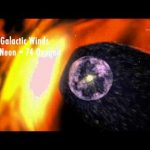
    “Alien matter” detected by a NASA spacecraft orbiting Earth shows that the chemical make-up of our solar system differs from that of the surrounding galaxy. Researchers discuss the possible meaning of this mismatch in this week’s ScienceCast video.
    Visit http://science.nasa.gov/ for more.

  • ESA Euronews: A caccia di esopianeti!

    ESA Euronews: A caccia di esopianeti!

    Pegaso 51 B è il nome che è stato dato al primo pianeta extra sistema solare scoperto nel 1995. Da allora ne sono stati scoperti altri 500. Space è andato a perlustare i recessi della ricerca su queste porzioni di universo.

  • ESA Euronews: Segredos de Saturno

    ESA Euronews: Segredos de Saturno

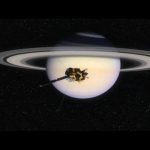
    Há algumas décadas, para observar Saturno, os cientistas recorriam a
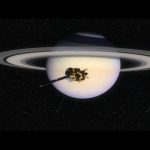
    telescópios. Hoje em dia, os segredos de Saturno e da sua misteriosa lua Titã são revelados graças aos dados e imagens enviados pela missão Cassini-Huygens. Saturno nunca antes visto, é o tema de Space esta semana.

  • ESA Euronews: Los secretos de Saturno

    ESA Euronews: Los secretos de Saturno

    Hasta hace algunas décadas para ver Saturno la ciencia tenía que mirar a
    través de telescópios. Hoy Saturno y su misteriosa luna Titán son nuevos
    conocidos gracias a la misión Cassini-Huygens que desde 2004 envía imágenes y datos. Una aventura que está cambiando la percepción que hasta ahora teníamos de nuestro Sistema Solar.

  • ESA Euronews: Der Saturn gibt seine Geheimnisse preis

    ESA Euronews: Der Saturn gibt seine Geheimnisse preis

    Noch vor einigen Jahrzehnten konnte man den Saturn nur mit dem Teleskop
    beobachten. Heute lüftet die Cassini-Huygens-Mission mit ihren Bildern die
    Geheimnisse des Saturnsystems und liefert Antworten auf entscheidende
    wissenschaftliche Fragen.

  • Using LEGO®  to simulate ESA’s touchdown on a comet

    Using LEGO® to simulate ESA’s touchdown on a comet

    Comets are primeval leftovers from the origins of the Solar System. To fully understand these ancient objects and perhaps the origins of life on Earth, ESA’s Rosetta mission will rendezvous with comet Churyumov-Gerasimenko in 2014. In November of that year, Rosetta’s Philae lander will touchdown on the comet and thoroughly investigate its composition.

    Copyright © Lightcurve Films/Maarten Roos, ESA, DLR, Europlanet, LEGO

  • ESA Space Scientist Detlef Koschny explains why he originally built Rosetta in LEGO®

    ESA Space Scientist Detlef Koschny explains why he originally built Rosetta in LEGO®

    Space missions are complicated pieces of orbital choreography. When planning a mission, spacecraft engineers must calculate how to point the solar panels towards the Sun, the main antenna towards Earth and the instruments towards the target. ESA Space Scientist Detlef Koschny build a LEGO model of Rosetta mission in order to visualise these precise orientations.

    Copyright © Lightcurve Films/Maarten Roos, ESA, DLR, Europlanet, LEGO

  • ESA Space Scientist Detlef Koschny demonstrates the prototype LEGO®  Philae lander

    ESA Space Scientist Detlef Koschny demonstrates the prototype LEGO® Philae lander

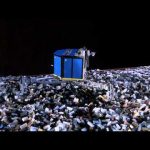
    Built using LEGO Mindstorms, the Philae lander model can be controlled using a home computer. It can rotate and move the drill up and down to simulate the behaviour of the real lander. As part of ESA’s Rosetta space mission, Philae will land on comet Churyumov-Gerasimenko in November 2014 to study its composition.

    Copyright © Lightcurve Films/Maarten Roos, ESA, DLR, Europlanet, LEGO

  • Understanding the Universe with ESA’s next science missions

    Understanding the Universe with ESA’s next science missions

    Herschel will investigate how stars and galaxies formed and how they continue to form in our own and other galaxies, meanwhile Planck will look back at the dawn of time, helping astronomers to study the birth and evolution of the Universe.