
Shawn Goodman is an engineer at NASA’s Jet Propulsion Laboratory in Pasadena, California. He currently serves as the Deputy Division Manager for the Mechanical Systems Fabrication and Test Division. Additionally, he is the Project System Engineer and Engineering Technical Authority for the agency’s Soil Moisture Active Passive (SMAP) Mission. SMAP is the first Earth satellite designed to collect global observations of the vital soil moisture hidden just beneath our feet. Its high resolution space-based measurements will give scientists a new capability to better predict natural hazards of extreme weather, climate change, floods and droughts and improve our understanding of Earth’s water, energy and carbon cycles.
Blog
-
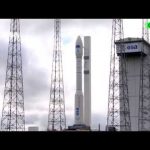
Replay of Vega liftoff VV04 with IXV
Replay of the liftoff of Vega VV04 with ESA’s Intermediate eXperimental Vehicle, IXV, launched from Kourou, French Guiana on 11 February 2015.
IXV was launched 340 km into space atop a Vega rocket, VV04, from Kourou in French Guiana on 11 February 2015. After separation from Vega, IXV coasted to 412 km before beginning a punishing glide back through the atmosphere. During its autonomous flight, IXV tested the latest technologies and critical systems to extend Europe’s capability for space exploration.
More about IXV: http://www.esa.int/Our_Activities/Launchers/IXV
Connect with IXV on Twitter: twitter.com/esa_ixvCredits: ESA/Arianespace
-
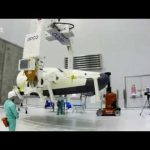
IXV ready for liftoff
This time-lapse video shows IXV’s preparation, fairing encapsulation, transfer to the Vega mobile gantry and upper composite integration on the Vega launcher, at Europe’s Spaceport in Kourou, French Guiana, in January 2015. IXV will be launched 340 km into space on top of a Vega rocket, flight VV04, climbing to 412 km before beginning a long glide back through the atmosphere. During the flight, IXV will test the latest technologies and critical systems to help guide the design of future spaceplanes.
More about IXV:
http://www.esa.int/ixvCredit/Copyrights
Directed by Stephane Corvaja, ESA
Edited by Manuel Pedoussaut, Zetapress
Music: Hubrid-The Deep -
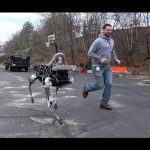
Introducing Spot Classic (previously Spot)
Spot Classic is a four-legged robot designed for indoor and outdoor operation. It is electrically powered and hydraulically actuated. Spot Classic has a sensor head that helps it navigate and negotiate rough terrain. Spot Classic weighs about 160 lbs.
-

The State of NASA on This Week @NASA
NASA Administrator Charles Bolden, speaking during his Feb. 2 “State of NASA” address at Kennedy Space Center in Florida after the release of President Obama’s Fiscal Year 2016 $18.5 billion budget proposal for NASA said, “I can unequivocally say that the State of NASA is strong.” The proposed budget is a half-billion-dollar increase over last year’s enacted budget, which, the Administrator noted, “is a clear vote of confidence to you – the employees of NASA and the ambitious exploration program you are executing.” The budget facilitates NASA’s plan moving forward, which includes development of new vehicles and technologies needed for unprecedented human missions to an asteroid and to Mars, commercial partnerships to provide transportation to and from the International Space Station from the United States and research on the station for the benefit of future deep space travelers and people living on our home planet. Also, New views of Pluto, Soil moisture mission underway and Virginia Aerospace Day!
-
Paxi – Rosetta et les comètes
Suis Paxi aux frontières du système solaire pour découvrir le monde des comètes et en apprendre plus sur l’incroyable mission « Rosetta » sur la comète 67P/Churyumov-Gerasimenko.
Dans cette vidéo, destinée aux enfants de 6 à 12 ans, Paxi emmène les enfants à la découverte des comètes et de Rosetta, l’incroyable engin spatial de l’ESA qui vole aux côtés de la comète 67P/Churyumov-Gerasimenko et qui va essayer, le 12 novembre 2014, d’y envoyer un petit robot.
Cette vidéo est la troisième d’une série d’animations dans lesquelles Paxi, la mascotte du bureau de l’éducation de l’ESA, vous fait découvrir différents aspects du système solaire, de l’Univers, des secrets de la planète Terre et bien plus encore.
Credit: ESA; produced by Science Office, illustrations by Kaleidoscope Design, NL
Qui est Paxi ? : http://youtu.be/aWxtjvRzyRQ
Paxi – Le système solaire: http://youtu.be/shQJd3oGYn8
Paxi – Rosetta et les comètes: http://youtu.be/5nHMTpl4aUkThese videos are also available in the following languages:
English: https://www.youtube.com/playlist?list=PLbyvawxScNbucdsnNdB9p89RmePmGv5cM
Spanish: https://www.youtube.com/playlist?list=PLbyvawxScNbsiYWkwXlb3WMdm2IFWoMyc
Dutch: https://www.youtube.com/playlist?list=PLbyvawxScNbs-7xR5B6QgJeEK89RtGdoK
Italian: https://www.youtube.com/playlist?list=PLbyvawxScNbt11Hfg6Cww2ckfHnvXeOdv
German: https://www.youtube.com/playlist?list=PLbyvawxScNbvwcIVrGQV4p6g6cp9pH0To -
Paxi – Le système solaire
Rejoins Paxi dans son voyage à travers le système solaire, depuis les planètes rocheuses proches du Soleil en passant par les planètes géantes aux abords très froids et le lieu où séjournent les comètes.
Dans cette vidéo, destinée aux enfants de 6 à 12 ans, Paxi nous emmène dans une visite du système solaire, ses huit planètes et ses autres plus petits objets tels que les astéroïdes, les comètes et la planète naine Pluton.
Cette vidéo est la seconde d’une série d’animations dans lesquelles Paxi, la mascotte du bureau de l’éducation de l’ESA, vous fait découvrir différents aspects du système solaire, de l’Univers, des secrets de la planète Terre et bien plus encore.
Credit: ESA; produced by Science Office, illustrations by Kaleidoscope Design, NL
Qui est Paxi ? : http://youtu.be/aWxtjvRzyRQ
Paxi – Le système solaire: http://youtu.be/shQJd3oGYn8
Paxi – Rosetta et les comètes: http://youtu.be/5nHMTpl4aUkThese videos are also available in the following languages:
English: https://www.youtube.com/playlist?list=PLbyvawxScNbucdsnNdB9p89RmePmGv5cM
Spanish: https://www.youtube.com/playlist?list=PLbyvawxScNbsiYWkwXlb3WMdm2IFWoMyc
Dutch: https://www.youtube.com/playlist?list=PLbyvawxScNbs-7xR5B6QgJeEK89RtGdoK
Italian: https://www.youtube.com/playlist?list=PLbyvawxScNbt11Hfg6Cww2ckfHnvXeOdv
German: https://www.youtube.com/playlist?list=PLbyvawxScNbvwcIVrGQV4p6g6cp9pH0To -
Qui est Paxi ?
Viens à la rencontre de Paxi, la mascotte du bureau de l’éducation de l’ESA : d’où vient-il ? qu’aime-t-il dans ses voyages spatiaux, qui sont ses amis …
Cette vidéo, destinée aux enfants entre 6 et 12 ans, présente Paxi, un petit extraterrestre qui vient de la planète Ally-O et qui est venu sur Terre pour se faire de nouveaux amis et emmener les enfants dans la grande aventure de l’exploration spatiale.
Cette vidéo est la première d’une série d’animations dans lesquelles Paxi, la mascotte du bureau de l’éducation de l’ESA, vous fait découvrir différents aspects du système solaire, de l’Univers, des secrets de la planète Terre et bien plus encore.
Credit: ESA; produced by Science Office, illustrations by Kaleidoscope Design, NL
Qui est Paxi ? : http://youtu.be/aWxtjvRzyRQ
Paxi – Le système solaire: http://youtu.be/shQJd3oGYn8
Paxi – Rosetta et les comètes: http://youtu.be/5nHMTpl4aUkThese videos are also available in the following languages:
English: https://www.youtube.com/playlist?list=PLbyvawxScNbucdsnNdB9p89RmePmGv5cM
Spanish: https://www.youtube.com/playlist?list=PLbyvawxScNbsiYWkwXlb3WMdm2IFWoMyc
Dutch: https://www.youtube.com/playlist?list=PLbyvawxScNbs-7xR5B6QgJeEK89RtGdoK
Italian: https://www.youtube.com/playlist?list=PLbyvawxScNbt11Hfg6Cww2ckfHnvXeOdv
German: https://www.youtube.com/playlist?list=PLbyvawxScNbvwcIVrGQV4p6g6cp9pH0To -
Paxi – Rosetta und Kometen
Begleite Paxi an den Rand unseres Sonnensystems, entdecke das Reich der Kometen und lerne mehr über die erstaunliche Mission Rosetta zum Kometen 67P/Churyumov-Gerasimenko.
In diesem Video, das sich an Kinder zwischen 6 und 12 Jahren richtet, nimmt Paxi Kinder mit auf die Reise um mehr über Kometen und die spektakuläre Mission „Rosetta“ zu lernen: Die Raumsonde der ESA, die um den Kometen 67P/Churyumov-Gerasimenko kreist und am 12 November 2014 versuchen wird ein Mini-Labor darauf zu landen.
Dieses Video ist die dritte einer Serie von Animationen mit Paxi, dem Maskottchen von ESA-Education, in denen verschiedene Aspekte unseres Sonnensystems, das Universum, Geheimnisse des Planeten Erde und vieles andere thematisiert werden.
Credit: ESA; produced by Science Office, illustrations by Kaleidoscope Design, NL
Wer ist Paxi? http://youtu.be/-uXtNhRr060
Paxi – Das Sonnensystem http://youtu.be/N7ezarEYKxk
Paxi – Rosetta und Kometen http://youtu.be/QAxCiaUwY-UThese videos are also available in the following languages:
English: https://www.youtube.com/playlist?list=PLbyvawxScNbucdsnNdB9p89RmePmGv5cM
Spanish: https://www.youtube.com/playlist?list=PLbyvawxScNbsiYWkwXlb3WMdm2IFWoMyc
Dutch: https://www.youtube.com/playlist?list=PLbyvawxScNbs-7xR5B6QgJeEK89RtGdoK
Italian: https://www.youtube.com/playlist?list=PLbyvawxScNbt11Hfg6Cww2ckfHnvXeOdv
French: https://www.youtube.com/playlist?list=PLbyvawxScNbsiKIAXeo63bGr1QjYJ4QiL -
Paxi – Das Sonnensystem
Begleite Paxi auf seiner Reise durch unser Sonnensystem, von den felsigen inneren Planten in der Nähe der Sonne vorbei an den gigantischen Gasplaneten bis zum eiskalten äußeren Rand des Sonnensystems, der Heimat der Kometen.
In diesem Video, das sich an Kinder zwischen 6 und 12 Jahren richtet, unternimmt Paxi eine Tour durch unser Sonnensystem und besucht dabei alle acht Planten sowie andere kleiner Himmelkörper wie Asteroiden, Kometen und den Zwergplanten Pluto.
Dieses Video ist die zweite einer Serie von Animationen mit Paxi, dem Maskottchen von ESA-Education, in denen verschiedene Aspekte unseres Sonnensystems, das Universum, Geheimnisse des Planeten Erde und vieles andere thematisiert werden.
Credit: ESA; produced by Science Office, illustrations by Kaleidoscope Design, NL
Wer ist Paxi? http://youtu.be/-uXtNhRr060
Paxi – Das Sonnensystem http://youtu.be/N7ezarEYKxk
Paxi – Rosetta und Kometen http://youtu.be/QAxCiaUwY-UThese videos are also available in the following languages:
English: https://www.youtube.com/playlist?list=PLbyvawxScNbucdsnNdB9p89RmePmGv5cM
Spanish: https://www.youtube.com/playlist?list=PLbyvawxScNbsiYWkwXlb3WMdm2IFWoMyc
Dutch: https://www.youtube.com/playlist?list=PLbyvawxScNbs-7xR5B6QgJeEK89RtGdoK
Italian: https://www.youtube.com/playlist?list=PLbyvawxScNbt11Hfg6Cww2ckfHnvXeOdv
French: https://www.youtube.com/playlist?list=PLbyvawxScNbsiKIAXeo63bGr1QjYJ4QiL -
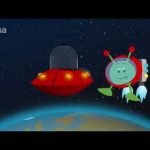
Wer ist Paxi?
Lerne das Maskottchen von ESA-Education kennen: Paxi. Erfahre wo er herkommt, warum er es so mag durch das Weltall zu reisen, wer seine Freunde sind …
Dieses Video richtet sich an Kinder zwischen 6 und 12 Jahren und stellt PAXI vor, ein kleiner Außerirdischer vom Planeten Ally-O, der zur Erde gekommen ist um neue Freunde zu treffen sowie Kinder mit auf abenteuerliche Reisen zu nehmen und mit ihnen den Weltraum zu erkunden. Es ist die erste einer Serie von Animationen mit PAXI, dem Maskottchen von ESA-Education, in denen verschiedene Aspekte unseres Sonnensystems, das Universum, Geheimnisse des Planeten Erde und vieles andere thematisiert werden.
Credit: ESA; produced by Science Office, illustrations by Kaleidoscope Design, NL
Wer ist PAXI? http://youtu.be/-uXtNhRr060
Paxi – Das Sonnensystem http://youtu.be/N7ezarEYKxk
Paxi – Rosetta und Kometen http://youtu.be/QAxCiaUwY-UThese videos are also available in the following languages:
English: https://www.youtube.com/playlist?list=PLbyvawxScNbucdsnNdB9p89RmePmGv5cM
Spanish: https://www.youtube.com/playlist?list=PLbyvawxScNbsiYWkwXlb3WMdm2IFWoMyc
Dutch: https://www.youtube.com/playlist?list=PLbyvawxScNbs-7xR5B6QgJeEK89RtGdoK
Italian: https://www.youtube.com/playlist?list=PLbyvawxScNbt11Hfg6Cww2ckfHnvXeOdv
French: https://www.youtube.com/playlist?list=PLbyvawxScNbsiKIAXeo63bGr1QjYJ4QiL -
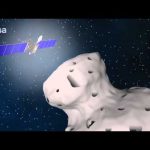
Paxi – Rosetta e le comete
Seguite Paxi ai confini del Sistema Solare per scoprire il mondo delle comete e saperne di più sull’incredibile missione di Rosetta verso la cometa 67P/Churyumov-Gerasimenko.
In questo video, indirizzato a bambini tra i 6 e i 12 anni, Paxi porta i bambini alla scoperta di comete e Rosetta, l’incredibile sonda dell’ESA che vola insieme alla cometa 67P/Churyumov-Gerasimenko e che proverà, il 12 Novembre 2014, a rilasciare un veicolo d’atterraggio su di essa.
Questo video è il terzo di una serie di animazioni in cui Paxi, la mascotte dell’Education Office dell’ESA, descrive diverse caratteristiche del Sistema Solare, dell’Universo, i segreti del pianeta Terra e molto altro.
Credit: ESA; produced by Science Office, illustrations by Kaleidoscope Design, NL
Chi è Paxi? http://youtu.be/gKQYsjr4fis
Paxi – Il Sistema Solare http://youtu.be/A9bEEiXWYEc
Paxi – Rosetta e le comete http://youtu.be/z6zCjaUcwfQThese videos are also available in the following languages:
English: https://www.youtube.com/playlist?list=PLbyvawxScNbucdsnNdB9p89RmePmGv5cM
Spanish: https://www.youtube.com/playlist?list=PLbyvawxScNbsiYWkwXlb3WMdm2IFWoMyc
Dutch: https://www.youtube.com/playlist?list=PLbyvawxScNbs-7xR5B6QgJeEK89RtGdoK
German: https://www.youtube.com/playlist?list=PLbyvawxScNbvwcIVrGQV4p6g6cp9pH0To
French: https://www.youtube.com/playlist?list=PLbyvawxScNbsiKIAXeo63bGr1QjYJ4QiL -
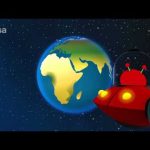
Paxi – Il Sistema Solare
Unitevi a Paxi in un viaggio attraverso il nostro Sistema Solare, dai pianeti rocciosi più interni e vicini al Sole, passando per i pianeti giganti fino ad arrivare ai confini ghiacciati da dove le comete hanno origine.
In questo video, indirizzato a bambini tra i 6 e i 12 anni, Paxi ci porta in un viaggio esplorativo del nostro Sistema Solare, visitando tutti gli otto pianeti e altri corpi minori come asteroidi, comete e il pianeta nano Plutone.
Questo video è il secondo di una serie di animazioni in cui Paxi, la mascotte dell’Education Office dell’ESA, descrive diverse caratteristiche del Sistema Solare, dell’Universo, i segreti del pianeta Terra e molto altro.
Credit: ESA; produced by Science Office, illustrations by Kaleidoscope Design, NL
Chi è Paxi? http://youtu.be/gKQYsjr4fis
Paxi – Il Sistema Solare http://youtu.be/A9bEEiXWYEc
Paxi – Rosetta e le comete http://youtu.be/z6zCjaUcwfQThese videos are also available in the following languages:
English: https://www.youtube.com/playlist?list=PLbyvawxScNbucdsnNdB9p89RmePmGv5cM
Spanish: https://www.youtube.com/playlist?list=PLbyvawxScNbsiYWkwXlb3WMdm2IFWoMyc
Dutch: https://www.youtube.com/playlist?list=PLbyvawxScNbs-7xR5B6QgJeEK89RtGdoK
German: https://www.youtube.com/playlist?list=PLbyvawxScNbvwcIVrGQV4p6g6cp9pH0To
French: https://www.youtube.com/playlist?list=PLbyvawxScNbsiKIAXeo63bGr1QjYJ4QiL -
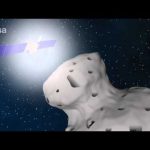
Paxi – Rosetta en kometen
Volg Paxi tot de rand van onze zonnestelsel om een wereld van kometen te ontdekken, en te leren over de verbazingwekkende Rosetta missie naar de komeet 67P/Churyumov-Gerasimenko.
In deze video, met als doelgroep kinderen tussen de 6 en 12 jaar oud, neemt Paxi kinderen met hem mee om kometen en Rosetta te ontdekken, de verbazingwekkende ESA ruimtevaartuig die naast komeet 67P/Churyumov-Gerasimenko vliegt en op 12 November 2014 een poging zal doen om een lander te landen.
Deze video is de derde in een animatie serie waarin Paxi, de mascotte van ESA Education, verschillende aspecten van het zonnestelsel, het universum, de geheimen van planeet aarde, en nog veel meer zal toelichten.
Credit: ESA; produced by Science Office, illustrations by Kaleidoscope Design, NL
Wie is Paxi? http://youtu.be/6iWfNh8RcJQ
Paxi – Het zonnestelsel http://youtu.be/4lSQE8LCDiU
Paxi – Rosetta en kometen http://youtu.be/6ItAdZNwMEgThese videos are also available in the following languages:
English: https://www.youtube.com/playlist?list=PLbyvawxScNbucdsnNdB9p89RmePmGv5cM
Spanish: https://www.youtube.com/playlist?list=PLbyvawxScNbsiYWkwXlb3WMdm2IFWoMyc
Italian: https://www.youtube.com/playlist?list=PLbyvawxScNbt11Hfg6Cww2ckfHnvXeOdv
German: https://www.youtube.com/playlist?list=PLbyvawxScNbvwcIVrGQV4p6g6cp9pH0To
French: https://www.youtube.com/playlist?list=PLbyvawxScNbsiKIAXeo63bGr1QjYJ4QiL -
Paxi – Het zonnestelsel
Ga mee met Paxi op een reis door onze zonnestelsel, van de rotsachtige planeten dichtbij de zon, voorbij de reuzenplaneten, tot de ijskoude rand waar kometen zich bevinden.
In deze video, met als doelgroep kinderen tussen de 6 en 12 jaar oud, neemt Paxi ons mee op een tour door ons zonnestelsel, waar we acht planeten zullen bezoeken en andere kleinere lichamen zoals asteroïden, kometen en de dwergplaneet Pluto.
Deze video is de tweede in een animatie serie waarin Paxi, de mascotte van ESA Education, verschillende aspecten van het zonnestelsel, het universum, de geheimen van planeet aarde, en nog veel meer zal toelichten.
Credit: ESA; produced by Science Office, illustrations by Kaleidoscope Design, NL
Wie is Paxi? http://youtu.be/6iWfNh8RcJQ
Paxi – Het zonnestelsel http://youtu.be/4lSQE8LCDiU
Paxi – Rosetta en kometen http://youtu.be/6ItAdZNwMEgThese videos are also available in the following languages:
English: https://www.youtube.com/playlist?list=PLbyvawxScNbucdsnNdB9p89RmePmGv5cM
Spanish: https://www.youtube.com/playlist?list=PLbyvawxScNbsiYWkwXlb3WMdm2IFWoMyc
Italian: https://www.youtube.com/playlist?list=PLbyvawxScNbt11Hfg6Cww2ckfHnvXeOdv
German: https://www.youtube.com/playlist?list=PLbyvawxScNbvwcIVrGQV4p6g6cp9pH0To
French: https://www.youtube.com/playlist?list=PLbyvawxScNbsiKIAXeo63bGr1QjYJ4QiL -
Wie is Paxi?
Ontmoet Paxi, de mascotte van ESA Education: waar hij vandaan komt, wat hij leuk vindt aan ruimtereizen, wie zijn vrienden zijn…
Deze video, met als doelgroep kinderen tussen de 6 en 12 jaar oud, introduceert Paxi, een kleine alien van de planeet Ally-O, die naar planeet aarde is gekomen om nieuwe vrienden te ontmoeten en kinderen op een avontuurlijke reis mee te nemen om de ruimte te verkennen. Het is de eerste in een animatie serie waarin Paxi, de mascotte van ESA Education, verschillende aspecten van het zonnestelsel, het universum, de geheimen van planeet aarde, en nog veel meer zal toelichten.
Credit: ESA; produced by Science Office, illustrations by Kaleidoscope Design, NL
Wie is Paxi? http://youtu.be/6iWfNh8RcJQ
Paxi – Het zonnestelsel http://youtu.be/4lSQE8LCDiU
Paxi – Rosetta en kometen http://youtu.be/6ItAdZNwMEgThese videos are also available in the following languages:
English: https://www.youtube.com/playlist?list=PLbyvawxScNbucdsnNdB9p89RmePmGv5cM
Spanish: https://www.youtube.com/playlist?list=PLbyvawxScNbsiYWkwXlb3WMdm2IFWoMyc
Italian: https://www.youtube.com/playlist?list=PLbyvawxScNbt11Hfg6Cww2ckfHnvXeOdv
German: https://www.youtube.com/playlist?list=PLbyvawxScNbvwcIVrGQV4p6g6cp9pH0To
French: https://www.youtube.com/playlist?list=PLbyvawxScNbsiKIAXeo63bGr1QjYJ4QiL -
Paxi – Rosetta y los cometas
Sigue a Paxi hasta los confines del Sistema Solar para descubrir el mundo de los cometas y aprender sobre la asombrosa misión Rosetta hacia el cometa 67P/ Churyumov-Gerasimenko.
En este vídeo, destinado a niños de entre 6 y 12 años, Paxi se lleva a los niños con él a descubrir cometas y Rosetta, la asombrosa nave de la ESA que vuela junto al cometa 67P/ Churyumov-Gerasimenko al que intentará, el 12 de Noviembre 2014, aterrizar mediante un módulo de aterrizaje.
Este vídeo es el tercero de una serie de animaciones en las que Paxi, la mascota de la Oficina de Educación de la ESA, explica diferentes aspectos del Sistema Solar, el Universo, los secretos del planeta Tierra y mucho más.
Credit: ESA; produced by Science Office, illustrations by Kaleidoscope Design, NL
Quién es Paxi? http://youtu.be/V1rkchtH2_I
Paxi – El Sistema Solar http://youtu.be/vQIsQK4m7Qk
Paxi – Rosetta y los cometas http://youtu.be/N5Yq42XgYHUThese videos are also available in the following languages:
English: https://www.youtube.com/playlist?list=PLbyvawxScNbucdsnNdB9p89RmePmGv5cM
Dutch: https://www.youtube.com/playlist?list=PLbyvawxScNbs-7xR5B6QgJeEK89RtGdoK
Italian: https://www.youtube.com/playlist?list=PLbyvawxScNbt11Hfg6Cww2ckfHnvXeOdv
German: https://www.youtube.com/playlist?list=PLbyvawxScNbvwcIVrGQV4p6g6cp9pH0To
French: https://www.youtube.com/playlist?list=PLbyvawxScNbsiKIAXeo63bGr1QjYJ4QiL -
Paxi – El Sistema Solar
Únete a Paxi en su viaje a través de nuestro Sistema Solar, desde los planetas interiores rocosos cercanos al Sol, pasando por los planetas gigantes hasta los confines congelados, hogar de los cometas.
En este vídeo, destinado a niños de entre 6 y 12 años, Paxi nos lleva de viaje a través de nuestro Sistema Solar, visitando todos los ocho planetas y objetos menores como asteroides, cometas y el planeta enano Plutón.
Este vídeo es el segundo de una serie de animaciones en las que Paxi, la mascota de la Oficina de Educación de la ESA, explica diferentes aspectos del Sistema Solar, el Universo, los secretos del planeta Tierra y mucho más.
Credit: ESA; produced by Science Office, illustrations by Kaleidoscope Design, NL
Quién es Paxi? http://youtu.be/V1rkchtH2_I
Paxi – El Sistema Solar http://youtu.be/vQIsQK4m7Qk
Paxi – Rosetta y los cometas http://youtu.be/N5Yq42XgYHUThese videos are also available in the following languages:
English: https://www.youtube.com/playlist?list=PLbyvawxScNbucdsnNdB9p89RmePmGv5cM
Dutch: https://www.youtube.com/playlist?list=PLbyvawxScNbs-7xR5B6QgJeEK89RtGdoK
Italian: https://www.youtube.com/playlist?list=PLbyvawxScNbt11Hfg6Cww2ckfHnvXeOdv
German: https://www.youtube.com/playlist?list=PLbyvawxScNbvwcIVrGQV4p6g6cp9pH0To
French: https://www.youtube.com/playlist?list=PLbyvawxScNbsiKIAXeo63bGr1QjYJ4QiL -
¿Quién es Paxi?
Conoce a Paxi, la mascota de la Oficina de Educación de la ESA: de dónde viene, qué le gusta de los viajes espaciales, quienes son sus amigos…
Este video, destinado a niños de entre 6 y 12 años, presenta a Paxi, un pequeño alienígena que proviene del planeta Ally-O y que ha venido a la Tierra para hacer nuevos amigos en un viaje de exploración espacial lleno de aventuras. Este es el primero de una serie de animaciones en las que Paxi, la mascota de la Oficina de Educación de la ESA, explica diferentes aspectos del Sistema Solar, el Universo, los secretos del planeta Tierra y mucho más.
Credit: ESA; produced by Science Office, illustrations by Kaleidoscope Design, NL
Quién es Paxi? http://youtu.be/V1rkchtH2_I
Paxi – El Sistema Solar http://youtu.be/vQIsQK4m7Qk
Paxi – Rosetta y los cometas http://youtu.be/N5Yq42XgYHUThese videos are also available in the following languages:
English: https://www.youtube.com/playlist?list=PLbyvawxScNbucdsnNdB9p89RmePmGv5cM
Dutch: https://www.youtube.com/playlist?list=PLbyvawxScNbs-7xR5B6QgJeEK89RtGdoK
Italian: https://www.youtube.com/playlist?list=PLbyvawxScNbt11Hfg6Cww2ckfHnvXeOdv
German: https://www.youtube.com/playlist?list=PLbyvawxScNbvwcIVrGQV4p6g6cp9pH0To
French: https://www.youtube.com/playlist?list=PLbyvawxScNbsiKIAXeo63bGr1QjYJ4QiL -
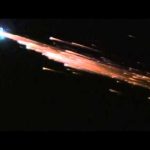
ATV-1 reentry
Europe’s space freighter ATV Jules Verne burning up over an uninhabited area of the Pacific Ocean at the end of its mission.
ATV Jules Verne was the first of ESA’s Automated Transfer Vehicles to bring supplies to the International Space Station and help keep its orbit 400 km above our planet.
A final deorbit burn at 14:58 CEST on 29 September 2008 slowed Jules Verne’s velocity by 70 m/s and spacecraft entered the upper atmosphere at an altitude of 120 km at 15:31 CEST. It broke up at an altitude of 75 km with the remaining fragments falling into the Pacific some 12 minutes later.
The planned reentry into the atmosphere was filmed from a DC-8 aircraft as part of an observation campaign including recording from the Station itself, as well as from two specially-equipped observation planes located in the vicinity of the ATV’s flight path in the skies above the South Pacific. The campaign served to determine whether the vehicle’s breakup matched computer modelling.
Credit: ESA/NASA
-

Balancing Hex Nut Challenge – Sick Science! #228
Check out cool science kits and toys: www.stevespanglerscience.com
See the full experiment here: http://www.stevespanglerscience.com/lab/experiments/balancing-hex-nut-challenge
There are a number of things that can help your balance. You could try walking with books on your hand, walking a tightrope, or taking some ballet classes. If you’re a hex nut, however, you’re going to need some help from magnets and their magnetic fields. Do you think you have the magnetism it takes to master the Balancing Hex Nut Challenge?
Want more experiments like this? Check out http://www.stevespanglerscience.com/product/naked-eggs-and-flying-potatoes
Sick Science™ is a trademark of Steve Spangler, inc.
© 2014 Steve Spangler Science all rights reserved
-
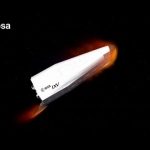
IXV: technologies tested
IXV, Europe’s Intermediate Experimental Vehicle, will soon be launched by Vega into a suborbital path. As it reenters Earth’s atmosphere, IXV will test new critical technologies to advance Europe’s ambition to return autonomously from space.
More about IXV:
http://www.esa.int/Our_Activities/Launchers/IXV -

Administrator Discusses the State of NASA
During his “State of NASA” speech from Kennedy Space Center on Feb. 2, Administrator Charles Bolden touched on the agency’s scientific and technological achievements and the exciting work ahead as NASA pushes farther into the solar system and continues to lead the world in a new era of exploration.
-
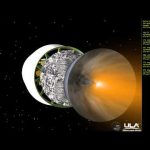
NASA Earth Science Mission Launches
NASA’s Soil Moisture Active Passive (SMAP) spacecraft launched Jan. 31 from California’s Vandenberg Air Force Base. SMAP is the first U.S. Earth-observing satellite designed to collect global observations of surface soil moisture. The mission’s high resolution space-based measurements of soil moisture will give scientists a new capability to better predict natural hazards of extreme weather and improve our understanding of Earth’s water, energy and carbon cycles.
-
ESA Euronews: The dark side
All we can see around us, from planet Earth to distant galaxies, represents just five per cent of the Universe – the rest is dark energy or dark matter. So what do we know and what do we not know about these elusive components of the cosmos?
The simple answer is that we don’t know much about dark matter and even less about dark energy.
However, that could change quite soon thanks to groundbreaking research being done by scientists at ESA and CERN, home to the world’s foremost particle accelerator, the Large Hadron Collider. The LHC’s discovery three years ago of the Higgs Boson set researchers on a voyage of discovery to the dark side of the Universe. They are about to fire up the colossal accelerator again this year, and for the first time at full power. That extra energy is what’s giving optimism for new revelations about dark energy and dark matter. One scientists tells Space: “we might have a discovery even in the first days, if not in the first weeks.”
At the same time ESA is building a new space telescope called Euclid which will watch how the gravity of dark matter acts on galaxies, and how dark energy is pushing the expansion of our Universe.
Find out how science is unraveling the dark mysteries of the cosmos.
This video is also available in the following languages:
French: http://youtu.be/laj4WuHG7Sw
German: http://youtu.be/G9orG0fS3ew
Spanish: http://youtu.be/zR15Z2gisJA
Italian: http://youtu.be/ZEckJH4JTYg
Hungarian: http://youtu.be/jv70GJmFz1M
Greek: http://youtu.be/eL34G_A-OVg
Portuguese: http://youtu.be/XqXJsbzp7G4 -
ESA Euronews: Du côté sombre de l’univers
Une chose est sûre : aujourd’hui encore, notre compréhension de l’univers reste très lacunaire.
Ce que nous pouvons voit autour de nous – de la planète Terre aux lointaines galaxies – ne représente ainsi que 5 % de l’univers.
Alors, qu’y-a-t-il au-delà ?
De la matière noire et de l’énergie sombre, nous disent les scientifiques sans pour autant en avoir percé le mystère.
Deux outils sont à leur disposition pour essayer de résoudre cette énigme cosmique.
À commencer par le Grand collisionneur de hadrons ou LHC.
C’est l’accélérateur de particules le plus grand et le plus puissant du monde et se trouve au CERN, près de Genève.
Il y a trois ans, c’est lui, par exemple, qui a détecté le Boson de Higgs.
En 2015, il est fin prêt pour d’autres prouesses scientifiques. Dans quelque temps, le LHC va, en effet, tourner à plein régime pour la première fois et donc être en mesure d’identifier de la matière noire.
Deuxième outil : Euclid, le télescope spatial construit actuellement par l’ESA, l’Agence spatiale européenne.
Sa mission : étudier l’action de la gravitation de la matière noire sur les galaxies et dire comment cette matière noire contribue à l’expansion de notre univers.
Car oui, l’univers est en constante expansion tout comme l’énergie sombre. -
ESA Euronews: Dunkle Materie und dunkle Energie
Derzeit wissen wir nur wenig über dunkle Materie und fast nichts über dunkle Energie, aber all das könnte sich bald ändern. Physiker und Kosmologen versuchen mit Weltraumteleskop und Teilchenbeschleuniger der dunklen Energie und der dunklen Materie auf die Spur zu kommen.
Das Kernforschungszentrum CERN in der Nähe von Genf beheimatet den großen Hadronenbeschleuniger. Vor drei Jahren entdeckte er das Higgs-Teilchen. Dieses Jahr hat er sich viel vorgenommen. Die Physiker hoffen mit ihm zum ersten Mal Partikel der dunklen Materie zu produzieren.
Eine solche Entdeckung würde wahrhaft kosmische Folgen haben, denn alles – Planeten, Sterne und Galaxien – steht unter dem Einfluss von dunkler Materie und dunkler Energie. Die neuen Erkenntnisse werden wir nicht nur dem Hadronenbeschleuniger zu verdanken haben. Die Europäische Weltraumorganisation, ESA, baut Euclid, ein neues Weltraumteleskop. Es soll die Tiefen des Universums neu vermessen und beobachten, wie sich die Gravität der dunklen Materie auf die Galaxien auswirkt und wie die dunkle Energie unser Universum immer weiter ausdehnt.
Was die Wissenschaftler bisher herausgefunden haben, ist unglaublich: normale Materie macht nur fünf Prozent des Universums aus. Rund 68 Prozent des Universums besteht aus dunkler Energie und 27 Prozent besteht aus dunkler Materie.
Die Forscher machen stetig Fortschritte. Was die dunkle Materie anbelangt, sind sie sich ziemlich sicher, dass es sich um ein geheimnisvolles Teilchen handelt, das sie früher oder später identifizieren werden.
-
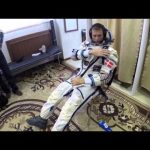
Sokol spacesuit
In this latest video from ESA astronaut Andreas Mogensen reports from Star City near Moscow where he is training with the Soyuz simulator. We join him during his review class for the Russian Sokol spacesuit.
Andreas is currently training for his 10-day Iriss mission to the International Space Station, set for launch in September 2015.
Connect with Andreas at http://andreasmogensen.esa.int
More videos from Andreas:
https://www.youtube.com/playlist?list=PLbyvawxScNbsCtYE7cHbqq9O6JvA-HPOL -
Arms that never tire: Robotics in space missions
Watch a replay of our hangout with ESA Astronaut Tim Peake and Rosetta Project Scientist Dr Matt Taylor as they discuss robotics in space missions. #robotsinspace
This hangout was presented by ESA in cooperation with the UK Science and Innovation Network and the UK Space Agency.
Connect with ESA astronaut Tim Peake on social media at:
http://timpeake.esa.intFollow the Rosetta mission via our blog:
http://blogs.esa.int/rosetta -

Homemade Hand Warmer – Sick Science! #227
Check out cool science kits and toys: www.stevespanglerscience.com
See the full experiment here: http://www.stevespanglerscience.com/lab/experiments/homemade-hand-warmer
If you’ve ever spent time outdoors in the cold, there’s a good chance you’ve used or seen chemical hand warmers. If you want to experience the science inside of those disposable plastic bags, then try your chilly hand at the Homemade Hand Warmer experiment. You can witness how an everyday chemical reaction like rusting can be used to keep your digits from falling off.
Want more experiments like this? Check out http://www.stevespanglerscience.com/product/naked-eggs-and-flying-potatoes
Sick Science™ is a trademark of Steve Spangler, inc.
© 2014 Steve Spangler Science all rights reserved
-
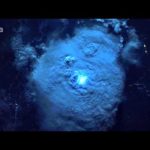
Striking lightning from space
Lightning illuminates the area they strike on Earth but their flash can be seen from space too. This timelapse was made from 49 images taken 400 km above Earth in 2012 by an astronaut on the International Space Station travelling at 28 800 km/h. At these distances a camera flash is pointless, but our planet moves by so quickly images can end up being blurred.
ESA’s Nightpod camera aid compensates for the motion of the Station. The target stays firmly centred in frame so the final image is in focus. Astronauts can set up the device to take ultra-sharp images automatically using off-the-shelf cameras.
The steady progression of frames seen in this video with the target staying in centre frame would be nearly impossible without Nightpod.
-
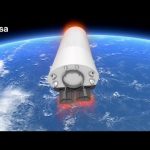
IXV: mastering atmospheric reentry
Soon, IXV, Europe’s Intermediate Experimental Vehicle, will be launched into space on a Vega launcher from Europe’s spaceport in Kourou, French Guiana. A short but crucial mission to advance Europe’s ambition to return autonomously from space.
More about IXV:
http://www.esa.int/Our_Activities/Launchers/IXV -

Space Station Crew Discusses Life in Space With Students and NASA Administrator Charles Bolden
Aboard the International Space Station, Expedition 42 Commander Barry Wilmore and Flight Engineer Terry Virts of NASA discussed their mission and life and research on the complex during an in-flight chat Jan. 21 with NASA Administrator Charles Bolden, officials of the White House Office of Science and Technology Policy and middle and high school students. The unique discussion was part of the third annual State of Science Technology, Engineering and Math event (SoSTEM), a type of science fair that included students from schools in Maryland, Virginia and Washington.
-

State of the Union and NASA
President Obama recognizes NASA and Astronaut Scott Kelly at 2015 State of the Union Address.
-
Paxi – The Solar System
Join Paxi on a journey through our Solar System, from the rocky inner planets close to the Sun, past the giant planets to the freezing edge, the home of comets.
In this video, targeted at children between 6 and 12, Paxi takes us on a tour of our Solar System, visiting all eight planets and other minor bodies such as asteroids, comets and the dwarf planet Pluto.
This video is the second of a series of animations in which Paxi, ESA’s Education mascot, touches on different aspects of the Solar System, the Universe, the secrets of planet Earth, and much more.
More Paxi videos in this playlist:
https://www.youtube.com/playlist?list=PLbyvawxScNbucdsnNdB9p89RmePmGv5cMCopyright: ESA; produced by Science Office, illustrations by Kaleidoscope Design, NL
The Paxi videos are also available in the following languages, follow the link for a full playlist
Spanish: https://www.youtube.com/playlist?list=PLbyvawxScNbsiYWkwXlb3WMdm2IFWoMyc
Dutch: https://www.youtube.com/playlist?list=PLbyvawxScNbs-7xR5B6QgJeEK89RtGdoK
Italian: https://www.youtube.com/playlist?list=PLbyvawxScNbt11Hfg6Cww2ckfHnvXeOdv
German: https://www.youtube.com/playlist?list=PLbyvawxScNbvwcIVrGQV4p6g6cp9pH0To
French: https://www.youtube.com/playlist?list=PLbyvawxScNbsiKIAXeo63bGr1QjYJ4QiLPortuguese subtitles are also available on this video. Select them using the YouTube controls along the bottom of the video player.
-

Instant Freeze Water – Sick Science! #226
Check out cool science kits and toys: www.stevespanglerscience.com
See the full experiment here: http://www.stevespanglerscience.com/lab/experiments/instant-freeze-soda-ice
It might have happened to you… You put a bottle of soda in the freezer for a few minutes just to get it ice cold. When you take the soda out of the freezer, it’s still a liquid (nothing unusual has happened just yet). However, the second you twist off the cap, the soda instantly freezes! The process is amazing to watch… but it’s a real bummer if you were thirsty (because it’s tough to suck ice out of the bottle). This is a great illustration of how carbon dioxide can lower the freezing point of water. Get some ice, some salt, and some plastic bottles of soda water and try this very cool science demo.
Want more experiments like this? Check out http://www.stevespanglerscience.com/product/naked-eggs-and-flying-potatoes
Sick Science™ is a trademark of Steve Spangler, inc.
© 2014 Steve Spangler Science all rights reserved
-
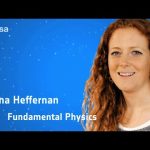
Working in space: My heart beats for mathematics
Anna Heffernan holds a PhD in Fundamental Physics and shares her experiences as ESA Research Fellow with us.
-
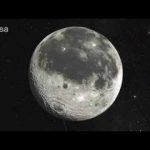
Destination: Moon
This 8-minute film gives an overview of the past, present, and future of Moon exploration, from the Lunar cataclysm to ESA’s vision of what Lunar exploration could be.
Why is the Moon important for science? What resources does the Moon have? Is there water? Why should we go back and how will we do it?
-
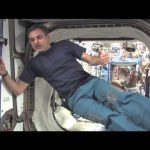
Dragon arrives at ISS on This Week @NASA
The SpaceX Dragon cargo spacecraft arrived at the International Space Station on Jan. 12, two days after its launch from Cape Canaveral Air Force Station in Florida. SpaceX’s fifth contracted resupply mission to the ISS includes delivery of more than two tons of supplies and experiments for the station’s crew. Also, One-year ISS mission previewed, Record global warmth in 2014, Successful RS-25 engine test and more!
-
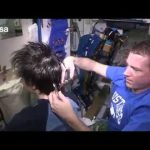
Samantha’s haircut at Terry’s space salon
On the International Space Station, ESA astronaut Samantha Cristoforetti gets a haircut from colleague NASA astronaut Terry Virts while cosmonaut Anton Shkaplerov assists with the vacuum cleaner, making sure that no hair cuttings float off.
Samantha posted updates about the haircut on Twitter. She started off saying: “New Year, time for a haircut. Setting up shop at ‘Chez Terry’”. Commenting on this image she said: “While master @AstroTerry cuts, apprentice @AntonAstrey is at the vacuum cleaner”.
Samantha Cristoforetti is currently living and working on board the International Space Station as part of the six-strong Expedition 42 crew. Follow her Futura mission at samanthacristoforetti.esa.int.