Steve Spangler is a bestselling author, STEM educator and Emmy award-winning television personality with more than 2,100 television appearances to his credit. Steve appeared as a regular guest on the Ellen DeGeneres Show from 2007-2022. Learn more about Steve at https://stevespangler.com/about-steve-spangler/
Phil tries to build a tower strong enough to not fall apart when shaken in a massive earthquake. Plus: balancing on wood, getting sucked into sand, cookie towers and a table made of people!
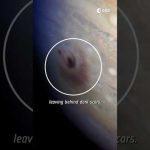
In 2013, our Herschel telescope solved the mystery of water in Jupiter’s upper atmosphere, tracing it back to the impact of comet Shoemaker-Levy 9 in July 1994.
This finding paved the way for our Juice mission, set to reach Jupiter in 2031. Juice’s observations will give us a better chance of understanding how Jupiter’s atmosphere responds to such events.
Steve Spangler is a bestselling author, STEM educator and Emmy award-winning television personality with more than 2,100 television appearances to his credit. Steve appeared as a regular guest on the Ellen DeGeneres Show from 2007-2022. Learn more about Steve at https://stevespangler.com/about-steve-spangler/
Steve Spangler is a bestselling author, STEM educator and Emmy award-winning television personality with more than 2,100 television appearances to his credit. Steve appeared as a regular guest on the Ellen DeGeneres Show from 2007-2022. Learn more about Steve at https://stevespangler.com/about-steve-spangler/
In acest video se gaseste material din raportul OK ”Starea Climei – România 2024”
00:01:58 – încălzirea globală NU e naturală! 00:03:18 – Dioxidul de carbon din atmosferă este cauza! 00:05:12 – Accelerarea încălzirii globale 00:07:16 – Puncte critice
#stiinta #fizica #science #tehnologie #technology #cristianpresura algoritm:”Încălzirea globală este un fenomen esențial de înțeles. Fără atmosferă, temperatura medie a Pământului ar fi de aproximativ -18°C, dar datorită gazelor cu efect de seră, cum ar fi dioxidul de carbon și metanul, radiația infraroșie emisă de suprafață este reținută, menținând planeta mai caldă. Era industrială, începută acum 150 de ani, a dus la creșterea emisiilor de dioxid de carbon din arderea combustibililor fosili, ceea ce a dublat concentrația acestuia în atmosferă. Astfel, planeta primește mai multă energie, ceea ce a dus la o creștere a temperaturii medii cu aproximativ 1,3°C, în special în regiunile polare unde încălzirea este de două ori mai rapidă.
Această încălzire are multiple efecte: valuri de căldură și incendii mai frecvente, secete prelungite, fenomene meteorologice extreme și o intensificare a precipitațiilor. În prezent, peste 80% din energia folosită provine din combustibili fosili, iar dacă emisiile nu sunt reduse, în 300 de ani temperatura ar putea crește cu peste 10°C, atingând niveluri nemaiîntâlnite în ultimii 50 de milioane de ani.
Mai mult, fenomene precum dezghețul permafrostului eliberează metan, amplificând încălzirea. Defrișările și incendiile pădurilor boreale și ale Amazonului reduc capacitatea de absorbție a dioxidului de carbon, în timp ce topirea calotelor glaciare contribuie la creșterea nivelului mărilor. De exemplu, calota Groenlandei și cea din Antarctica de Vest se topesc accelerat, ceea ce ar putea crește nivelul oceanelor cu până la 10 metri pe termen lung. Dacă nu acționăm pentru a reduce emisiile, aceste schimbări vor deveni ireversibile, cu consecințe catastrofale pentru biodiversitate și civilizație.”
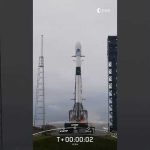
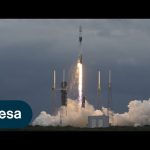
ESA’s Hera mission lifted off on a SpaceX Falcon 9 from Cape Canaveral Space Force Station in Florida, USA, on 7 October at 10:52 local time (16:52 CEST, 14:52 UTC).
Hera is ESA’s first planetary defence mission. It will fly to a unique target among the 1.3 million asteroids in our Solar System – the only body to have had its orbit shifted by human action – to solve lingering unknowns associated with its deflection.
Hera will carry out the first detailed survey of a ‘binary’ – or double-body – asteroid, 65803 Didymos, which is orbited by a smaller body, Dimorphos. Hera’s main focus will be Dimorphos, whose orbit around the main body was previously altered by NASA’s kinetic-impacting DART spacecraft.
By sharpening scientific understanding of this ‘kinetic impact’ technique of asteroid deflection, Hera should turn the experiment into a well-understood and repeatable technique for protecting Earth from an asteroid on a collision course.
We are Europe’s gateway to space. Our mission is to shape the development of Europe’s space capability and ensure that investment in space continues to deliver benefits to the citizens of Europe and the world. Check out https://www.esa.int/ to get up to speed on everything space related.
ESA’s Hera mission lifted off on a SpaceX Falcon 9 from Cape Canaveral Space Force Station in Florida, USA, on 7 October at 10:52 local time (16:52 CEST, 14:52 UTC).
Hera is ESA’s first planetary defence mission. It will fly to a unique target among the 1.3 million asteroids in our Solar System – the only body to have had its orbit shifted by human action – to solve lingering unknowns associated with its deflection.
Hera will carry out the first detailed survey of a ‘binary’ – or double-body – asteroid, 65803 Didymos, which is orbited by a smaller body, Dimorphos. Hera’s main focus will be Dimorphos, whose orbit around the main body was previously altered by NASA’s kinetic-impacting DART spacecraft.
By sharpening scientific understanding of this ‘kinetic impact’ technique of asteroid deflection, Hera should turn the experiment into a well-understood and repeatable technique for protecting Earth from an asteroid on a collision course.
————————————————— 📸 ESA – S. Corvaja Copyright: ESA/SpaceX —————————————————
★ Subscribe: http://bit.ly/ESAsubscribe and click twice on the bell button to receive our notifications.
We are Europe’s gateway to space. Our mission is to shape the development of Europe’s space capability and ensure that investment in space continues to deliver benefits to the citizens of Europe and the world. Check out https://www.esa.int/ to get up to speed on everything space related.
Hera, ESA’s first planetary defence mission, is headed to space.
Hera will fly to a unique target among the 1.3 million known asteroids of our Solar System – the first body to have had its orbit shifted by human action – to probe lingering unknowns related to its deflection.
————————————————— Credits: ESA/SpaceX ————————————————— Chapters: 00:00 Start of ESA WebTV programme – live from ESA’s European Space Operations Centre in Darmstadt, Germany 18:30 SpaceX live broadcast begins 36:15 Hera lift-off 1:53:00 – Hera separates from Falcon 9 launcher: End of SpaceX live broadcast, ESA WebTV programme continues 1:57:20 Acquisition of the first signals from the Hera spacecraft 2:13:26 End of ESA WebTV programme
★ Subscribe: http://bit.ly/ESAsubscribe and click twice on the bell button to receive our notifications.
We are Europe’s gateway to space. Our mission is to shape the development of Europe’s space capability and ensure that investment in space continues to deliver benefits to the citizens of Europe and the world. Check out https://www.esa.int/ to get up to speed on everything space related.
Hera, ESA’s first planetary defence mission, is headed to space.
Hera will fly to a unique target among the 1.3 million known asteroids of our Solar System – the first body to have had its orbit shifted by human action – to probe lingering unknowns related to its deflection.
Hera is scheduled for launch on a SpaceX Falcon 9 rocket from Cape Canaveral Space Force Station in Florida, USA, today, Monday 7 October, at 16:52 CEST / 15:52 BST.
—————————————————
Credits: ESA – European Space Agency
—————————————————
Chapters: 00:00 What is Hera? 01:07 Why do we need to protect our planet? 02:22 How did we pick this asteroid to explore? 03:36 What are we expecting to see on Dimorphos? 05:56 How do we get there? 07:48 What type of technology do we need to inspect an asteroid? 10:49 Conclusion
★ Subscribe: http://bit.ly/ESAsubscribe and click twice on the bell button to receive our notifications.
We are Europe’s gateway to space. Our mission is to shape the development of Europe’s space capability and ensure that investment in space continues to deliver benefits to the citizens of Europe and the world. Check out https://www.esa.int/ to get up to speed on everything space related.
Live interviews and highlights from the ESA Open Day at ESTEC, featuring ESA astronauts Andreas Mogensen and André Kuipers, NASA astronaut Anna Fisher, The Expanse actor Steven Strait and more.
The ESA Open Day is an annual event where ESA opens the doors of the European Space Research and Technology Centre in the Netherlands to the public.
We are Europe’s gateway to space. Our mission is to shape the development of Europe’s space capability and ensure that investment in space continues to deliver benefits to the citizens of Europe and the world. Check out https://www.esa.int/ to get up to speed on everything space related.
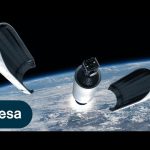
This tiny satellite will study the surface of the asteroid Dimorphos up close, helping us learn more about asteroid deflection and space safety. With groundbreaking sensors and instruments, Milani is ready to explore this binary asteroid system alongside Hera and Juventas
Stay tuned for more on Hera’s thrilling mission!
📹 ESA – European Space Agency 📸 ESA/Science Office
Phil tries to bend the power of sound to his will by making the loudest sound he can. Plus: make cornstarch mud dance, shatter a wine glass and make patterns with sand – all with the power of sound!
Steve Spangler is a bestselling author, STEM educator and Emmy award-winning television personality with more than 2,100 television appearances to his credit. Steve appeared as a regular guest on the Ellen DeGeneres Show from 2007-2022. Learn more about Steve at https://stevespangler.com/about-steve-spangler/
Meet Ian Carnelli, project manager for Hera, our planetary defense mission that will very soon be launched into space.
Hera will be, along with NASA’s DART spacecraft, humankind’s first probe to rendezvous with a binary asteroid system, a little understood class making up around 15% of all known asteroids.
Steve Spangler is a bestselling author, STEM educator and Emmy award-winning television personality with more than 2,100 television appearances to his credit. Steve appeared as a regular guest on the Ellen DeGeneres Show from 2007-2022. Learn more about Steve at https://stevespangler.com/about-steve-spangler/
00:03:23 – Punctele critice ale climei 00:05:32 – Valuri de căldură în România 00:07:17 – Secetă în România 00:09:39 – Mai multe furtuni severe 00:11:04 – Concluzii?
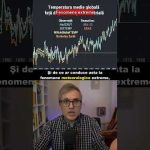
#stiinta #fizica #science #tehnologie #technology #cristianpresura #adam algoritm:”Încălzirea globală este un fenomen rapid și fără precedent. Azi, Pământul se încălzește de peste zece ori mai repede decât la sfârșitul ultimei perioade glaciare, iar această creștere a temperaturii este responsabilă de fenomenele extreme precum valuri de căldură, secetă și inundații. Pare puțin, dar creșterea temperaturii medii globale cu doar 1°C în era industrială provoacă deja schimbări climatice majore.
Încălzirea globală este un proces înțeles și confirmat de comunitatea științifică internațională prin modele matematice și măsurători directe, cum ar fi termometrele și sateliții, sau indirecte, precum expansiunea apei oceanice. De la începutul erei industriale, temperatura medie globală a crescut cu aproape 1,3°C, consecințele fiind fenomenele extreme manifestate local.
Atmosfera Pământului este un sistem complex. Schimbările mici, precum încălzirea globală, pot duce la evenimente majore, cum ar fi furtuni severe. Fenomenul include puncte critice climatice și sociale, precum topirea gheții arctice vara sau despăduririle din Amazon. De exemplu, Circulația Meridională din Atlantic redistribuie căldura și dioxidul de carbon; încălzirea globală slăbește această circulație, afectând clima din regiunile învecinate, inclusiv România.
În România, verile au devenit mai călduroase, iar frecvența și durata valurilor de căldură au crescut în ultimii 70 de ani. Această țară se confruntă și cu secete mai prelungite, deoarece încălzirea globală reduce diferența de temperatură dintre zona arctică și ecuator. Astfel, valurile de căldură și secetele persistă mai mult, iar efectul este accentuat în orașe, unde betonul și asfaltul rețin căldura. Suprafețele afectate de ariditate au crescut cu 41,5% față de anii 1970.
În plus, furtunile severe, determinate de cantitatea crescută de vapori de apă în atmosferă, vor deveni mai frecvente în următorii 20 de ani, mai ales în nordul și sud-estul României. Dacă emisiile de carbon nu scad, grindina va avea o probabilitate cu 40-80% mai mare în viitor.
Schimbările climatice reprezintă o provocare majoră. În România, este esențial să conștientizăm aceste riscuri și să luăm măsuri preventive, cum ar fi construcția de diguri și extinderea spațiilor verzi în orașe.”
Join mission experts as they discuss NASA’s Europa Clipper mission to an ocean moon of Jupiter and answer your questions live. Submit questions in the chat using #AskNASA.
Clipper is set to launch on a journey to discover the secrets hidden under this moon’s icy crust. Does Europa have conditions to support life?
Europa Clipper is set to launch in October 2024 from NASA’s Kennedy Space Center in Florida. It will arrive at Jupiter in 2030. Learn more about the mission: https://science.nasa.gov/mission/europa-clipper/
00:01:41 – Mai mulţi vapori de apă în atmosferă 00:02:26 – Curenți de aer de mare altitudine 00:04:12 – Valuri de căldură şi secetă 00:05:19 – Înmulțirea incendiilor de vegetație 00:06:35 – Intensificarea furtunilor tropicale 00:07:11 – Creșterea nivelurilor oceanelor 00:09:30 – Acidificarea oceanelor 00:10:14 – Topirea permafrostului și eliberarea de metan 00:10:43 – Concluzii
9 octombrie: lansare ”Starea Climei – România 2024”
#stiinta #fizica #science #tehnologie #technology #cristianpresura #ad algoritm:”În septembrie, ciclonul Boris a provocat inundații în județul Galați. Acesta este un exemplu al frecvenței crescânde a fenomenelor meteo extreme, cauzate parțial de încălzirea globală. Aceasta a crescut temperatura medie a Pământului cu 1,5°C în era industrială, amplificând fenomene precum inundațiile, furtunile, seceta și incendiile de vegetație.
Mai mulți vapori de apă în atmosferă: Creșterea temperaturii permite atmosferei să rețină cu 7% mai multă umiditate pentru fiecare grad în plus. Acești vapori amplifică efectul de seră și furnizează mai multă umiditate pentru furtuni și precipitații abundente, ducând la inundații.
Curenți de aer de mare altitudine: Încălzirea globală afectează curenții de aer din cauza diferenței de temperatură mai mici între Polul Nord și Ecuator. Astfel, apar blocaje atmosferice care prelungesc fenomenele extreme, cum ar fi valurile de căldură și perioadele de secetă.
Valuri de căldură și secetă: Temperaturile mai ridicate duc la valuri de căldură prelungite și creșterea evaporării apei din sol și plante, agravând seceta.
Înmulțirea incendiilor de vegetație: Temperaturile ridicate usucă vegetația, crescând riscul incendiilor. Seceta și aerul mai cald intensifică acest fenomen.
Furtuni tropicale: Oceanele mai calde stochează mai multă energie termică, alimentând cicloanele tropicale și intensificând furtunile.
Creșterea nivelurilor oceanelor: Încălzirea apei provoacă expansiune termică și topirea gheții terestre, crescând nivelul mării cu aproximativ 3,3 mm/an.
Acidificarea oceanelor: Dioxidul de carbon suplimentar în atmosferă crește concentrația de ioni de hidrogen în oceane, scăzând pH-ul și afectând ecosistemele marine.
Topirea permafrostului: Încălzirea globală topește permafrostul, eliberând metan, un gaz cu efect de seră de 30 de ori mai puternic decât dioxidul de carbon.
În concluzie, încălzirea globală nu înseamnă doar creșterea temperaturilor, ci și amplificarea fenomenelor extreme.”
NASA astronauts Michael Barratt, Matthew Dominick, and Jeanette Epps and Roscosmos cosmonaut Alexander Grebenkin are returning to Earth after several months aboard the International Space Station conducting scientific experiments and technology demonstrations for the agency’s SpaceX Crew-8 mission.
A shoebox-sized spacecraft from our Hera mission that’s about to explore the binary asteroid system of Didymos and its moon, Dimorphos – a space rock the size of the Great Pyramid!
Using its cutting-edge radar system, Juventas will reveal whether Dimorphos is a solid monolith or simply a loose pile of rubble. Plus, it’s going to gently land and measure the asteroid’s gravity—something never done before!
This tiny spacecraft is set to rewrite what we know about asteroids and could one day help protect our planet.
Stay tuned for more on Hera’s thrilling mission!
📸 ESA – European Space Agency 📹 ESA/Science Office
Steve Spangler is a bestselling author, STEM educator and Emmy award-winning television personality with more than 2,100 television appearances to his credit. Steve appeared as a regular guest on the Ellen DeGeneres Show from 2007-2022. Learn more about Steve at https://stevespangler.com/about-steve-spangler/