European Space Agency astronaut Samantha Cristoforetti shared this video on social media with the caption: How do you cross a module in space? 🙃
📹 ESA – S. Cristoforetti
#ESA #Floating #MissionMinerva
European Space Agency astronaut Samantha Cristoforetti shared this video on social media with the caption: How do you cross a module in space? 🙃
📹 ESA – S. Cristoforetti
#ESA #Floating #MissionMinerva
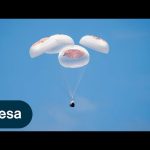
After almost 20 days on the International Space Station, ESA project astronaut Marcus Wandt is coming home.
The trip back to Earth will take the Axiom Mission 3 crew around 47 hours. Marcus will serve as a mission specialist during the journey, sharing the ride with Walter Villadei from Italy, Alper Gezeravcı from Türkiye and Michael López-Alegría, a dual US-Spanish citizen.
After a series of burns to lower its orbit, the spacecraft will enter Earth’s atmosphere and deploy its parachutes for a water-landing. Marcus and crew are expected to splash down off the coast of Florida, USA, on 9 February 2024 at 13:30 GMT/14:30 CET. This will mark the end of Marcus’s mission, called Muninn.
Muninn website: https://www.esa.int/Science_Exploration/Human_and_Robotic_Exploration/muninn
Marcus Wandt’s Instagram: https://www.instagram.com/esaastro_marcus/
Marcus Wandt’s X: https://twitter.com/astro_marcus
Timestaps of the video:
00:00:00 – 00:14:30 – Pre-Splashdown programme
00:14:31 – 00:20:50 – Trunk Jettison / Claw Separation
00:20:51 – 00:36:00 – Deorbit Burn
00:36:01 – 01:02:40 – Nosecone Closed
01:02:41 – 01:03:30 – Drogue Parachutes Deploy
01:03:31 – 01:06:30 – Main Parachutes Deploy
01:06:31 – 01:53:10 – Splashdown
01:53:11 – 02:00:00 – Hatch Opening
02:00:01 – 02:09:16 – Axiom 3 Mission Crew Egress
📸 SpaceX
★ Subscribe: http://bit.ly/ESAsubscribe and click twice on the bell button to receive our notifications.
Check out our full video catalog: http://bit.ly/SpaceInVideos
Follow us on Twitter: http://bit.ly/ESAonTwitter
On Facebook: http://bit.ly/ESAonFacebook
On Instagram: http://bit.ly/ESAonInstagram
On LinkedIn: https://bit.ly/ESAonLinkedIn
On Pinterest: https://bit.ly/ESAonPinterest
On Flickr: http://bit.ly/ESAonFlickr
We are Europe’s gateway to space. Our mission is to shape the development of Europe’s space capability and ensure that investment in space continues to deliver benefits to the citizens of Europe and the world. Check out https://www.esa.int/ to get up to speed on everything space related.
Copyright information about our videos is available here: https://www.esa.int/ESA_Multimedia/Terms_and_Conditions
#ESA #Axiom3 #MarcusWandt
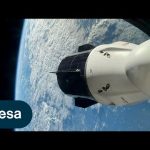
After almost 20 days on the International Space Station, ESA project astronaut Marcus Wandt is coming home.
The trip back to Earth will take the Axiom Mission 3 crew around 47 hours. Marcus will serve as a mission specialist during the journey, sharing the ride with Walter Villadei from Italy, Alper Gezeravcı from Türkiye and Michael López-Alegría, a dual US-Spanish citizen.
Muninn website: https://www.esa.int/Science_Exploration/Human_and_Robotic_Exploration/muninn
Marcus Wandt’s Instagram: https://www.instagram.com/esaastro_marcus/
Marcus Wandt’s X: https://twitter.com/astro_marcus
Timestaps of the video:
00:00 – 17:20 – Pre-Undocking programme
17:20 – 22:20 – Undock command
22:21 – 28:25 – Physical separation / Departure Burn 0
28:26 – 43:00 – Departure Burn 1 / Exit Keep Out Sphere
43:01 – 48:35 – Exit Approach Ellipsoid
★ Subscribe: http://bit.ly/ESAsubscribe and click twice on the bell button to receive our notifications.
Check out our full video catalog: http://bit.ly/SpaceInVideos
Follow us on Twitter: http://bit.ly/ESAonTwitter
On Facebook: http://bit.ly/ESAonFacebook
On Instagram: http://bit.ly/ESAonInstagram
On LinkedIn: https://bit.ly/ESAonLinkedIn
On Pinterest: https://bit.ly/ESAonPinterest
On Flickr: http://bit.ly/ESAonFlickr
We are Europe’s gateway to space. Our mission is to shape the development of Europe’s space capability and ensure that investment in space continues to deliver benefits to the citizens of Europe and the world. Check out https://www.esa.int/ to get up to speed on everything space related.
Copyright information about our videos is available here: https://www.esa.int/ESA_Multimedia/Terms_and_Conditions
#ESA #Axiom3 #MarcusWandt
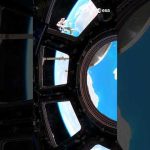
Join ESA project astronaut Marcus Wandt inside the seven-windowed cupola, the International Space Station’s “window to the world”.
The ESA – European Space Agency-built Cupola is the favourite place of many astronauts on the International Space Station. It serves not only as a unique photo spot, but also for observing robotic activities of the Canadian Space Agency’s robotic arm Canadarm2, arriving spacecraft and spacewalks.
Marcus was launched to the International Space Station on the Dragon spacecraft as part of Axiom Mission 3 on 18 January 2024. His two-week mission on board is known as Muninn.
Credits: ESA–M. Wandt
#ESA #MarcusWandt #EarthViews

Watch as Marcus Wandt and his crewmates arrived to the Space Station around 36 hours after liftoff.
Marcus is the first of a new generation of European astronauts to fly on a commercial human spaceflight opportunity with Axiom Space. His mission is supported by ESA and the Swedish National Space Agency (SNSA). Marcus’s mission is called Muninn.
During his two-week mission, Marcus will devote much of his time to scientific activities and technology demonstrations that could shape the way we live and work on Earth. In total, he will run around 20 experiments.
Marcus Wandt was selected in November 2022 as a member of the ESA astronaut reserve after a year-long selection process. The 2022 ESA recruitment campaign received over 22 5000 applications from across its Member States.
Timestaps of the video:
00:00:00 – 01:55:44 – Pre-Docking programme
01:55:45 – 03:14:29 – Complete docking to the Space Station
03:14:30 – 03:16:00 – Hatching opening
03:16:01 – 03:37:24 – Axiom 3 Mission crew entering the Space Station
03:37:25 – 03:49:00 – Welcoming ceremony
Follow Marcus’s journey on the Muninn website, check our launch kit and connect with him on his Instagram and X accounts.
Muninn website: https://www.esa.int/Science_Exploration/Human_and_Robotic_Exploration/muninn
Marcus Wandt’s Instagram: https://www.instagram.com/esaastro_marcus/
Marcus Wandt’s X: https://twitter.com/astro_marcus
★ Subscribe: http://bit.ly/ESAsubscribe and click twice on the bell button to receive our notifications.
Check out our full video catalog: http://bit.ly/SpaceInVideos
Follow us on Twitter: http://bit.ly/ESAonTwitter
On Facebook: http://bit.ly/ESAonFacebook
On Instagram: http://bit.ly/ESAonInstagram
On LinkedIn: https://bit.ly/ESAonLinkedIn
On Pinterest: https://bit.ly/ESAonPinterest
On Flickr: http://bit.ly/ESAonFlickr
We are Europe’s gateway to space. Our mission is to shape the development of Europe’s space capability and ensure that investment in space continues to deliver benefits to the citizens of Europe and the world. Check out https://www.esa.int/ to get up to speed on everything space related.
Copyright information about our videos is available here: https://www.esa.int/ESA_Multimedia/Terms_and_Conditions
#ESA #ISS #MarcusWandt
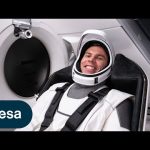
ESA project astronaut Marcus Wandt took off on 18 January 2024 as part of the Axiom-3 crew for a 14-day mission to the International Space Station. After 36 hours catching up to the Space Station, the Dragon docked to the Space Station, the seal between the two tested and finally Marcus started his Muninn mission as he entered the International Space Station. ESA astronaut Andreas Mogensen along with the rest of the crew of Expedition 70 was waiting to welcome them to space!
Follow Marcus’s journey on the Muninn website, check our launch kit and connect with him on his Instagram and X accounts.
Muninn website: https://www.esa.int/Science_Exploration/Human_and_Robotic_Exploration/muninn
Marcus Wandt’s Instagram: https://www.instagram.com/esaastro_marcus/
Marcus Wandt’s X: https://twitter.com/astro_marcus
★ Subscribe: http://bit.ly/ESAsubscribe and click twice on the bell button to receive our notifications.
Check out our full video catalog: http://bit.ly/SpaceInVideos
Follow us on Twitter: http://bit.ly/ESAonTwitter
On Facebook: http://bit.ly/ESAonFacebook
On Instagram: http://bit.ly/ESAonInstagram
On LinkedIn: https://bit.ly/ESAonLinkedIn
On Pinterest: https://bit.ly/ESAonPinterest
On Flickr: http://bit.ly/ESAonFlickr
We are Europe’s gateway to space. Our mission is to shape the development of Europe’s space capability and ensure that investment in space continues to deliver benefits to the citizens of Europe and the world. Check out https://www.esa.int/ to get up to speed on everything space related.
Copyright information about our videos is available here: https://www.esa.int/ESA_Multimedia/Terms_and_Conditions
#ESA #ISS #MarcusWandt
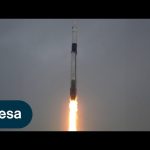
ESA project astronaut Marcus Wandt launched together with the rest of the Axiom-3 crew at 23:11 CET on 17 January 2024, from launch pad 39A, NASA’s Kennedy Space Center, Florida, USA.
Marcus will start his Muninn mission when he enters the International Space Station on Saturday 20 January, where he will spend up to 14 days conducting science and testing technology that can one day help people on Earth.
Follow Marcus’s journey on the Muninn website, check our launch kit and connect with him on his Instagram and X accounts.
Muninn website: https://www.esa.int/Science_Exploration/Human_and_Robotic_Exploration/muninn
Marcus Wandt’s Instagram: https://www.instagram.com/esaastro_marcus/
Marcus Wandt’s X: https://twitter.com/astro_marcus
Credits: Axiom/SpaceX/NASA/ESA
📸 SpaceX
★ Subscribe: http://bit.ly/ESAsubscribe and click twice on the bell button to receive our notifications.
Check out our full video catalog: http://bit.ly/SpaceInVideos
Follow us on Twitter: http://bit.ly/ESAonTwitter
On Facebook: http://bit.ly/ESAonFacebook
On Instagram: http://bit.ly/ESAonInstagram
On LinkedIn: https://bit.ly/ESAonLinkedIn
On Pinterest: https://bit.ly/ESAonPinterest
On Flickr: http://bit.ly/ESAonFlickr
We are Europe’s gateway to space. Our mission is to shape the development of Europe’s space capability and ensure that investment in space continues to deliver benefits to the citizens of Europe and the world. Check out https://www.esa.int/ to get up to speed on everything space related.
Copyright information about our videos is available here: https://www.esa.int/ESA_Multimedia/Terms_and_Conditions
#ESA #Launch #ISS
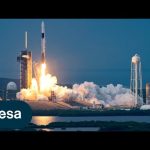
The launch of ESA project astronaut Marcus Wandt to the International Space Station on Axiom Mission 3 (Ax-3). Marcus’s mission is called Muninn.
A SpaceX Falcon 9 rocket will lift off from launch pad 39A at NASA’s Kennedy Space Center in Florida, USA, on 18 January 2024. Marcus will fly as a mission specialist on the Dragon spacecraft. The other Axiom 3 crew members are Walter Villadei from Italy and Alper Gezeravcı from Türkiye. They will fly under the command of Michael López-Alegría, representing both USA and Spain as a dual-citizen.
Marcus is the first of a new generation of European astronauts to fly on a commercial human spaceflight opportunity with Axiom Space. His mission is supported by ESA and the Swedish National Space Agency (SNSA).
During his two-week mission, Marcus will devote much of his time to scientific activities and technology demonstrations that could shape the way we live and work on Earth. In total, he will run around 20 experiments.
Marcus Wandt was selected in November 2022 as a member of the ESA astronaut reserve after a year-long selection process. The 2022 ESA recruitment campaign received over 22 5000 applications from across its Member States.
Timestaps of the video:
00:00:00 – 02:10:44 – Pre-Launch programme
02:10:45 – 02:35:38 – Liftoff
Follow Marcus’s journey on the Muninn website, check our launch kit and connect with him on his Instagram and X accounts.
Muninn website: https://www.esa.int/Science_Exploration/Human_and_Robotic_Exploration/muninn
Marcus Wandt’s Instagram: https://www.instagram.com/esaastro_marcus/
Marcus Wandt’s X: https://twitter.com/astro_marcus
★ Subscribe: http://bit.ly/ESAsubscribe and click twice on the bell button to receive our notifications.
Check out our full video catalog: http://bit.ly/SpaceInVideos
Follow us on Twitter: http://bit.ly/ESAonTwitter
On Facebook: http://bit.ly/ESAonFacebook
On Instagram: http://bit.ly/ESAonInstagram
On LinkedIn: https://bit.ly/ESAonLinkedIn
On Pinterest: https://bit.ly/ESAonPinterest
On Flickr: http://bit.ly/ESAonFlickr
We are Europe’s gateway to space. Our mission is to shape the development of Europe’s space capability and ensure that investment in space continues to deliver benefits to the citizens of Europe and the world. Check out https://www.esa.int/ to get up to speed on everything space related.
Copyright information about our videos is available here: https://www.esa.int/ESA_Multimedia/Terms_and_Conditions
#ESA #Launch #MarcusWandt
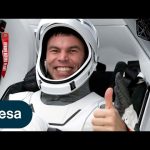
From the International Space Station to Earth, ESA astronaut Andreas Mogensen talks about what kind of person his fellow Scandinavian and ESA project astronaut Marcus Wandt is. The Axiom-3 mission with Marcus onboard is planned to launch in mid-January 2024 to the International Space Station for a 14-day mission, where Marcus will join Andreas, marking the first time two Scandinavians are in space together.
Credits: ESA – European Space Agency
★ Subscribe: http://bit.ly/ESAsubscribe and click twice on the bell button to receive our notifications.
Check out our full video catalog: http://bit.ly/SpaceInVideos
Follow us on Twitter: http://bit.ly/ESAonTwitter
On Facebook: http://bit.ly/ESAonFacebook
On Instagram: http://bit.ly/ESAonInstagram
On LinkedIn: https://bit.ly/ESAonLinkedIn
On Pinterest: https://bit.ly/ESAonPinterest
On Flickr: http://bit.ly/ESAonFlickr
We are Europe’s gateway to space. Our mission is to shape the development of Europe’s space capability and ensure that investment in space continues to deliver benefits to the citizens of Europe and the world. Check out https://www.esa.int/ to get up to speed on everything space related.
Copyright information about our videos is available here: https://www.esa.int/ESA_Multimedia/Terms_and_Conditions
#ESA #ISS #Astronauts
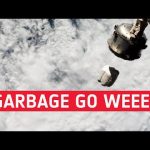
Back in July we tested a new capability for the Space Station. Filled with dry trash & foam, this big trash bag was jettisoned from a depressurised airlock on the #ISS & it burned up harmlessly in the Earth’s atmosphere.
Credits: Samantha Cristoforetti/ESA
★ Subscribe: http://bit.ly/ESAsubscribe and click twice on the bell button to receive our notifications.
Check out our full video catalog: http://bit.ly/SpaceInVideos
Follow us on Twitter: http://bit.ly/ESAonTwitter
On Facebook: http://bit.ly/ESAonFacebook
On Instagram: http://bit.ly/ESAonInstagram
On LinkedIn: https://bit.ly/ESAonLinkedIn
On Pinterest: https://bit.ly/ESAonPinterest
On Flickr: http://bit.ly/ESAonFlickr
We are Europe’s gateway to space. Our mission is to shape the development of Europe’s space capability and ensure that investment in space continues to deliver benefits to the citizens of Europe and the world. Check out https://www.esa.int/ to get up to speed on everything space related.
Copyright information about our videos is available here: https://www.esa.int/ESA_Multimedia/Terms_and_Conditions
#ESA
#SamanthaCristoforetti
#InternationalSpaceStation

Watch the full replay of ESA astronaut Matthias Maurer’s pre-launch news conference at ESA’s European Astronaut Centre (EAC) in Cologne, Germany.
Held in both English and German on 9 September 2021, the conference covers ESA’s vision for human and robotic exploration as well as the science and operations Matthias will support on the International Space Station during his six-month Cosmic Kiss mission.
Cosmic Kiss is Matthias’s first space mission. He will be launched from the Kennedy Space Center in Florida, USA as a member of US Commercial Crew-3 alongside @NASA astronauts Thomas Marshburn, Raja Chari and Kayla Barron.
While in orbit, Matthias will support over 35 European experiments and many more international experiments. He will also be the first European to perform a Russian spacewalk since Thomas Reiter in the 1990s. Knowledge gained through the Cosmic Kiss mission will shape the future of space exploration and help enhance life on Earth.
Conference panellists are: ESA Director General Josef Aschbacher, ESA Director of Human and Robotic Exploration David Parker, ESA International Space Station Programme Manager and Head of EAC Frank De Winne, Director General of @DLR and Member of the DLR Executive Board Walther Pelzer, and ESA Astronaut Matthias Maurer. This conference was moderated by ESA Communication Programme Officer for Human and Robotic Exploration Marco Trovatello.
Follow Matthias: https://bit.ly/MatthiasMaurerBlog
★ Subscribe: http://bit.ly/ESAsubscribe and click twice on the bell button to receive our notifications.
Check out our full video catalog: http://bit.ly/SpaceInVideos
Follow us on Twitter: http://bit.ly/ESAonTwitter
On Facebook: http://bit.ly/ESAonFacebook
On Instagram: http://bit.ly/ESAonInstagram
On Pinterest: https://bit.ly/ESAonPinterest
On Flickr: http://bit.ly/ESAonFlickr
We are Europe’s gateway to space. Our mission is to shape the development of Europe’s space capability and ensure that investment in space continues to deliver benefits to the citizens of Europe and the world. Check out https://www.esa.int/ to get up to speed on everything space related.
Copyright information about our videos is available here: https://www.esa.int/ESA_Multimedia/Terms_and_Conditions
#ESA
#CosmicKiss
#MatthiasMaurer
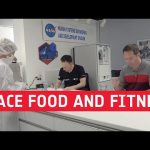
ESA astronaut Matthias Maurer is preparing for his mission to the International Space Station, scheduled for launch in late 2021. This mission is known as Cosmic Kiss.
In this video log from his current training base at NASA’s Johnson Space Center in Houston, Texas, USA, Matthias shows a space food tasting session and shares how astronauts maintain their fitness for a safe return to Earth.
Astronauts exercise for two hours a day, six days a week while on the International Space Station to combat muscle and bone loss caused by an extended stay in microgravity. Diet also plays an important role in maintaining physical and mental wellbeing.
Due to the current situation with COVID-19, all personnel are required to adhere to special safety precautions while training. These include wearing a mask – as seen in the clip.
Matthias will continue his training for Cosmic Kiss at partner agencies around the world over the next weeks and months. Stay tuned for further footage of his training and experiences.
You can watch the German version of this video here: https://youtu.be/Z4qfc71NpJk
★ Subscribe: http://bit.ly/ESAsubscribe and click twice on the bell button to receive our notifications.
Check out our full video catalog: http://bit.ly/SpaceInVideos
Follow us on Twitter: http://bit.ly/ESAonTwitter
On Facebook: http://bit.ly/ESAonFacebook
On Instagram: http://bit.ly/ESAonInstagram
On Flickr: http://bit.ly/ESAonFlickr
We are Europe’s gateway to space. Our mission is to shape the development of Europe’s space capability and ensure that investment in space continues to deliver benefits to the citizens of Europe and the world. Check out https://www.esa.int/ to get up to speed on everything space related.
Copyright information about our videos is available here: https://www.esa.int/ESA_Multimedia/Terms_and_Conditions
#ESA
#CosmicKiss
#MatthiasMaurer
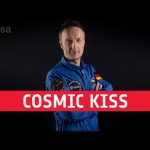
ESA astronaut Matthias Maurer from Germany has been assigned his first mission to the International Space Station. He is expected to fly to the Space Station in the autumn of 2021. The mission is called Cosmic Kiss and Maurer will spend six months in orbit, carrying out vital science and operations on behalf of researchers and international partners worldwide.
Learn more: https://bit.ly/ESAastronautMatthiasMaurerOfficiallyAssignedForFirstSpaceflight
★ Subscribe: http://bit.ly/ESAsubscribe and click twice on the bell button to receive our notifications.
Check out our full video catalog: http://bit.ly/SpaceInVideos
Follow us on Twitter: http://bit.ly/ESAonTwitter
On Facebook: http://bit.ly/ESAonFacebook
On Instagram: http://bit.ly/ESAonInstagram
On Flickr: http://bit.ly/ESAonFlickr
We are Europe’s gateway to space. Our mission is to shape the development of Europe’s space capability and ensure that investment in space continues to deliver benefits to the citizens of Europe and the world. Check out https://www.esa.int/ to get up to speed on everything space related.
Copyright information about our videos is available here: https://www.esa.int/ESA_Multimedia/Terms_and_Conditions
#ESA
#CosmicKiss
#MatthiasMaurer
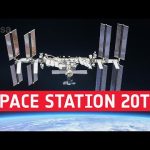
Monday 2 November, 2020 marks 20 years since the first crew took up residence on the International Space Station. Since then, 240 people including 18 ESA astronauts have lived and worked on the orbital outpost, carrying out essential research to benefit life on Earth.
In this clip, ESA astronauts Luca Parmitano, Alexander Gerst, Thomas Pesquet, Tim Peake, Andreas Mogensen, André Kuipers, Christer Fuglesang, Frank De Winne and Reinhold Ewald pay tribute to the Station. ESA Director General Jan Wörner and NASA Administrator Jim Bridenstine also speak about the Station’s significance for space exploration and international collaboration.
The next ESA mission to the International Space Station is set for 2021, when Thomas Pesquet will become the first European to fly on a SpaceX Crew Dragon spacecraft for his Alpha mission.
★ Subscribe: http://bit.ly/ESAsubscribe and click twice on the bell button to receive our notifications.
Check out our full video catalog: http://bit.ly/SpaceInVideos
Follow us on Twitter: http://bit.ly/ESAonTwitter
On Facebook: http://bit.ly/ESAonFacebook
On Instagram: http://bit.ly/ESAonInstagram
On Flickr: http://bit.ly/ESAonFlickr
We are Europe’s gateway to space. Our mission is to shape the development of Europe’s space capability and ensure that investment in space continues to deliver benefits to the citizens of Europe and the world. Check out https://www.esa.int/ to get up to speed on everything space related.
Copyright information about our videos is available here: https://www.esa.int/ESA_Multimedia/Terms_and_Conditions
#ESA
#InternationalSpaceStation
#SpaceStation20th
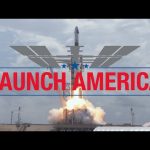
For the first time in history, NASA astronauts have launched from American soil in a commercially built and operated American crew spacecraft on its way to the International Space Station.
The SpaceX Crew Dragon spacecraft carrying NASA astronauts Robert Behnken and Douglas Hurley lifted off at 3:22 p.m. EDT Saturday on the company’s Falcon 9 rocket from Launch Complex 39A at NASA’s Kennedy Space Center in Florida. The crew will have a 19-hour-journey to the space station, arriving on Sunday, May 31.
Learn more about the mission: https://www.nasa.gov/launchamerica
The Thanksgiving holiday is a time for enjoying family, friends, and especially food – and that goes for our astronauts in space.
From the squeeze food tubes of the early Mercury missions to delicious tacos and mac & cheese on board the International Space Station, NASA’s space food scientists are working harder than ever to come up with the best tasting cosmic cuisine.
So, whether your meal is floating out in front you, or resting firmly on your table – from our NASA family to yours, Happy Thanksgiving.
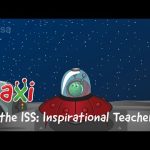
Our alien friend Paxi went to visit American astronaut Christina Koch on board the International Space Station. Christina talks about the importance of teachers and shares a story about her favourite teacher at school.
Follow Paxi: https://www.esa.int/kids/en/home
★ Subscribe: http://bit.ly/ESAsubscribe and click twice on the bell button to receive our notifications.
Check out our full video catalog: http://bit.ly/SpaceInVideos
Follow us on Twitter: http://bit.ly/ESAonTwitter
On Facebook: http://bit.ly/ESAonFacebook
On Instagram: http://bit.ly/ESAonInstagram
On Flickr: http://bit.ly/ESAonFlickr
We are Europe’s gateway to space. Our mission is to shape the development of Europe’s space capability and ensure that investment in space continues to deliver benefits to the citizens of Europe and the world. Check out http://www.esa.int/ESA to get up to speed on everything space related.
Copyright information about our videos is available here: http://www.esa.int/spaceinvideos/Terms_and_Conditions
#ESAKids
#ISS
#InspirationalTeachers
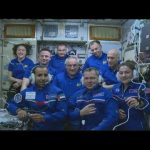
New arrivals in low-Earth orbit – welcome aboard the space station! More research, supplies, and other cargo heads to the station, and a new partner for our Moon to Mars effort … a few of the stories to tell you about – This Week at NASA!
This video is available for download from NASA’s Image and Video Library:https://images.nasa.gov/details-NHQ_2019_0927_New%20Arrivals%20Welcomed%20Aboard%20the%20Space%20Station%20on%20This%20Week%20@NASA%20–%20September%2027,%202019.html
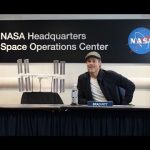
“What’s a spacewalk like? What do you feel?” As NASA prepares to send the first woman and next man to the Moon by 2024 under the #Artemis program, Brad Pitt is playing an astronaut in his latest film, Ad Astra. On Sept. 16 from NASA Headquarters in Washington, the actor spoke to astronaut Nick Hague about what it’s truly like to live and work in space.
Here are the questions that Brad Pitt asked Nick Hague?
0:59 How did we do [in the movie]? How was our Zero-G?
1:33 Do you know what everything is on the wall behind you?
2:33 What are the repercussions on your body in Zero-G?
2:38 How do you gauge your waking hours if you see 16 sunrises and sunsets each day?
3:50 Is there a night shift?
4:45 Could you see the Chandrayaan-2 Moon mission from the International Space Station?
6:15 What are your current missions?
8:02 What does spaceflight affect your mental state? How do you keep it at peace?
9:25 What is your experience like as you look back on Earth?
10:57 Who controls the jam box?
11:49 How are you able to stay in a single space?
12:53 How are you using 3D printing in space?
14:33 What is a spacewalk like?
16:18 Who is more believable playing an astronaut (George Clooney or Brad Pitt)?
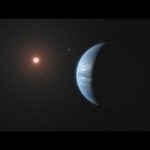
Hubble makes an exoplanet discovery, the next space station crew gets ready to launch, and back to work in Florida after weathering the storm … a few of the stories to tell you about – This Week at NASA!
This video is available for download from NASA’s Image and Video Library: https://images.nasa.gov/details-NHQ_2019_0913_An%20Exoplanet%20Discovery%20from%20Hubble%20on%20This%20Week%20@NASA%20%E2%80%93%20September%2013,%202019.html
Our alien friend Paxi went to visit American astronaut Anne McClain on board the International Space Station. Anne explains some of the mental challenges of being an astronaut on the ISS.
★ Subscribe: http://bit.ly/ESAsubscribe and click twice on the bell button to receive our notifications.
Check out our full video catalog: http://bit.ly/SpaceInVideos
Follow us on Twitter: http://bit.ly/ESAonTwitter
On Facebook: http://bit.ly/ESAonFacebook
On Instagram: http://bit.ly/ESAonInstagram
On Flickr: http://bit.ly/ESAonFlickr
We are Europe’s gateway to space. Our mission is to shape the development of Europe’s space capability and ensure that investment in space continues to deliver benefits to the citizens of Europe and the world. Check out http://www.esa.int/ESA to get up to speed on everything space related.
Copyright information about our videos is available here: http://www.esa.int/spaceinvideos/Terms_and_Conditions
#ESAKids
#ISS
#LifeInSpace
The ride to the International Space Station sees astronauts launched on top of a rocket fuelled by 300 tonnes of propellant. Where on Earth do astronauts take off? When do they experience weightlessness for the first time? And how long does the trip take?
Watch in just over a minute the events from launch to docking. This video is based on a training lesson for ESA astronauts, and it features footage taken from inside the Soyuz spacecraft.
Watch the extended version: http://bit.ly/JourneyToISS
Credits: ESA/NASA/Roscosmos/Google Earth
★ Subscribe: http://bit.ly/ESAsubscribe and click twice on the bell button to receive our notifications.
Check out our full video catalog: http://bit.ly/SpaceInVideos
Follow us on Twitter: http://bit.ly/ESAonTwitter
On Facebook: http://bit.ly/ESAonFacebook
On Instagram: http://bit.ly/ESAonInstagram
On Flickr: http://bit.ly/ESAonFlickr
We are Europe’s gateway to space. Our mission is to shape the development of Europe’s space capability and ensure that investment in space continues to deliver benefits to the citizens of Europe and the world. Check out http://www.esa.int/ESA to get up to speed on everything space related.
Copyright information about our videos is available here: http://www.esa.int/spaceinvideos/Terms_and_Conditions
#ESA
#Soyuz
#InternationalSpaceStation
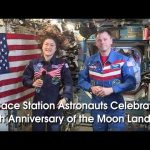
NASA Astronauts Christina Koch and Nick Hague join the world in celebrating the 50th anniversary of the Apollo 11 Moon landing — only, they do it from around 250 miles (~400 km) above the Earth’s surface on board the International Space Station.
The accomplishments of the Apollo program did not only take humans farther than ever before, but they have prepared us to take humans even farther. Learn more about our plans to bring humans to the Moon, Mars and beyond with our Artemis program: https://www.nasa.gov/specials/moon2mars/
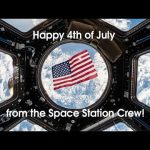
Aboard the International Space Station, Expedition 60 Flight Engineers Nick Hague and Christina Koch of NASA honored America’s 243rd birthday by wishing Americans at home and around the world a happy 4th of July.
Learn more about the research on board our orbiting laboratory: https://www.nasa.gov/mission_pages/station/main/index.html

Did you know there are six humans living in space, and you can see their home from your home? NASA astronaut Nick Hague shares how you can use https://spotthestation.nasa.gov/ to find out when the International Space Station will be visible from your town!
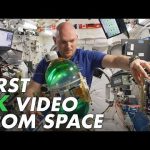
Science gets scaled up with the first 8K ultra high definition (UHD) video from the International Space Station. Get closer to the in-space experience and see how the international partnership-powered human spaceflight is improving lives on Earth, while enabling humanity to explore the universe. More: https://go.nasa.gov/2zgPY5o Special thanks to the European Space Agency, the ISS National Lab, and astronauts Alexander Gerst, Serena Auñón-Chancellor, Ricky Arnold and Drew Feustel.
Download this video: https://images.nasa.gov/details-First-8K-Video-from-Space.html
Featured investigations and facilities:
0:01, 2:36 BEST seeks to advance use of sequencing DNA and RNA in space. https://go.nasa.gov/2tNntKu
0:13 The Minus Eighty-Degree Laboratory Freezer for ISS (MELFI) is a cold storage unit that maintains experiment samples at ultra-cold temperatures throughout a mission. https://go.nasa.gov/2RkJAl5
0:21 The Advanced Plant Habitat (APH), a recent addition to the space station, is the largest growth chamber aboard the orbiting laboratory. https://go.nasa.gov/2JCi8vV
0:33 Canadarm2 is part of Canada’s contribution to the space station. This 17-metre-long robotic arm was extensively involved in the assembly of the orbiting laboratory. https://go.nasa.gov/2ReaU42
0:41 Crew Earth Observations record how the planet is changing over time, from human-caused changes like urban growth and reservoir construction, to natural dynamic events such as hurricanes, floods and volcanic eruptions. https://go.nasa.gov/2KLFAaq
0:49 The Light Microscopy Module (LMM) is a modified commercial, highly flexible, state-of-the-art light imaging microscope facility that provides researchers with powerful diagnostic hardware and software onboard the space station. https://go.nasa.gov/2RfdYwS
0:53 ACE-T-2 looks at the assembly of complex structures from micron-scale colloidal particles interacting via tunable attractive interactions. https://go.nasa.gov/2Re2ppS
0:57 Plant Habitat-1 comprehensively compares differences in genetics, metabolism, photosynthesis, and gravity sensing between plants grown in space and on Earth. https://go.nasa.gov/2MdDBfc
1:05 The Cupola provides an observation and work area for the International Space Station crew that gives visibility to support the control of the station’s robotic arms, and a beautiful view of the Earth, celestial objects and visiting vehicles. https://go.nasa.gov/2CRsxCT
1:14 Atomization observes the disintegration processes of low-speed water jets under various conditions to improve spray combustion processes inside rocket and jet engines. https://go.nasa.gov/2RkKrlN
1:30 BCAT-CS focuses on the study of forces between particles that cluster together by studying sediments of quartz and clay particles. https://go.nasa.gov/2p6WBSV
1:38 Functional Immune analyzes blood and saliva samples to determine the changes taking place in crew members’ immune systems during flight. https://go.nasa.gov/2RfUMz1
2:03 Life Support Rack (LSR) is a technology demonstrator for closed loop air revitalization. https://go.nasa.gov/2Rdfi3C
2:15 The Japanese Experiment Module Airlock is used to deliver science experiments to external platforms, and prepare small satellites for deployment from station. https://go.nasa.gov/2RdcBik
2:23 SPHERES Tether Slosh combines fluid dynamics equipment with robotic capabilities aboard the space station to investigate automated strategies for steering passive cargo that contain fluids. https://go.nasa.gov/2RfQPdQ
Follow updates on the science conducted aboard the space station on Twitter:
https://twitter.com/iss_research
For more information on how you can conduct your research in microgravity, visit https://go.nasa.gov/2q84LJj
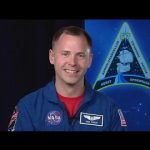
On Thurs., Oct. 11, 2018, Nick Hague’s planned launch to the International Space Station aboard a Soyuz spacecraft ended minutes later in a safe landing on Earth, after an issue with the rocket’s booster: https://youtu.be/LUwnLFKfuBE He answered questions for the first time on Oct. 16, in a Facebook Live event with NASA’s followers.
Learn more about the incident: https://www.nasa.gov/feature/astronaut-cosmonaut-safe-after-abort-during-launch-to-international-space-station
Learn more about astronaut Nick Hague: https://www.nasa.gov/astronauts/biographies/tyler-nick-hague
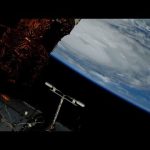
Cameras outside the International Space Station captured views of Hurricane Michael at 12:13 p.m. and 12:50 p.m. EDT Oct. 9 from an altitude of 255 miles as the storm churned over the Gulf of Mexico moving northwest at 12 miles an hour. More: https://go.nasa.gov/2NxKdp4
Michael is expected to make landfall Wednesday, Oct. 10 as a category 3 hurricane over the Florida panhandle.
For more info: www.nasa.gov/station

A high definition camera outside the International Space Station captured a stark and sobering view of Hurricane Florence at 7:50 a.m. EDT on Sept. 12. NASA satellites track the storm: https://go.nasa.gov/2CEmDGQ
This video was taken as Florence churned across the Atlantic in a west-northwesterly direction with winds of 130 miles an hour. The National Hurricane Center forecasts additional strengthening for Florence before it reaches the coastline of North Carolina and South Carolina early Friday, Sept. 14.
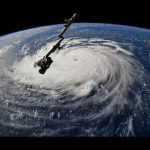
At 8:10 a.m. Eastern time, Sept. 10, cameras on the International Space Station captured views of Hurricane Florence. NASA satellites track the storm: https://go.nasa.gov/2CEmDGQ | Download video: https://go.nasa.gov/2Ql555y
Florence is moving in a westerly direction across the Atlantic, headed for a likely landfall along the eastern seaboard of the U.S. late Thursday or early Friday. Now a major hurricane with winds of 115 miles an hour and increasing, the National Hurricane Center says Florence’s forecast track will take the system over the southwestern Atlantic Ocean between Bermuda and the Bahamas Tuesday and Wednesday, and Florence will approach the coast of South Carolina or North Carolina on Thursday. The station was flying 255 miles over the storm at the time this video was captured.
The new Cold Atom Lab (CAL) facility is among the cargo launching to the International Space Station on the Orbital ATK CRS-9 mission. The Cold Atom Lab could help answer some big questions in modern physics. CAL produces clouds of atoms that are ten billion times colder than deep space. The facility uses lasers and magnetic forces to freeze the atoms until they are almost motionless. In the microgravity environment on the space station, it’s possible to observe these ultra-cold atoms for much longer in than what’s possible on the ground. The research done using CAL could potentially lead to a number of improved technologies, including sensors, quantum computers and atomic clocks used in spacecraft navigation. Read more at: https://coldatomlab.jpl.nasa.gov/
Every week, on average, a substantial, inert satellite drops into our atmosphere and burns up. Monitoring these reentries and warning European civil authorities has become routine work for ESA’s space debris experts.
Each year, about 100 tonnes of defunct satellites, uncontrolled spacecraft, spent upper stages and discarded items like instrument covers are dragged down by Earth’s upper atmosphere, ending their lives in flaming arcs across the sky.
Some of these objects are big and chunky, and pieces of them survive the fiery reentry to reach the surface. Our planet, however, is a big place, mostly covered by water, and much of what falls down is never seen by anyone, sinking to the bottom of some ocean, or landing far from human habitation.
While still in orbit, these and many other objects are tracked by a US military radar network, which shares the data with ESA, since Europe has no such capability of its own.It’s the task of ESA’s Space Debris team to look at these data and issue updates to ESA Member States and partner civil authorities around the globe.
Visit http://www.esa.int/Our_Activities/Operations/Space_Debris/ESA_reentry_expertise to learn more
The astronauts and cosmonauts on the International Space Station take pictures of Earth out their windows nearly every day, and over a year that adds up to thousands of photos. The people at the Earth Science and Remote Sensing Unit at NASA’s Johnson Space Center in Houston had the enviable job of going through this year’s crop to pick their top 17 photos of Earth for 2017—here’s what they chose!
Gateway to Astronaut Photography of Earth: https://eol.jsc.nasa.gov/Collections/CEO-Top-Picks/2017/
Download this video:
https://archive.org/details/jsc2017m001088_Top-17-Earth-Images-of-2017
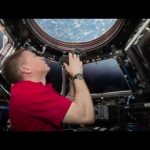
‘A Beautiful Planet’ stars Earth as seen from space by astronauts and cosmonauts aboard the orbiting laboratory. Shooting spanned multiple expeditions with NASA astronauts Kjell Lindgren, Terry Virts, and Barry “Butch” Wilmore as well as former NASA astronaut Scott Kelly volunteering as filmmakers during their time on station.

In a first for the agency, NASA hosted a Google+ Hangout live with the International Space Station on Feb. 22, 2013 from 10:30 a.m EST to 11:30 a.m. EST. Google+ Hangouts allow people to chat face-to-face while thousands more can tune in to watch the conversation live on Google+ or YouTube. This unique opportunity connected you, our fans, with astronauts living and working on the orbiting laboratory 240 miles above the Earth.
During the event, several video questions were selected and answered by astronauts on the space station and on the ground. Additionally, NASA asked real-time questions submitted by our followers on Google+, Twitter, and Facebook. During the hangout, astronauts Kevin Ford, Chris Hadfield and Tom Marshburn will answer questions and provide insights about life aboard the station. Station crews conduct a variety of science experiments and perform station maintenance during their six-month stay on the outpost. Their life aboard the station in near-weightlessness requires unique approaches to everyday activities such as eating, sleeping and exercising.
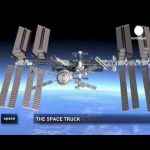
El vehículo de carga europeo ATV es el vehículo más complejo jamás construido para abastecer la Estación espacial Internacional. Pudiendo llevar cerca de 8 toneladas de carga, el ATV es capaz de realizar maniobras que requieren cierta inteligencia artificial. El camión del Espacio y su posible evolución, esta semana en « Space. »
Il cargo spaziale europeo ATV è il veicolo piu’ complesso mai concepito per rifornire la Stazione Spaziale Internazionale. Potendo stivare 8 tonnellate di carico è capace di manovre gestite da una speciale intelligenza artificiale. Il camion dello spazio e le sue evoluzioni, è il tema di questa edizione di Space.

Der europäische Raumfrachter ATV ist ein hochkomplexes Fahrzeug, das die Internationale Raumstation ISS versorgt. Der ATV-Transporter kann bis zu acht Tonnen Fracht ins All bringen und dank künstlicher Intelligenz selbstständig manövrieren. Der Lastwagen des Weltraums und seine Entwicklung, in dieser Ausgabe von Space.
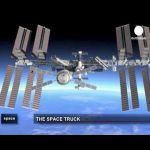
The European cargo spacecraft ATV is the most complex vehicle ever built to re-supply an International Space Station.
It can take nearly eight tonnes of cargo and uses artificial intelligence to accomplish some of its more complicated manoeuvres.
The Space Truck and its possible developments are the theme of this episode of ‘Space’.
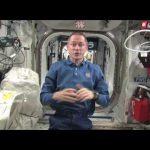
Frank De Winne is answering a few questions on the ISS submitted by the pupils of Class 7M from the Christian Morgenstern School in Hersching (Germany):
Question:
– Jerome (13): How do you feel in orbit after 2 months?
– Karina (13): How much time do you spend working outside the ISS?
– Tamara: Do you have any real free time in the ISS, and how can you spend this time? How often do you contact your family?
– Antoine (13): Have you ever felt scared in orbit? Has there ever been a moment that you wished to be back on Earth?
– Regina (14): Has anything strange happened on the ISS that none of your colleagues have been able to explain?
– Flavu: Which kind of education and qualification do you need for this kind of work?