Tag: Ariane 5 (Rocket)

  • Closing a chapter in style! 🚀 #shorts

    Closing a chapter in style! 🚀 #shorts

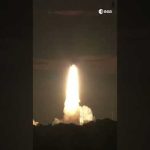
    The Ariane 5 launch vehicle liftoff for flight VA261 from Europe’s Spaceport in French Guiana on 5 July at 23:00 BST (6 July at 00:00 CEST). Flight VA261 carried two payloads into space – the German space agency DLR’s experimental communications satellite Heinrich Hertz and the French communications satellite Syracuse 4b. The flight was the 117th and final mission for Ariane 5, a series which began in 1996.

    Credits: ESA/CNES/Arianespace

    ★ Subscribe: http://bit.ly/ESAsubscribe and click twice on the bell button to receive our notifications.

    Check out our full video catalog: http://bit.ly/SpaceInVideos
    Follow us on Twitter: http://bit.ly/ESAonTwitter
    On Facebook: http://bit.ly/ESAonFacebook
    On Instagram: http://bit.ly/ESAonInstagram
    On LinkedIn: https://bit.ly/ESAonLinkedIn
    On Pinterest: https://bit.ly/ESAonPinterest
    On Flickr: http://bit.ly/ESAonFlickr

    We are Europe’s gateway to space. Our mission is to shape the development of Europe’s space capability and ensure that investment in space continues to deliver benefits to the citizens of Europe and the world. Check out https://www.esa.int/ to get up to speed on everything space related.

    Copyright information about our videos is available here: https://www.esa.int/ESA_Multimedia/Terms_and_Conditions

    #ESA
    #Ariane5
    #Rocket

  • Ariane 5 liftoff on flight VA226

    Ariane 5 liftoff on flight VA226

    On 30 September 2015, Ariane 5 flight VA226 lifted off from Europe’s Spaceport in French Guiana and delivered two telecom satellites, Sky Muster and Arsat-2, into their planned orbits.

  • Ariane 5 flight VA225 liftoff

    Ariane 5 flight VA225 liftoff

    On 20 August 2015, Ariane 5 flight VA225 lifted off from Europe’s Spaceport in French Guiana and delivered two telecom satellites, Eutelsat-8 West B and Intelsat-34, into their planned orbits.

    Credit: Arianespace

  • ESA Euronews: Rakétahajtóművek: több, mint gépészet

    ESA Euronews: Rakétahajtóművek: több, mint gépészet

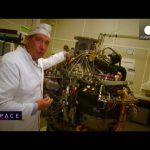
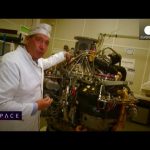
    Iszonyú erő kell ahhoz, hogy valamit kijuttassunk az űrbe. A rakétahajtóművekre ma már komoly kereskedelmi iparág épül rájuk, amely a teljesítményt abban méri, mekkora tömeget hány dollárért lehet föld körüli pályára állítani.

    Európa kifejezetten sikeres ebben az üzletben: az Ariane 5-ös rakéták az iparág kipróbált igáslovai, és már készül az új Ariane 6-os. A Space júniusi epizódjában Jeremy Wilks ellátogat a hajtóműveket gyártó francia SNECMA üzemeibe, hogy megtudja, hogyan lehet valamin akkorát lökni, hogy a geostacionárius pályáig meg se álljon.

    A szakemberek a Space-ben megszokott nyíltsággal és érzelmességgel beszélnek a munkájukról, arról, hogy milyen dolog évekig építeni valamit, aminek a sikere azután pár perc alatt eldől, és egyetlen kis hiba is végzetes lehet.

  • ESA Euronews: Missili, la potenza è nel motore

    ESA Euronews: Missili, la potenza è nel motore

    Per costruire un razzo possono volerci anni. Mentre per lanciarlo in orbita bastano pochi secondi. Secondi importanti dove lavorano contemporaneamente forze diverse.

    “Per andare nello spazio serve tantissima potenza” spiega Gaele Winters
    (ESA) “Potenza necessaria a superare la forza di gravità”

    La forza in grado di portare uomini e apparecchiature in orbita è generata da sofisticati motori nei quali brucia combustibile liquido o solido, o entrambi. Come nel caso del missile Ariane 5.

    “Cinque, quattro, tre, due, uno, zero.E’ in quel momento che accendiamo le turbopompe, che inviano idrogeno e ossigeno nella camera di combustione del cosiddetto motore *Vulcain*” spiega Thierry Delaporte (Snecma) “Il primo ad accendersi. Una volta verificato che funziona, nel giro di 5 secondi, accendiamo anche i due booster laterali a propulsione e…..Hop, il razzo decolla”.

    L’azienda dove si producono i motori usati per il programma europeo di lanciatori Ariane è a Vernon, in Francia. E’ qui che si procede ai test sui missili che saranno lanciati in orbita. La torre usata per i test si trova in una valle. E’ lì che i motori vengono accesi per la prima volta.

  • ATV-5 separation from Ariane 5

    ATV-5 separation from Ariane 5

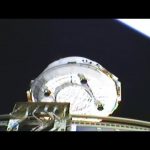
    These images were taken by cameras on the Ariane 5 launcher that rocketed skywards on 29 July 2014 with Europe’s last cargo vessel to visit the International Space Station, ATV-5.

    The video shows the separation of ATV Georges Lemaîtres and its Ariane 5.

    From then on, it was a self-sufficient spacecraft heading towards the Space Station. The video also shows Ariane’s last stage manoeuvring out of the way.

    ATV-5 is carrying almost 6.6 tonnes of supplies to the International Space Station, including a record amount of dry cargo – 2682 kg.

  • Ariane 5 flight VA217 liftoff replay

    Ariane 5 flight VA217 liftoff replay

    The first Ariane 5 launch of 2014 lifted off from Europe’s Spaceport in French Guiana on its mission to place two telecommunications satellites, ABS-2 & Athena–Fidus, into their planned transfer orbits.

    Credit: ESA / CNES / Arianespace