Το νεότερο διαστημόπλοιο της Ευρώπης έκανε για μια κρίσιμη δοκιμή στα ανοικτά των ακτών της Σαρδηνίας. Πρόκειται για το IXV, που υποβάλλεται σε ένα πείραμα που θα δοκιμάσει τα όρια του μηχανήματος.
Όπως εξηγεί ο Ρομπέρτο Αντζελίνι, διευθυντής του όλου προγράμματος, “ένα από τα πιο δύσκολα ζητήματα στις διαδικασίες στο διάστημα είναι η επανείσοδος στην ατμόσφαιρα”. Και ο συνάφελφός του Τζόρτζιο Τουμίνο προσθέτει “Αυτές οι δοκιμές είναι πολύ σημαντικές για να βεβαιωθούμε ότι έχουμε έναν στιβαρό σχεδιασμό για να αντέξει τις τελευταίες φάσεις μιας αποστολής”.
Σε κάθε του βήμα, το διαστημόπλοιο παρακολουθείται και γίνονται αναλύσεις. Η αποστολή καταλήγει με την προσθαλάσσωση, “κάτι που η Ευρώπη δεν έχει ξανακάνει ποτέ στο παρελθόν και για αυτό είναι ένα πολύ δύσκολο εγχείρημα”, όπως εξηγεί ο Αντζελίνι.
Ιταλοί στρατιώτες και μερικοί ανήσυχοι μηχανικοί, ειδικοί για τέτοιες διαστημικές αποστολές, βρίσκονται πάνω σε ένα σκάφος στις ακτές της Σαρδηνίας, εκεί όπου δοκιμάστηκε το νέο διαστημόπλοιο, που είναι γνωστό σαν IXV. Αφού πρώτα βεβαιώνονται οι υπεύθυνοι ότι δεν είναι κανένας στη θάλασσα σε όλη την έκταση της δοκιμής, ένα ελικόπτερο παίρνει από την στρατιωτική βάση το πρωτότυπο σκάφος και από ύψος 3.000 μέτρων το αφήνει να πέσει στο κενό.
Πολλές είναι οι φιλοδοξίες για αυτό το πρωτότυπο σκάφος, δεδομένου ότι αντιπροσωπεύει ένα νέο κεφάλαιο στην τεχνολογία των διαστημικών πτήσεων για τον Ευρωπαϊκό Οργανισμό Διαστήματος.
Ο σκοπός είναι να δημιουργηθεί ένα προσιτό, μικρό διαστημόπλοιο που θα μπορεί να εισέλθει στην τροχιά της Γης και στη συνέχεια να προσγειωθεί σε μια συγκεκριμένη στοχευμένη περιοχή.
Ένα βήμα προς αυτήν την κατεύθυνση είναι και το συγκεκριμένο πείραμα. Όμως το 2014 το διαστημόπλοιο IXV θα ξεκινήσει το ταξίδι του στο διάστημα και στη συνέχεια θα επανέλθει στην γήινη ατμόσφαιρα.
Σε αντίθεση όμως με τις κάψουλες που χρησιμοποιούνταν μέχρι τώρα για τις επανεισόδους στην ατμόσφαιρα, το IXV είναι πολύ πιο εύκολο να ελιχθεί.
Tag: esa
-
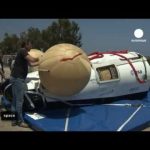
ESA Euronews: Οι δοκιμές στη Μεσόγειο του νεότερου διαστημοπλοίου της Ευρώπης
-
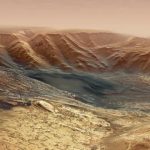
Fly-through movie of Hebes Chasma
Fly-through movie of Hebes Chasma, the northernmost part of Valles Marineris. The movie was created from images taken by the High Resolution Stereo Camera on Mars Express.
Copyright: ESA/DLR/FU Berlin (G. Neukum)
-
ESA Euronews: Los detectives de Marte
Marte sigue intrigando a los científicos. Hay robots que se han enviado para que vuelen sobre Marte, para que se desplacen por el planeta e incluso para perforen y recojan muestras. Todo, para buscar señales y saber si alguna vez, quizá hace mucho tiempo, hubo algún tipo de vida. Encontrar cualquier evidencia equiere la habilidad de los mejores detectives: científicos, robots y satélites que estudian el planeta con todo detalle.
“Si ha habido vida más allá de la Tierra el destino ideal sería Marte”, dice el cientifico de la ESA Olivier Witasse. Un destino ideal pero también un rompecabezas que los investigadores están empezando a reconstruir.
Las primeras fotos de Marte las tomó la sonda Mariner 4 en 1965. Estas imágenes alimentaron las especulaciones sobre la existencia de agua y vida. En los años 70 se continuó investigando el planeta con las misiones Viking. Luego llegaron los vehículos exploradores. El año pasado aterrizó el robot Curiosity de la Nasa. Pesa 900 kilos y es capaz de recoger rocas y analizarlas. Curiosty no busca restos de vida, sino signos de habitabilidad. El robot tiene un potente láser diseñado por ingenieros estadounidenses y franceses. Su potente luz es capaz de convertir una roca o partes de una roca en una bola de fuego para analizar los elementos de los que está compuesta.
La búsqueda que ha hecho Curiosity ha tenido éxito. De hecho, en el lugar donde aterrizó hubo alguna vez agua a una temperatura adecuada, con niveles de acidez apropiados para la formación de la vida. Pero hace unos tres mil millones de años todo cambió, porque el campo magnético de Marte se desvaneció y gran parte de la atmófera se perdió.
La sonda Mars Express también ha encontrado depósitos de hielo debajo de la superficie del planeta, que están ocultos por el polvo. Y también descubrió algo más misterioso e intrigante: metano. El programa europeo ExoMars lanzará en 2016 un satélite para examinar este gas. Y dos años después un robot recorrerá el planeta rojo. Será la primera misión que busque directamente señales de vida ahora y en el pasado. Todavía no se sabe dónde aterrizará el robot ExoMars porque los científicos no se han puesto de acuerdo, de momento. Se cree que pudo existir algún tipo de vida hace unos 4.000 millones de años. Y las mejores localizaciones son los valles antiguos donde había agua.
Los secretos de Marte se esconden a menudo debajo del polvo del planeta. Sin embargo, se están haciendo progresos de forma muy rápida para unir las piezas del rompecabezas. Y puede que tambien estos descubrimientos den alguna respuesta sobre nuestro origen en la Tierra.
-
ESA Euronews: Vida em Marte: Segredos do Planeta Vermelho
Criámos missões científicas para percorrerem Marte e, dentro em breve, explorarem o subsolo, de forma a suplantar vários desafios. Mas a pergunta maior para a qual procuramos uma resposta é a seguinte: alguma vez houve vida neste planeta? “Se já existiu vida fora da Terra, então Marte é a hipótese mais óbvia”, afirma Olivier Witasse, da Agência Espacial Europeia (ESA).
A Mars Express tem-nos ajudado a avançar consideravelmente no conhecimento deste planeta. A sonda acaba de celebrar dez anos em órbita – a missão inicial da ESA estava programada para dois. Os dados que tem recolhido permitem criar mapas a 3 dimensões da superfície marciana e sinalizar locais onde podem existir minerais. Segundo Witasse, “houve muitas descobertas nestes últimos dez anos: a deteção dos minerais hidratados, por exemplo, que foram formados na presença de água, diz-nos que existiu realmente água em Marte durante vários milhões de anos.”
Já as primeiras fotografias de Marte a partir da sonda Mariner 4, em 1965, começaram a alimentar as especulações prolongadas na década seguinte com as missões Viking. O ano passado, a NASA fez aterrar o robô Curiosity no Planeta Vermelho. Um verdadeiro laboratório científico capaz de efetuar recolhas e análises. O objetivo anunciado não é tanto procurar sinais de vida, mas sim condições de habitabilidade.
A cabeça do robô integra um laser conhecido por ChemCam, que foi concebido e desenvolvido por um grupo de engenheiros em Toulouse, em França. A sua função é disparar sobre rochas, fragmentando-as, para depois as analisar e revelar a sua composição. No local onde o Curiosity aterrou já terá havido água a uma temperatura adequada para a habitabilidade, com a acidez apropriada e durante um longo período de tempo. Mas, há 3 mil milhões de anos, tudo isso mudou: a alteração do campo magnético do planeta parece ter dissipado a atmosfera. Anouck Ody, investigadora da Universidade de Lyon, realça que “a atmosfera de Marte tem uma pressão demasiada fraca para que a água líquida se estabilize à superfície. No entanto, é possível encontrar água na atmosfera e, em forma de gelo, nas calotas polares, tanto a norte, como a sul.”
A Mars Express revelou enormes depósitos de gelo debaixo da superfície. E descobriu outra coisa ainda mais intrigante: a existência de metano. “Em 2004, logo no início da missão, a Mars Express encontrou pequenas quantidades de metano na atmosfera. É uma descoberta cuja autenticidade ainda é motivo de debate. No entanto, se houver mesmo metano, é preciso explicar como é que ele se dissolve na atmosfera, e o que é que o está constantemente a gerar. Há muitas discussões sobre o assunto. Pode tratar-se de atividade geológica – uma reação entre as rochas do subsolo e a água líquida, o que significaria que Marte é um planeta ativo geologicamente. Ou então, o metano está a ser produzido por uma atividade biológica,” aponta Olivier Witasse.
A missão europeia Exomars promete esclarecer grande parte destes mistérios. A partir de 2016, uma sonda vai começar a monitorizar a órbita marciana; dois anos mais tarde, um novo veículo robotizado irá percorrer o planeta com uma importante inovação: será capaz de recolher amostras a dois metros de profundidade.
-
ESA Euronews: Υπάρχει ζωή στον Άρη; Έρχεται η οριστική απάντηση
Είναι ο άνθρωπος μόνος του στο σύμπαν; Στο υπαρξιακό αυτό ερώτημα προσπαθεί να απαντήσει η διαστημική τεχνολογία. Ρομποτικά οχήματα έχουν αποσταλεί εδώ και πολλά χρόνια στον Άρη, για να αναζητήσουν αποδείξεις ύπαρξης ζωής στον κόκκινο πλανήτη.
Σύμφωνα με τους επιστήμονες, αν υπήρχε ζωή μακριά από τη Γη, ο Άρης θα ήταν η πιο προφανής επιλογή. Η στοιχειοθέτηση ωστόσο των αποδείξεων είναι μια υπόθεση εξαιρετικά δύσκολη. Μοιάζει με ένα παζλ, που μόλις ολοκληρωθεί θα μας δώσει μια πλήρη εικόνα αυτού που ονομάζουμε «ζωή στο σύμπαν». Τα κομμάτια του μόλις έχουν αρχίσει να τοποθετούνται.
Η ανακάλυψη στοιχείων που αποδεικνύουν την ύπαρξη ζωής στον Άρη απαιτεί την αξιοποίηση της τελευταίας τεχνολογίας και τη στενή συνεργασία των κορυφαίων επιστημόνων.
Η αποστολή Mars Express της Ευρωπαϊκής Υπηρεσίας Διαστήματος συνέβαλε τα μέγιστα στην αλματώδη πρόοδο της εξερεύνησης του Άρη. Ο δορυφόρος παραμένει εδώ και σχεδόν μια δεκαετία σε τροχιά γύρω από τον κόκκινο πλανήτη. Συλλέγει στοιχεία που επιτρέπουν στους επιστήμονες να δημιουργήσουν τρισδιάστατους χάρτες της επιφάνειας και να εντοπίσουν που βρίσκονται ακριβώς βασικά μέταλλα και άλλα στοιχεία, πολύτιμα για την έρευνα.
«Η σπουδαιότερη ανακάλυψη είναι η ανίχνευση των λεγόμενων ένυδρων ορυκτών. Πρόκειται για ορυκτά που σχηματίστηκαν με την παρουσία νερού και αποδεικνύουν την ύπαρξη νερού στην επιφάνεια του Άρη για αρκετά εκατομμύρια χρόνια», αναφέρει ο Ολιβιέ Βιτάς, επιστήμονας του προγράμματος ExoMars.Η ανακάλυψη ένυδρων ορυκτών σε διάφορες περιοχές στον Άρη, έχει προκαλέσει το ενδιαφέρον των επιστημόνων. Τώρα προσπαθούν να εντοπίσουν τα σημεία όπου υπάρχουν υπολείμματα αργίλου ή θειικών αλάτων. Αν τα καταφέρουν θα ξέρουν πού ακριβώς υπήρχε κάποτε νερό.
«Ο άργιλος ή πηλός προέρχεται απο μια ένωση που απαιτεί την παρουσία νερού . Χρειάζεται αρκετός χρόνος για να μετατραπεί ένα πέτρωμα σε άργιλο. Τα θειικά άλατα σχηματίζονται ταχύτερα και είναι παρόμοια με αυτά που υπάρχουν σε λίμνες με αλμυρό νερό στη Γη. Εκεί βρίσκουμε μεταλλικό νερό. Όταν αυτό εξατμίζεται, τα μέταλλα μένουν στην επιφάνεια των ιζημάτων» υποστηρίζει ο Νταμιέν Λοιζό, ερευνητής του πανεπιστημίου της Λιόν.
Οι πρώτες εικόνες του κόκκινου πλανήτη από το διαστημόπλοιο Μάρινερ 5, τροφοδότησαν μια έντονη συζήτηση για την ύπαρξη νερού και άρα ζωής στον Άρη. Ακολούθησαν οι αποστολές του Βίκινγκ, τη δεκαετία του ’70 και ύστερα μια σειρά μικρών οχημάτων που πάτησαν το έδαφος του Άρη.
Πέρυσι, η ΝΑΣΑ κατάφερε να προσεδαφίσει το ρομποτικό όχημα Curiosity στον κόκκινο πλανήτη. Πρόκειται για ένα κινητό επιστημονικό εργαστήριο, βάρους 900 κιλών, με δυνατότητα να συλλέγει και να αναλύει πετρώματα.
-
ESA Euronews: C’è vita su Marte? Nuove apparecchiature sono pronte a scoprirlo
Esattamente dieci anni fa cominciava l’avventura di Mars Express, la missione dell’Agenzia Spaziale Europea (ESA) sull’enigmatico pianeta rosso.
Marte è l’ultima frontiera dell’esplorazione spaziale. La comunità scientifica è a caccia di prove dell’esistenza di vita — presente o passata — tra le speranze di molti che vorrebbero che questo fosse un pianeta abitabile.
Ma trovare vita su Marte è come mettere insieme i pezzi di un puzzle, un’avventura affascinante che abbiamo appena cominciato.Le sfide sono molte. “La cosa più frustrante è la quantità di polveri in certe regioni, che non ci permettono di avere accesso alla superficie sottostante, sia con una rover che dall’orbita.” dice Anouck Ody, Ricercatrice dell’Università di Lione.
Le nostre conoscenze sul pianeta Marte hanno fatto grossi balzi negli ultimi dieci anni, grazie alla missione Mars Express. Il satellite ha raccolto dati che hanno permesso agli scienziati di creare mappe in 3D della superficie del pianeta rosso, studiare i minerali che la compongono e la sua atmosfera. “In dieci anni abbiamo fatto molte scoperte. Se dovessi evidenziarne alcune comincerei con l’individuazione di quelli che chiamiamo “minerali idrati”, che si sono formati in presenza di acqua e che quindi ci mostrano che su Marte per milioni di anni c’è stata acqua” spiega Olivier Witasse, scienziato di Mars Express, ESA.
Le prime foto di Marte, scattate dalla sonda americana Mariner 4 nel 1965 mostrarono un pianeta arido ed inospitale, ma le ricerche di acqua — e di vita — continuarono negli anni Settanta con il programma Viking della Nasa ed il primo atterraggio morbido delle sue due sonde su terra rossa. Da allora ad aprirsi strada sul pianeta sono state le rover, ultimo l’atterraggio spettacolare dello scorso anno di Curiosity ( Mars Science Laboratory) il laboratorio scientifico da 900 kg della Nasa in grado di scavare ed analizzare rocce, per studiare non solo le possibilili tracce di vita, ma anche dell’abilitabilità del pianeta.
La testa di Curiosity è il ChemCam, un laser infrarosso, che ha il compito di sparare raggi sulle rocce marziane e poi analizzare il plasma incandescente e lo spettro di luce emessa per capirne la composizione.
ChemCam può sparare raggi laser e colpire bersagli ad una distanza di 6 metri. Se dalle analisi questi risultano interessanti dal punto di vista scientifico, la rover si avvicina e perfora la superficie per raccogliere un piccolo campione da analizzare. “Siamo andati in un bacino che assomiglia ad un antico lago. Questo ci ha permesso di porci la domanda sull’abilitabilità di quest’area. Se le condizioni che un giorno hanno portato alla formazione di vita sulla terra, si ricreassero in un altro posto, potrebbe sorgervi vita?” si chiede Olivier Gasnault, ChemCam Co-ricercatore, CNRS.
Curiosity ha portato ad un’importante scoperta. I ciottoli levigati vicino al sito in cui la sonda è atterrata sarebbero la prova che sulla superficie del pianeta sia scorsa acqua, per molti anni, alla temperatura e acidità giuste da renderlo un pianeta abitabile. Circa 3 miliardi di anni fa però i campi magnetici si affievolirono e l’atmosfera divenne rarefatta.
“Marte oggi ha un’atmosfera troppo rarefatta e una pressione troppo bassa perchè sulla superficie possa esserci acqua in forma liquida. Ma è stata trovata nell’atmosfera e in forma di ghiaccio, principalmente nelle calotte polari” ci mostra Anouck Ody, dell’Università di Lione
Mars Express ha mostrato che ci sono depositi di ghiaccio sotto la superficie del pianeta, nascosti dalle polveri. Ma ha fatto anche un’altra scoperta, forse ancora più misteriosa ed intrigante: il metano. “Mars Express nel 2004, appena all’inizio della sua missione ha rivelato la presenza di metano nell’atmosfera in quantità molto piccole. — Olivier Witasse, scienziato di Mars Express, ESA — Ci sono ancora dibattiti sulla veridicità di questa osservazione ma se il metano fosse davvero presente servirebbe una spiegazione: Questo gas si distrugge nell’atmosfera, dunque dovrebbe esserci una fonte che continua ad emetterlo. Ci sono molte discussioni su quale possa essere questa fonte, potrebbe essere prodotto da attività geologica, dalla reazione tra rocce sotterranee e acqua liquida. Per generare metano Marte dovrebbe essere geologicamente attivo o potrebbe essere attività biologica a produrre il gas”.
-
ESA Euronews: The Mars detectives
Europe’s off to Mars. Again. We have sent robots to fly over Mars, crawl over Mars and soon to dig down into Mars – searching for signs that once, perhaps deep in the past, this planet may have been home to life. It might be an obvious choice, but still a puzzle, and one that we’re only just beginning to piece together. And finding evidence of life will require the skill of the finest detectives.
This is a mystery that Europe’s ExoMars mission is ready to solve. In 2016 it will have a satellite in orbit around Mars, designed to test for methane, and by 2018 this rover will be rolling around the Red Planet. The mission will be the first to set out with the direct intention of finding signs of life, now, and in the past.
-
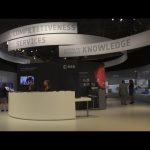
Visit ESA’s Pavilion at the Paris Air and Space Show 2013
The 50th International Paris Air & Space Show at Le Bourget opened its doors on Monday 17 June.
The Agency’s pavilion, situated between the full-size models of the Ariane 1 and Ariane 5 launchers, features the wealth of ESA programmes across all space domains, and focus on recent and upcoming launches and their results. This year, the emphasis is on space as a driver of competitiveness and growth. -

ATV vs. UD: DJ Young Einstein vs. ATV Albert Einstein
For the 2013 Automated Transfer Vehicle docking day music video, ESA teamed up with California hip hop group Ugly Duckling (http://www.uglyduckling.us), who have produced a super space remix of Elevation (http://www.youtube.com/watch?v=zcbSiqhJHcc).
Rock along to the beats of DJ Young Einstein and the visuals of ATV Albert Einstein!Follow the ATV mission to the ISS via http://blogs.esa.int/atv
Music, lyrics and original video animation Copyright (C) Ugly Duckling (http://www.uglyduckling.us) 2012-13.
ESA remix video credit ESA/European Space Agency, used with permission. -
Mars Express ten year highlights
The journey of Mars Express, from drawing board through launch, to its key science highlights during ten years of operations. With its suite of seven instruments, Mars Express has studied the subsurface of the Red Planet to the upper atmosphere and beyond to the two tiny moons Phobos and Deimos, providing an in depth analysis of the planet’s history and returning stunning 3D images.
-
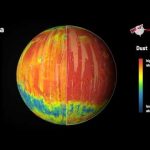
Mars mineral globe
This unique atlas comprises a series of maps showing the distribution and abundance of minerals formed in water, by volcanic activity, and by weathering to create the dust that makes Mars red.
Together the maps provide a global context for the dominant geological processes that have defined the planet’s history.The maps were built from ten years of data collected by the OMEGA visible and infrared mineralogical mapping spectrometer on Mars Express.
The animation cycles through maps showing: individual sites where a range of minerals that can only be formed in the presence of water were detected; maps of olivine and pyroxene, minerals that tell the story of volcanism and the evolution of the planet’s interior; and ferric oxide and dust. Ferric oxide is a mineral phase of iron, and is present everywhere on the planet: within the bulk crust, lava outflows and the dust oxidised by chemical reactions with the martian atmosphere, causing the surface to ‘rust’ slowly over billions of years, giving Mars its distinctive red hue.
The map showing hydrated minerals includes detections made by both ESA’s Mars Express and by NASA’s Mars Reconnaissance Orbiter.
Copyright: Hydrated mineral map: ESA/CNES/CNRS/IAS/Université Paris-Sud, Orsay; NASA/JPL/JHUAPL; Olivine, pyroxone, ferric dust & dust maps: ESA/CNES/CNRS/IAS/Université Paris-Sud, Orsay Orsay; Video production: ESA.
-
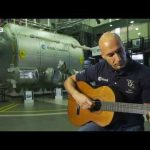
Luca Parmitano guitar solo
ESA astronaut Luca Parmitano plays one of his own compositions on guitar at ESA’s technical heart ESTEC in The Netherlands.
The song doesn’t have a name yet as playing the guitar is a way to relax for Luca after the extensive astronaut training he receives for his Volare mission to the International Space Station.
-
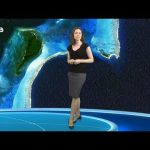
Earth from Space: Great Blue Hole
Earth from Space is presented by Kelsea Brennan-Wessels from the ESA Web-TV virtual studios.
In the sixty-third edition, we look at an underwater sinkhole in the Belize Barrier Reef.Use the following link to view and download the full size image:
http://www.esa.int/Our_Activities/Observing_the_Earth/Earth_from_Space_Great_Blue_Hole -

ThermoMag – 1st lecture on Thermoelectricity
Lecture from Anastasiia Prytuliak, European Space Agency postdoctoral research fellow in the Institute Laue Langevin and European Radiation Synchrotron Facility in Grenoble, France about a project called “ThermoMag”, which is devoted to the research and development of energy-harvesting thermoelectric materials.
“ThermoMag” is a project co-funded by the 7th Framework Programme of the European Commission, coordinated by the European Space Agency.
Watch the second lecture: http://www.youtube.com/watch?v=lmHSu5Yh6cE
-
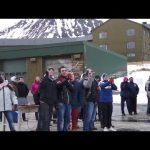
CanSat video
Sequences extracted from the 2012 European competition campaign at Andøya Rocket Range in Norway.
-
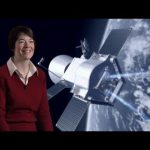
Micha Schmidt and Elsa Montagnon talk about their careers at ESA
Micha Schmidt is a Spacecraft Operations Manager at ESA. In this video he talks about his involvement in the Herschel project and the many phases of development that exist in all ESA projects. Micha also talks about his fascination for space as a boy and what a great experience it has been to live in various European countries whilst working for ESA.
Elsa Montagnon is a Spacecraft Operations Manager for the BepiColombo project. Still in the development phase, BepiColombo should be launched in 2015 and hopes to provide more information about Mercury than ever before. In this video Elsa discusses her involvement in the mission, her studies and hobbies, as well as the passion people have at ESA for their projects.
-
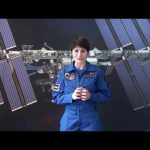
Introduction to the International Space Apps Challenge by ESA Astronaut Samantha Cristoforetti
The International Space Apps Challenge (http://spaceappschallenge.org) is a global collaboration of space explorers, held in cities around the world on April 20-21, 2013. In the style of a hackathon, citizen experts will collaborate with space agencies and other partners to further space technology, as well as use space data to solve Earth-bound challenges. Join us on Earth Day weekend!
-
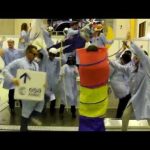
ESTEC Shake
This version of the “Harlem Shake” video, called the “ESTEC Shake”, was filmed on a real ‘electrodynamic shaker’, normally used to test spacecraft at the European Space Agency’s technical centre, ESTEC, in Noordwijk, the Netherlands. One of the major risks faced by satellites stems from the high vibrations they experience during launch. It is essential to test spacecraft and their components under similar conditions on such shakers to make sure they will survive the violent ride into space.
ESA’s Test Centre is the largest centre of its kind in Europe, and one of the largest in the world.The video was filmed by ESTEC volunteers, in their own time, at zero cost, while the shaker unit was being reconfigured. Strict safety, security and cleanroom procedures were followed during filming.
More about ESA’s ESTEC Test Centre
http://www.esa.int/Our_Activities/Space_Engineering/About_ESTEC_Test_Centre2More about the “Shaker”
http://www.esa.int/Our_Activities/Space_Engineering/Electrodynamic_shakersMusic: “Harlem Shake”, by Baauer (Mad Decent), www.maddecent.com
-
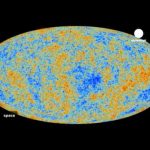
ESA Euronews: Planck maps the dawn of time
Scientists have traced a unique new map of the first light of the universe, and raised profound questions about the Big Bang.The image of the cosmic microwave background they have released was taken by ESA’s Planck satellite, and its results could have a significant impact on the field of cosmology.
“It turns that most of this image, most of this map, fits beautifully our very simple model. At the same time we find some strange things, and this is where it starts to get interesting, because we see some signs of things that do not fit,” explains ESA’s Planck Project Scientist Jan Tauber.
“Roughly speaking the things that we are finding that are not as we expect are features that are across the whole sky. When you look only at the large features on this map you find that that our best fitting model, our best theory has a problem fitting the data, there is a lack of signal that we would expect to see,” he says.
The news that the early universe is not quite as was thought has left the greatest minds in cosmology spinning with excitement.
George Efstathiou, Professor of Astrophysics, University of Cambridge, is a key member of the Planck Science Team.
“The idea that you can actually experimentally test what happened at the Big Bang still amazes me,” he says.
The Big Bang theory remains intact of course, but the concept of inflation could be put to test by the Planck data.
“We see these strange patterns that are not expected in inflationary theory, the simplest inflationary theories,” explains Efstathiou.
“So there’s a real possibility that we have an incomplete picture. It may be that we have been fooled, that inflation didn’t happen. It’s perfectly possible that there was some phase of the universe before the Big Bang actually happened where you can track the history of the universe to a pre-Big Bang period.”
The Planck mission could test ideas about how the early universe was formed.The puzzle is that at small scales the data fits the theoretical model very nicely, but at larger scales the signal from the cosmic microwave background is much weaker than expected.
Efstathiou is looking for answers: “Can we find a theoretical explanation that links together the different phenomena that we have seen, the different little discrepancies, with inflationary theory? That’s where there’s the potential for a paradigm shift, because at the moment there’s no obvious theoretical explanation that links together these anomalies that we have seen. But if you found a theory that links phenomena that were previously unrelated, then that’s a pointer to new physics.”
It appears that the audacious Planck mission really will shed new light on the dawn of time.
-
Planck reveals an almost perfect Universe
Acquired by ESA’s Planck space telescope, the most detailed map ever created of the cosmic microwave background — the relic radiation from the Big Bang — was released today, revealing the existence of features that challenge the foundations of our current understanding of the Universe.
-
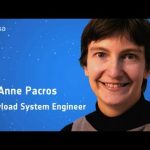
Anne Pacros: Payload system engineer
Academic background series: Anne Pacros is a payload system engineer on the Solar Orbiter mission and finds working in a position where all the threads of the project come together fascinating.
-
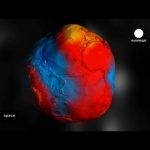
ESA Euronews: Η έλξη της βαρύτητας στη γη
Η βαρύτητα είναι μία θεμελιώδης δύναμη της φύσης, μία αόρατη έλξη που κυβερνά τον πλανήτη, κι αυτό την κάνει ζωτικής σημασίας. Μπορεί να μεταβάλλεται στο χρόνο λόγω της κίνησης της μάζας αλλά και να διαφοροποιείται από τόπο σε τόπο. Πρόκειται για ένα πραγματικό παζλ για τους επιστήμονες.
Η τιμή της βαρύτητας σε ένα μέρος μπορεί να εναλλάσσεται εξαιτίας της παλίρροιας. “Η δράση του φεγγαριού και του ήλιου αλλάζει το πεδίο βαρύτητας και η γη ανταποκρίνεται με ελαστικότητα σε αυτές τις αλλαγές και παραμορφώνεται”, λέει η ειδικός Κάρλα Μπρέιτενμπουργκ. Έτσι, εάν σαρώσει κανείς την γη με έναν ειδικό δορυφόρο για την βαρύτητα, το σχήμα της μοιάζει πραγματικά περίεργο.
“Εδώ και 20 χρόνια θα έλεγα ότι οι επιστήμονες ονειρεύονται μία αποστολή που να προσφέρει υψηλής ποιότητας ανάλυση της βαρύτητας”, τονίζει ο Βόλκερ Λίμπεγκ, διευθυντής του Προγράμματος Εξερεύνησης της γης της ESA.
Ο μόνος τρόπος για να έχουμε μία συνολική εικόνα του πεδίου βαρύτητας είναι να βρεθούμε στο διάστημα, κι αυτό ακριβώς κάνει η ESA με τους δύο δορυφόρους GRACE ανίχνευσης βαρύτητας. Με τα στοιχεία που μεταδίδουν, ειδικοί μπορούν να ανιχνεύσουν την δομή και την ιστορία της γης, ενώ μπορούμε να παρακολουθήσουμε και τις κλιματικές αλλαγές.
“Η μεγάλη καινοτομία του ανιχνευτή βαρύτητας είναι ότι για πρώτη φορά μπορούμε να έχουμε ένα καθολικό πεδίο που έχει την ακρίβεια και την ανάλυση που μας επιτρέπει να εντοπίζουμε τις αλλαγές της μάζας που συνδέονται με την γεωλογική δομή”, αναφέρει η Κάρλα Μπρέιτενμπουργκ.
Η κληρονομιά της αποστολής είναι μία άνευ προηγουμένου σφαιρική έρευνα για την βαρύτητα και την Γη.
-
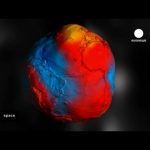
ESA Euronews: La forza di gravità terrestre
La gravità è una delle forze fondamentali della natura, con la sua presa invisibile governa tutto il nostro pianeta: dalle rocce, alle profondità dei mari. Per noi è un punto di riferimento vitale.
Normalmente percepiamo la gravità come un’attrazione costante ma, se si aggiunge della massa extra in un punto, o se la si toglie, il segnale gravitazionale si altera in modo misurabile, seppur minimo. E per la scienza è un rompicapo. La gravità può infatti variare in modi diversi. Può variare nel tempo, a causa dei movimenti della massa, e può variare da un posto all’altro.In questa puntata di Space siamo andati a Trieste, nel nord Italia, dove un gruppo di studenti è alle prese con la gravità. Sottoterra c’è una immensa caverna: la Grotta Gigante. Qui la forza di gravità si riduce sensibilmente il che significa che una massa minore sotto i nostri piedi corrisponde a un’attrazione inferiore verso la Terra.
Il nostro pianeta inoltre, se visto con gli occhi di un satellite in grado di scansionare la gravità, assume davvero una forma molto strana.
Per questo l’unico modo per avere un quadro globale del campo gravitazionale è andare nello spazio. Con questo obiettivo è nata la missione GOCE dell’Agenzia spaziale europea.
Un’opportunità relativamente nuova, quella di utilizzare satelliti per studiare la gravità. Fino al 1995 infatti il campo gravitazionale veniva studiato in alcuni centri come quello di Potzdam, in Germania, tramite pendoli ad alta precisione. -
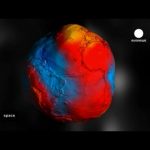
ESA Euronews: El poder de la fuerza de la gravedad en la Tierra
La gravedad es una fuerza fundamental de la naturaleza, una fuerza invisible que domina nuestro planeta, desde sus entrañas rocosas a los océanos. Se trata de un fenómeno de atracción constante, estudiado hace siglos, pero que todavía arroja interrogantes a la comunidad científica. Si eliminamos o añadimo masa en un punto geográfico determinado, cambia la fuerza de la gravedad. Saber exactamente cuánto es complicado, porque varios factores influyen en el fenómeno gravitatorio.
La masa de los cuerpos es un factor determinante. En Trieste, Italia, un grupo de estudiantes indga sobre el fenómeno que Isaac Newton se planteó tres siglos atrás.. La premisa es intrigante. En esta zona hay una gran cueva, llamada Gruta Gigante. La ausencia de masa en el subsuelo reduce la fuerza de la gravedad en la zona. Es decir, si aparcamos un coche que pese una tonelada, aquí pesará cinco gramos menos. Pero la cueva no es el único factor involucrado, explica Carla Breitenburg, profesor de geofísica en la Universidad de Trieste. Un estudiante le preguntó por qué había cambios gravitacionales, si no habían cambiado de lugar en sus mediciones. La respuesta es porque la acción de la Luna y el Sol cambia el campo gravitacional. La forma de la Tierra se estire y encoge con el contínuo flujo de mareas.
La única manera de tener una percepción integral de este fenómeno es desde el espacio. Fue precisamente por esta razón que la Agencia Espacial Europea creó la misión GOCE. La información obtenida por este satélite puede desentrañar elementos importantes, como la presencia de hierro en el subsuelo. Según Carla Breitenburg “el espesor de la corteza puede variar entre 7 kilómetros debajo de los océanos, la zona donde es más delgada, y hasta 70, 75 millas en las zonas más montañosas, como los Andes o el Tíbet”.
Los datos que recoge el satélite GOCE, desde un centro de observación de la Agencia Espacial Europea en Roma, aporta cada vez más información a la comunidad científica. Un miembro del equipo, Bjoern Frommknecht explica que para conseguir mayor precisión del campo gravitatorio de la Tierra, el satélite GOCE vuela más bajo que nunca, “tan cerca como sea posible a la superficie exterior de la atmósfera”, aunque en esa órbita el aire sea un problema. GOCE siempre se mantiene a una altura inferior los satélites convencionales. Ahora pasará a los 268 kilómetros a los 237. Un objetivo importante es mejorar el modelo de geoide, la representación física de la gravedad de la Tierra. Otro es seguir el curso evolutivo del cambio climático, profundizando en lo que sucede debajo de la corteza terrestre.
Los satélites de la misión GRACE estudian precísamente la densidad del hielo en Groenlandia. La medición del geoide es también crucial en sectores complejos como la topografía y la navegación. -
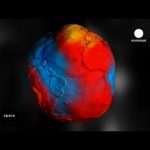
ESA Euronews: Gravity’s grip on Earth
Gravity is one of the fundamental forces of nature, its invisible grip governing our planet – from the rocks inside to the seas on the surface.
In this edition of Space, we begin our adventure in a massive cave in northern Italy, a space beneath the surface of the Earth that is so big it has an effect on the local gravity field. If you parked a car weighing one tonne above this cave, it would weigh five grammes less than elsewhere.
However, getting a grip on gravity on a global scale can only be done from space, and that’s something ESA’s GOCE satellite mission has been doing since 2009. One of the ultimate goals of GOCE is to improve our knowledge of the geoid, a kind of ‘gravity map’ of the planet, that is essential for oceanographers, surveyors, engineers and Earth-science researchers.
Also tracking invaluable information about the Earth’s gravity field is the GRACE mission. While this pair of satellites don’t have the high precision of other missions, they offer something unique: a monthly survey of the gravity field. This US-German mission has been tracking the loss of ice mass over Greenland for the past decade, offering useful evidence for those studying climate change.
-
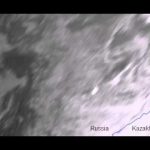
Satellite sees Russian meteor explosion from space
The meteor that exploded over the Urals of central Russia was seen by Eumetsat’s Meteosat-9, at the edge of the satellite view. Hundreds of people were reportedly injured as the meteor’s massive sonic boom caused widespread damage.
Credit: Eumetsat
-
ESA Euronews: La fábrica de cohetes
Paso a paso y pieza a pieza, los ingenieros construyen en este inmenso edificio en los alrededores de París aparatos que pronto pondrán rumbo al espacio.
Cada lanzamiento es un complejo reto técnico en el que todo debe estar perfectamente calibrado. Es el resultado de un largo y cuidadoso trabajo de concepción y construcción que empieza en plantas como la que se encuentra en los alrededores de París, donde se fabrican los componentes del Ariane 5.
Un aparato como éste tiene un tamaño aproximado de 55 metros y un peso de 775
toneladas en el momento de su lanzamiento. La capacidad de carga útil alcanza
las diez toneladas, lo que da una idea de lo que cuesta lanzar, transportar y poner en órbita una nave similar.En estos momentos hay tres cohetes europeos. El Ariane 5 es el mayor, es capaz de levantar diez toneladas de peso y ponerlas en órbita. El Soyuz ruso sólo soporta tres toneladas. Y el Vega, el nuevo cohete europeo, ha sido diseñado para transportar satélites de tonelada y media.
Los expertos de la ESA trabajan también en una actualización de su buque insignia, el Ariane 5ME o Midlife Evolution, más flexible y con una capacidad de carga de hasta 12 toneladas. El hecho de tener mayores prestaciones le permite transportar un satélite de comunicaciones comercial y otro científico.
El siguiente paso será el Ariane 6, que incluirá un motor de reignición. La Agencia Espacial Europea espera así satisfacer a los clientes comerciales sin descuidar la carrera espacial. Su lanzamiento está previsto para 2020.
-
ESA Euronews: No interior da fábrica de foguetes
O lançamento de um foguete é o culminar de um longo e minucioso processo de fabrico e construção que começa em enormes fábricas de foguetes como aquela que existe nos arredores de Paris.
É aqui que o foguete Ariane 5 é literalmente talhado a partir de alumínio sólido e, aos poucos, vai ganhando forma.
“A fim de dar uma ideia da escala, o impulso na descolagem de um foguete como
o Ariane é igual à potência de duas centrais nucleares, e a bomba turbo que alimenta o motor do foguete tem a mesma potência que um comboio TGV”, afirma Michel Freuchet, Director de Foguetes, Astrium.O que sai desta fábrica de foguetes é uma combinação entre potência, escala e engenharia de precisão. Cada lançamento a partir de Kourou na Guiana francesa é cronometrado ao milésimo de segundo.
Neste momento existem três foguetes europeus preparados para voarem para o espaço.
O maior é o Ariane 5, capaz de transportar 10 toneladas para órbita; o Soyuz é o “burro de carga” russo que leva uma carga de 3 toneladas enquanto o Vega é o novo foguete europeu, concebido para transportar uma tonelada e meia de satélites para a órbita terrestre.
No entanto, o Ariane está a ser remodelado – o Ariane 5ME ou Midlife Evolution, vai torná-lo mais flexível devido à capacidade para transportar 12 toneladas.
A capacidade de lançar dois satélites em duas órbitas diferentes é a principal inovação do Ariane 5ME – que conta com uma nova unidade de propulsão na secção superior.
A evolução central ao nível do design foi a criação de uma parte superior com propulsão própria que pode ser ativada já no espaço.
Os engenheiros espaciais que trabalham nos foguetes europeus têm que cumprir as expectativas dos clientes ao planearem designs futuros. O mercado dos foguetes enfrenta uma concorrência crescente do Extremo Oriente assim como de empresas privadas nos Estados Unidos.
Olhando para o futuro, daqui a 10 anos, alguma da nova tecnologia que vemos no Ariane 5, tal como a secção superior com propulsão própria, será incluída no seu sucessor, o Ariane 6.A Agência Espacial Europeia vê esta evolução como uma fase estratégica para fazer face às necessidades dos clientes comerciais e científicos.
-
ESA Euronews: Viaggio nella fabbrica dei razzi spaziali
Ogni lancio spaziale e’ una conquista tecnologica sorprendente. Ma come avviene un lancio spaziale e quali sono le ultime innovazioni nel settore dei lanciatori?
Con Cina ed Estremo Oriente che spingono la competizione e le imprese spaziali private statunitensi in cerca del “prossimo Space Shuttle” lo scenario e’ alquanto vivace.Alla periferia di Parigi, nella fabbrica di lanciatori di Astrium, azienda spaziale tra le piu’ importanti, si costruiscono i vettori Ariane 5 a partire da una lastra di alluminio.
Questo lanciatore e’ alto all’incirca 55 metri, il suo peso al decollo e’ di 775 tonnellate e di solito il carico utile che puo’ essere trasportato in orbita e’ di circa 10 tonnellate.Il Progetto europeo Ariane e’ nato nel 1970 . IL primo Ariane 1 fu lanciato nel 1979 seguito da Ariane 4 nel 1988 e Ariane 5 nel 1996.
Attualmente ci sono tre principali lanciatori europei, pronti per le missioni spaziali. Il piu’ grande e’ Ariane 5, in grado di portare in orbita 10 tonnellate. Il Soyuz e’ il cavallo di battaglia russo la cui capacita’ e’ di 3 tonnellate di carico utile, mentre Vega e’ il nuovo vettore Europeo, ideato per trasportare satelliti di 1 tonnellata e mezzo nella bassa orbita
terrestre.
Anche Ariane pero’ e’ in fase di ammodernamento con il modello Ariane 5ME, Midlife Evolution, piu’ flessibile, potra’ portare un carico doppio con capacita’ aumentata fino a 12 tonnellate.La capacita’ di sganciare due satelliti in orbita, in due diverse posizioni, e’ la principale innovazione di Ariane 5ME che sara’ dotato di un nuovo motore a razzo a combustibile liquido per lo stadio superiore, riaccendibile.
L’Agenzia Spaziale Europea conta su questo lanciatore per portare avanti missioni che siano sia commerciali che scientifiche.
Nel frattempo per agevolare il mercato Ariane 6 dovrebbe portare la tecnologia un passo oltre consentendo lanci di un singolo carico utile. -
ESA Euronews: Les coulisses de la construction des fusées
Moment ultime, chaque lancement est une consécration. Il clot un long processus de conception et de production. Dans le hall d’assemblage d’Astrium près de Paris, les ingénieurs donnent vie au lanceur Ariane 5. Ils le taillent dans l’aluminium et le construisent, pièce après pièce, étage après étage.
Tout l’enjeu est de réussir à doser puissance, démesure et ingéniérie. “La poussée au décollage d’une fusée comme Ariane correspond environ à la puissance de deux centrales nucléaires – deux tranches de centrale nucléaire – et la turbo-pompe qui alimente ce moteur a la puissance d’un TGV,” souligne Michel Freuchet, directeur du programme des lanceurs chez Astrium.
Chaque lancement depuis Kourou en Guyane française est calibrée à la perfection pour faire face à des contraintes de taille. “Le lanceur mesure environ 55 mètres, son poids au décollage fait 775 tonnes et typiquement, la masse de charge utile amenée en orbite est de l’ordre de 10 tonnes,” explique Louis Laurent, directeur des programmes d’Arianespace ; “donc vous voyez le ratio entre la masse utile et la masse qu’il est nécessaire de mettre en oeuvre pour emporter cette charge utile vers l’orbite de transfert
géostationnaire.”Au sol, le corps central d’Ariane 5 est construit à partir d’immenses plaques d’aluminium de haute qualité. L’aluminium a été choisi pour sa meilleure résistance aux températures extrêmement basses de l’hydrogène et de l’oxygène liquides.
A l’heure actuelle, on compte trois principaux lanceurs : le plus gros, Ariane 5 est capable de mettre dix tonnes sur orbite ; son confrère russe Soyouz a lui une charge utile de 3 tonnes tandis que Vega, la nouvelle fusée européenne, est conçue pour placer sur orbite basse, des satellites d’une tonne et demi.
Mais aujourd’hui, Ariane s’apprête à évoluer avec une nouvelle version baptisée 5ME. Sa principale innovation : son étage supérieur sera doté d’un moteur qui pourra être réallumé une fois dans l’espace.
A l’horizon 2020, certaines technologies d’Ariane 5ME comme le moteur réallumable prendront place à bord de sa petite soeur : Ariane 6. -
ESA Euronews: The rocket factory
The launch of a rocket is the crowning moment, the culmination of a long process of careful machining and construction. What comes out of a rocket factory is a unique blend of power, scale and engineering skill.
“To give you an idea of scale, the thrust at liftoff of a rocket like Ariane is like the power of two units of a nuclear power station, and the turbo pump that feeds the rocket engine has the power of a TGV train,” says Michel Freuchet, Head of Launchers at Astrium, near Paris, where the Ariane 5 launcher was born.
Piece by piece, it is hewn from solid aluminium and brought to life. The central structure of Ariane 5 is made from huge sheets of top-grade aluminium. Aluminium is used because it is best suited to withstand the extremely low temperatures of the liquid hydrogen and oxygen propellants. One by one, the panels are machined into shape — with many areas as thin as two milimetres. More than 90% of the aluminium is removed and recycled, leaving behind the perfect central part of each panel.
There are three main European launchers ready to rocket into space.
Ariane 5 is the biggest, capable of lifting 10 tonnes into orbit. Soyuz is the Russian workhorse, with a three-tonne payload capacity, while Vega is the European Space Agency’s new rocket, designed to take 1.5 tonne satellites into low orbit.
Faced with increased competition from the Far East and private companies in the US, the European Space Agency is treating Ariane to a make-over. The Ariane 5 ME, or Midlife Evolution, will be able to combine the launch of communication satellites and scientific missions.
Looking ahead a decade, some of the new technology in Ariane 5 ME will be included in its successor Ariane 6. The European Space Agency sees the evolution as a strategic move to meet the demands of both commercial and scientific customers.
-
NASA, ESA Agree on New Orion Service Module
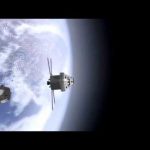
This animation shows NASA’s Orion spacecraft as it will appear on its Exploration Mission-1 in 2017, complete with a service module to be provided by the European Space Agency. After Orion blasts off atop a Space Launch System rocket, the ESA-provided service module will fuel and propel the capsule on its journey through space. Exploration Mission-1 in 2017 will be the first mission to incorporate both the Orion vehicle and NASA’s new Space Launch System. It will follow the upcoming Exploration Flight Test-1 in 2014, in which an uncrewed Orion will launch atop a Delta IV Heavy rocket and fly 3,600 miles above Earth’s surface, farther than a human spacecraft has gone in 40 years.
-
The Huygens experience
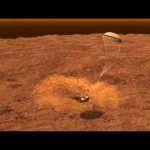
A new rendering of Huygens descent and touchdown created using real data recorded by the probe’s instruments as it descended to the surface of Titan, Saturn’s largest moon, on 14 January 2005.
The animation takes into account Titan’s atmospheric conditions, including the Sun and wind direction, the behaviour of the parachute (with some artistic interpretation only on the movement of the ropes after touchdown), and the dynamics of the landing itself. Even the stones immediately facing Huygens were rendered to match the photograph of the landing site returned from the probe, which is revealed at the end of the animation.
Split into four sequences, the animation first shows a wide-angle view of the descent and landing followed by two close-ups of the touchdown from different angles, and finally a simulated view from Huygens itself — the true Huygens experience.
This animation was released on the eighth anniversary of Huygen’s touchdown on Titan as a Space Science Image of the Week feature.Animation: ESA–C. Carreau/Schröder, Karkoschka et al (2012). Image from Titan’s surface: ESA/NASA/JPL/University of Arizona
-
ESA – Space to Relax / Earth & Mars: 2 Planets, 1 Blueprint
Watch landscapes easily blend from one world to the other in this gallery of Earth and Mars images taken from space.
Images: ESA/DLR/FU Berlin
Music: Crystals licensed by Ambient Music Garden. -
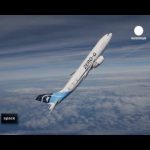
ESA Euronews: Volare in assenza di gravità
In questa puntata viviamo l’esperienza del volo parabolico, ossia in assenza di gravità. Un normale aereo di linea segue una curva a campana, in orbita all’interno dell’atmosfera. Nel punto massimo della curva parabolica si comincia a fluttuare in assenza di forza gravitazionale, come se si fosse nello spazio. Abbiamo seguito un gruppo di ricercatori, francesi e tedeschi, decollati dall’aeroporto di Bordeaux a bordo dello Zero G della società Novespace.
Tra gli scienziati decollati da Bordeaux, quelli dell’università dello sport di Colonia, desiderosi di studiare il funzionamento del cervello, per capire se la redistribuzione del volume del sangue possa avere un impatto negativo sull’attività della corteccia cerebrale.
Una squadra di ricercatori di Monaco di Baviera osserva invece le posizioni che assume il corpo umano quando non è sotto l’influenza della gravità. Il team di ricercatori francesi esamina il trasferimento del calore nei liquidi in ebollizione. Novespace effettua diversi voli parabolici all’anno per clienti come l’Agenzia Spaziale Europea. Non ci sono solo i voli in assenza di gravità, ma anche quelli che riproducono la gravità di altri pianeti.
-

ESA Euronews: Voos parabólicos: no Espaço por alguns segundos
Os voos parabólicos são uma das melhores maneiras de simular o ambiente espacial. Os passageiros são cientistas que estudam a microgravidade.
Para estarem a bordo do avião Novespace ZERO-G, os investigadores tiveram de provar que as suas experiências são cientificamente sólidas e que passar por rigorosos controlos de segurança.
Os passageiros de um voo parabólico têm 22 segundos para girar, sem as amarras da gravidade.
-
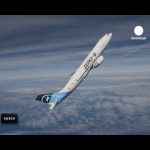
ESA Euronews: Bienvenido a la ingravidez
Es un avión de pasajeros convencional y se llama Flying Zero-G. Pero realiza
vuelos parabólicos para conseguir durante unos pocos segundos la ingravidez.
Un breve espacio de tiempo que los científicos aprovechan para hacer sus
experimentos.Tienen tres oportunidades. Tres vuelos en cada uno de los cuales el avión traza 31 parábolas para simular que se está en el espacio. Y ése es el momento para hacer experimentos con nuestro cuerpo o para ver cómo quedan patas arriba las leyes de la física.
-
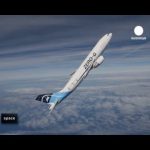
ESA Euronews: Zero-G fliegen
Für wenige Sekunden fühlt man sich wie im Weltall: Bei einem Parabelflug ist man für 22 Sekunden von der Schwerkraft befreit. Als Flugzeug genügt eine normale Verkehrsmaschine. Flügel, Rumpf und Triebwerke brauchen nicht verändert werden.
Die Flugbahn ist eine glockenförmige Kurve. Die Maschine wird sozusagen in die Luft geworfen. Nach einem Steigflug von 40 Grad geht die Maschine in etwa 6000 m Höhe in den Sinkflug über. Es ist der magische Moment: Wenn die Passagiere in null g schweben, berühren Sie weder Wände noch Boden. Sie sind von der Schwerkraft befreit wie im Space Shuttle oder in der Internationalen Raumstation.
Der Parabelflug ist eines der besten Mittel, um die Verhältnisse im All zu simulieren. Wissenschaftler mit ganz verschiedenen Interessen nehmen daran teil. Das Flugzeug ist für sie ein fliegendes Versuchslabor. Die Crew wird mit ihnen 31 Parabeln fliegen – also die Forscher und ihre Versuchspersonen und Apparaturen 31 mal in die Schwerelosigkeit versetzen.
-
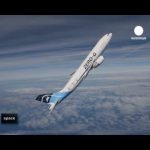
ESA Euronews: Flying Zero-G
If you fly a plane in the right way at the right speed, you can be weightless for a few seconds. By throwing the aircraft into an orbit-like path within Earth’s atmosphere, you can enter the wonderful world of weightlessness.
It is one of the best ways to simulate the environment of space, and a valuable experimental tool for scientists with a special interest in microgravity. If they want to find out how the brain works, study the natural posture of humans in space, or how water boils in a weightless environment, this is the way to do it.
Take a journey into a free-floating world of the parabola in this edition of Space.