🚩 Sebastian, the king of the ever expanding Portuguese empire, wished to impose Christian rule over Muslim Morocco. He landed in Tangier with 23,000 troops and modern artillery. But the Moroccan forces, though not as well equipped, numbered over 50,000 men. Led by the determined Sultan Abd al-Malik, defeating the the Muslims would present the greatest challenge yet to the Portuguese overseas expansion… 🚩 Upon your requests I merged all parts of this mini-series for more convenient viewing. I hope you’ll enjoy the show!
🚩 Thanks to Storyblocks for sponsoring this video! Download unlimited stock media at one set price with Storyblocks: https://storyblocks.com/historymarche
🚩 Basil became one of the strongest Byzantine emperors, winning territory in the Balkans, Mesopotamia, Armenia, and Georgia. He crushed rebellions, subdued feudal landowners and conquered the enemies of the Empire. Italy was reorganized and a campaign to retake Sicily was prepared. The might of Roman armies was again respected and feared.
🚩 Big thanks to History Rhymes for collaborating with me on this video: https://www.youtube.com/@historyrhymes1701
🎼 Music: Epidemic Sounds Filmstro Impact Allegretto – Kevin MacLeod
📚 Sources: John Haldon – Byzantium at War AD 600 – 1463 Ian Heath & Angus McBride – Byzantine Armies 886-1118 Ian Heath & Angus McBride – Byzantine Armies 1118 – 1461 Judith Herring – Byzantium: The Surprising Life of a Medieval Empire David Nicholle – Manzikert 1071: The Breaking of Byzantium John Julius Norwich – The Normans in the South Paul Stephenson – The Legend of Basil the Bulgar Slayer
🚩 Support the channel and Play World of Tanks for FREE here: https://tanks.ly/3PeDSSb 🚩 New and existing players get awesome rewards using the code “COMBAT”
🚩 Big thanks to History Rhymes for collaborating with me on this video: https://www.youtube.com/@historyrhymes1701
📢 Narrated by David McCallion
🎼 Music: Instinct – Bensound Impact Allegretto – Kevin MacLeod Crypto – Kevin MacLeod Epidemic Sounds Volatile Reaction – Kevin MacLeod Filmstro
📚 Sources: John Haldon – Byzantium at War AD 600 – 1463 Ian Heath & Angus McBride – Byzantine Armies 886-1118 Ian Heath & Angus McBride – Byzantine Armies 1118 – 1461 Judith Herring – Byzantium: The Surprising Life of a Medieval Empire David Nicholle – Manzikert 1071: The Breaking of Byzantium John Julius Norwich – The Normans in the South Paul Stephenson – The Legend of Basil the Bulgar Slayer
🚩 Sign up for NordVPN and get an EXTRA 4 months using our link: https://nordvpn.com/historymarchevpn It’s risk-free with Nord’s 30-day money-back guarantee!
🚩 Thanks to Kamikoto for sponsoring this video! Get an additional $50 off on any purchase with code HISTORYMARCHE during their Black Friday/Holiday sale. Go to https://kamikoto.com/HISTORYMARCHE and help support the channel.
🚩 Coming back to you with the next installment of the Basil II, the Bulgar Slayer series. In part 5, Basil decisively defeats Samuel of Bulgaria at Kleidion. The victory was a turning point. It is also during this period that Basil blinded 15,000 Bulgarian troops as punishment, an act that largely contributed to later getting the nickname “the Bulgar-slayer”.
🚩 Get $50 off on any purchase during Kamikoto’s Holiday Sale with code HISTORYMARCHE. Go to https://kamikoto.com/HISTORYMARCHE to buy your Christmas gifts and help support the channel.
🚩 Alfonso VI’s steady expansion and incorporation of Taifas into his realm provoked a reaction from the Almoravids. Commanded by Yusuf ibn Tashfin, the Almoravid army met Alfonso force near Badajos. A victory for the Christians would break the last significant Muslim resistance and enable complete conquest of Iberia. A victory for the Muslims would stop and reverse the Reconquista.
🚩 Big thanks to Srpske Bitke for their collaboration on this video: https://www.youtube.com/@SrpskeBitke
📢 Narrated by David McCallion
📝 Research and writing: Damien Peters
📚 Sources: Abd al-Wahid al Marrakushi – Account of the Battle of Zallaca, taken from “Christians and Moors in Spain” – Retrieved from https://deremilitari.org/2013/11/the-battle-of-zallaqa-1086/ David Nicholle & Angus McBride – El Sid and the Spanish Reconquista, 1050-1492 John France – Western Warfare in the Age of the Crusades, 1000-1300 Ian Heath – Armies of Feudal Europe, 1066-1300 Joseph F. O’Callaghan – Reconquest and Crusade in Medieval Spain Joseph F. O’Callaghan – The Latin Chronicle of the Kings of Castile Richard Fletcher – Moorish Spain
🚩 By the end of the 10th, Emperor Basil realized he cannot fight a two-front war. So he began consolidating his position against the Fatimids in the east and shifted his focus west. Between the years 998 and 1004, Basil the Bulgar Slayer began the destruction of the Bulgarian Empire.
🚩 Basil had successfully stabilized the empire after the civil war, exacerbated by the conflict with the Fatimids in Syria. Samuel of Bulgaria took advantage of the situation to invade the Byzantine Empire in the west. Meanwhile, the Fatimids were preparing to push Romans out of Syria. Emperor Basil now faced a fight on two fronts against two formidable opponents. In this episode we will show the Battle of Spercheios (997 AD) and the Battle of Apamea (998 AD), as Basil tries to organize his army to stave off multiple incursions into Byzantine territory.
🚩 Thanks to Kingdom Maker for sponsoring – Download Kingdom Maker on iOS & Android and start ruling today: https://pixly.go2cloud.org/SH3EW
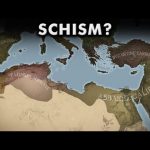
🚩 The Fatimid Conquest of Egypt, a pivotal moment in Islamic history. It destroyed any semblance of central authority in the Muslim world, provoked the reaction of the Turks as defenders of orthodox (Sunni) Islam, impelled the Omayyads in Spain to declare their own Caliphate, launched the powerful Murabitun revolution in western Africa, denied the Muslims their last chance to conquer Europe. Moreover the Fatimid schism gave the Crusaders an opportunity to capture Jerusalem in 1099.
🗡️ Behold a new golden age in Conqueror’s Blade. Play Season VIII: Dynasty today and enjoy a FREE 7 day premium account! https://bit.ly/3xZJyEH Sponsored by MY.GAMES 👇 Push down for more cool stuff 👇
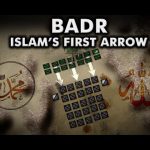
🚩The battle of Badr has been described as one of the most important battles in Islamic history. And for good reason. Its outcome transformed the Muslims from a marginal religious movement to political contenders on the western coast of Arabia.
Există încă o tentație puternică de a ne lăsa seduși de tot felul de construcții dihotomice, simpliste și ierarhice ale alterității, aici Celălalt fiind reprezentat de femeile musulmane. În același timp, avem deja mai bine de trei decenii în care a existat o explozie de scrieri și discursuri, însoțite de un activism asiduu, centrate pe legitimarea egalității de gen, însă pornind de la o paradigmă teologică islamică. Femeile musulmane nu mai sunt doar obiecte ale discursurilor noastre, ci subiecte, creatoare active ale propriei lor perspective.
Vom subsuma aceste demersuri interpretative și jurisprudențiale contemporane sub o etichetă utilă, deși adesea contestată, a feminismelor islamice și vom încerca să identificăm câteva strategii feministe de extragere a sensurilor coranice egalitariste. Și pentru că genul și religia au fost prinse de la început într-o relație complexă de interdependență, vom vedea cum feminismele islamice nu sunt doar despre anihilarea relației ierarhice dintre bărbați și femei, ci și despre regăsirea unei solidarități umane universale, inclusiv soteriologice, precum și a unei solidarități ecologice, a unui alt mod de raportare la natură și cosmos.
Alina Isac Alak, doctor în filosofie, este cadru didactic universitar asociat la Facultatea de Jurnalism și Științele Comunicării și la Facultatea de Limbi și Literaturi Străine, Universitatea București. Autoarea este specialistă în hermeneutică islamică, curente reformiste islamice contemporane, dezvoltări ale construcțiilor identitare musulmane autohtone și europene, studii de gen, inclusiv feminism islamic.
A publicat numeroase articole și studii academice atât în volume colective, cât și în prestigioase reviste de specialitate din țară și din străinătate, precum și patru cărți de autor în domeniul studiilor islamice, cu un accent special pe perspectiva de gen: Statutul femeilor în islam. Perspective actuale. Polirom, 2016; Femeile în jurisprudența islamică. Critici contemporane. Tritonic, 2016; Reformă și înnoire în Islamul modern. Argumente teologice, contexte socio-politice. Tritonic, 2017; Shariah sau despre istoria umană a Voinței divine. Pro Universitaria, 2019. De asemenea, este co-autoarea unui volum recent despre gen și islam: Islam and Gender. Major Issues and Debates. Routledge, 2020.
Lumea musulmană a intrat, de mai bine de 150 de ani, într-un proces de renaștere (ihyā’) și de reînnoire (tajdīd), în special datorită șocului provocat de impactul politicilor coloniale europene și de contactul cu modernitatea occidentală. Plecând de la conștiința de a se afla într-o profundă criză și înapoiere (religioasă, socio-economică, politică, militară), o bună parte dintre elitele musulmane caută, începând de atunci, diferite modele și metode de a reconstrui un Islam, deopotrivă adaptat noilor vremuri, dar și reancorat în gloria și „autenticitatea” perioadei sale clasice. În interiorul acestui vast proces de refundamentare, problematica raporturilor dintre religie și politică ocupă un rol central. Ele au generat, din secolul al XIX-lea încoace, nenumărate teoretizări doctrinare și ideologice, și s-au concretizat prin emergența unor numeroase structuri sociopolitice (asociații, partide, regimuri politice, grupări militante) care, toate, încearcă să ofere, în maniere proprii, soluții pentru o reintegrare a câmpului politic (ca și a celui juridic, economic, al comportamentelor publice) în interiorul unei legalități și funcționalități musulmane, potrivit ideii că Islamul este un sistem integral, deopotrivă dīn-dunya-dawla (credință, realitate socială, stat). Desemnate, generic, sub numele de „islamism”, aceste dinamici traversează, și bulversează, în ultimele decenii, aproape toate societățile și statele musulmane (inclusiv diaspora musulmană), și suscită un larg interes (dublat de multiple interpretări diferențiate, și chiar de profunde incomprehensiuni), deopotrivă în rândul specialiștilor și al opiniei publice. Pornind de aici, discuția noastră va încerca să ofere o succintă cartografiere a acestei complexe fenomenologii a curentelor islamiste contemporane, printr-o plasare a lor în istoria mai largă a relațiilor dintre religie și politică în interiorul lumii musulmane, și, totodată, să prezinte câteva dintre modalitățile în care ele sunt interpretate în interiorul mediilor științifice și politice, în special în Occident.
Invitat: Alin Fumurescu. Dupa LIVE dezbatem in continuare subiectul pe Discord https://www.discord.gg/presura Hai si tu!
Multiculturalismul este un fenomen vechi de cand lumea, si-atunci trebuie sa ne intrebam de ce a devenit aproape peste noapte un subiect atat de “fierbinte”? Pentru a intelege mai bine explozia politicilor identitare din ultima vreme, vom incerca sa schitam istoria conceptuala a multiculturalismului din antichitate pana in zilele noastre, acordand o atentie speciala Europei si Americii, fara a neglija cazul Romaniei. Intrebarea cheie in jurul careia se va invarti discutia noastra va fi una deopotriva simpla si extrem de complicata: Este cultura “nascuta” sau “facuta”?