Tag: science

  • What would you burn up in the atmosphere? #shorts

    What would you burn up in the atmosphere? #shorts

    The Pirs docking compartment (also called DC-1) left the International Space Station together with the Progress MS-16 cargo spacecraft after 20 years of service and burned up safely in the atmosphere above the Pacific Ocean on 26 July 2021. Its departure made room for the Nauka science module.

    European Space Agency astronaut, Thomas Pesquet, filmed this video and shared on social media with the caption: “Here’s a timelapse of DC1’s re-entry last week, together with its tow truck, Progress 77P, seen from above. Atmospheric re-entry without a heat shield results in a nice fireball (you clearly see smaller pieces of melting metal floating away and adding to the fireworks). This timelapse is sped up, we could observe the fireball for around six minutes. Next time you see a shooting star, it might be our ISS trash getting burnt up… Not sure it will be granted in that case, but you never know, I’d still advise to go ahead and make a wish.”

    Follow Thomas: http://bit.ly/ThomasPesquetBlog

    ★ Subscribe: http://bit.ly/ESAsubscribe and click twice on the bell button to receive our notifications.

    Check out our full video catalog: http://bit.ly/SpaceInVideos
    Follow us on Twitter: http://bit.ly/ESAonTwitter
    On Facebook: http://bit.ly/ESAonFacebook
    On Instagram: http://bit.ly/ESAonInstagram
    On Flickr: http://bit.ly/ESAonFlickr

    We are Europe’s gateway to space. Our mission is to shape the development of Europe’s space capability and ensure that investment in space continues to deliver benefits to the citizens of Europe and the world. Check out https://www.esa.int/ to get up to speed on everything space related.

    Copyright information about our videos is available here: https://www.esa.int/ESA_Multimedia/Terms_and_Conditions

    #ESA
    #Timelapse
    #MissionAlpha

  • Banjo time with Thomas Pesquet! #shorts

    Banjo time with Thomas Pesquet! #shorts

    European Space Agency astronaut Thomas Pesquet shared this video on social media with the caption:

    “100 days in space for #MissionAlpha. It feels like a long time ago, but we also installed new toilets shortly after arriving. I was looking at the procedures on the tablet velcroed to my thigh, and yes, this filter looked so much like a banjo, I had to. The same video specialist at ESA who edits the timelapse videos (and much, much more!), Melanie Cowan, spotted this clip from the Space Station onboard camera views, added some music and the result is… perfectly embarrassing! . True story: I actually helped Mark on this day. A little. Maybe. No one knows.”

    Over 200 experiments are planned during Thomas’ time in space, with 40 European ones and 12 new experiments led by the French space agency @CNES.

    Follow Thomas: http://bit.ly/ThomasPesquetBlog

    ★ Subscribe: http://bit.ly/ESAsubscribe and click twice on the bell button to receive our notifications.

    Check out our full video catalog: http://bit.ly/SpaceInVideos
    Follow us on Twitter: http://bit.ly/ESAonTwitter
    On Facebook: http://bit.ly/ESAonFacebook
    On Instagram: http://bit.ly/ESAonInstagram
    On Flickr: http://bit.ly/ESAonFlickr

    We are Europe’s gateway to space. Our mission is to shape the development of Europe’s space capability and ensure that investment in space continues to deliver benefits to the citizens of Europe and the world. Check out https://www.esa.int/ to get up to speed on everything space related.

    Copyright information about our videos is available here: https://www.esa.int/ESA_Multimedia/Terms_and_Conditions

    #ESA
    #MissionAlpha
    #ThomasPesquet

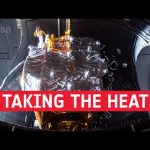
  • Juice takes the heat

    Juice takes the heat

    ESA’s Jupiter Icy moons Explorer, Juice, has successfully completed rigorous thermal tests simulating the extreme coldness of space and the warmth of the Sun at ESA’s test centre ESTEC, in The Netherlands.

    The spacecraft underwent a month of round-the-clock testing and monitoring in the Large Space Simulator, which recreates the vacuum of space and is able to simulate both hot and cold space environments. The spacecraft was subjected to temperatures ranging from 250 degrees to minus 180 degrees Celsius, showing that it can survive its journey in space.

    Juice will launch in 2022 to our Solar System’s largest planet. It will spend over four years studying Jupiter’s atmosphere, magnetosphere and its icy moons Europa, Callisto and Ganymede, investigating whether the moons’ subsurface oceans are habitable for life.

    Learn more about Juice: https://bit.ly/JuiceESAScience

    ★ Subscribe: http://bit.ly/ESAsubscribe and click twice on the bell button to receive our notifications.

    Check out our full video catalog: http://bit.ly/SpaceInVideos
    Follow us on Twitter: http://bit.ly/ESAonTwitter
    On Facebook: http://bit.ly/ESAonFacebook
    On Instagram: http://bit.ly/ESAonInstagram
    On Flickr: http://bit.ly/ESAonFlickr

    We are Europe’s gateway to space. Our mission is to shape the development of Europe’s space capability and ensure that investment in space continues to deliver benefits to the citizens of Europe and the world. Check out https://www.esa.int/ to get up to speed on everything space related.

    Copyright information about our videos is available here: https://www.esa.int/ESA_Multimedia/Terms_and_Conditions

    #ESA
    #JuiceMission
    #InTheCleanRoom

  • Earth from Space: Malé, the Maldives

    Earth from Space: Malé, the Maldives

    The Copernicus Sentinel-2 takes us over Malé, the capital and most populous city in the Republic of Maldives, in this edition of the Earth from Space programme.

    Download the image: https://www.esa.int/ESA_Multimedia/Images/2021/07/Male_the_Maldives

    ★ Subscribe: http://bit.ly/ESAsubscribe and click twice on the bell button to receive our notifications.

    Check out our full video catalog: http://bit.ly/SpaceInVideos
    Follow us on Twitter: http://bit.ly/ESAonTwitter
    On Facebook: http://bit.ly/ESAonFacebook
    On Instagram: http://bit.ly/ESAonInstagram
    On Flickr: http://bit.ly/ESAonFlickr

    We are Europe’s gateway to space. Our mission is to shape the development of Europe’s space capability and ensure that investment in space continues to deliver benefits to the citizens of Europe and the world. Check out https://www.esa.int/ to get up to speed on everything space related.

    Copyright information about our videos is available here: https://www.esa.int/ESA_Multimedia/Terms_and_Conditions

    #ESA
    #EarthFromSpace
    #Malé

  • NASA Science Live: How to Become a NASA Intern

    NASA Science Live: How to Become a NASA Intern

    Have you ever wondered what it would be like to work at NASA? Across the country, NASA interns from high school to graduate students are using their creativity and innovation to work on real NASA missions. Join us on Thursday, July 29th at 3:00 p.m. ET for National Intern Day, where you will hear from our very own interns on how you can join the NASA family. Send in your questions using #askNASA.

    Elio Morillo is the host for this episode and a Mars 2020 Test and Operations Engineer at NASA’s Jet Propulsion Laboratory. Elio started his NASA journey as an intern working on the System Testbed for Mars 2020. After he completed his master degree, he accepted a full time position. He says his favorite part about working for NASA is being able to showcase the amazing work his team is doing on Mars and inspiring future generations to pursue a career in STEM. In his spare time, he mentors students and participates in STEM outreach programs. He also loves exploring the culinary scene in Los Angeles, Latin dancing, surfing, and hiking!

    Annalise Giuliani is a NASA Internship Program Coordinator at Johnson Space Center. Annalise began her NASA journey as an intern in 2016. Shortly after graduating from college, she packed her bags and moved to California where she worked as the Multimedia Coordinator at Armstrong Flight Research Center. Several short years later, she moved to Houston, Texas to work as an Internship Coordinator at Johnson Space Center. She says her favorite part about working at NASA is working alongside individuals who come from such diverse backgrounds and professions. In her spare time she enjoys traveling, photography, and spending time with her friends, family, and her yellow lab, Gracie!

    Albert Kodua is a NASA Student Airborne Research Program Intern at Armstrong Flight Research Center studying California wildfires using NASA satellite imagery. Albert’s favorite part about interning at NASA is the sense of community. He says it’s really nice to have a built-in network of people who want him to succeed and grow. Albert is currently going into his senior year as a Materials Science and Engineering major at Virginia Tech and is the Launch and Early Operations sub-team lead of one of Virginia Tech’s premier rocketry design teams, the Orbital Launch Vehicle Team.

    Maria Pena is a remote summer intern at Armstrong Flight Research Center. There, she is working on developing object detection for autonomous Unmanned Aircraft Systems obstacle avoidance. Her favorite part about being an intern are the various NASA intern events. In her spare time, she likes to take portraits and nature photographs. One piece of advice she’d like to share for anyone wanting to become an intern is to always try. Never limit yourself, and push past your comfort zone.

  • Counting carbon

    Counting carbon

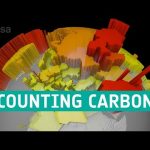
    The Paris Agreement adopted a target for global warming not to exceed 1.5°C. This sets a limit on the additional carbon we can add to the atmosphere – the carbon budget. Only 18% of the carbon budget is now left. That is about 10 years at current emission rates.

    Each country reports its annual greenhouse gas emissions to the United Nations. Scientists then set these emissions against estimates of the carbon absorbed by Earth’s natural carbon sinks. This is known as the bottom-up approach to calculating the carbon budget.

    Another way to track carbon sources and sinks is to measure the amounts of greenhouse gases in the atmosphere from space – the top-down approach. As well as tracking atmospheric carbon, ESA’s Climate Change Initiative is using satellite observations to track other carbon stocks on land and sea.

    How we use the land accounts for about a quarter of our greenhouse gas emissions. Forests are the largest store of carbon on the land. Fire acts as a conduit for carbon to pass from the land to the atmosphere. And
    phytoplankton in the ocean is an important carbon sink.

    ESA’s RECCAP-2 project is using this information to reconcile the differences between the bottom-up and top-down approaches. Observations are combined with atmospheric and biophysical computer models to deduce carbon fluxes at the surface. This will improve the precision of each greenhouse gas budget and help separate natural fluxes from agricultural and fossil fuel emissions. This work will help us gauge whether we can stay within the 1.5°C carbon budget, or if more warming is in store.

    Credits: ESA/Planetary Visions

    ★ Subscribe: http://bit.ly/ESAsubscribe and click twice on the bell button to receive our notifications.

    Check out our full video catalog: http://bit.ly/SpaceInVideos
    Follow us on Twitter: http://bit.ly/ESAonTwitter
    On Facebook: http://bit.ly/ESAonFacebook
    On Instagram: http://bit.ly/ESAonInstagram
    On Flickr: http://bit.ly/ESAonFlickr

    We are Europe’s gateway to space. Our mission is to shape the development of Europe’s space capability and ensure that investment in space continues to deliver benefits to the citizens of Europe and the world. Check out https://www.esa.int/ to get up to speed on everything space related.

    Copyright information about our videos is available here: https://www.esa.int/ESA_Multimedia/Terms_and_Conditions

    #ESA
    #EarthObservation
    #ClimateChange

  • Earth from Space: Tarso Toussidé, Chad

    Earth from Space: Tarso Toussidé, Chad

    The Copernicus Sentinel-2 takes us over the Tarso Toussidé volcanic massif, Chad, in this edition of the Earth from Space programme.

    Download the image: https://www.esa.int/ESA_Multimedia/Images/2021/07/Tarso_Tousside_Chad

    ★ Subscribe: http://bit.ly/ESAsubscribe and click twice on the bell button to receive our notifications.

    Check out our full video catalog: http://bit.ly/SpaceInVideos
    Follow us on Twitter: http://bit.ly/ESAonTwitter
    On Facebook: http://bit.ly/ESAonFacebook
    On Instagram: http://bit.ly/ESAonInstagram
    On Flickr: http://bit.ly/ESAonFlickr

    We are Europe’s gateway to space. Our mission is to shape the development of Europe’s space capability and ensure that investment in space continues to deliver benefits to the citizens of Europe and the world. Check out https://www.esa.int/ to get up to speed on everything space related.

    Copyright information about our videos is available here: https://www.esa.int/ESA_Multimedia/Terms_and_Conditions

    #ESA
    #EarthFromSpace
    #TarsoToussidé

  • ERS-1 first image: solving the mystery

    ERS-1 first image: solving the mystery

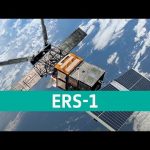
    ESA’s first Earth observation mission dedicated to understanding our planet, the European Remote Sensing satellite (ERS-1), was launched into orbit on 17 July 1991. At the time, it was the most sophisticated Earth observation spacecraft developed and launched by Europe.

    Thirty years ago, as the team went through the launch and early-orbit phase, the first synthetic aperture radar images were awaited in Kiruna and Fucino. Featuring video footage taken in 1991, the team involved tells the story of the anxious moments and important breakthroughs they made as the first images arrived. Get an insider view into the problem-solving moments from inside one of ESA’s processing rooms.

    Learn more: https://bit.ly/ERS1And2

    ★ Subscribe: http://bit.ly/ESAsubscribe and click twice on the bell button to receive our notifications.

    Check out our full video catalog: http://bit.ly/SpaceInVideos
    Follow us on Twitter: http://bit.ly/ESAonTwitter
    On Facebook: http://bit.ly/ESAonFacebook
    On Instagram: http://bit.ly/ESAonInstagram
    On Flickr: http://bit.ly/ESAonFlickr

    We are Europe’s gateway to space. Our mission is to shape the development of Europe’s space capability and ensure that investment in space continues to deliver benefits to the citizens of Europe and the world. Check out https://www.esa.int/ to get up to speed on everything space related.

    Copyright information about our videos is available here: https://www.esa.int/ESA_Multimedia/Terms_and_Conditions

  • Eutelsat Quantum: Europe’s reprogrammable satellite

    Eutelsat Quantum: Europe’s reprogrammable satellite

    Soon Eutelsat Quantum will be launched into a geostationary orbit on board an Ariane 5 from Kourou. This advanced telecommunications satellite is revolutionary as it offers its users the ability to reconfigure the satellite while in orbit. This offers a previously unknown degree of flexibility during its 15-year lifetime. It allows for satellites of this type to be mass-produced, making them extremely interesting for commercial parties and industry. The satellite was developed as an ESA partnership project with operator @Eutelsat SA and prime contractor @Airbus working together with ESA to share the risk of developing this innovative piece of technology.

    Learn more about Quantum: https://bit.ly/ESAQuantum

    ★ Subscribe: http://bit.ly/ESAsubscribe and click twice on the bell button to receive our notifications.

    Check out our full video catalog: http://bit.ly/SpaceInVideos
    Follow us on Twitter: http://bit.ly/ESAonTwitter
    On Facebook: http://bit.ly/ESAonFacebook
    On Instagram: http://bit.ly/ESAonInstagram
    On Flickr: http://bit.ly/ESAonFlickr

    We are Europe’s gateway to space. Our mission is to shape the development of Europe’s space capability and ensure that investment in space continues to deliver benefits to the citizens of Europe and the world. Check out https://www.esa.int/ to get up to speed on everything space related.

    Copyright information about our videos is available here: https://www.esa.int/ESA_Multimedia/Terms_and_Conditions

    #ESA
    #Eutelsat
    #Quantum

  • Spacewalk season timelapse, episode 3

    Spacewalk season timelapse, episode 3

    Timelapse video made during ESA astronaut Thomas Pesquet’s second mission to the International Space Station, “Alpha”.

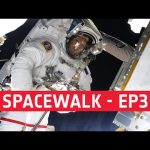
    ESA astronaut Thomas Pesquet and @NASA astronaut Shane Kimbrough performed three spacewalks in the span of 10 days to install two new solar arrays that will generate more electricity on the International Space Station.

    The third and final spacewalk for the duo happened on June 25 to finish installing the second pair of new solar arrays. This spacewalk proceeded without problems, and the two new solar arrays are already working and supplying power to the Space Station.

    The design of the new solar arrays will be used to power the lunar Gateway that will be built in an orbit around the Moon – the next outpost in space for the agencies that run the International Space Station.

    Thomas has now spent exactly 33 hours on spacewalks, all with Shane over the course of two spaceflights.

    Thomas posted this video on his social media channels with the caption: “Aki took another great timelapse of our last spacewalk to install the new solar panels… for now. Four more are set to be installed, but they are not on the Station yet. This timelapse is great because it shows how small we are compared to the huge layout of the Space Station (it is about the same size as a football field – both types: American football or actually-using-your-feet-football fields). Note how the solar arrays we are working on don’t move, this is because they were turned off and not following the Sun so were not generating power. As an extra precaution we didn’t connect the power cables until darkness!”

    Over 200 experiments are planned during Thomas’ time in space, with 40 European ones and 12 new experiments led by the French space agency @CnesFrance.

    Follow Thomas: http://bit.ly/ThomasPesquetBlog

    Timelapse directed by Aki Hoshide, edited by Melanie Cowan.

    ★ Subscribe: http://bit.ly/ESAsubscribe and click twice on the bell button to receive our notifications.

    Check out our full video catalog: http://bit.ly/SpaceInVideos
    Follow us on Twitter: http://bit.ly/ESAonTwitter
    On Facebook: http://bit.ly/ESAonFacebook
    On Instagram: http://bit.ly/ESAonInstagram
    On Flickr: http://bit.ly/ESAonFlickr

    We are Europe’s gateway to space. Our mission is to shape the development of Europe’s space capability and ensure that investment in space continues to deliver benefits to the citizens of Europe and the world. Check out https://www.esa.int/ to get up to speed on everything space related.

    Copyright information about our videos is available here: https://www.esa.int/ESA_Multimedia/Terms_and_Conditions

    #ESA
    #Spacewalk
    #MissionAlpha

  • Earth from Space: Gulf of Martaban, Myanmar

    Earth from Space: Gulf of Martaban, Myanmar

    The Copernicus Sentinel-2 takes us over the Gulf of Martaban, Myanmar, in this edition of the Earth from Space programme.

    Download the image: https://www.esa.int/ESA_Multimedia/Images/2021/07/Gulf_of_Martaban_Myanmar

    ★ Subscribe: http://bit.ly/ESAsubscribe and click twice on the bell button to receive our notifications.

    Check out our full video catalog: http://bit.ly/SpaceInVideos
    Follow us on Twitter: http://bit.ly/ESAonTwitter
    On Facebook: http://bit.ly/ESAonFacebook
    On Instagram: http://bit.ly/ESAonInstagram
    On Flickr: http://bit.ly/ESAonFlickr

    We are Europe’s gateway to space. Our mission is to shape the development of Europe’s space capability and ensure that investment in space continues to deliver benefits to the citizens of Europe and the world. Check out https://www.esa.int/ to get up to speed on everything space related.

    Copyright information about our videos is available here: https://www.esa.int/ESA_Multimedia/Terms_and_Conditions

    #ESA
    #EarthFromSpace
    #GulfOfMartaban

  • The making of Juice

    The making of Juice

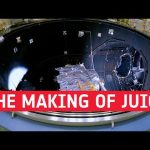
    The ESA Jupiter Icy Moons Explorer (Juice) team has been working very hard to prepare the spacecraft for the first test in the one-year long environmental test campaign. This is the so-called Thermal Balance Thermal Vacuum (TBTV) test.

    Juice is in the Large Space Simulator (LSS), a unique facility in Europe (run by the European Test Center, at ESA/ESTEC in the Netherlands) that can simulate the vacuum and cold and hot temperature conditions in space, and also the Sun itself!

    The TBTV started on 17 June with the closure of the LSS and the “pumping-down”, meaning the removal of air within the chamber to a pressure level of 10nbar (1/100 000 000th of the outside air pressure). This is the closest Juice will come to space conditions while on Earth. It will undergo 24/7 testing, ending on 16 July 2021.

    In this episode this process is followed and several team members comment on the different moments.

    Produced for ESA by Lightcurve Films.
    GoPro footage by ESA.
    Original music by William Zeitler.

    ★ Subscribe: http://bit.ly/ESAsubscribe and click twice on the bell button to receive our notifications.

    Check out our full video catalog: http://bit.ly/SpaceInVideos
    Follow us on Twitter: http://bit.ly/ESAonTwitter
    On Facebook: http://bit.ly/ESAonFacebook
    On Instagram: http://bit.ly/ESAonInstagram
    On Flickr: http://bit.ly/ESAonFlickr

    We are Europe’s gateway to space. Our mission is to shape the development of Europe’s space capability and ensure that investment in space continues to deliver benefits to the citizens of Europe and the world. Check out https://www.esa.int/ to get up to speed on everything space related.

    Copyright information about our videos is available here: https://www.esa.int/ESA_Multimedia/Terms_and_Conditions

    #ESA
    #JuiceMission
    #InTheCleanRoom

  • European Robotic Arm ready for space

    European Robotic Arm ready for space

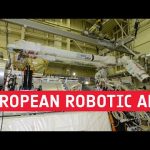
    The European Robotic Arm (ERA) will be launched to the International Space Station together with the Russian Multipurpose Laboratory Module, called ‘Nauka’. ERA is the first robot able to ‘walk’ around the Russian segment of the Space Station. It has the ability to anchor itself to the Station and move back and forward by itself, hand-over-hand between fixed base-points. This 11-metre intelligent space robot will serve as main manipulator on the Russian part of the Space Station, assisting the astronauts during spacewalks. The robot arm can help install, deploy and replace elements in outer space ERA is 100% made-in-Europe. A consortium of European companies led by Airbus Defence and Space Netherlands designed and assembled it for ESA. The robotic arm is largely funded by the Dutch government.

    Learn more: https://bit.ly/EuropeanRoboticArm

    ★ Subscribe: http://bit.ly/ESAsubscribe and click twice on the bell button to receive our notifications.

    Check out our full video catalog: http://bit.ly/SpaceInVideos
    Follow us on Twitter: http://bit.ly/ESAonTwitter
    On Facebook: http://bit.ly/ESAonFacebook
    On Instagram: http://bit.ly/ESAonInstagram
    On Flickr: http://bit.ly/ESAonFlickr

    We are Europe’s gateway to space. Our mission is to shape the development of Europe’s space capability and ensure that investment in space continues to deliver benefits to the citizens of Europe and the world. Check out https://www.esa.int/ to get up to speed on everything space related.

    Copyright information about our videos is available here: https://www.esa.int/ESA_Multimedia/Terms_and_Conditions

    #ESA
    #InternationalSpaceStation
    #EuropeanRoboticArm

  • NASA Science Live: International Asteroid Day

    NASA Science Live: International Asteroid Day

    At NASA, every day is asteroid day. From the many missions journeying to asteroids in our solar system – some even returning samples to Earth – to the efforts to find, track and monitor near-Earth objects and protect our planet from potential impact hazards, NASA and its partners are always looking to the skies. Join us on International Asteroid Day, Wednesday, June 30 at 1:00 p.m. ET to hear from experts and ask them your questions about all things asteroids. Send in questions using #askNASA.

    Meet the experts:

    Dr. Dani DellaGiustina is a Research Scientist at the University of Arizona and the acting Deputy Principal Investigator for the OSIRIS-REx mission. Dani has been studying our solar system and asteroids for quite some time. She says she loves seeing images and data that’s coming off spacecraft for the first time because chances are – you might be the first human who has ever seen a rock or feature on a planetary surface. She says it feels like you are on the edge of human knowledge. In her spare time, Dani enjoys being outside and hanging out with her dogs.

    Dr. Terik Daly is a Senior Scientist at Johns Hopkins University Applied Physics Laboratory. As a planetary scientist, Terik investigates how the solar system formed and changes through time. He loves working in teams to solve problems that are too big for any one person to solve, which is why he finds his work in planetary defense interesting. Terik has three young kids and enjoys cooking, yoga and biking.

  • Spacewalk season timelapse, episode 2

    Spacewalk season timelapse, episode 2

    Timelapse video made during ESA astronaut Thomas Pesquet’s second mission to the International Space Station, “Alpha”.

    On Sunday 20 June 2021 Thomas and @NASA astronaut Shane Kimbrough were helped into their spacesuits again for their fourth spacewalk together. This time it was to complete installation of the first new solar array and get ahead on the second.

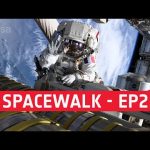
    During this spacewalk the duo unfolded the solar arrays that are rolled into tubes for transport, aligned them, connected data cables and secured them to the mounting bracket. Connecting the power lines must be done during the orbital night-time as a precaution to avoid any chance of electric shock.

    As Thomas and Shane waited for the night to arrive, Shane’s helmet lights and camera partially detached from his helmet but Thomas used some wire to successfully reattach them as a temporary fix.

    From there the spacewalk went smoothly. Shane and Thomas connected the new solar array, watched it unfurl and prepared for the installation of the second new solar array. The second spacewalk lasted 6 hours and 28 minutes, with the duo arriving back at the airlock at 20:10 CEST (19:10 BST).

    This video shows scenes from this spacewalk. The images for this timelapse were taken by @JAXA | 宇宙航空研究開発機構 astronaut and Space Station commander Aki Hoshide.

    Thomas posted this video on his social media with the caption: “We have to do EVAs, but someone has to keep running the Space Station while we are preparing, spacewalking, reconfiguring, preparing again… Aki has been rock solid taking care of the spaceship pretty much by himself, performing all the maintenance and the science experiments, AND ON TOP OF THAT he found the time to take timelapses of our little walks outside. The man is a machine!”

    Over 200 experiments are planned during Thomas’ time in space, with 40 European ones and 12 new experiments led by the French space agency @CNES.

    Follow Thomas: http://bit.ly/ThomasPesquetBlog

    Timelapse directed by Aki Hoshide, edited by Melanie Cowan.

    ★ Subscribe: http://bit.ly/ESAsubscribe and click twice on the bell button to receive our notifications.

    Check out our full video catalog: http://bit.ly/SpaceInVideos
    Follow us on Twitter: http://bit.ly/ESAonTwitter
    On Facebook: http://bit.ly/ESAonFacebook
    On Instagram: http://bit.ly/ESAonInstagram
    On Flickr: http://bit.ly/ESAonFlickr

    We are Europe’s gateway to space. Our mission is to shape the development of Europe’s space capability and ensure that investment in space continues to deliver benefits to the citizens of Europe and the world. Check out https://www.esa.int/ to get up to speed on everything space related.

    Copyright information about our videos is available here: https://www.esa.int/ESA_Multimedia/Terms_and_Conditions

    #ESA
    #Spacewalk
    #MissionAlpha

  • Earth from Space: Lake Mar Chiquita, Argentina

    Earth from Space: Lake Mar Chiquita, Argentina

    The Copernicus Sentinel-1 takes us over Lake Mar Chiquita – an endorheic salt lake in the northeast province of Córdoba, Argentina, in this edition of the Earth from Space programme.

    Download the image: https://www.esa.int/ESA_Multimedia/Images/2021/06/Lake_Mar_Chiquita_Argentina

    ★ Subscribe: http://bit.ly/ESAsubscribe and click twice on the bell button to receive our notifications.

    Check out our full video catalog: http://bit.ly/SpaceInVideos
    Follow us on Twitter: http://bit.ly/ESAonTwitter
    On Facebook: http://bit.ly/ESAonFacebook
    On Instagram: http://bit.ly/ESAonInstagram
    On Flickr: http://bit.ly/ESAonFlickr

    We are Europe’s gateway to space. Our mission is to shape the development of Europe’s space capability and ensure that investment in space continues to deliver benefits to the citizens of Europe and the world. Check out https://www.esa.int/ to get up to speed on everything space related.

    Copyright information about our videos is available here: https://www.esa.int/ESA_Multimedia/Terms_and_Conditions

    #ESA
    #EarthFromSpace
    #MarChiquita

  • Spacewalk season timelapse, episode 1

    Spacewalk season timelapse, episode 1

    Timelapse video made during ESA astronaut Thomas Pesquet’s second mission to the International Space Station, “Alpha”.

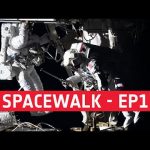
    On 16 June 2021 Thomas and @NASA astronaut Shane Kimbrough went on a spacewalk to install a new solar array for the International Space Station. These arrays, called IROSA for ISS Roll-Out Solar Array, had to be taken from their storage area outside the Space Station and passed from spacewalker to spacewalker to the worksite. There the rolled arrays were to be secured, unfolded, connected and then unfurled.

    During the spacewalk a small technical problem in Shane’s spacesuit required him to return to the airlock and restart his Display and Control Module. This module provides astronauts with continuous information on pressure, temperature and other vital data during a spacewalk. Though the restart was successful and Shane was in no danger, it delayed the duo’s work, preventing them from completing installation of the first new solar array as planned. A second spacewalk was done on 20 June to finish installing the first solar array.

    This video shows scenes from the first spacewalk with Thomas being moved on the robotic arm, at the controls was NASA astronaut Megan McArthur. The images for this timelapse were taken by @JAXA | 宇宙航空研究開発機構 astronaut and Space Station commander Aki Hoshide.

    Thomas posted this video on his social media with the caption: “We have to do EVAs, but someone has to keep running the Space Station while we are preparing, spacewalking, reconfiguring, preparing again… Aki has been rock solid taking care of the spaceship pretty much by himself, performing all the maintenance and the science experiments, AND ON TOP OF THAT he found the time to take timelapses of our little walks outside. The man is a machine!”

    Over 200 experiments are planned during Thomas’ time in space, with 40 European ones and 12 new experiments led by the French space agency @CNES

    Follow Thomas: http://bit.ly/ThomasPesquetBlog

    Timelapse directed by Aki Hoshide, edited by Melanie Cowan.

    ★ Subscribe: http://bit.ly/ESAsubscribe and click twice on the bell button to receive our notifications.

    Check out our full video catalog: http://bit.ly/SpaceInVideos
    Follow us on Twitter: http://bit.ly/ESAonTwitter
    On Facebook: http://bit.ly/ESAonFacebook
    On Instagram: http://bit.ly/ESAonInstagram
    On Flickr: http://bit.ly/ESAonFlickr

    We are Europe’s gateway to space. Our mission is to shape the development of Europe’s space capability and ensure that investment in space continues to deliver benefits to the citizens of Europe and the world. Check out https://www.esa.int/ to get up to speed on everything space related.

    Copyright information about our videos is available here: https://www.esa.int/ESA_Multimedia/Terms_and_Conditions

    #ESA
    #Timelapse
    #MissionAlpha
  • ESA’s astronaut selection – the aftermath

    ESA’s astronaut selection – the aftermath

    Want to learn more about applications to ESA’s astronaut selection? Watch the replay of this media briefing to get an insight into the total number and spread of applications across all ESA Member and Associate Member states. Vacancies for the positions of astronaut and astronaut (with a physical disability) have closed on 18 June 2021, after a two-and-a-half-month-long application period.

    ★ Subscribe: http://bit.ly/ESAsubscribe and click twice on the bell button to receive our notifications.

    Check out our full video catalog: http://bit.ly/SpaceInVideos
    Follow us on Twitter: http://bit.ly/ESAonTwitter
    On Facebook: http://bit.ly/ESAonFacebook
    On Instagram: http://bit.ly/ESAonInstagram
    On Flickr: http://bit.ly/ESAonFlickr

    We are Europe’s gateway to space. Our mission is to shape the development of Europe’s space capability and ensure that investment in space continues to deliver benefits to the citizens of Europe and the world. Check out https://www.esa.int/ to get up to speed on everything space related.

    Copyright information about our videos is available here: https://www.esa.int/ESA_Multimedia/Terms_and_Conditions

    #ESA
    #YourWaytoSpace
    #ESArecruits

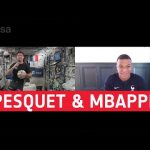
  • Kylian Mbappé calls astronaut Thomas Pesquet

    Kylian Mbappé calls astronaut Thomas Pesquet

    ESA astronaut Thomas Pesquet talked to French national football team player Kylian Mbappé from the International Space Station during the Alpha mission in 2021.

    They talked about science, life in space, teamwork, international collaboration, performing under pressure, stress, risk, life behind the scenes and the parallels between professional sport and being an astronaut.

    Thomas has often said that sport taught him the values of team spirit and respecting team mates, and no astronaut is an island – if one profession is an example of teamwork it is being an astronaut. It takes a team to ensure they are at their best.

    Credits: @UEFA

    ★ Subscribe: http://bit.ly/ESAsubscribe and click twice on the bell button to receive our notifications.

    Check out our full video catalog: http://bit.ly/SpaceInVideos
    Follow us on Twitter: http://bit.ly/ESAonTwitter
    On Facebook: http://bit.ly/ESAonFacebook
    On Instagram: http://bit.ly/ESAonInstagram
    On Flickr: http://bit.ly/ESAonFlickr

    We are Europe’s gateway to space. Our mission is to shape the development of Europe’s space capability and ensure that investment in space continues to deliver benefits to the citizens of Europe and the world. Check out https://www.esa.int/ to get up to speed on everything space related.

    Copyright information about our videos is available here: https://www.esa.int/ESA_Multimedia/Terms_and_Conditions

    #ESA
    #MissionAlpha
    #EURO2020

  • Earth from Space: Tana River, Kenya

    Earth from Space: Tana River, Kenya

    The Copernicus Sentinel-2 mission takes us over the Tana River, Kenya’s longest river, in this edition of the Earth from Space programme.

    Download the image: https://www.esa.int/ESA_Multimedia/Images/2021/06/Tana_River_Kenya

    ★ Subscribe: http://bit.ly/ESAsubscribe and click twice on the bell button to receive our notifications.

    Check out our full video catalog: http://bit.ly/SpaceInVideos
    Follow us on Twitter: http://bit.ly/ESAonTwitter
    On Facebook: http://bit.ly/ESAonFacebook
    On Instagram: http://bit.ly/ESAonInstagram
    On Flickr: http://bit.ly/ESAonFlickr

    We are Europe’s gateway to space. Our mission is to shape the development of Europe’s space capability and ensure that investment in space continues to deliver benefits to the citizens of Europe and the world. Check out https://www.esa.int/ to get up to speed on everything space related.

    Copyright information about our videos is available here: https://www.esa.int/ESA_Multimedia/Terms_and_Conditions

    #ESA
    #EarthFromSpace
    #TanaRiver

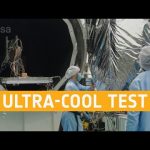
  • Ultra-cool test of Jupiter instrument

    Ultra-cool test of Jupiter instrument

    An instrument destined for Jupiter orbit undergoes eight days of cryogenic radio-frequency testing using a new test facility at ESA’s ESTEC technical centre in the Netherlands. The Submillimetre Wave Instrument of ESA’s Juice mission will survey the churning atmosphere of Jupiter and the scanty atmospheres of its Galilean moons.

    Testing took place in ESA’s custom-built Low-temperature Near-field Terahertz chamber, or Lorentz. The first chamber of its kind, the 2.8-m diameter Lorentz chamber can perform high-frequency radio-frequency testing in realistic space conditions, combining space-quality vacuum with ultra-low temperatures.

    ★ Subscribe: http://bit.ly/ESAsubscribe and click twice on the bell button to receive our notifications.

    Check out our full video catalog: http://bit.ly/SpaceInVideos
    Follow us on Twitter: http://bit.ly/ESAonTwitter
    On Facebook: http://bit.ly/ESAonFacebook
    On Instagram: http://bit.ly/ESAonInstagram
    On Flickr: http://bit.ly/ESAonFlickr

    We are Europe’s gateway to space. Our mission is to shape the development of Europe’s space capability and ensure that investment in space continues to deliver benefits to the citizens of Europe and the world. Check out https://www.esa.int/ to get up to speed on everything space related.

    Copyright information about our videos is available here: https://www.esa.int/ESA_Multimedia/Terms_and_Conditions

    #ESA
    #JuiceMission
    #InTheCleanRoom

  • Earth from Space: Chongqing, China

    Earth from Space: Chongqing, China

    The Copernicus Sentinel-2 mission takes us over Chongqing, the largest municipality in China, in this edition of the Earth from Space programme.

    Download the image: https://www.esa.int/ESA_Multimedia/Images/2021/06/Chongqing_China

    ★ Subscribe: http://bit.ly/ESAsubscribe and click twice on the bell button to receive our notifications.

    Check out our full video catalog: http://bit.ly/SpaceInVideos
    Follow us on Twitter: http://bit.ly/ESAonTwitter
    On Facebook: http://bit.ly/ESAonFacebook
    On Instagram: http://bit.ly/ESAonInstagram
    On Flickr: http://bit.ly/ESAonFlickr

    We are Europe’s gateway to space. Our mission is to shape the development of Europe’s space capability and ensure that investment in space continues to deliver benefits to the citizens of Europe and the world. Check out https://www.esa.int/ to get up to speed on everything space related.

    Copyright information about our videos is available here: https://www.esa.int/ESA_Multimedia/Terms_and_Conditions

    #ESA
    #EarthFromSpace
    #Chongqing

  • NASA Science Live: Engineering Human Tissue

    NASA Science Live: Engineering Human Tissue

    Teams across the country have been competing for years to be the first to engineer functional human tissue in a lab. Now, scientists have accomplished this medical feat by creating thick vascularized human organ tissue, which could have profound implications both on Earth and off. Join us LIVE on Wednesday, June 9 at 3:00 p.m. ET, as we announce the official winner of NASA’s Vascular Tissue Challenge. Have questions? Use #askNASA

  • Presenting Hera | The Incredible Adventures of the Hera mission

    Presenting Hera | The Incredible Adventures of the Hera mission

    Meet Hera, our very own asteroid detective. Together with two CubeSats – Milani the rock decoder and Juventas the radar visionary – Hera is off on an adventure to explore Didymos, a double asteroid system that is typical of the thousands that pose an impact risk to planet Earth.

    Suitable for kids and adults alike, this episode of ‘The Incredible Adventures of Hera’ takes you on a fun and informative journey to visit Didymos together with Hera. Along the way, you will discover who the main characters are, why this mission is so important, what ESA hopes to achieve with Hera and much more.

    Learn more about Hera: https://www.esa.int/hera

    Credit: ESA/Science Office

    ★ Subscribe: http://bit.ly/ESAsubscribe and click twice on the bell button to receive our notifications.

    Check out our full video catalog: http://bit.ly/SpaceInVideos
    Follow us on Twitter: http://bit.ly/ESAonTwitter
    On Facebook: http://bit.ly/ESAonFacebook
    On Instagram: http://bit.ly/ESAonInstagram
    On Flickr: http://bit.ly/ESAonFlickr

    We are Europe’s gateway to space. Our mission is to shape the development of Europe’s space capability and ensure that investment in space continues to deliver benefits to the citizens of Europe and the world. Check out https://www.esa.int/ to get up to speed on everything space related.

    Copyright information about our videos is available here: https://www.esa.int/ESA_Multimedia/Terms_and_Conditions

    #ESA
    #Hera
    #SpaceSafety

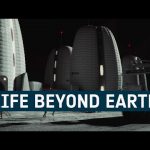
  • Life Beyond Earth: Venice Biennale lunar habitat

    Life Beyond Earth: Venice Biennale lunar habitat

    A detailed concept for a lunar habitat, created by one of the world’s leading architectural firms with ESA technical support, is currently on show at the Biennale in Venice. Skidmore, Owings & Merrill, originator of many of the world’s tallest skyscrapers, worked with ESA on a semi-inflatable habitat design which could be part of a long-term vision for an international Moon settlement.

    The resulting design is on show at the 17th International Architecture Exhibition of La Biennale di Venezia (@BiennaleChannel). While the theme of the overall exhibition is ‘How will we live together?’, the SOM installation is called ‘Life Beyond Earth’, peering beyond our post-COVID-19 planet to show how human life can be sustained in the hostile space environment.
    The installation encompasses two large-scale, physical models and this film, bringing Biennale visitors on a journey from Earth to the Moon’s surface.

    SOM designed a semi-inflatable shell structure to offer the highest possible volume to mass ratio. Once inflated on the lunar surface, it would reach approximately double its original internal volume.

    A lot of work went into the four-storey habitat interior, in terms of lighting conditions, reconfigurable features, and a high floor to ceiling space, to allow crew members to take advantage of lunar one-sixth g using grabbing bars and other simple aids.

    Its chosen site has been described as the most desirable real estate in the Solar System: the rim of Shackleton crater beside the lunar South Pole. Avoiding the crippling temperature extremes of the Moon’s two-week days and nights, this location offers near-continuous sunlight for solar power, an ongoing view of Earth and access to lunar water ice deposits in adjacent permanently-shadowed craters.

    Credit: SOM

    ★ Subscribe: http://bit.ly/ESAsubscribe and click twice on the bell button to receive our notifications.

    Check out our full video catalog: http://bit.ly/SpaceInVideos
    Follow us on Twitter: http://bit.ly/ESAonTwitter
    On Facebook: http://bit.ly/ESAonFacebook
    On Instagram: http://bit.ly/ESAonInstagram
    On Flickr: http://bit.ly/ESAonFlickr

    We are Europe’s gateway to space. Our mission is to shape the development of Europe’s space capability and ensure that investment in space continues to deliver benefits to the citizens of Europe and the world. Check out https://www.esa.int/ to get up to speed on everything space related.

    Copyright information about our videos is available here: https://www.esa.int/ESA_Multimedia/Terms_and_Conditions

    #ESA
    #MoonVillage
    #BiennaleArchitettura2021

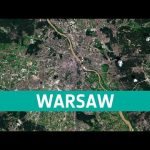
  • Earth from Space: Warsaw, Poland

    Earth from Space: Warsaw, Poland

    The Copernicus Sentinel-2 mission takes us over Warsaw – the capital and largest city of Poland, in this edition of the Earth from Space programme.

    Download the image: https://www.esa.int/ESA_Multimedia/Images/2021/06/Warsaw_Poland

    ★ Subscribe: http://bit.ly/ESAsubscribe and click twice on the bell button to receive our notifications.

    Check out our full video catalog: http://bit.ly/SpaceInVideos
    Follow us on Twitter: http://bit.ly/ESAonTwitter
    On Facebook: http://bit.ly/ESAonFacebook
    On Instagram: http://bit.ly/ESAonInstagram
    On Flickr: http://bit.ly/ESAonFlickr

    We are Europe’s gateway to space. Our mission is to shape the development of Europe’s space capability and ensure that investment in space continues to deliver benefits to the citizens of Europe and the world. Check out https://www.esa.int/ to get up to speed on everything space related.

    Copyright information about our videos is available here: https://www.esa.int/ESA_Multimedia/Terms_and_Conditions

    #ESA
    #EarthFromSpace
    #Warsaw

  • NASA Science Live: We’re Going to Venus – NASA Selects Two New Missions

    NASA Science Live: We’re Going to Venus – NASA Selects Two New Missions

    Venus, our planetary neighbor, is a hot, hellish unforgiving world. Its toxic atmosphere and sweltering surface make it a challenging place to study, and it’s been over 3 decades since NASA visited Earth’s evil twin…until now! NASA is sending two bold new missions to study this inferno-like world: DAVINCI+ and VERITAS. Join mission experts Thursday, June 3 at 3:00 p.m. ET on #NASAScience Live and submit your questions for them to answer using #askNASA.

    Meet the experts:
    Dr. James Garvin is the Principal Investigator for the DAVINCI+ mission. His lifelong passion for Venus began in the Fall of 1979 and he says having the DAVINCI+ mission selected is a dream come true. Dr. Garvin is looking forward to exploring many exciting areas of Venus but says that it will be epic to see the Venus mountains at human scales in 3D with DAVINCI+. When he’s not dreaming about going to Venus, Dr. Garvin loves taking walks with his wife and their dog Glenda and watching ice hockey.

    Dr. Susanne Smrekar is the Principal Investigator for the VERITAS mission. She was first hooked on the incredible intrigue of Venus when she was ‘in the room’ with the great minds of geology and geophysics, watching data arrive from the Magellan mission over 30 years ago. It has been her lifelong quest to understand how Earth and Venus have diverged. In her free time, she loves to mountain bike, run, hike and be outside.

  • Space chat between Samantha and David

    Space chat between Samantha and David

    ESA astronaut Samantha Cristoforetti and ESA Director of Human and Robotic Exploration, David Parker, had a quick video call to answer some questions concerning the upcoming International Space Station mission of Samantha.

    As a member of Crew-4, Samantha will be launched with @NASA astronauts Kjell Lindgren and Bob Hines to the Station from Florida, USA, on a @SpaceX Crew Dragon spacecraft in 2022. This will be Samantha’s second space mission and the experience she brings will stand her in good stead as Europe’s first female in command of a Station expedition.

    ★ Subscribe: http://bit.ly/ESAsubscribe and click twice on the bell button to receive our notifications.

    Check out our full video catalog: http://bit.ly/SpaceInVideos
    Follow us on Twitter: http://bit.ly/ESAonTwitter
    On Facebook: http://bit.ly/ESAonFacebook
    On Instagram: http://bit.ly/ESAonInstagram
    On Flickr: http://bit.ly/ESAonFlickr

    We are Europe’s gateway to space. Our mission is to shape the development of Europe’s space capability and ensure that investment in space continues to deliver benefits to the citizens of Europe and the world. Check out https://www.esa.int/ to get up to speed on everything space related.

    Copyright information about our videos is available here: https://www.esa.int/ESA_Multimedia/Terms_and_Conditions

    #ESA
    #Astronauts
    #Samantha

  • James Webb Space Telescope – Media briefing and Q&A

    James Webb Space Telescope – Media briefing and Q&A

    James Webb Space Telescope – the largest, most powerful telescope to be sent into space is getting ready for launch in autumn 2021!

    Watch the replay of the media presentation and Q&A with representatives from Webb’s partners ESA, @NASA and the @Canadian Space Agency, as well as ESA’s partner @arianespace, to hear more about it and its upcoming launch. Following in the footsteps of the Hubble Space Telescope as the next great space science observatory, the International James Webb Space Telescope is designed to help answer outstanding questions about the Universe and make breakthrough discoveries in all fields of astronomy.

    Learn more about Webb: https://bit.ly/JamesWebbSpaceTelescopeLaunchKit

    ★ Subscribe: http://bit.ly/ESAsubscribe and click twice on the bell button to receive our notifications.

    Check out our full video catalog: http://bit.ly/SpaceInVideos
    Follow us on Twitter: http://bit.ly/ESAonTwitter
    On Facebook: http://bit.ly/ESAonFacebook
    On Instagram: http://bit.ly/ESAonInstagram
    On Flickr: http://bit.ly/ESAonFlickr

    We are Europe’s gateway to space. Our mission is to shape the development of Europe’s space capability and ensure that investment in space continues to deliver benefits to the citizens of Europe and the world. Check out https://www.esa.int/ to get up to speed on everything space related.

    Copyright information about our videos is available here: https://www.esa.int/ESA_Multimedia/Terms_and_Conditions

    #ESA
    #Webb
    #WebbSeesFarther

  • Earth from Space: The Great Lakes

    Earth from Space: The Great Lakes

    The Copernicus Sentinel-3 mission takes us over all five of North America’s Great Lakes, in this edition of the Earth from Space programme.

    Download the image: https://www.esa.int/ESA_Multimedia/Images/2021/05/Great_Lakes

    ★ Subscribe: http://bit.ly/ESAsubscribe and click twice on the bell button to receive our notifications.

    Check out our full video catalog: http://bit.ly/SpaceInVideos
    Follow us on Twitter: http://bit.ly/ESAonTwitter
    On Facebook: http://bit.ly/ESAonFacebook
    On Instagram: http://bit.ly/ESAonInstagram
    On Flickr: http://bit.ly/ESAonFlickr

    We are Europe’s gateway to space. Our mission is to shape the development of Europe’s space capability and ensure that investment in space continues to deliver benefits to the citizens of Europe and the world. Check out https://www.esa.int/ to get up to speed on everything space related.

    Copyright information about our videos is available here: https://www.esa.int/ESA_Multimedia/Terms_and_Conditions

    #ESA
    #EarthFromSpace
    #TheGreatLakes

  • ESA Astronaut Careers Fair Q&A

    ESA Astronaut Careers Fair Q&A

    This video is a summary compilation of the questions and answers sessions held during the ESA Astronaut Careers Fair on 22 April 2021. The ESA speakers are Florence Loustalot, Talent Acquisition Specialist; Antonella Costa, HR Business Partner; Dagmar Boos, Head of HR Competence and Policy Centre; and Guillaume Weerts, Space Medicine Team Leader.

    See the astronaut vacancy notice and other opportunities to work at ESA at https://jobs.esa.int

    ★ Subscribe: http://bit.ly/ESAsubscribe and click twice on the bell button to receive our notifications.

    Check out our full video catalog: http://bit.ly/SpaceInVideos
    Follow us on Twitter: http://bit.ly/ESAonTwitter
    On Facebook: http://bit.ly/ESAonFacebook
    On Instagram: http://bit.ly/ESAonInstagram
    On Flickr: http://bit.ly/ESAonFlickr

    We are Europe’s gateway to space. Our mission is to shape the development of Europe’s space capability and ensure that investment in space continues to deliver benefits to the citizens of Europe and the world. Check out https://www.esa.int/ to get up to speed on everything space related.

    Copyright information about our videos is available here: https://www.esa.int/ESA_Multimedia/Terms_and_Conditions

    #ESA
    #YourWaytoSpace
    #ESArecruits

  • Name the mission

    Name the mission

    We need a name for our new spacecraft. Its mission? To spot potentially hazardous solar storms before they reach Earth.

    Between them, our greatest minds have come up with … not very much.

    ESA needs you.

    Send us your suggestions now: http://www.esa.int/Safety_Security/Space_weather/Name_ESA_s_new_mission

    ★ Subscribe: http://bit.ly/ESAsubscribe and click twice on the bell button to receive our notifications.

    Check out our full video catalog: http://bit.ly/SpaceInVideos
    Follow us on Twitter: http://bit.ly/ESAonTwitter
    On Facebook: http://bit.ly/ESAonFacebook
    On Instagram: http://bit.ly/ESAonInstagram
    On Flickr: http://bit.ly/ESAonFlickr

    We are Europe’s gateway to space. Our mission is to shape the development of Europe’s space capability and ensure that investment in space continues to deliver benefits to the citizens of Europe and the world. Check out https://www.esa.int/ to get up to speed on everything space related.

    Copyright information about our videos is available here: https://www.esa.int/ESA_Multimedia/Terms_and_Conditions

    #ESA
    #SpaceWeather
    #NameTheMission

  • Ariane 6 launch pad water deluge system test

    Ariane 6 launch pad water deluge system test

    The water deluge system, which is activated at liftoff, was put to the test on the Ariane 6 launch pad at Europe’s Spaceport in April 2021. This is one of the qualification tests to prepare for the arrival of Ariane 6, Europe’s next generation heavy-lift launch vehicle.

    Spraying huge volumes of water on the launch pad and beneath the launch table protects both the launch vehicle and its payloads by absorbing and deflecting the tremendous acoustic energy generated at liftoff. Shockwaves created as engine exhaust gases exceed the speed of sound and collide with ambient air cause noise levels to reach 180 decibels.

    Three areas are deluged with water during launch, this is done in sequence.

    At 20 seconds before liftoff, water sprays over the steel deflector 25 metres below the launch table. This deflector channels the engine exhaust into the two trenches.

    At 6 seconds before liftoff, the exhaust tunnel under the launch table is deluged. This channels the engine exhaust below the launch table and into the underground trenches leading away from the launch pad.

    Finally, as Ariane 6 lifts off the ground four arrays of pipes around the sides of the launch table will flood the launch pad.

    This water also serves to cool and protect the ground installations, mainly the steel launch table.

    About 700 cubic metres of water will be released during launch. This comes from the nearby tower which holds 1200 cubic metres of water. After launch it is refilled with water from a nearby lake.

    After launch, any remaining water below the launch table is pumped away.

    Credits: ESA- @CNES – @arianespace

    ★ Subscribe: http://bit.ly/ESAsubscribe and click twice on the bell button to receive our notifications.

    Check out our full video catalog: http://bit.ly/SpaceInVideos
    Follow us on Twitter: http://bit.ly/ESAonTwitter
    On Facebook: http://bit.ly/ESAonFacebook
    On Instagram: http://bit.ly/ESAonInstagram
    On Flickr: http://bit.ly/ESAonFlickr

    We are Europe’s gateway to space. Our mission is to shape the development of Europe’s space capability and ensure that investment in space continues to deliver benefits to the citizens of Europe and the world. Check out https://www.esa.int/ to get up to speed on everything space related.

    Copyright information about our videos is available here: https://www.esa.int/ESA_Multimedia/Terms_and_Conditions

    #ESA
    #Ariane6
    #DelugeSystem

  • Did you always want to be an astronaut?

    Did you always want to be an astronaut?

    This video summarises advice given by ESA astronauts during the ESA Astronaut Careers Fair on 22 April 2021. Samantha Cristoforetti, Thomas Reiter and André Kuipers have all flown in space as ESA astronauts and offer their perspectives on the selection process and the work and life of an astronaut.

    See the astronaut vacancy notice and other opportunities to work at ESA at https://jobs.esa.int

    ★ Subscribe: http://bit.ly/ESAsubscribe and click twice on the bell button to receive our notifications.

    Check out our full video catalog: http://bit.ly/SpaceInVideos
    Follow us on Twitter: http://bit.ly/ESAonTwitter
    On Facebook: http://bit.ly/ESAonFacebook
    On Instagram: http://bit.ly/ESAonInstagram
    On Flickr: http://bit.ly/ESAonFlickr

    We are Europe’s gateway to space. Our mission is to shape the development of Europe’s space capability and ensure that investment in space continues to deliver benefits to the citizens of Europe and the world. Check out https://www.esa.int/ to get up to speed on everything space related.

    Copyright information about our videos is available here: https://www.esa.int/ESA_Multimedia/Terms_and_Conditions

    #ESA
    #YourWaytoSpace
    #ESArecruits

  • Starry night at the Ariane 6 launch base

    Starry night at the Ariane 6 launch base

    This timelapse was filmed under the stars on the Ariane 6 launch base at Europe’s Spaceport in French Guiana.

    Preparations are under way for the arrival of Ariane 6, Europe’s next-generation launch vehicle. Imagine yourself stepping out of the launcher assembly building or standing on the launch pad in front of the 90-metre high mobile gantry, to look at the stars.

    Ariane 6, developed by ESA, has two versions depending on the required performance. This rocket will be capable of a wide range of missions to guarantee independent access to space for Europe and continue four decades of the Ariane adventure.

    Credits: ESA – @CNES – @arianespace

    ★ Subscribe: http://bit.ly/ESAsubscribe and click twice on the bell button to receive our notifications.

    Check out our full video catalog: http://bit.ly/SpaceInVideos
    Follow us on Twitter: http://bit.ly/ESAonTwitter
    On Facebook: http://bit.ly/ESAonFacebook
    On Instagram: http://bit.ly/ESAonInstagram
    On Flickr: http://bit.ly/ESAonFlickr

    We are Europe’s gateway to space. Our mission is to shape the development of Europe’s space capability and ensure that investment in space continues to deliver benefits to the citizens of Europe and the world. Check out https://www.esa.int/ to get up to speed on everything space related.

    Copyright information about our videos is available here: https://www.esa.int/ESA_Multimedia/Terms_and_Conditions

    #ESA
    #Timelapse
    #Ariane6

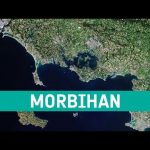
  • Earth from Space: Morbihan, France

    Earth from Space: Morbihan, France

    The Copernicus Sentinel-2 mission takes us over Morbihan – a French department in the south of Brittany, in this edition of the Earth from Space programme.

    Download the image: https://www.esa.int/ESA_Multimedia/Images/2021/05/Morbihan_France

    ★ Subscribe: http://bit.ly/ESAsubscribe and click twice on the bell button to receive our notifications.

    Check out our full video catalog: http://bit.ly/SpaceInVideos
    Follow us on Twitter: http://bit.ly/ESAonTwitter
    On Facebook: http://bit.ly/ESAonFacebook
    On Instagram: http://bit.ly/ESAonInstagram
    On Flickr: http://bit.ly/ESAonFlickr

    We are Europe’s gateway to space. Our mission is to shape the development of Europe’s space capability and ensure that investment in space continues to deliver benefits to the citizens of Europe and the world. Check out https://www.esa.int/ to get up to speed on everything space related.

    Copyright information about our videos is available here: https://www.esa.int/ESA_Multimedia/Terms_and_Conditions

    #ESA
    #EarthFromSpace
    #Morbihan

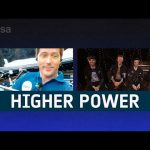
  • Higher Power in space | Thomas Pesquet & Coldplay

    Higher Power in space | Thomas Pesquet & Coldplay

    To celebrate the premiere of @Coldplay’s latest single ‘Higher Power’, the band linked up for an extraterrestrial video chat with French ESA astronaut Thomas Pesquet, who is currently on a six-month mission on board the International Space Station. A specially recorded performance of Higher Power – featuring dancing alien holograms – was beamed up to Thomas, who gave the track its very first play on board the Station. The song’s premiere followed a conversation which took in similarities between life on tour and life on the Space Station, how planet Earth looks from space and its fragility; and how Thomas listens to music in microgravity.

    Follow Thomas: http://bit.ly/ThomasPesquetBlog

    Credits: Coldplay

    ★ Subscribe: http://bit.ly/ESAsubscribe and click twice on the bell button to receive our notifications.

    Check out our full video catalog: http://bit.ly/SpaceInVideos
    Follow us on Twitter: http://bit.ly/ESAonTwitter
    On Facebook: http://bit.ly/ESAonFacebook
    On Instagram: http://bit.ly/ESAonInstagram
    On Flickr: http://bit.ly/ESAonFlickr

    We are Europe’s gateway to space. Our mission is to shape the development of Europe’s space capability and ensure that investment in space continues to deliver benefits to the citizens of Europe and the world. Check out https://www.esa.int/ to get up to speed on everything space related.

    Copyright information about our videos is available here: https://www.esa.int/ESA_Multimedia/Terms_and_Conditions

    #ESA
    #HigherPower
    #MissionAlpha

  • NASA Science Live: Mars Helicopter and the Future of Extraterrestrial Flight

    NASA Science Live: Mars Helicopter and the Future of Extraterrestrial Flight

    On April 19, the Ingenuity Mars helicopter became the first spacecraft to achieve powered, controlled flight on another world. This historic flight on Mars has implications for how we will explore other worlds. Join experts from the Ingenuity Mars Helicopter team and upcoming Dragonfly mission to learn about the future of extraterrestrial flight. Have questions? Use #askNASA.

    Meet the guests:

    Mr. Johnny Lam is an Ingenuity Mars Helicopter pilot at NASA’s Jet Propulsion Laboratory. Mr. Lam always had an interest in math and science growing up, and enjoys getting to work on one-of-a-kind missions that are helping us to learn more about the universe. He is an avid frisbee player and has a family that is expecting their second baby soon. Mr. Lam has an exciting vision for how aerial vehicles could be used for exploration in the future. Watch the show to hear more about it!
    Mr. Nishant Mehta is the Deputy Lead for the Dragonfly Mobility System at Johns Hopkins University’s Applied Physics Laboratory. Mr. Mehta grew up surrounded by science fiction through books and television, these stories reinforced the notion that possibilities are endless with science. His favorite part of his job is knowing that he is working on something that will ultimately be on another planet to help humanity understand our universe better than before.

    Ms. Jia-Rui Cook is the News Events & Projects Supervisor at NASA’s Jet Propulsion Laboratory and will be your host for this episode. As the child of immigrants, she has always been interested in American history and asking the question, “What does it mean to be American?” Working for NASA’s news and media team means she gets a front-row seat at this history in the making. In her role in the media office, she gets to help figure out how stories about first-of-their-kind accomplishments are told. When it comes to the Ingenuity Mars Helicopter, Ms. Cook is amazed that the team could build something so light and powerful at the same time.

  • Vega-C: power and versatility

    Vega-C: power and versatility

    Europe’s new launch vehicle, Vega-C, is near completion. Elements will soon be shipped to Kourou for assembly and preparation for Vega-C’s inaugural flight.

    This new launcher improves its Vega predecessor by offering more power and versatility at similar cost. This new design allows Vega-C to transport larger and heavier payloads into space making it a world-class competitor on the global launcher market while ensuring Europe’s independent access to space.

    Learn more about Vega-C: https://bit.ly/VegaRocketESA

    ★ Subscribe: http://bit.ly/ESAsubscribe and click twice on the bell button to receive our notifications.

    Check out our full video catalog: http://bit.ly/SpaceInVideos
    Follow us on Twitter: http://bit.ly/ESAonTwitter
    On Facebook: http://bit.ly/ESAonFacebook
    On Instagram: http://bit.ly/ESAonInstagram
    On Flickr: http://bit.ly/ESAonFlickr

    We are Europe’s gateway to space. Our mission is to shape the development of Europe’s space capability and ensure that investment in space continues to deliver benefits to the citizens of Europe and the world. Check out https://www.esa.int/ to get up to speed on everything space related.

    Copyright information about our videos is available here: https://www.esa.int/ESA_Multimedia/Terms_and_Conditions

    #ESA
    #SpaceRockets
    #VegaC

  • Earth from Space: Antofagasta, Chile

    Earth from Space: Antofagasta, Chile

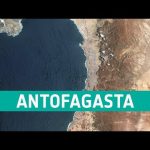
    The Copernicus Sentinel-2 mission takes us over Antofagasta, a port city in northern Chile, in this edition of the Earth from Space programme.

    Download the image: https://www.esa.int/ESA_Multimedia/Images/2021/04/Antofagasta_Chile

    ★ Subscribe: http://bit.ly/ESAsubscribe and click twice on the bell button to receive our notifications.

    Check out our full video catalog: http://bit.ly/SpaceInVideos
    Follow us on Twitter: http://bit.ly/ESAonTwitter
    On Facebook: http://bit.ly/ESAonFacebook
    On Instagram: http://bit.ly/ESAonInstagram
    On Flickr: http://bit.ly/ESAonFlickr

    We are Europe’s gateway to space. Our mission is to shape the development of Europe’s space capability and ensure that investment in space continues to deliver benefits to the citizens of Europe and the world. Check out https://www.esa.int/ to get up to speed on everything space related.

    Copyright information about our videos is available here: https://www.esa.int/ESA_Multimedia/Terms_and_Conditions

    #ESA
    #EarthFromSpace
    #Antofagasta