Tag: Space Exploration

  • Picking up lightsabres for Mars

    Picking up lightsabres for Mars

    Detect, fetch and collect. A seemingly easy task is being tested to find the best strategy to collect samples on the martian surface, some 290 000 million km away from home.

    Testing technologies for Mars exploration is part of the daily job of Laura Bielenberg, an ESA graduate trainee for the Mars Sample Return campaign.

    The test takes place at the rock-strewn recreation of the Red Planet at ESA’s ESTEC technical centre in Noordwijk, the Netherlands. The nickname of this test site is the ‘Mars Yard’ and is part of the Planetary Robotics Laboratory.

    The tube is a replica of the sample caches that NASA’s Perseverance rover is leaving on Mars hermetically sealed with precious martian samples inside. They are called RSTA, an acronym of Returnable Sample Tube Assembly, and to most people on Earth they look like lightsabers.
    Laura is investigating sample tube collection strategies, from autonomous detection to pose estimation of sample tubes on Mars, with a testbed called the RABBIT (RAS Bread Boarding In-house Testbed).

    The Sample Transfer Arm will need to load the tubes from the martian surface for delivery towards Earth. ESA’s robotic arm will collect them from the Perseverance rover, and possibly others dropped by sample recovery helicopters as a backup.

    Besides cameras and sensors, the team relies on neural networks to detect the tubes and estimate their pose. Inspired by the way the human brain works, neural networks mimic the way biological neurons signal to one another.

    More news about the Mars Sample Return campaign on ESA’s To Mars and Back blog: https://blogs.esa.int/to-mars-and-back/

    Credits: ESA/NASA/JPL-Caltech/GSFC/MSFC

    ★ Subscribe: http://bit.ly/ESAsubscribe and click twice on the bell button to receive our notifications.

    Check out our full video catalog: http://bit.ly/SpaceInVideos
    Follow us on Twitter: http://bit.ly/ESAonTwitter
    On Facebook: http://bit.ly/ESAonFacebook
    On Instagram: http://bit.ly/ESAonInstagram
    On LinkedIn: https://bit.ly/ESAonLinkedIn
    On Pinterest: https://bit.ly/ESAonPinterest
    On Flickr: http://bit.ly/ESAonFlickr

    We are Europe’s gateway to space. Our mission is to shape the development of Europe’s space capability and ensure that investment in space continues to deliver benefits to the citizens of Europe and the world. Check out https://www.esa.int/ to get up to speed on everything space related.

    Copyright information about our videos is available here: https://www.esa.int/ESA_Multimedia/Terms_and_Conditions

    #ESA
    #Mars
    #MarsRover

  • What would you do after 60 days in bed? 🛌 #shorts

    What would you do after 60 days in bed? 🛌 #shorts

    Lying in bed for a full 60 days – with one shoulder always touching the mattress – might sound like bliss, but add cycling, spinning and constant medical tests to the equation and it becomes a challenging experience for the sake of human space exploration.

    A group of 12 volunteers are bracing themselves for a bedridden journey that put them into a compulsory reclined lifestyle. Participants are kept in beds tilted 6 degrees below the horizontal with their feet up – meals, showers and toilet breaks included.

    As blood flows to the head and muscle is lost from underuse, researchers are charting how their bodies react. Bedrest studies offer a way of testing measures to counter some of the negative aspects of living in space.

    During space missions, astronauts’ bodies go through a wide array of changes due to lack of gravity – everything from their eyes to their heart is affected, and muscles and bones start to waste away.

    📹 @EuropeanSpaceAgency
    📷 ESA/CNES/MEDES-IMPS

    ★ Subscribe: http://bit.ly/ESAsubscribe and click twice on the bell button to receive our notifications.

    Check out our full video catalog: http://bit.ly/SpaceInVideos
    Follow us on Twitter: http://bit.ly/ESAonTwitter
    On Facebook: http://bit.ly/ESAonFacebook
    On Instagram: http://bit.ly/ESAonInstagram
    On LinkedIn: https://bit.ly/ESAonLinkedIn
    On Pinterest: https://bit.ly/ESAonPinterest
    On Flickr: http://bit.ly/ESAonFlickr

    We are Europe’s gateway to space. Our mission is to shape the development of Europe’s space capability and ensure that investment in space continues to deliver benefits to the citizens of Europe and the world. Check out https://www.esa.int/ to get up to speed on everything space related.

    Copyright information about our videos is available here: https://www.esa.int/ESA_Multimedia/Terms_and_Conditions

    #ESA
    #SpaceMedicine
    #SpaceExploration

  • Euclid in a nutshell

    Euclid in a nutshell

    ESA’s Euclid mission is designed to explore the composition and evolution of the dark Universe. The space telescope will create a great map of the large-scale structure of the Universe across space and time by observing billions of galaxies out to 10 billion light-years, across more than a third of the sky. Euclid will explore how the Universe has expanded and how structure has formed over cosmic history, revealing more about the role of gravity and the nature of dark energy and dark matter.
    Euclid is a fully European mission, built and operated by ESA, with contributions from NASA. The Euclid Consortium – consisting of more than 2000 scientists from 300 institutes in 13 European countries, the US, Canada and Japan – provided the scientific instruments and scientific data analysis. ESA selected Thales Alenia Space as prime contractor for the construction of the satellite and its Service Module, with Airbus Defence and Space chosen to develop the Payload Module, including the telescope. NASA provided the near-infrared detectors of the NISP instrument.

    More about Euclid: esa.int/euclid

    ★ Subscribe: http://bit.ly/ESAsubscribe and click twice on the bell button to receive our notifications.

    Check out our full video catalog: http://bit.ly/SpaceInVideos
    Follow us on Twitter: http://bit.ly/ESAonTwitter
    On Facebook: http://bit.ly/ESAonFacebook
    On Instagram: http://bit.ly/ESAonInstagram
    On LinkedIn: https://bit.ly/ESAonLinkedIn
    On Pinterest: https://bit.ly/ESAonPinterest
    On Flickr: http://bit.ly/ESAonFlickr

    We are Europe’s gateway to space. Our mission is to shape the development of Europe’s space capability and ensure that investment in space continues to deliver benefits to the citizens of Europe and the world. Check out https://www.esa.int/ to get up to speed on everything space related.
    Copyright information about our videos is available here: https://www.esa.int/ESA_Multimedia/Terms_and_Conditions

    #ESA
    #Euclid
    #Universe

  • Terrae Novae | Earth orbit, Moon and Mars

    Terrae Novae | Earth orbit, Moon and Mars

    Terrae Novae is ESA’s exploration programme.

    Terrae Novae is not only literally about exploring new worlds, but by describing the limitless opportunities for discovery, economic growth and inspiration it also expresses our ambitions for Europe’s future innovators, scientists and explorers.

    This video shows the many exploration activities ESA is conducting or has planned in our Solar System, from the International Space Station to the Moon with the European Service Module and lunar Gateway modules for Artemis, and on to Mars with the Mars Sample Return campaign.

    For more on ESA’s human and robotic exploration strategy see: https://www.esa.int/terraenovae

    ★ Subscribe: http://bit.ly/ESAsubscribe and click twice on the bell button to receive our notifications.

    Check out our full video catalog: http://bit.ly/SpaceInVideos
    Follow us on Twitter: http://bit.ly/ESAonTwitter
    On Facebook: http://bit.ly/ESAonFacebook
    On Instagram: http://bit.ly/ESAonInstagram
    On LinkedIn: https://bit.ly/ESAonLinkedIn
    On Pinterest: https://bit.ly/ESAonPinterest
    On Flickr: http://bit.ly/ESAonFlickr
    We are Europe’s gateway to space. Our mission is to shape the development of Europe’s space capability and ensure that investment in space continues to deliver benefits to the citizens of Europe and the world. Check out https://www.esa.int/ to get up to speed on everything space related.

    Copyright information about our videos is available here: https://www.esa.int/ESA_Multimedia/Terms_and_Conditions

    #ESA
    #TerraeNovae
    #SpaceExploration

  • Artemis II | European Service Module perspective

    Artemis II | European Service Module perspective

    After the uncrewed Artemis I test flight, the Artemis II mission will have astronauts demonstrate what the Orion spacecraft – powered by a European Service Module – can do on its voyage around the Moon.

    Two astronauts will fly on the second Artemis mission and take over controls to show how Orion handles at close-quarter flying. While in Earth orbit the spacecraft will detach from its second stage, fly away, turn around, approach the second stage and then fly away again – all using the European Service Module’s 33 thrusters.

    Whereas in the first Artemis mission the second stage fired Orion into its lunar orbit, for the second mission it will be the European Service Module that will give the spacecraft its final push to its voyage around the Moon.

    The crew will fly Orion to 8889 km beyond the Moon before completing a lunar flyby and returning to Earth. The mission will take a minimum of eight days and will collect valuable flight test data.

    The European Service Module is one of ESA’s many contributions to NASA’s Orion spacecraft and the Artemis programme that will send astronauts to the Moon and beyond. It provides electricity, water, oxygen and nitrogen as well as keeping the spacecraft at the right temperature and on course.

    The European Service Module has 33 thrusters, 11 km of electrical wiring, four propellant and two pressure tanks that all work together to supply propulsion and everything needed to keep astronauts alive far from Earth – there is no room for error.

    ★ Subscribe: http://bit.ly/ESAsubscribe and click twice on the bell button to receive our notifications.

    Check out our full video catalog: http://bit.ly/SpaceInVideos
    Follow us on Twitter: http://bit.ly/ESAonTwitter
    On Facebook: http://bit.ly/ESAonFacebook
    On Instagram: http://bit.ly/ESAonInstagram
    On Flickr: http://bit.ly/ESAonFlickr

    We are Europe’s gateway to space. Our mission is to shape the development of Europe’s space capability and ensure that investment in space continues to deliver benefits to the citizens of Europe and the world. Check out https://www.esa.int/ to get up to speed on everything space related.

    Copyright information about our videos is available here: https://www.esa.int/ESA_Multimedia/Terms_and_Conditions

    #ESA
    #Orion
    #Artemis

  • Artemis I launch

    Artemis I launch

    The Space Launch System (SLS) rocket with the Orion spacecraft aboard lifted off at 07:47 CET from @NASA’s Kennedy Space Center in Florida, USA on 16 November 2022.

    The most powerful rocket ever built sent NASA’s Orion spacecraft and ESA’s European Service Module (ESM) to a journey beyond the Moon and back. No crew will be on board Orion this time, and the spacecraft will be controlled by teams on Earth.

    ESM provides for all astronauts’ basic needs, such as water, oxygen, nitrogen, temperature control, power and propulsion.

    Much like a train engine pulls passenger carriages and supplies power, the European Service Module will take the Orion capsule to its destination and back.

    Learn more about Artemis I: https://www.esa.int/Science_Exploration/Human_and_Robotic_Exploration/Orion/Artemis_I

    ★ Subscribe: http://bit.ly/ESAsubscribe and click twice on the bell button to receive our notifications.

    Check out our full video catalog: http://bit.ly/SpaceInVideos
    Follow us on Twitter: http://bit.ly/ESAonTwitter
    On Facebook: http://bit.ly/ESAonFacebook
    On Instagram: http://bit.ly/ESAonInstagram
    On LinkedIn: https://bit.ly/ESAonLinkedIn
    On Pinterest: https://bit.ly/ESAonPinterest
    On Flickr: http://bit.ly/ESAonFlickr

    We are Europe’s gateway to space. Our mission is to shape the development of Europe’s space capability and ensure that investment in space continues to deliver benefits to the citizens of Europe and the world. Check out https://www.esa.int/ to get up to speed on everything space related.

    Copyright information about our videos is available here: https://www.esa.int/ESA_Multimedia/Terms_and_Conditions

    #ESA
    #Orion
    #Artemis

  • 10 facts about the European Service Module | Artemis #shorts

    10 facts about the European Service Module | Artemis #shorts

    The European Service Module is ESA’s contribution to @NASA’s Orion spacecraft that will send astronauts to the Moon and beyond. It provides electricity, water, oxygen and nitrogen as well as keeping the spacecraft at the right temperature and on course.

    Learn more about the European Service Module: https://www.esa.int/Science_Exploration/Human_and_Robotic_Exploration/Orion/Orion_European_Service_Module_media_kit

    ★ Subscribe: http://bit.ly/ESAsubscribe and click twice on the bell button to receive our notifications.

    Check out our full video catalog: http://bit.ly/SpaceInVideos
    Follow us on Twitter: http://bit.ly/ESAonTwitter
    On Facebook: http://bit.ly/ESAonFacebook
    On Instagram: http://bit.ly/ESAonInstagram
    On LinkedIn: https://bit.ly/ESAonLinkedIn
    On Pinterest: https://bit.ly/ESAonPinterest
    On Flickr: http://bit.ly/ESAonFlickr

    We are Europe’s gateway to space. Our mission is to shape the development of Europe’s space capability and ensure that investment in space continues to deliver benefits to the citizens of Europe and the world. Check out https://www.esa.int/ to get up to speed on everything space related.

    Copyright information about our videos is available here: https://www.esa.int/ESA_Multimedia/Terms_and_Conditions

    #ESA
    #ESM
    #Artemis

  • Media briefing: Artemis I getting ready for launch

    Media briefing: Artemis I getting ready for launch

    The Artemis I mission is almost ready for launch: it will send an uncrewed spacecraft beyond the Moon and back. Join this virtual Q&A to learn more about Europe’s contribution to the mission: ESA is overseeing the development of the European Service Module, that provides air, electricity and propulsion to the spacecraft. Participants to this media briefing include Josef Aschbacher, ESA Director General ; David Parker, ESA Director for Human and Robotic Exploration ; Jean-Marc Nasr, @Airbus EVP Space Systems and Marc Steckling, Airbus Head of Space Exploration.

    Learn more about Artemis I: https://www.esa.int/Science_Exploration/Human_and_Robotic_Exploration/Orion/Artemis_I

    ★ Subscribe: http://bit.ly/ESAsubscribe and click twice on the bell button to receive our notifications.

    Check out our full video catalog: http://bit.ly/SpaceInVideos
    Follow us on Twitter: http://bit.ly/ESAonTwitter
    On Facebook: http://bit.ly/ESAonFacebook
    On Instagram: http://bit.ly/ESAonInstagram
    On LinkedIn: https://bit.ly/ESAonLinkedIn
    On Pinterest: https://bit.ly/ESAonPinterest
    On Flickr: http://bit.ly/ESAonFlickr

    We are Europe’s gateway to space. Our mission is to shape the development of Europe’s space capability and ensure that investment in space continues to deliver benefits to the citizens of Europe and the world. Check out https://www.esa.int/ to get up to speed on everything space related.

    Copyright information about our videos is available here: https://www.esa.int/ESA_Multimedia/Terms_and_Conditions

    #ESA
    #Orion
    #Artemis

  • Artemis I – European Service Module perspective

    Artemis I – European Service Module perspective

    The Orion spacecraft with European Service Module will fly farther from Earth than any human-rated vehicle has ever flown before. This video gives an overview of the first mission – without astronauts – for Artemis, focussing on ESA’s European Service Module that powers the spacecraft.

    The spacecraft will perform a flyby of the Moon, using lunar gravity to gain speed and propel itself 70 000 km beyond the Moon, almost half a million km from Earth – further than any human has ever travelled, where it will inject itself in a Distant Retrograde Orbit around the Moon.

    On its return journey, Orion will do another flyby of the Moon before heading back to Earth.

    The total trip will take around 20 days, ending with a splashdown in the Pacific Ocean without the European Service Module – it separates and burns up harmlessly in the atmosphere.

    The second Artemis mission will have a simplified flight plan with only a flyby of the Moon but with four astronauts. The third Artemis mission will see astronauts taken to the lunar surface.

    The European Service Module is ESA’s contribution to @NASA’s Orion spacecraft that will send astronauts to the Moon and beyond. It provides electricity, water, oxygen and nitrogen as well as keeping the spacecraft at the right temperature and on course.

    The European Service Module has 33 thrusters, 11 km of electrical wiring, four propellant and two pressure tanks that all work together to supply propulsion and everything needed to keep astronauts alive far from Earth – there is no room for error.

    ★ Subscribe: http://bit.ly/ESAsubscribe and click twice on the bell button to receive our notifications.

    Check out our full video catalog: http://bit.ly/SpaceInVideos
    Follow us on Twitter: http://bit.ly/ESAonTwitter
    On Facebook: http://bit.ly/ESAonFacebook
    On Instagram: http://bit.ly/ESAonInstagram
    On Flickr: http://bit.ly/ESAonFlickr

    We are Europe’s gateway to space. Our mission is to shape the development of Europe’s space capability and ensure that investment in space continues to deliver benefits to the citizens of Europe and the world. Check out https://www.esa.int/ to get up to speed on everything space related.

    Copyright information about our videos is available here: https://www.esa.int/ESA_Multimedia/Terms_and_Conditions

    #ESA
    #Orion
    #Artemis

  • Europe ready for Artemis

    Europe ready for Artemis

    ESA and NASA are working hand in hand before the first Artemis mission to the Moon through a series of joint mission simulations. Teams based at the Erasmus Support Facility (ESF) at ESA’s ESTEC facility in The Netherlands, the German Space Operations Centre at ESA’s Columbus Control Centre in Oberphfaffenhofen and NASA’s Johnson Space Center in Houston are combining their expertise in a series of exercises to ensure a successful launch.

    When it comes to simulations, it’s important that not everything goes perfectly right as it recreates – in real time – different stages of the mission to monitor the spacecraft’s position, propulsion, power, avionics and thermal properties. The European team, consisting of 40 people from ESA and industry, apply their considerable expertise from working on the European Service Module (ESM) to any unexpected problems. The ESM will provide power for the Orion spacecraft and propel it along its orbit to the Moon.

    Learn more about Artemis: https://bit.ly/Artemis1ESA

    ★ Subscribe: http://bit.ly/ESAsubscribe and click twice on the bell button to receive our notifications.

    Check out our full video catalog: http://bit.ly/SpaceInVideos
    Follow us on Twitter: http://bit.ly/ESAonTwitter
    On Facebook: http://bit.ly/ESAonFacebook
    On Instagram: http://bit.ly/ESAonInstagram
    On Flickr: http://bit.ly/ESAonFlickr

    We are Europe’s gateway to space. Our mission is to shape the development of Europe’s space capability and ensure that investment in space continues to deliver benefits to the citizens of Europe and the world. Check out https://www.esa.int/ to get up to speed on everything space related.

    Copyright information about our videos is available here: https://www.esa.int/ESA_Multimedia/Terms_and_Conditions

    #ESA
    #Orion
    #Artemis

  • The secrets of Jupiter

    The secrets of Jupiter

    Discover the top five mysteries that ESA’s Jupiter Icy Moons Explorer (Juice) mission will solve. Jupiter, its magnetic environment, and its moons form one of the most intriguing systems in the Solar System. Juice, planned for launch in 2023 and arrival at Jupiter in 2031, will reveal more about this fascinating planet and its natural satellites.

    More about Juice: https://www.esa.int/Science_Exploration/Space_Science/Juice/

    ★ Subscribe: http://bit.ly/ESAsubscribe and click twice on the bell button to receive our notifications.

    Check out our full video catalog: http://bit.ly/SpaceInVideos
    Follow us on Twitter: http://bit.ly/ESAonTwitter
    On Facebook: http://bit.ly/ESAonFacebook
    On Instagram: http://bit.ly/ESAonInstagram
    On LinkedIn: https://bit.ly/ESAonLinkedIn
    On Pinterest: https://bit.ly/ESAonPinterest
    On Flickr: http://bit.ly/ESAonFlickr

    We are Europe’s gateway to space. Our mission is to shape the development of Europe’s space capability and ensure that investment in space continues to deliver benefits to the citizens of Europe and the world. Check out https://www.esa.int/ to get up to speed on everything space related.

    Copyright information about our videos is available here: https://www.esa.int/ESA_Multimedia/Terms_and_Conditions

  • Artemis: crawling towards launch

    Artemis: crawling towards launch

    One of the many milestones in the leadup to the launch of Artemis is its rollout: this is when a crawler will carry the SLS rocket with Orion and ESM from the Vehicle Assembly Building to launchpad 39B. @NASA’s John Giles gives us a tour of the crawler and explains the adaptations made to this “wonderful piece of machinery” since it was first built for the Apollo programme in the 1960s. ESA is playing a key role in NASA’s Artemis programme, which will bring astronauts back to the Moon. The European Service Module – or ESM – will provide propulsion, power and thermal control for the Orion spacecraft.

    Learn more: https://bit.ly/Artemis1ESA

    Video credits: European Space Agency
    Thumbnail image credits: NASA/Leif Heimbold

    ★ Subscribe: http://bit.ly/ESAsubscribe and click twice on the bell button to receive our notifications.

    Check out our full video catalog: http://bit.ly/SpaceInVideos
    Follow us on Twitter: http://bit.ly/ESAonTwitter
    On Facebook: http://bit.ly/ESAonFacebook
    On Instagram: http://bit.ly/ESAonInstagram
    On Flickr: http://bit.ly/ESAonFlickr

    We are Europe’s gateway to space. Our mission is to shape the development of Europe’s space capability and ensure that investment in space continues to deliver benefits to the citizens of Europe and the world. Check out https://www.esa.int/ to get up to speed on everything space related.

    Copyright information about our videos is available here: https://www.esa.int/ESA_Multimedia/Terms_and_Conditions

    #ESA
    #Orion
    #Artemis

  • Exploring new worlds

    Exploring new worlds

    As part of Agenda 2025, ESA will take preparatory steps towards a sample return mission from the moons of giant planets, and will foster innovation by challenging commercial companies to develop a next generation of competitively priced European space transportation systems.

    Space science and planetary exploration have a unique inspirational power for engaging young generations in science, technology, engineering and maths, creating a highly educated workforce for the future.

    Collaborating with the European space industry to foster innovation generates economic growth and new revenues, as well as creating new jobs for European citizens. All the money invested in space is spent on Earth.

    Learn more: https://vision.esa.int/

    ★ Subscribe: http://bit.ly/ESAsubscribe and click twice on the bell button to receive our notifications.

    Check out our full video catalog: http://bit.ly/SpaceInVideos
    Follow us on Twitter: http://bit.ly/ESAonTwitter
    On Facebook: http://bit.ly/ESAonFacebook
    On Instagram: http://bit.ly/ESAonInstagram
    On LinkedIn: https://bit.ly/ESAonLinkedIn
    On Pinterest: https://bit.ly/ESAonPinterest
    On Flickr: http://bit.ly/ESAonFlickr

    We are Europe’s gateway to space. Our mission is to shape the development of Europe’s space capability and ensure that investment in space continues to deliver benefits to the citizens of Europe and the world. Check out https://www.esa.int/ to get up to speed on everything space related.

    Copyright information about our videos is available here: https://www.esa.int/ESA_Multimedia/Terms_and_Conditions

    #ESA
    #Agenda2025
    #SpaceAmbition

  • Artemis I stacked

    Artemis I stacked

    Time lapse of the stacking of the Orion spacecraft on top of the fully assembled Space Launch System (SLS) rocket at NASA’s Kennedy Space Center in Florida, on 21 October 2021, in preparation for the uncrewed Artemis I launch.

    For Artemis I, the European Service Module will take the spacecraft more than 64 000 km beyond the Moon in a test flight to demonstrate its capabilities.

    The European Service Module is ESA’s contribution to NASA’s Orion spacecraft that will send astronauts to the Moon and beyond. It provides electricity, water, oxygen and nitrogen as well as keeping the spacecraft at the right temperature and on course.

    Learn more about Orion: http://bit.ly/ESAOrion

    ★ Subscribe: http://bit.ly/ESAsubscribe and click twice on the bell button to receive our notifications.

    Check out our full video catalog: http://bit.ly/SpaceInVideos
    Follow us on Twitter: http://bit.ly/ESAonTwitter
    On Facebook: http://bit.ly/ESAonFacebook
    On Instagram: http://bit.ly/ESAonInstagram
    On LinkedIn: https://bit.ly/ESAonLinkedIn
    On Pinterest: https://bit.ly/ESAonPinterest
    On Flickr: http://bit.ly/ESAonFlickr

    We are Europe’s gateway to space. Our mission is to shape the development of Europe’s space capability and ensure that investment in space continues to deliver benefits to the citizens of Europe and the world. Check out https://www.esa.int/ to get up to speed on everything space related.

    Copyright information about our videos is available here: https://www.esa.int/ESA_Multimedia/Terms_and_Conditions

    #ESA
    #Orion
    #ForwardToTheMoon

  • European push to the Moon

    European push to the Moon

    The European Space Agency is playing a vital role in humankind’s return to the Moon. In a few months @NASA will launch Artemis I from the Kennedy Space Center. The uncrewed mission will carry NASA’s Orion spacecraft incorporating ESA’s European Service Module (ESM-1), built and tested by Airbus Bremen, in Germany, with the help of 10 European nations. ESM-1’s main engine and 32 thrusters will propel Orion into orbit around the Moon and return it to Earth.

    As Artemis I prepares for launch, the second European Service Module (ESM-2) is about to ship to the US with ESM-3 also currently under construction. The second Artemis mission, however, has a crucial difference: it will carry four astronauts for a lunar flyby. ESM-2 will provide propulsion, power, oxygen, water and life support as well as controlling the temperature in the orbiting crew module. ESM-3 will go one step further and put the first person on the Moon for 50 years.

    Learn more about Orion: https://bit.ly/ESAsOrion

    ★ Subscribe: http://bit.ly/ESAsubscribe and click twice on the bell button to receive our notifications.

    Check out our full video catalog: http://bit.ly/SpaceInVideos
    Follow us on Twitter: http://bit.ly/ESAonTwitter
    On Facebook: http://bit.ly/ESAonFacebook
    On Instagram: http://bit.ly/ESAonInstagram
    On Pinterest: https://bit.ly/ESAonPinterest
    On Flickr: http://bit.ly/ESAonFlickr

    We are Europe’s gateway to space. Our mission is to shape the development of Europe’s space capability and ensure that investment in space continues to deliver benefits to the citizens of Europe and the world. Check out https://www.esa.int/ to get up to speed on everything space related.

    Copyright information about our videos is available here: https://www.esa.int/ESA_Multimedia/Terms_and_Conditions

    #ESA
    #Orion
    #Artemis

  • Replay: Cosmic Kiss news conference

    Replay: Cosmic Kiss news conference

    Watch the full replay of ESA astronaut Matthias Maurer’s pre-launch news conference at ESA’s European Astronaut Centre (EAC) in Cologne, Germany.

    Held in both English and German on 9 September 2021, the conference covers ESA’s vision for human and robotic exploration as well as the science and operations Matthias will support on the International Space Station during his six-month Cosmic Kiss mission.

    Cosmic Kiss is Matthias’s first space mission. He will be launched from the Kennedy Space Center in Florida, USA as a member of US Commercial Crew-3 alongside @NASA astronauts Thomas Marshburn, Raja Chari and Kayla Barron.

    While in orbit, Matthias will support over 35 European experiments and many more international experiments. He will also be the first European to perform a Russian spacewalk since Thomas Reiter in the 1990s. Knowledge gained through the Cosmic Kiss mission will shape the future of space exploration and help enhance life on Earth.

    Conference panellists are: ESA Director General Josef Aschbacher, ESA Director of Human and Robotic Exploration David Parker, ESA International Space Station Programme Manager and Head of EAC Frank De Winne, Director General of @DLR and Member of the DLR Executive Board Walther Pelzer, and ESA Astronaut Matthias Maurer. This conference was moderated by ESA Communication Programme Officer for Human and Robotic Exploration Marco Trovatello.

    Follow Matthias: https://bit.ly/MatthiasMaurerBlog

    ★ Subscribe: http://bit.ly/ESAsubscribe and click twice on the bell button to receive our notifications.

    Check out our full video catalog: http://bit.ly/SpaceInVideos
    Follow us on Twitter: http://bit.ly/ESAonTwitter
    On Facebook: http://bit.ly/ESAonFacebook
    On Instagram: http://bit.ly/ESAonInstagram
    On Pinterest: https://bit.ly/ESAonPinterest
    On Flickr: http://bit.ly/ESAonFlickr

    We are Europe’s gateway to space. Our mission is to shape the development of Europe’s space capability and ensure that investment in space continues to deliver benefits to the citizens of Europe and the world. Check out https://www.esa.int/ to get up to speed on everything space related.

    Copyright information about our videos is available here: https://www.esa.int/ESA_Multimedia/Terms_and_Conditions

    #ESA
    #CosmicKiss
    #MatthiasMaurer

  • See the European Service Modules taking humankind forward to the Moon

    See the European Service Modules taking humankind forward to the Moon

    From the @Airbus integration halls in Bremen, Germany, this replay of a live event shows a sneak peek of the two European Service Modules that will power astronauts to the Moon and back as part of @NASA’s Orion spacecraft.

    Orion is NASA’s next exploration spacecraft to send astronauts farther into space than ever before, beyond the Moon to asteroids and even Mars.

    ESA has contracted and is overseeing the development of the European Service Module, the part of the Orion spacecraft that provides air, electricity and propulsion. Much like a train engine pulls passenger carriages and supplies power, the European Service Module will power the Orion crew module to its destination and back to Earth.

    The programme includes Andreas Hammer, Head of @Airbus Defence and Space Exploration showing the European Service Modules in production, ESA Director General Jan Wörner announcing future developments, a statement by ESA’s head of European Service Module programme Philippe Deloo, a statement by Airbus head of European Service Module programme Didier Radola, a Moon missions overview with ESA astronaut Alexander Gerst and ESA’s head of Space Transportation Nico Dettmann on how ESA is building Orion with industry.

    ★ Subscribe: http://bit.ly/ESAsubscribe and click twice on the bell button to receive our notifications.

    Check out our full video catalog: http://bit.ly/SpaceInVideos
    Follow us on Twitter: http://bit.ly/ESAonTwitter
    On Facebook: http://bit.ly/ESAonFacebook
    On Instagram: http://bit.ly/ESAonInstagram
    On Flickr: http://bit.ly/ESAonFlickr

    We are Europe’s gateway to space. Our mission is to shape the development of Europe’s space capability and ensure that investment in space continues to deliver benefits to the citizens of Europe and the world. Check out https://www.esa.int/ to get up to speed on everything space related.

    Copyright information about our videos is available here: https://www.esa.int/ESA_Multimedia/Terms_and_Conditions

    #ESA
    #Artemis
    #Orion

  • Astronaut vlog: space food and fitness

    Astronaut vlog: space food and fitness

    ESA astronaut Matthias Maurer is preparing for his mission to the International Space Station, scheduled for launch in late 2021. This mission is known as Cosmic Kiss.

    In this video log from his current training base at NASA’s Johnson Space Center in Houston, Texas, USA, Matthias shows a space food tasting session and shares how astronauts maintain their fitness for a safe return to Earth.

    Astronauts exercise for two hours a day, six days a week while on the International Space Station to combat muscle and bone loss caused by an extended stay in microgravity. Diet also plays an important role in maintaining physical and mental wellbeing.

    Due to the current situation with COVID-19, all personnel are required to adhere to special safety precautions while training. These include wearing a mask – as seen in the clip.

    Matthias will continue his training for Cosmic Kiss at partner agencies around the world over the next weeks and months. Stay tuned for further footage of his training and experiences.

    You can watch the German version of this video here: https://youtu.be/Z4qfc71NpJk

    ★ Subscribe: http://bit.ly/ESAsubscribe and click twice on the bell button to receive our notifications.

    Check out our full video catalog: http://bit.ly/SpaceInVideos
    Follow us on Twitter: http://bit.ly/ESAonTwitter
    On Facebook: http://bit.ly/ESAonFacebook
    On Instagram: http://bit.ly/ESAonInstagram
    On Flickr: http://bit.ly/ESAonFlickr

    We are Europe’s gateway to space. Our mission is to shape the development of Europe’s space capability and ensure that investment in space continues to deliver benefits to the citizens of Europe and the world. Check out https://www.esa.int/ to get up to speed on everything space related.

    Copyright information about our videos is available here: https://www.esa.int/ESA_Multimedia/Terms_and_Conditions

    #ESA
    #CosmicKiss
    #MatthiasMaurer

  • Artemis I – European Service Module perspective

    Artemis I – European Service Module perspective

    The Orion spacecraft with European Service Module will fly farther from Earth than any human-rated vehicle has ever flown before. This video gives an overview of the first mission – without astronauts – for Artemis, focussing on ESA’s European Service Module that powers the spacecraft.

    The spacecraft will perform a flyby of the Moon, using lunar gravity to gain speed and propel itself 70 000 km beyond the Moon, almost half a million km from Earth – further than any human has ever travelled.

    On its return journey, Orion will do another flyby of the Moon before heading back to Earth.
    The total trip will take around 20 days, ending with a splashdown in the Pacific Ocean without the European Service Module – it separates and burns up harmlessly in the atmosphere.

    The second Artemis mission will have a similar flight plan but with astronauts. The third Artemis mission will see astronauts taken to the lunar surface.

    The European Service Module is ESA’s contribution to NASA’s Orion spacecraft that will send astronauts to the Moon and beyond. It provides electricity, water, oxygen and nitrogen as well as keeping the spacecraft at the right temperature and on course.

    The European Service Module has 33 thrusters, 11 km of electrical wiring, four propellant and two pressure tanks that all work together to supply propulsion and everything needed to keep astronauts alive far from Earth – there is no room for error.

    ★ Subscribe: http://bit.ly/ESAsubscribe and click twice on the bell button to receive our notifications.

    Check out our full video catalog: http://bit.ly/SpaceInVideos
    Follow us on Twitter: http://bit.ly/ESAonTwitter
    On Facebook: http://bit.ly/ESAonFacebook
    On Instagram: http://bit.ly/ESAonInstagram
    On Flickr: http://bit.ly/ESAonFlickr

    We are Europe’s gateway to space. Our mission is to shape the development of Europe’s space capability and ensure that investment in space continues to deliver benefits to the citizens of Europe and the world. Check out https://www.esa.int/ to get up to speed on everything space related.

    Copyright information about our videos is available here: https://www.esa.int/ESA_Multimedia/Terms_and_Conditions

    #ESA
    #Artemis
    #Orion

  • ESA & NASA | Forward to the Moon

    ESA & NASA | Forward to the Moon

    The European Space Agency and NASA signed a Memorandum of Understanding (MoU) to take Europe to the Moon.

    This historic agreement will see ESA Member States contribute a number of essential elements to the first human outpost in lunar orbit, known as the Gateway.
    It confirms ESA’s commitment to delivering at least two European Service Modules that provide electricity, water, oxygen and nitrogen to NASA’s Orion spacecraft – with more to come. ESA will also receive three flight opportunities for European astronauts to travel to and work on the Gateway.

    ESA’s head of the Legal Services, Marco Ferrazzani, explains how these agreements will take us forward to the Moon.

    Learn more: https://bit.ly/GatewayMoUandArtemisAccords

    ★ Subscribe: http://bit.ly/ESAsubscribe and click twice on the bell button to receive our notifications.

    Check out our full video catalog: http://bit.ly/SpaceInVideos
    Follow us on Twitter: http://bit.ly/ESAonTwitter
    On Facebook: http://bit.ly/ESAonFacebook
    On Instagram: http://bit.ly/ESAonInstagram
    On Flickr: http://bit.ly/ESAonFlickr

    We are Europe’s gateway to space. Our mission is to shape the development of Europe’s space capability and ensure that investment in space continues to deliver benefits to the citizens of Europe and the world. Check out https://www.esa.int/ to get up to speed on everything space related.

    Copyright information about our videos is available here: https://www.esa.int/ESA_Multimedia/Terms_and_Conditions

  • Cosmic Kiss: Matthias Maurer’s first mission to the International Space Station

    Cosmic Kiss: Matthias Maurer’s first mission to the International Space Station

    ESA astronaut Matthias Maurer from Germany has been assigned his first mission to the International Space Station. He is expected to fly to the Space Station in the autumn of 2021. The mission is called Cosmic Kiss and Maurer will spend six months in orbit, carrying out vital science and operations on behalf of researchers and international partners worldwide.

    Learn more: https://bit.ly/ESAastronautMatthiasMaurerOfficiallyAssignedForFirstSpaceflight

    ★ Subscribe: http://bit.ly/ESAsubscribe and click twice on the bell button to receive our notifications.

    Check out our full video catalog: http://bit.ly/SpaceInVideos
    Follow us on Twitter: http://bit.ly/ESAonTwitter
    On Facebook: http://bit.ly/ESAonFacebook
    On Instagram: http://bit.ly/ESAonInstagram
    On Flickr: http://bit.ly/ESAonFlickr

    We are Europe’s gateway to space. Our mission is to shape the development of Europe’s space capability and ensure that investment in space continues to deliver benefits to the citizens of Europe and the world. Check out https://www.esa.int/ to get up to speed on everything space related.

    Copyright information about our videos is available here: https://www.esa.int/ESA_Multimedia/Terms_and_Conditions

    #ESA
    #CosmicKiss
    #MatthiasMaurer

  • Space Station 20th: astronauts celebrate humans’ home in space

    Space Station 20th: astronauts celebrate humans’ home in space

    Monday 2 November, 2020 marks 20 years since the first crew took up residence on the International Space Station. Since then, 240 people including 18 ESA astronauts have lived and worked on the orbital outpost, carrying out essential research to benefit life on Earth.

    In this clip, ESA astronauts Luca Parmitano, Alexander Gerst, Thomas Pesquet, Tim Peake, Andreas Mogensen, André Kuipers, Christer Fuglesang, Frank De Winne and Reinhold Ewald pay tribute to the Station. ESA Director General Jan Wörner and NASA Administrator Jim Bridenstine also speak about the Station’s significance for space exploration and international collaboration.

    The next ESA mission to the International Space Station is set for 2021, when Thomas Pesquet will become the first European to fly on a SpaceX Crew Dragon spacecraft for his Alpha mission.

    ★ Subscribe: http://bit.ly/ESAsubscribe and click twice on the bell button to receive our notifications.

    Check out our full video catalog: http://bit.ly/SpaceInVideos
    Follow us on Twitter: http://bit.ly/ESAonTwitter
    On Facebook: http://bit.ly/ESAonFacebook
    On Instagram: http://bit.ly/ESAonInstagram
    On Flickr: http://bit.ly/ESAonFlickr

    We are Europe’s gateway to space. Our mission is to shape the development of Europe’s space capability and ensure that investment in space continues to deliver benefits to the citizens of Europe and the world. Check out https://www.esa.int/ to get up to speed on everything space related.

    Copyright information about our videos is available here: https://www.esa.int/ESA_Multimedia/Terms_and_Conditions

    #ESA
    #InternationalSpaceStation
    #SpaceStation20th

  • Meet the Experts: Designing space missions

    Meet the Experts: Designing space missions

    Space missions are complex and require input from many specialists. The Concurrent Design Facility (CDF) is where most of ESA missions are conceived and conceptually designed. In this episode of Meet the Experts, Massimo Bandecchi, the founding father of ESA’s CDF, explains Concurrent Design (CD) and some of the missions studied using this methodology.

    Find more episodes in the series: https://www.esa.int/Education/Expedition_Home/12_-_18_years_old

    ★ Subscribe: http://bit.ly/ESAsubscribe and click twice on the bell button to receive our notifications.

    Check out our full video catalog: http://bit.ly/SpaceInVideos
    Follow us on Twitter: http://bit.ly/ESAonTwitter
    On Facebook: http://bit.ly/ESAonFacebook
    On Instagram: http://bit.ly/ESAonInstagram
    On Flickr: http://bit.ly/ESAonFlickr

    We are Europe’s gateway to space. Our mission is to shape the development of Europe’s space capability and ensure that investment in space continues to deliver benefits to the citizens of Europe and the world. Check out http://www.esa.int/ESA to get up to speed on everything space related.

    Copyright information about our videos is available here: http://www.esa.int/spaceinvideos/Terms_and_Conditions

    #ESA
    #MeetTheExperts
    #ExpeditionHome

  • Comets | Meet the experts

    Comets | Meet the experts

    Comets are small objects of loosely packed ice and dust. Sometimes oddly shaped, they can tell us much about the formation of our Solar System. Cometary scientist Charlotte Götz discusses comets, their formation and their study in this week’s episode of Meet the Experts.

    Find more episodes in the series here: https://www.esa.int/Education/Expedition_Home/12_-_18_years_old

    ★ Subscribe: http://bit.ly/ESAsubscribe and click twice on the bell button to receive our notifications.

    Check out our full video catalog: http://bit.ly/SpaceInVideos
    Follow us on Twitter: http://bit.ly/ESAonTwitter
    On Facebook: http://bit.ly/ESAonFacebook
    On Instagram: http://bit.ly/ESAonInstagram
    On Flickr: http://bit.ly/ESAonFlickr

    We are Europe’s gateway to space. Our mission is to shape the development of Europe’s space capability and ensure that investment in space continues to deliver benefits to the citizens of Europe and the world. Check out http://www.esa.int/ESA to get up to speed on everything space related.

    Copyright information about our videos is available here: http://www.esa.int/spaceinvideos/Terms_and_Conditions

    #ESA
    #MeetTheExperts
    #ExpeditionHome

  • Laws of space | Meet the experts

    Laws of space | Meet the experts

    Exploring outer space doesn’t come without rules. In this episode of Meet the Experts, Thea Flem Dethlefsen discusses the laws that govern space to ensure that all states have equal, fair and sustainable access in the present and the future.

    Find more episodes in the series here: https://www.esa.int/Education/Expedition_Home/12_-_18_years_old

    ★ Subscribe: http://bit.ly/ESAsubscribe and click twice on the bell button to receive our notifications.

    Check out our full video catalog: http://bit.ly/SpaceInVideos
    Follow us on Twitter: http://bit.ly/ESAonTwitter
    On Facebook: http://bit.ly/ESAonFacebook
    On Instagram: http://bit.ly/ESAonInstagram
    On Flickr: http://bit.ly/ESAonFlickr

    We are Europe’s gateway to space. Our mission is to shape the development of Europe’s space capability and ensure that investment in space continues to deliver benefits to the citizens of Europe and the world. Check out http://www.esa.int/ESA to get up to speed on everything space related.

    Copyright information about our videos is available here: http://www.esa.int/spaceinvideos/Terms_and_Conditions

    #ESA
    #MeetTheExperts
    #ExpeditionHome

  • Meet the Experts: Laboratory in Space

    Meet the Experts: Laboratory in Space

    Flying 400km above our heads, the International Space Station (ISS) is the world’s laboratory in space. But what kind of research is done there and how does it affect our lives on Earth? ESA expert Dr. Jason Hatton discusses notable research from the ISS and how the unique location of this facility allows us to explore never-before-seen phenomena in this episode of Meet the Experts.

    Find more episodes in the series here: https://www.esa.int/Education/Expedition_Home/12_-_18_years_old

    ★ Subscribe: http://bit.ly/ESAsubscribe and click twice on the bell button to receive our notifications.

    Check out our full video catalog: http://bit.ly/SpaceInVideos
    Follow us on Twitter: http://bit.ly/ESAonTwitter
    On Facebook: http://bit.ly/ESAonFacebook
    On Instagram: http://bit.ly/ESAonInstagram
    On Flickr: http://bit.ly/ESAonFlickr

    We are Europe’s gateway to space. Our mission is to shape the development of Europe’s space capability and ensure that investment in space continues to deliver benefits to the citizens of Europe and the world. Check out http://www.esa.int/ESA to get up to speed on everything space related.

    Copyright information about our videos is available here: http://www.esa.int/spaceinvideos/Terms_and_Conditions

    #ESA
    #MeetTheExperts
    #ExpeditionHome

  • Meet the Experts: Robots in space

    Meet the Experts: Robots in space

    Will robots replace humans one day? When it comes to space exploration, robots are our precursors, gathering data to prepare humans for deep space. ESA robotics engineer Martin Azkarate discusses some of the upcoming missions involving robots and the unique science they will perform in this episode of Meet the Experts.

    For more information about robotics, visit:
    https://bit.ly/AutomationAndRoboticsESA

    Find more episodes in the series here: https://www.esa.int/Education/Expedition_Home/12_-_18_years_old

    ★ Subscribe: http://bit.ly/ESAsubscribe and click twice on the bell button to receive our notifications.

    Check out our full video catalog: http://bit.ly/SpaceInVideos
    Follow us on Twitter: http://bit.ly/ESAonTwitter
    On Facebook: http://bit.ly/ESAonFacebook
    On Instagram: http://bit.ly/ESAonInstagram
    On Flickr: http://bit.ly/ESAonFlickr

    We are Europe’s gateway to space. Our mission is to shape the development of Europe’s space capability and ensure that investment in space continues to deliver benefits to the citizens of Europe and the world. Check out http://www.esa.int/ESA to get up to speed on everything space related.

    Copyright information about our videos is available here: http://www.esa.int/spaceinvideos/Terms_and_Conditions

    #ESA
    #MeetTheExperts
    #ExpeditionHome

  • Thomas and Matthias astro chats: space photography | Episode 4

    Thomas and Matthias astro chats: space photography | Episode 4

    Join ESA astronauts Thomas Pesquet and Matthias Maurer at NASA’s Johnson Space Center in Houston, Texas, USA. In part four of this video series, the astronauts discuss taking photos on the International Space Station.

    Though mission details and dates are yet to be confirmed, Thomas and Matthias are the next two European astronauts in line for flights. Thomas has flown to the International Space Station before, while Matthias will fly for the first time.

    Prior to a mission, astronauts train extensively to ensure they are familiar with the vast array of systems and operations on board. In this video, the pair reflect on the images Thomas took during his first mission and how he plans to approach space photography the second time around.

    This video was filmed in June 2020. At that time, the platform Thomas and Matthias were standing on – in front of a full-scale mock-up of the International Space Station – was the only place at NASA’s JSC that they could interact without face masks. Despite this, the pair were required to maintain social distance at all times as a precaution.

    Learn more: https://bit.ly/HumanAndRoboticExplorationESA

    ★ Subscribe: http://bit.ly/ESAsubscribe and click twice on the bell button to receive our notifications.

    Check out our full video catalog: http://bit.ly/SpaceInVideos
    Follow us on Twitter: http://bit.ly/ESAonTwitter
    On Facebook: http://bit.ly/ESAonFacebook
    On Instagram: http://bit.ly/ESAonInstagram
    On Flickr: http://bit.ly/ESAonFlickr

    We are Europe’s gateway to space. Our mission is to shape the development of Europe’s space capability and ensure that investment in space continues to deliver benefits to the citizens of Europe and the world. Check out http://www.esa.int/ESA to get up to speed on everything space related.

    Copyright information about our videos is available here: http://www.esa.int/spaceinvideos/Terms_and_Conditions

    #ESA
    #MatthiasMaurer
    #ThomasPesquet

  • Thomas and Matthias astro chats: training | Episode 1

    Thomas and Matthias astro chats: training | Episode 1

    Join ESA astronauts Thomas Pesquet and Matthias Maurer at NASA’s Johnson Space Center in Houston, Texas, USA. In part one of this video series, the two astronauts compare notes on their journey to date as they prepare for missions to the International Space Station.

    Though mission details and dates are yet to be confirmed, Thomas and Matthias are the next two European astronauts in line for flights. Thomas has flown to the International Space Station before, while Matthias will fly for the first time.

    Prior to a mission, astronauts train extensively to ensure they are familiar with the vast array of systems and operations on board. In this video, the pair discuss how training for a second mission differs from a first mission, the challenges of training during a global pandemic, and how flying to the Station on US commercial crew vehicles may differ from flying on the Russian Soyuz spacecraft.

    This video was filmed in June 2020. At that time, the platform Thomas and Matthias were standing on – in front of a full-scale mock-up of the International Space Station – was the only place at NASA’s JSC that they could interact without face masks. Despite this, the pair were required to maintain social distance at all times as a precaution.

    Learn more: https://bit.ly/HumanAndRoboticExplorationESA

    ★ Subscribe: http://bit.ly/ESAsubscribe and click twice on the bell button to receive our notifications.

    Check out our full video catalog: http://bit.ly/SpaceInVideos
    Follow us on Twitter: http://bit.ly/ESAonTwitter
    On Facebook: http://bit.ly/ESAonFacebook
    On Instagram: http://bit.ly/ESAonInstagram
    On Flickr: http://bit.ly/ESAonFlickr

    We are Europe’s gateway to space. Our mission is to shape the development of Europe’s space capability and ensure that investment in space continues to deliver benefits to the citizens of Europe and the world. Check out http://www.esa.int/ESA to get up to speed on everything space related.

    Copyright information about our videos is available here: http://www.esa.int/spaceinvideos/Terms_and_Conditions

    #ESA
    #MatthiasMaurer
    #ThomasPesquet

  • Astronaut training | Meet the experts

    Astronaut training | Meet the experts

    With around two and half hours set aside for exercise every day, skipping the gym is not an option for astronauts on the International Space Station. ESA’s team of astronaut trainers are responsible for developing specialised training programmes to prepare astronauts for spaceflight and combat the effects of microgravity on the body.Astronaut Fitness Expert, Dr. Nora Petersen, discusses training astronauts and how the programme may change for future missions to the Moon and Mars.

    Learn more: http://bit.ly/ExpeditionHome12_18YearsOld

    ★ Subscribe: http://bit.ly/ESAsubscribe and click twice on the bell button to receive our notifications.

    Check out our full video catalog: http://bit.ly/SpaceInVideos
    Follow us on Twitter: http://bit.ly/ESAonTwitter
    On Facebook: http://bit.ly/ESAonFacebook
    On Instagram: http://bit.ly/ESAonInstagram
    On Flickr: http://bit.ly/ESAonFlickr

    We are Europe’s gateway to space. Our mission is to shape the development of Europe’s space capability and ensure that investment in space continues to deliver benefits to the citizens of Europe and the world. Check out http://www.esa.int/ESA to get up to speed on everything space related.

    Copyright information about our videos is available here: http://www.esa.int/spaceinvideos/Terms_and_Conditions

    #ESA
    #MeetTheExperts
    #ExpeditionHome

  • Meet the Experts: Space for the future

    Meet the Experts: Space for the future

    Professionals in the space sector don’t try to predict the future, but a dedicated team prepares for it. The Advanced Concepts Team (ACT) is ESA’s multidisciplinary team of future concepts researchers that explore solutions to potential problems in space many decades from now. Young Graduate Trainee Belinda Rich works on Advanced Materials for Space Habitats and discusses the ACT’s work in this area as well as in artificial intelligence, fundamental physics, neuroscience, energy systems, mission analysis and more.

    Learn more: http://bit.ly/ExpeditionHome12_18YearsOld

    ★ Subscribe: http://bit.ly/ESAsubscribe and click twice on the bell button to receive our notifications.

    Check out our full video catalog: http://bit.ly/SpaceInVideos
    Follow us on Twitter: http://bit.ly/ESAonTwitter
    On Facebook: http://bit.ly/ESAonFacebook
    On Instagram: http://bit.ly/ESAonInstagram
    On Flickr: http://bit.ly/ESAonFlickr

    We are Europe’s gateway to space. Our mission is to shape the development of Europe’s space capability and ensure that investment in space continues to deliver benefits to the citizens of Europe and the world. Check out http://www.esa.int/ESA to get up to speed on everything space related.

    Copyright information about our videos is available here: http://www.esa.int/spaceinvideos/Terms_and_Conditions

    #ESA
    #MeetTheExperts
    #ExpeditionHome

  • European Service Module 3

    European Service Module 3

    The Artemis programme is bringing humans back to the Moon. It depends heavily on NASA’s Orion spacecraft that consists of a crew module and the European Service Module, which will provide propulsion, life support, environmental control and electrical power. Main contractor Airbus has just been green-lighted by ESA to develop a third European Service Module.

    Learn more: http://bit.ly/ESAOrion

    ★ Subscribe: http://bit.ly/ESAsubscribe and click twice on the bell button to receive our notifications.

    Check out our full video catalog: http://bit.ly/SpaceInVideos
    Follow us on Twitter: http://bit.ly/ESAonTwitter
    On Facebook: http://bit.ly/ESAonFacebook
    On Instagram: http://bit.ly/ESAonInstagram
    On Flickr: http://bit.ly/ESAonFlickr

    We are Europe’s gateway to space. Our mission is to shape the development of Europe’s space capability and ensure that investment in space continues to deliver benefits to the citizens of Europe and the world. Check out http://www.esa.int/ESA to get up to speed on everything space related.

    Copyright information about our videos is available here: http://www.esa.int/spaceinvideos/Terms_and_Conditions

    #ESA
    #Artemis
    #Orion

  • Mars confinement tips

    Mars confinement tips

    In these times of confinement, ESA astronaut support engineer Romain Charles shares nine tips on how to live in isolation – he spent 520 days locked in a mockup spacecraft and is a true expert on the subject.

    Mars500 locked six ‘marsonauts’ in a simulated spaceship near Moscow, Russia for 520 days, the time it would take to fly to Mars and back plus 30 days spent exploring its surface. It was the first full-length, high-fidelity simulation of a human mission to our neighbouring planet. The crew went into lockdown on 3 June 2010, and they did not open the hatch until 17 months later on 4 November 2011.

    Mars 500 was a success in that it proved that humans can survive the inevitable isolation that is needed for a mission to Mars and back. Psychologically, we can do it!

    The crew had their ups and downs, but these were to be expected. In fact, scientists anticipated many more problems, but the crew did very well coping with the monotonous mission, with little variation in food and even a communication delay over 12 minutes one-way.

    During their simulated mission, the crew lived in isolation without fresh food, sunlight or fresh air. The participants from Italy, Russia, China and France had no external cues such as the Sun going down at night to remind them when to sleep.

    Their bodies are among the most researched in the world. Years of constant monitoring, prodding and taking blood allowed scientists examined how they reacted to the time in confinement with experiments focussing on their bodies, mental states and performance.

    More on Mars 500: www.esa.int/Mars500

    ★ Subscribe: http://bit.ly/ESAsubscribe and click twice on the bell button to receive our notifications.

    Check out our full video catalog: http://bit.ly/SpaceInVideos
    Follow us on Twitter: http://bit.ly/ESAonTwitter
    On Facebook: http://bit.ly/ESAonFacebook
    On Instagram: http://bit.ly/ESAonInstagram
    On Flickr: http://bit.ly/ESAonFlickr

    We are Europe’s gateway to space. Our mission is to shape the development of Europe’s space capability and ensure that investment in space continues to deliver benefits to the citizens of Europe and the world. Check out http://www.esa.int/ESA to get up to speed on everything space related.

    Copyright information about our videos is available here: http://www.esa.int/spaceinvideos/Terms_and_Conditions

    #ESA
    #Confinement
    #Mars500

  • Fit for space – survival training

    Fit for space – survival training

    In the third episode of our ‘Fit for space’ training series, ESA astronaut Matthias Maurer explains how astronauts learn to survive on their own if ever a spacecraft lands away from its intended landing site.

    Generally a spacecraft lands within a few kilometers of its landing site, but sometimes they return in a so-called ‘ballistic mode’ in a steeper entrance trajectory putting the astronauts under increased gravity loads, and landing with less precision – sometimes 400 km away from the intended landing area.

    From winter survival to water survival, astronauts are prepared for anything, from building fires and shelters, to surviving cold waters and righting capsized life rafts.

    The video includes footage from the Soyuz winter survival training, water survival training fire emergency training as well as Chinese sea survival training.

    ★ Subscribe: http://bit.ly/ESAsubscribe and click twice on the bell button to receive our notifications.

    Check out our full video catalog: http://bit.ly/SpaceInVideos
    Follow us on Twitter: http://bit.ly/ESAonTwitter
    On Facebook: http://bit.ly/ESAonFacebook
    On Instagram: http://bit.ly/ESAonInstagram
    On Flickr: http://bit.ly/ESAonFlickr

    We are Europe’s gateway to space. Our mission is to shape the development of Europe’s space capability and ensure that investment in space continues to deliver benefits to the citizens of Europe and the world. Check out http://www.esa.int/ESA to get up to speed on everything space related.

    Copyright information about our videos is available here: http://www.esa.int/spaceinvideos/Terms_and_Conditions

    #ESA
    #SpaceExploration
    #SurvivalTraining

  • Forward to the Moon with ESA

    Forward to the Moon with ESA

    The first flight of the Artemis programme, which will see humans return to the Moon, is scheduled to begin soon. The lunar spacecraft consists of NASA’s Orion crew module and the European Service Module, or ESM. Developed by ESA and building on technology from its Automated Transfer Vehicle (ATV), the ESM will provide propulsion, life support, environmental control and electrical power to Orion. The Artemis 1 spacecraft modules are undergoing thermal vacuum and electromagnetic interference tests in the world’s largest space simulation vacuum chamber at the Glenn Research Centre’s Plum Brook Station in Sandusky, Ohio, USA.

    Learn more about Orion: http://bit.ly/ESAOrion

    ★ Subscribe: http://bit.ly/ESAsubscribe and click twice on the bell button to receive our notifications.

    Check out our full video catalog: http://bit.ly/SpaceInVideos
    Follow us on Twitter: http://bit.ly/ESAonTwitter
    On Facebook: http://bit.ly/ESAonFacebook
    On Instagram: http://bit.ly/ESAonInstagram
    On Flickr: http://bit.ly/ESAonFlickr

    We are Europe’s gateway to space. Our mission is to shape the development of Europe’s space capability and ensure that investment in space continues to deliver benefits to the citizens of Europe and the world. Check out http://www.esa.int/ESA to get up to speed on everything space related.

    Copyright information about our videos is available here: http://www.esa.int/spaceinvideos/Terms_and_Conditions

    #ESA
    #Artemis
    #Orion

  • Becoming a planetary explorer with Matthias Maurer | Space Bites

    Becoming a planetary explorer with Matthias Maurer | Space Bites

    We are training astronauts to explore the lunar surface, collect samples, perform experiments and create an outpost in order to live and work on the Moon. But how will future lunar exploration differ from how Apollo astronauts explored and worked on the Moon?

    Our astronaut Matthias Maurer talks of the challenging training he went through during the new episode of Space Bites.

    Space Bites hosts the best talks on space exploration from the most inspiring and knowledgeable speakers from the field. Held at the technical heart of the European Space Agency in The Netherlands, the lectures illustrate the challenges of space.

    To learn more about the exploration of the Moon visit http://lunarexploration.esa.int

    More information on our telerobotics and haptics laboratory:
    http://bit.ly/TeleroboticsAndHapticsLaboratory including how the Centaur rover is used with sub-millimetre precision while operated from the International Space Station: https://youtu.be/6kMqt4sMFdM

    ★ Subscribe: http://bit.ly/ESAsubscribe and click twice on the bell button to receive our notifications.

    Check out our full video catalog: http://bit.ly/SpaceInVideos
    Follow us on Twitter: http://bit.ly/ESAonTwitter
    On Facebook: http://bit.ly/ESAonFacebook
    On Instagram: http://bit.ly/ESAonInstagram
    On Flickr: http://bit.ly/ESAonFlickr

    We are Europe’s gateway to space. Our mission is to shape the development of Europe’s space capability and ensure that investment in space continues to deliver benefits to the citizens of Europe and the world. Check out http://www.esa.int/ESA to get up to speed on everything space related.

    Copyright information about our videos is available here: http://www.esa.int/spaceinvideos/Terms_and_Conditions

    #ESA
    #SpaceBites
    #MatthiasMaurer

  • This is ESA

    This is ESA

    ESA is the only space agency in the world that covers the whole range of space activities. We’re exploring our Solar System and unlocking the secrets of the Universe. We’re monitoring space and protecting our planetary environment. We’re making space accessible and developing the technologies for the future, and we’re also using space to benefit citizens and meet future challenges on Earth.

    In November 2019, European ministers in charge of space activities will gather at the Space19+ conference in Seville, Spain, to decide on ESA’s vision for the future of Europe in space. Space19+ will be an opportunity to direct Europe’s ‘next generation’ ambitions in space, and address the challenges facing not only the European space sector but also European society as a whole.

    ★ Subscribe: http://bit.ly/ESAsubscribe and click twice on the bell button to receive our notifications.

    Check out our full video catalog: http://bit.ly/SpaceInVideos
    Follow us on Twitter: http://bit.ly/ESAonTwitter
    On Facebook: http://bit.ly/ESAonFacebook
    On Instagram: http://bit.ly/ESAonInstagram
    On Flickr: http://bit.ly/ESAonFlickr

    We are Europe’s gateway to space. Our mission is to shape the development of Europe’s space capability and ensure that investment in space continues to deliver benefits to the citizens of Europe and the world. Check out http://www.esa.int/ESA to get up to speed on everything space related.

    Copyright information about our videos is available here: http://www.esa.int/spaceinvideos/Terms_and_Conditions

    #ESA
    #EuropeanSpaceAgency
    #Space19plus

  • Science & Exploration: Answering the big questions

    Science & Exploration: Answering the big questions

    Where do we come from? Where are we going? Why are things the way they are? Space science and exploration are entering an ambitious new era, spanning the hunt for extraterrestrial planets and detecting the fundamental nature of our Universe to roving on Mars and returning to the Moon. However, we’re not simply acquiring new knowledge – we’re helping bring the benefits of these discoveries to European industry, through commercialisation in Earth orbit, integration with new space actors and cooperation on a global scale.

    ★ Subscribe: http://bit.ly/ESAsubscribe and click twice on the bell button to receive our notifications.

    Check out our full video catalog: http://bit.ly/SpaceInVideos
    Follow us on Twitter: http://bit.ly/ESAonTwitter
    On Facebook: http://bit.ly/ESAonFacebook
    On Instagram: http://bit.ly/ESAonInstagram
    On Flickr: http://bit.ly/ESAonFlickr

    We are Europe’s gateway to space. Our mission is to shape the development of Europe’s space capability and ensure that investment in space continues to deliver benefits to the citizens of Europe and the world. Check out http://www.esa.int/ESA to get up to speed on everything space related.

    Copyright information about our videos is available here: http://www.esa.int/spaceinvideos/Terms_and_Conditions

    #ESA
    #Space19plus
    #Exoplore

  • Apollo 11: Neil Armstrong’s Reflections on NASA’s Mission to Land on the Moon

    Apollo 11: Neil Armstrong’s Reflections on NASA’s Mission to Land on the Moon

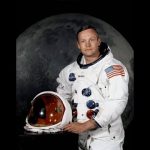
    Neil A. Armstrong, commander of the Apollo 11 mission to land on the Moon, reflects on the successful mission and his experience in lunar exploration.

    For more information on the Apollo Program, visit https://www.nasa.gov/specials/apollo50th/

  • Apollo 11: One Small Step on the Moon for All Mankind

    Apollo 11: One Small Step on the Moon for All Mankind

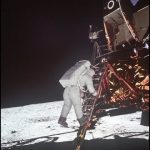
    Neil Armstrong and Buzz Aldrin spent more than two hours outside their spacecraft on the Moon. They studied the surface. They collected rocks. After almost a day, they blasted off. They docked with Michael Collins in orbit around the Moon.

    For more information on their voyage to the Moon and one small step on the lunar surface for all of mankind, visit https://www.nasa.gov/specials/apollo50th/