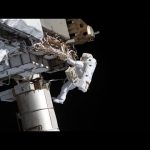
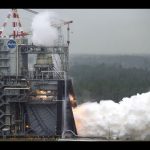
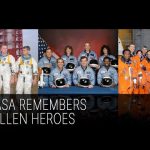
A new source of power for the space station, targeting a second Green Run hot fire test, and another major boost for our Space Launch System rocket … a few of the stories to tell you about – This Week at NASA!
The Copernicus Sentinel-2 mission, takes us over the algal blooms swirling around the Pacific Ocean, just off the coast of Japan, in this edition of the Earth from Space programme.
We are Europe’s gateway to space. Our mission is to shape the development of Europe’s space capability and ensure that investment in space continues to deliver benefits to the citizens of Europe and the world. Check out https://www.esa.int/ to get up to speed on everything space related.
Lumea musulmană a intrat, de mai bine de 150 de ani, într-un proces de renaștere (ihyā’) și de reînnoire (tajdīd), în special datorită șocului provocat de impactul politicilor coloniale europene și de contactul cu modernitatea occidentală. Plecând de la conștiința de a se afla într-o profundă criză și înapoiere (religioasă, socio-economică, politică, militară), o bună parte dintre elitele musulmane caută, începând de atunci, diferite modele și metode de a reconstrui un Islam, deopotrivă adaptat noilor vremuri, dar și reancorat în gloria și „autenticitatea” perioadei sale clasice. În interiorul acestui vast proces de refundamentare, problematica raporturilor dintre religie și politică ocupă un rol central. Ele au generat, din secolul al XIX-lea încoace, nenumărate teoretizări doctrinare și ideologice, și s-au concretizat prin emergența unor numeroase structuri sociopolitice (asociații, partide, regimuri politice, grupări militante) care, toate, încearcă să ofere, în maniere proprii, soluții pentru o reintegrare a câmpului politic (ca și a celui juridic, economic, al comportamentelor publice) în interiorul unei legalități și funcționalități musulmane, potrivit ideii că Islamul este un sistem integral, deopotrivă dīn-dunya-dawla (credință, realitate socială, stat). Desemnate, generic, sub numele de „islamism”, aceste dinamici traversează, și bulversează, în ultimele decenii, aproape toate societățile și statele musulmane (inclusiv diaspora musulmană), și suscită un larg interes (dublat de multiple interpretări diferențiate, și chiar de profunde incomprehensiuni), deopotrivă în rândul specialiștilor și al opiniei publice. Pornind de aici, discuția noastră va încerca să ofere o succintă cartografiere a acestei complexe fenomenologii a curentelor islamiste contemporane, printr-o plasare a lor în istoria mai largă a relațiilor dintre religie și politică în interiorul lumii musulmane, și, totodată, să prezinte câteva dintre modalitățile în care ele sunt interpretate în interiorul mediilor științifice și politice, în special în Occident.
Have you ever done a science experiment and wondered “What would this be like if it were HUGE?” Welcome to Science Max, the exciting new series that turbocharges all the science experiments you’ve done at home.
Behind every NASA success story are the people who make the impossible, possible. Join us as we celebrate Black History Month and the contributions of African American trailblazers and those following in their footsteps as they help NASA reach new heights for the benefit of all humankind.
From the @Airbus integration halls in Bremen, Germany, this replay of a live event shows a sneak peek of the two European Service Modules that will power astronauts to the Moon and back as part of @NASA’s Orion spacecraft.
Orion is NASA’s next exploration spacecraft to send astronauts farther into space than ever before, beyond the Moon to asteroids and even Mars.
ESA has contracted and is overseeing the development of the European Service Module, the part of the Orion spacecraft that provides air, electricity and propulsion. Much like a train engine pulls passenger carriages and supplies power, the European Service Module will power the Orion crew module to its destination and back to Earth.
The programme includes Andreas Hammer, Head of @Airbus Defence and Space Exploration showing the European Service Modules in production, ESA Director General Jan Wörner announcing future developments, a statement by ESA’s head of European Service Module programme Philippe Deloo, a statement by Airbus head of European Service Module programme Didier Radola, a Moon missions overview with ESA astronaut Alexander Gerst and ESA’s head of Space Transportation Nico Dettmann on how ESA is building Orion with industry.
★ Subscribe: http://bit.ly/ESAsubscribe and click twice on the bell button to receive our notifications.
We are Europe’s gateway to space. Our mission is to shape the development of Europe’s space capability and ensure that investment in space continues to deliver benefits to the citizens of Europe and the world. Check out https://www.esa.int/ to get up to speed on everything space related.
Apollo 14 was the eighth crewed Apollo mission and the third to land on the Moon. On January 31, 1971, Apollo 14 launched from Kennedy Space Center with a crew of commander Alan B. Shepard, command module pilot Stuart A. Roosa, and lunar module pilot Edgar D. Mitchell.
The crew experienced challenges in docking with the lunar module Antares and six attempts were required before a “hard dock” was achieved.
On February 5, 1971, Antares made the most precise landing to date in the hilly uplands of the Fra Mauro crater.
Shepard and Mitchell spent a total of 33.5 hours on the Moon and performed two extra-vehicular activities (EVAs, or “moonwalks”), totaling 9 hours and 23 minutes. During the first EVA, they deployed several science experiments. Among these was a reflector that continues to be used to measure the distance from the Earth to the Moon. They also deployed a seismometer, which detected thousands of moonquakes and helped to determine the structure of the Moon’s interior. Other instruments measured the composition of the solar wind and the Moon’s tenuous atmosphere and plasma environment. Shepard and Mitchell collected 95 pounds of lunar rock and soil samples.
The command module Kitty Hawk splashed down safely on February 9, 1971, exactly nine days and two minutes after launch. The mission duration from liftoff to splashdown was 216 hours, two minutes.
🎄❄️ Watch thousands of high quality documentaries on CuriosityStream: https://curiositystream.thld.co/historymarchejan2021 and use the code: HISTORYMARCHE when you sign up to get 30 days of FREE unlimited access. 👇 Push down for more cool stuff 👇
This video is dedicated to my patrons who chose the topic for this video. As a way to thank you, I devoted more time than I normally do to researching and writing the narrative that totals at around 50-55 minutes in duration. Thank you for supporting my work!
The Battle of Catalaunian Fields was one of most enthralling military engagements in history. Doing research on this topic was amazingly fun. I highly recommend you check out the sources I used for this video, and give them the credit that they deserve. It’s thanks to them that we get to learn about these battles in such amazing detail.
The first space station spacewalk of the new year, a new date for a commercial crew test flight, and our next landing on Mars is fast approaching … a few of the stories to tell you about – This Week at NASA!
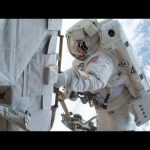
Watch two spacewalkers at work outside the International Space Station! NASA astronauts Victor Glover and Michael Hopkins will exit the orbiting lab’s Quest airlock at about 7 a.m. EST, to complete tasks including battery maintenance and installing high definition cameras.
Live coverage on NASA Television begins at 5:30 a.m.. The spacewalk is will officially begin once the duo set their spacesuits to battery power, and is scheduled to last approximately six-and-a-half hours.
The Copernicus Sentinel-2 mission, ahead of World Wetlands Day, takes us over Lake Titicaca – one of the largest lakes in South America and a designated Ramsar site of International Importance – in this edition of the Earth from Space programme.
We are Europe’s gateway to space. Our mission is to shape the development of Europe’s space capability and ensure that investment in space continues to deliver benefits to the citizens of Europe and the world. Check out https://www.esa.int/ to get up to speed on everything space related.
On Thursday, Jan. 28, wreaths were laid at Arlington National Cemetery in Virginia in memory of the fallen astronauts of Apollo 1, space shuttles Challenger and Columbia, and other members of the NASA family who lost their lives in the quest for space exploration. A limited number of senior agency officials and others from NASA Headquarters joined family members for the small family gathering on the annual Day of Remembrance.
Watch an RS-25 engine that will help power our Space Launch System rocket on future missions to the Moon and Mars come alive at NASA’s Stennis Space Center.
Today’s test fire will provide data to help enhance production of new, upgraded engines for flights under our Artemis Program.
Cuvântul xenofobie desemnează, potrivit Dicționarului Explicativ al Limbii Române – DEX, „o atitudine de teamă, respingere și ură față de persoanele străine de grupul etnic din care face parte subiectul”.
Cu alte cuvinte, xenofobii manifestă aversiune exagerată, ostilitate, ură față de străini și/sau față de tot ceea ce este considerat a fi străin. Este vorba despre un fenomen de patologie socială manifestat prin teamă și ostilitate față de tot ceea ce este străin.
Etimologia cuvântului vorbește de la sine: xenofobíe este un termen compus din două cuvinte din greaca veche: xénos (străin) și phobos (frică). La noi, termenul a fost preluat din limba franceză, unde este folosit cu exact același sens ca în limba română: ură, repulsie, frică, ostilitate, fobie obsedantă lipsită de o cauză obiectivă sau precisă față de străini și, prin extensie, orice este asociat cu conceptul de „străin”.
Așadar, xenofobului îi provoacă repulsie, dar și teamă elementele care compun identitatea generică a „străinului”, fie că este vorba despre națiune, etnie, rasă, limbă, religie, cultură, obiceiuri etc., sau toate acestea la un loc. Xenofobia este, practic, o formă de discriminare a indivizilor care se manifestă cel mai adesea prin suspiciune față de străini și dorința de a-i îndepărta, asociate cu temerea pierderii identității naționale, etnice sau rasiale ca urmare a prezenței străinilor. Pentru xenofobi, străinii sunt nu doar personaje respingătoare din numeroase motive, ci și dușmani care tind să acapareze puterea în societate (cel mai adesea prin număr) și să modifice respectiva societate după cultura și obiceiurile lor.
NASA remembers the crews of Apollo 1, space shuttles Challenger and Columbia during the agency’s Day of Remembrance on Jan. 28, 2021, the 35th anniversary of the Challenger accident. NASA’s Day of Remembrance honors members of the NASA family who lost their lives while furthering the cause of exploration and discovery.
Have you ever done a science experiment and wondered “What would this be like if it were HUGE?” Welcome to Science Max, the exciting new series that turbocharges all the science experiments you’ve done at home.
After nearly 300 million miles, our Perseverance rover completes its journey to Mars on Feb. 18, 2021. To reach the surface of the Red Planet, it has to survive the harrowing final phase known as Entry, Descent, and Landing.
On Jan. 27 at 4:30 p.m. EST, find out more about the upcoming landing from the scientists and engineers on the team:
Thomas Zurbuchen, associate administrator, Science Mission Directorate, NASA Headquarters Lori Glaze, director, Planetary Science Division, NASA Headquarters Matt Wallace, Mars 2020 deputy project manager, JPL Allen Chen, Mars 2020 entry, descent, and landing lead, JPL Ken Farley, Mars 2020 project scientist, Caltech Briony Horgan, Mars 2020 science team member, Purdue University
Watch live as astronauts Victor Glover and Michael Hopkins of NASA venture outside the International Space Station on Jan. 27. The spacewalk will begin at about 7 a.m. EST and last for approximately six and a half hours. The astronauts will focus on completing cable and antenna rigging for the “Bartolomeo” science payloads platform outside the station’s ESA (European Space Agency) Columbus module. They’ll also configure a Ka-band terminal that will enable an independent, high-bandwidth communication link to European ground stations.
Hopkins will be extravehicular crew member 1 (EV 1), wearing a spacesuit with red stripes, and Glover will be extravehicular crew member 2 (EV 2), wearing a spacesuit with no stripes. This will be the third spacewalk in Hopkins’ career, and the first for Glover.
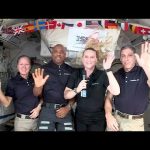
NASA astronauts Shannon Walker, Victor Glover, Kate Rubins and Mike Hopkins shared a special inaugural message while aboard the International Space Station, orbiting 200 miles above the Earth’s surface.
Download this video from NASA’s image and video library: https://images.nasa.gov/details-NASA%20Astronauts%20Share%20Their%20Inauguration%20Message%20From%20The%20Space%20Station Editor: Lacey Young
An update on the recent Green Run hot fire test, preflight preparations continue with the Orion spacecraft, and a new view of small solar structures … a few of the stories to tell you about – This Week at NASA!
Există o varietate de moduri de a interpreta inegalitatea. Rasismul este o modalitate de a ipostazia diferențele și apoi inegalitățile instituite pe marginea acestor diferențe în termeni congenitali. Apariția rasismului modern se asociază pe de o parte cu ideea de rasă, așa cum a fost promovată la începuturile biologiei ca știință modernă, iar pe de altă parte ca o reacție de contestare (formulată de Gobineau în termeni de filosofie a istoriei) a universalismului iluminist. Cu toate acestea, se pare că are rădăcini istorice mult mai profunde, legate de tensiunile dintre interesele economice ale colonizatorilor spanioli și cele de evanghelizare, de către papalitate, a populațiilor noilor lumi descoperite, în viziunea universalismului creștin. Cealaltă rădăcină majoră a rasismului este expansiunea nelimitată a capitalismului european la nivel planetar, între secolele XVI și XX, și nevoia asigurării unei forțe de muncă ieftine în toate regiunile lumii în care puterile coloniale erau prezente, pentru a exploata resursele locale. Cert este că, indiferent de perspectivă (teologică, biologică sau filosofică), rasismul pune sub semnul întrebării unitatea fundamentală a umanității, contestând faptul că vietăți aparent similare ar avea capacități identice (fie că este vorba de suflet sau de capacitatea a înțelege și reacționa ori de a relaționa în același mod cu lumea). Rasismul propune o viziune ierarhică a umanității și dorește (în mod alternativ) să întemeieze transformările politice specifice modernității, centrate în mod dominant pe egalitate, pe această viziune. O viziune care a avut sorți de izbândă chiar în istoria relativ recentă a lumii considerate civilizate, o parte semnificativă a lumii confruntându-se și acum cu efectele și consecințele unor asemenea politici rasiale. Mișcările politice de emancipare de aceste sechele ale trecutului se desfășoară sub ochii noștri.
Have you ever done a science experiment and wondered “What would this be like if it were HUGE?” Welcome to Science Max, the exciting new series that turbocharges all the science experiments you’ve done at home.
TATIANA NICULESCU este scriitoare, autoare a biografiilor istorice Regina Maria. Ultima dorință (Humanitas, 2015, 2016, 2018), Mihai I, ultimul rege al românilor (Humanitas, 2016), Mistica rugăciunii și a revolverului. Viața lui Corneliu Zelea Codreanu (bestseller Humanitas, 2017), Ei mă consideră făcător de minuni. Viața lui Arsenie Boca (Humanitas, 2018), Regele și Duduia. Carol II și Elena Lupescu dincolo de bârfe și clișee (bestseller Bookfest 2019, Humanitas, 2019). Sub semnătura Tatiana Niculescu Bran a debutat cu romanul Spovedanie la Tanacu (Humanitas, 2006), care a devenit piesă de teatru în dramatizarea autoarei și în regia lui Andrei Șerban. Același roman a stat la baza filmului După dealuri, în regia lui Cristian Mungiu, care a obținut premiul pentru cel mai bun scenariu la Festivalul de Film de la Cannes în 2012. Alte romane: Povestea domniței Marina și a basarabeanului necunoscut, Tăierea Fecioarelor. A coordonat volumele colective Iubirea din oglindă. Despre sex şi identitate (Humanitas, 2017) şi Cartea întâmplărilor. Mistere, ciudăţenii, uimiri (Humanitas, 2019).
ESA astronaut Matthias Maurer is preparing for his mission to the International Space Station, scheduled for launch in late 2021. This mission is known as Cosmic Kiss.
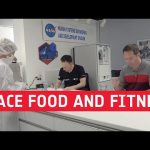
In this video log from his current training base at NASA’s Johnson Space Center in Houston, Texas, USA, Matthias shows a space food tasting session and shares how astronauts maintain their fitness for a safe return to Earth.
Astronauts exercise for two hours a day, six days a week while on the International Space Station to combat muscle and bone loss caused by an extended stay in microgravity. Diet also plays an important role in maintaining physical and mental wellbeing.
Due to the current situation with COVID-19, all personnel are required to adhere to special safety precautions while training. These include wearing a mask – as seen in the clip.
Matthias will continue his training for Cosmic Kiss at partner agencies around the world over the next weeks and months. Stay tuned for further footage of his training and experiences.
We are Europe’s gateway to space. Our mission is to shape the development of Europe’s space capability and ensure that investment in space continues to deliver benefits to the citizens of Europe and the world. Check out https://www.esa.int/ to get up to speed on everything space related.
Did you know that in microgravity we are preparing one of the most promising fuels for the future?
Microgravity is helping to find answers and models to refine the processes needed to efficiently burn solid fuel like iron dust. Are we witnessing the rise of a new “Iron Age”? Could we use metal powders instead of petrol to fuel our cars?
Solid fuels are used for burning a match, lighting a sparkler on New Year’s Eve as well as the fuel inside the boosters of Ariane and of other rockets. But metals such as iron can also burn, in powder form, and are entirely smokeless and carbon free.
Metals could be produced using clean energy, such as from solar cells or wind turbines. That electricity is stored as chemical energy in the metal powder at energy densities that are competitive with fossil fuels. This has the potential to reduce greenhouse gasses emission globally, but a barrier to implementing this technology is the development of combustion systems that can efficiently burn the metal fuels, which requires a solid understanding of their combustion physics.
To understand the physics of metal fuel combustion, a cluster of iron powder needs to be suspended for about 30 seconds, the time needed to observe and study how a flame propagates. Researchers used sounding rockets and parabolic flights to run experiments in weightlessness and to validate existing models, yielding promising results.
The density of iron particles and the composition of gases in the combustion chamber are essential parameters, like in a petrol car engine. Microgravity allows for the study of the laws of flame propagation, to optimise parameters in industrial burner designs, and reduce impact on the environment.
These space experiments also help us understand similar phenomena, such as the spreading of contagious microbes and forest fires.
In a vote of confidence for the technique a student team at TU Eindhoven in The Netherlands worked with industrial partners to design a metal combustion facility now installed at Swinkels Family Brewers, subsidised by the Dutch province of Noord-Brabant, used to produce steam for the brewing process.
The step to space research is closer than you might think. Get involved with spaceflight research via https://www.esa.int/spaceflightAO. Find out about our commercial partnerships and opportunities in human and robotic exploration via https://www.esa.int/explorationpartners to run your research in microgravity as well.
★ Subscribe: http://bit.ly/ESAsubscribe and click twice on the bell button to receive our notifications.
We are Europe’s gateway to space. Our mission is to shape the development of Europe’s space capability and ensure that investment in space continues to deliver benefits to the citizens of Europe and the world. Check out https://www.esa.int/ to get up to speed on everything space related.
One step closer to Artemis missions to the Moon 🚀 We are targeting a two-hour test window that opens at 4 p.m. EST on Sat., Jan. 16 for the hot fire test of the Space Launch System (SLS) rocket core stage at our Stennis Space Center. The hot fire is the eighth and final test of the Green Run series, to ensure the core stage of the SLS is ready to launch #Artemis missions to the Moon. This will be the first time that all four RS-25 engines will be fired at once in order to simulate a launch, generating 1.6 million pounds of thrust.
Live coverage begins at 3:20 p.m. EST. Use the hashtag #AskNASA and your questions might be answered on air 🚀
The annual assessment of global temperatures, a first-of-its-kind undocking from the space station, and a look at what goes into the Green Run hot fire test … a few of the stories to tell you about – This Week at NASA!
A look back at Administrator Jim Bridenstine’s time at NASA and all the incredible things accomplished during his tenure. From introducing the Artemis Generation to renaming NASA headquarters after hidden figure Mary W. Jackson, there have been so many highlights to appreciate.
Producer/Editor: David Anderson Music: Universal Production Music
Laicitatea nu e nimic altceva decât afirmarea – lipsită de ambiguități – a separației dintre stat (și ceea ce ține de domeniul public) și credință (care ține de convingerile fiecărei persoane) și a neutralității statului în raport cu orice religie. Statul nu are autoritatea de a interveni și de-a normativiza credințele fiecăruia și nici modalitățile în care oamenii consimt să își trăiască credința în comun. Pentru binele tuturor, statul protejează libertatea de conștiință și valorile comune întregii societăți. Aceasta înseamnă, pe de o parte, că statul nu e instrumentul nici unei credințe (inclusiv a celor ce țin de umanismul secular) și nici a unei biserici sau asociații în impunerea unor convingeri ce aparțin domeniului religios. Pe de altă parte, statul nu are abilitarea de a limita sau de a interzice credințe pe teritoriul său și nici pe aceea de a se pronunța asupra opiniilor religioase ale cetățenilor. Fiecare e liber să creadă în ceea ce dorește, iar statul trebuie să respecte egalitatea morală a indivizilor și să protejeze libertatea de conștiință a fiecăruia. În lumea modernă există o distincție netă între cunoștințe(le științifice) – care sunt universale – și credințe – care sunt personale. Acesta e motivul pentru care educația publică vizează dobândirea de către elevi a cunoștințelor (științifice), în vreme ce transmiterea credinței e o problemă ce ține de familia și/sau de mediul confesional ori neutru al fiecăruia. Știința nu e o credință (printre altele), ci o modalitate de chestiona realul. Laicitatea este garanția politică și juridică de existență a tuturor confesiunilor și a tuturor formelor de credințe.
Have you ever done a science experiment and wondered “What would this be like if it were HUGE?” Welcome to Science Max, the exciting new series that turbocharges all the science experiments you’ve done at home.
❄️ Brave the freezing darkness of Conqueror’s Blade Season VI with a FREE 7-day Premium Account! https://patron.me/Marche-CBVI ❄️
👇 Push down for more cool stuff 👇
Tour the Ariane 6 launch complex at Europe’s Spaceport in Kourou, French Guiana.
The 8200 tonne 90 metre-high mobile gantry has platforms to enable engineers to access the vehicle for integration of the stages. This steel structure protects Ariane 6 before launch and is rolled back prior to liftoff.
At the entrance of the gantry are two mockup Ariane 6 P120C rocket boosters. These are representative of the real boosters, having the same size and mass but filled with water instead of solid propellant and used in mechanical tests.
The hydrogen and oxygen storage facilities are close by. Underground, engineers are preparing the launch support systems.
A pumping station at the reservoir will supply the water to quell the exhaust at liftoff.
Credits: CNES/ESA
★ Subscribe: http://bit.ly/ESAsubscribe and click twice on the bell button to receive our notifications.
We are Europe’s gateway to space. Our mission is to shape the development of Europe’s space capability and ensure that investment in space continues to deliver benefits to the citizens of Europe and the world. Check out https://www.esa.int/ to get up to speed on everything space related.