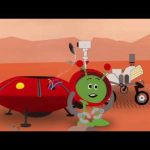
Mød Paxi, ESA’s uddannelsesmaskot: Hvor han kommer fra, hvad han kan lide ved rumrejser, hvem hans venner er…
Denne video, som er rettet mod børn i aldersgruppen 6 til 12 år, introducerer Paxi, som er et lille rumvæsen fra planeten Ally-O. Han er kommet til Jorden for at møde nye venner og tage børn med på en omgang spændende rumudforskning. Videoen er den første i en serie af animationer, hvori Paxi, ESA’s uddannelsesmaskot, kommer ind på forskellige aspekter af solsystemet, universet, hemmelighederne bag planeten Jorden og meget mere.
Lähde Paxin mukaan aurinkokunnan laidalle. Löydä komeettojen maailma ja tutustu Rosetan ihmeelliseen matkaan komeetta 67P/Churyumov-Gerasimenkon luo.
Tällä 6–12-vuotiaille suunnatulla videolla Paxi vie lapset tutkimaan komeettoja ja Rosettaa, ESAn ihmeellistä avaruusalusta, joka lentää 67P/Churyumov-Gerasimenko-komeetan rinnalla ja yrittää laskeutua sille 12. marraskuuta 2014.
Tällä animaatiosarjan kolmannella videolla Paxi, ESAn koulutusmaskotti, esittelee eri näkökulmista aurinkokuntaa, maailmankaikkeutta, Maa-planeetan salaisuuksia ja paljon, paljon muuta.
Tutustu Paxiin, ESAn koulutusmaskottiin: mistä hän tulee, mitä hän pitää avaruusmatkailusta, ketkä ovat hänen ystäviään…
Tämä videomme on suunniteltu 6–12-vuotiaille lapsille. Videolla esiintyy Paxi, pieni avaruusolento, joka tulee Ally-O-planeetalta. Paxi on tullut Maahan tutustumaan uusiin ystäviin, ja hän ottaa lapset mukaansa seikkailulle tutkimaan avaruutta. Animaatiosarjan ensimmäisellä videolla Paxi, ESAn koulutusmaskotti, esittelee eri näkökulmista aurinkokuntaa, maailmankaikkeutta, Maa-planeetan salaisuuksia ja paljon, paljon muuta.
Leć z Paxim do granic Układu Słonecznego, aby odkryć świat komet i dowiedzieć się więcej o niesamowitej misji statku Rosetta do komety 67P/Czuriumow-Gierasimienko.
W tym filmie, przeznaczonym dla dzieci w wieku od 6 do 12 lat, Paxi zabiera dzieci ze sobą, aby pokazać im komety i niesamowity statek kosmiczny ESA Rosetta, lecący obok komety 67P/Czuriumow-Gierasimienko, a także próbę umieszczenia na niej lądownika, jaka miała miejsce 12 listopada 2014 r.
Film ten jest trzecią z całej serii animacji, w których Paxi, edukacyjna maskotka ESA, przedstawia różne zagadnienia związane z Układem Słonecznym, Wszechświatem, tajemnicami planety Ziemi i wiele innych tematów.
Przyłącz się do Paxiego podczas jego podróży przez nasz Układ słoneczny, rozpoczynającej się od skalistych planet wewnętrznych położonych blisko Słońca, poprzez planety-olbrzymy, aż do mroźnych granic, gdzie zamieszkują komety.
W tym filmie, przeznaczonym dla dzieci w wieku od 6 do 12 lat, Paxi zabiera nas na wycieczkę po naszym Układzie Słonecznym. Odwiedzimy wszystkie osiem planet i inne pomniejsze obiekty, takie jak asteroidy, komety oraz karłowatą planetę Pluton.
Film ten jest drugą z całej serii animacji, w których Paxi, edukacyjna maskotka ESA, przedstawia różne zagadnienia związane z Układem Słonecznym, Wszechświatem, tajemnicami planety Ziemi i wiele innych tematów.
Poznajcie Paxiego, edukacyjną maskotkę ESA: skąd pochodzi, co lubi w podróżach kosmicznych, kim są jego przyjaciele…
Niniejszy film przeznaczony jest dla dzieci w wieku od 6 do 12 lat i przedstawia Paxiego – małego kosmitę, który przybył na Ziemię z planety Ally-O, aby zdobyć nowych przyjaciół i zabrać dzieci w pełną przygód podróż na podbój kosmosu. Jest to pierwsza z całej serii animacji, w których Paxi, edukacyjna maskotka ESA, przedstawia różne zagadnienia związane z Układem Słonecznym, Wszechświatem, tajemnicami planety Ziemi i wiele innych tematów.
Následujte Paxiho k okraji sluneční soustavy, objevte svět komet a naučte se něco o úžasné misi Rosetta ke kometě 67P/Churyumov-Gerasimenko.
V tomto videu určeném pro děti od 6 do 12 let Paxi vezme děti na objevování komet a Rosetty, skvělé kosmické lodi ESA létající po boku komety 67P/Churyumov-Gerasimenko, na kterou 12. listopadu 2014 vypustila přistávací modul.
Jedná se o třetí ze série animací, ve které se Paxi, vzdělávací maskot ESA, dotýká různých aspektů sluneční soustavy, vesmíru, tajemství planety Země a mnoha dalších zajímavostí.
Přidejte se k Paximu na cestě naší sluneční soustavou, od skalnatých vnitřních planet blízkých Slunci, přes obří planety až k mrazivému okraji, domovu komet.
V tomto videu určeném pro děti od 6 do 12 let vás Paxi vezme na prohlídku naší sluneční soustavy, na návštěvu všech osmi planet a dalších menších těles jako asteroidů, komet a na trpasličí planetu Pluto.
Jedná se o druhou ze série animací, ve které se Paxi, vzdělávací maskot ESA, dotýká různých aspektů sluneční soustavy, vesmíru, tajemství planety Země a mnoha dalších zajímavostí.
Seznamte se s Paxim, vzdělávacím maskotem agentury ESA: odkud pochází, co se mu líbí na vesmírném cestování, kdo jsou jeho přátelé …
Toto video zaměřené na děti ve věku od 6 do 12 let představuje Paxiho, malého cizince z planety Ally-O, který přišel na Zemi poznat nové přátele a vzít děti na dobrodružnou průzkumnou cestu vesmírem. Jedná se o první ze série animovaných filmů, ve kterém se Paxi, vzdělávací maskot ESA, dotýká různých aspektů sluneční soustavy, vesmíru, tajemství planety Země a mnoha dalších zajímavostí.
Urmează-l pe Paxi la marginea Sistemului Solar pentru a descoperi lumea cometelor şi pentru a afla mai multe despre uimitoarea misiune Rosetta către cometa 67P / Ciuriumov-Gherasimenko.
În acest video, destinat copiilor cu vârste cuprinse între 6 şi 12 ani, Paxi îi va lua cu el pe copii într-o călătorie pentru a descoperi cometele şi pe Rosetta, uluitoarea navă spaţială a ESA care zboară alături de cometa 67P / Ciuriumov-Gherasimenko şi care va încerca, la data de 12 noiembrie 2014, să plaseze o sondă de aterizare pe aceasta.
Acest videoclip este al treilea dintr-o serie de desene animate în care Paxi, mascota educaţională a ESA, abordează diferite aspecte ale Sistemului Solar, Universul, secretele planetei Pământ şi multe altele.
Alăturaţi-vă lui Paxi într-o călătorie prin Sistemul nostru solar, dinspre planetele interne stâncoase, situate mai aproape de Soare, trecând pe lângă planetele gigante şi până la marginea îngheţată a Sistemului, căminul cometelor.
În acest video, destinat copiilor cu vârste cuprinse între 6 şi 12 ani, Paxi ne conduce într-un tur al Sistemului nostru solar, vizitând toate cele opt planete şi alte corpuri cereşti minore, cum ar fi asteroizi, comete şi planeta pitică Pluto.
Acest videoclip este al doilea dintr-o serie de desene animate în care Paxi, mascota educaţională a ESA, abordează diferite aspecte ale Sistemului Solar, Universul, secretele planetei Pământ şi multe altele.
Faceţi cunoştinţă cu Paxi, mascota educaţională a ESA: veţi afla de unde vine, de ce îi plac călătoriile prin spaţiu, care sunt prietenii lui…
Acest videoclip, destinat copiilor cu vârste cuprinse între 6 şi 12, ni-l prezintă pe Paxi, un micuţ extraterestru de pe planeta Ally-O, care a venit pe Pământ pentru a-şi face prieteni noi şi pentru a-i lua pe copii într-o călătorie plină de aventuri, în cadrul căreia să exploreze spaţiul. Acesta este primul dintr-o serie de desene animate în care Paxi, mascota educaţională a ESA, abordează diferite aspecte ale Sistemului Solar, Universul, secretele planetei Pământ şi multe altele.
Launched in December 2015, LISA Pathfinder travelled to its operational orbit, 1.5 million km from earth towards the Sun, where it started its scientific mission on 1 March.
At the core of the spacecraft, two identical gold-platinum cubes, are being held in the most precise free-fall ever produced in space.
Placing the test masses in a motion subject only to gravity is the challenging condition needed to build and operate a future space mission to observe gravitational waves. Predicted by Albert Einstein a century ago, gravitational waves are fluctuations in the fabric of space-time, which were recently detected directly for the first time by the Laser Interferometer Gravitational-Wave Observatory.
Over the first two months of scientific operations, the LISA Pathfinder team has performed a number of experiments on the test masses to prove the feasibility of gravitational wave observation from space.
These results are explained in this video with interviews of Paul McNamara, LISA Pathfinder Project scientist, ESA and two LISA Pathfinder Principal investigators : Rita DOLES, University of Trento and Martin Hewitson, University of Hannover.
Steve Spangler launches a Solar Bag using the power of the sun. At least if Crazy Russian Hacker copies this idea, we know he probably bought the Solar Bag from us!
Kasha Patel and Mike Behrenfeld chat about the North Atlantic Aerosols and Marine Ecosystems Study (NAAMES). This NASA field experiment took to the sea in May to investigate the world’s largest plankton bloom and how it gives rise to small organic particles that leave the ocean and end up in the atmosphere, ultimately influencing clouds and climate.
Put your 3D glasses on and take this narrated tour of the International Space Station. Visit all the modules of humankind’s weightless laboratory orbiting Earth 400 km above.
Mettez vos lunettes 3D et faites cette visite commentée de la Station spatiale internationale. Visitez tous les modules du laboratoire en apesanteur de l’humanité qui se trouve en orbite à 400 km au-dessus de nous.
Zet je 3D-bril op en ga mee op deze becommentarieerde rondleiding door het internationale ruimtestation ISS. Breng een bezoekje aan alle modules van het gewichtloze laboratorium dat op 400 kilometer hoogte rondjes om de aarde draait.
Ponte las gafas 3D y siguenos en este tour por la Estación Espacial Internacional. Puedes visitar todos los módulos de este gran laboratorio en micro gravedad que se encuentra orbitando a 400km de la Tierra.
Mettete i vostri occhiali 3D e fate un giro della Stazione Spaziale Internazionale, guidati dalla voce narrante. Visitate tutti i moduli del laboratorio dell’umanità situato in assenza di gravità, che orbita a circa 400 km sopra alla Terra.
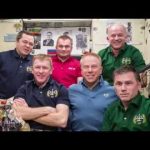
Footage of NASA Astronaut Kate Rubins training with her Expedition 48/49 crewmates in preparation for their upcoming mission to the International Space Station. Rubins, Anatoly Ivanishin of Roscosmos and Takuya Onishi of the Japan Aerospace Exploration Agency launch June 24 from the Baikonur Cosmodrome in Kazakhstan for a four-month tour aboard the ISS.
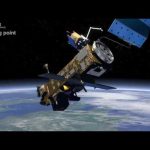
ESA’s Clean Space initiative is studying an active debris removal mission called e.Deorbit, which will target an ESA-owned derelict satellite in low orbit, capture it, then safely burn it up in a controlled atmospheric reentry. e.Deorbit will be the world’s first active debris removal mission, and will provide an opportunity for European industries to showcase their technological capabilities to a global audience.
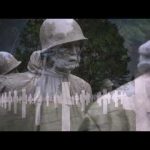
In recognition of Memorial Day, NASA remembers the men and women who have served in the U.S. armed forces and the sacrifices they’ve made to preserve the freedoms, safety and liberties of Americans throughout our country and around the world.
An agency wide All-Hands event on May 25 at NASA Headquarters featured Deputy Administrator Dava Newman and retired NASA astronaut Scott Kelly, reflecting on Kelly’s one-year mission aboard the International Space Station. The event, shown on NASA TV and the agency’s website, also featured video highlights of the mission and questions from employees watching at NASA centers around the country. During the unprecedented ISS mission, Kelly and Mikhail Kornienko of Roscosmos collected critical data on how the human body responds to long duration space flight.
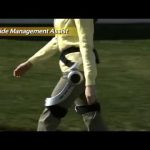
ASIMO—Advanced Step in Innovative Mobility—is a humanoid robot designed and developed by Honda as a multifunctional robotic assistant. Honda also developed the Bodyweight Support Assist device to help support bodyweight to reduce the load on the user’s legs while walking, going up and down stairs and in a semi-crouching position. A third Honda device, Stride Management Assist, is designed for the elderly or people with weakened leg muscles, but who can still walk on their own.
On May 16, the International Space Station completed its 100,000th orbit of Earth since the launch of the first component on Nov. 20, 1998. In that time, the station has traveled more than 2.6 billion miles – which is roughly the equivalent of about 10 round trips between Earth and Mars, at the average distance between the two planets. The space station zips around our planet at 17,500 miles per hour – completing each orbit in just 90 minutes – giving the crew onboard the unique opportunity to experience 16 sunrises and sunsets per day and to capture some great images of Earth. Also, CubeSats Deployed from ISS, Humans to Mars Summit 2016, Orion’s Water Drop Test “Passengers”, There’s No Place Like Space and more!
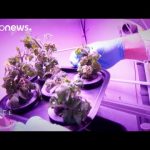
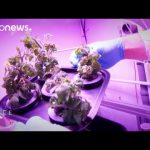
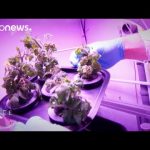
Is is possible to produce food to eat and air to breathe while in space? The short answer: it’s not easy, but it can be done.
Right now, if you’re an astronaut, you’re given pre-prepared food that was cooked on Earth and sent into space on a rocket. But if humankind wants to realise its ambition of travelling much further into the solar system it needs to find ways to create food and air while surrounded by the nothingness of space.
Ha manapság valaki kiruccan az űrbe, egyfajta űrmenüt kap enni. A Földön gyártják, csomagolják, majd kilövik az űrbe egy rakétán. Ez működik is addig, amíg a Föld körüli pályán keringünk, de mi van, ha valaki messzebbre akar utazni? Ehhez élelmet és levegőt kellene előállítani az űrhajón. Lehetséges ez? A Space Brémában és Barcelonában próbált utánajárni.
Nem könnyű élelmiszert termelni az űrben, de nem is lehetetlen. Orosz űrhajósok fogyasztottak először űrgabonát 2003-ban, és tavaly augusztusban amerikai kozmonauták majszolták el az első űrben termett salátát. De egy hosszú űrutazáshoz ennél több kell. A Melissa konzorcium – az Európai Űrügynökség támogatásával készült – kutatásából kiderült, pontosan mennyi.
¿A qué se parece la comida espacial? Iremos a Bremen y Barcelona para conocer la respuesta.
No es fácil producir comida en el espacio pero es posible. Cosmonautas rusos le hincaron el diente al primer cultivo experimental en 2003 y, el pasado mes de agosto, astronautas estadounidenses se deleitaron con la primera lechuga espacial. Pero aventurarse a ser agricultor espacial no es tan fácil.
Earth from Space is presented by Kelsea Brennan-Wessels from the ESA Web-TV virtual studios. The one hundred eighty-fifth edition features a Sentinel-2A image of the Rub’ al Khali desert.
Richard Hang, an electronic engineer, has served as the Chief of Sensors and Systems Development Branch at NASA’s Armstrong Flight Research Center (AFRC) since 2014. He previously served as the Chief of Instrumentation Branch at AFRC from 2012 to 2014. Prior to being selected as Branch Chief, he was a senior instrumentation engineer for design and development of real-time embedded data systems for flight research. He has been a NASA employee since September, 1996.
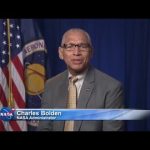
NASA Administrator Charles Bolden recorded a congratulatory video message to students at St. Thomas More Cathedral School in Arlington, Virginia on becoming the first elementary school to build a small satellite and have it launched into space. On May 16, the school’s St. Thomas More (STM Sat-1), was deployed from the International Space Station. STMSat-1 was launched to the ISS on Dec. 6, 2015 aboard an Orbital ATK Cygnus cargo resupply spacecraft as part of NASA’s Educational Launch of Nanosatellites (ELaNa) IX mission. The STMSat-1 mission is an educational mission to provide hands-on, inquiry-based learning activities with an on-orbit mission to photograph the Earth and transmit images to our primary ground station and to remote ground stations throughout the country.
NASA Administrator Charles Bolden welcomed this year’s Beating the Odds Foundation/Student Success and Leadership Program participants to NASA HQ. They heard from Human Research Program Director for the Twin Study, Dr. John Charles and planetary scientist, Dr. Shawn Domagal-Goldman, who discussed NASA’s search for life in the Universe. Student teams presented results of research they conducted on the Twin Study using the Foundation’s Stepping Stones to Success model. This informal partnership between NASA Headquarters and the Beating the Odds Foundation, now in its third year, demonstrates the effectiveness of integrating formal education and NASA missions.
This animation shows changes in ice volume in Antarctica, Greenland and the Arctic ocean measured by the CryoSat satellite, 2010–15. CryoSat’s readings also contribute to our knowledge of global ocean depth.
NASA commemorated the many contributions of retired mathematician Katherine Johnson to America’s space program during a building dedication ceremony on May 5, at the agency’s Langley Research Center in Hampton, Virginia. Langley’s new Katherine G. Johnson Computational Research Facility was formally dedicated to the venerated mathematician and Presidential Medal of Freedom recipient.
Johnson worked at Langley from 1953 until her retirement in 1986, beginning as a research mathematician — part of a pool of women hired to perform mathematical equations and calculations by hand for engineers. She quickly distinguished herself and was permanently assigned to the branch that would later calculate the launch windows for NASA’s first Project Mercury flights.
Notable accomplishments include her computation, by hand, of the launch window and trajectory for Alan Shepard’s maiden space voyage aboard Freedom 7 in 1961, and verification, also by hand, of calculations made by the first computers for John Glenn’s history-making orbit around the Earth in 1962. She also calculated the trajectory for the historic Apollo 11 first moon landing flight in 1969.
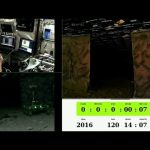
On 29 April 2016, ESA astronaut Tim Peake on the International Space Station took control of a rover, nicknamed ‘Bridget’, in the UK and over two hours drove it into a simulated cave and found and identified targets despite the dark and limited feedback information.
Before and after Tim came online from the orbiting Station, control of the rover was passed several times between engineers at the Airbus D&S ‘Mars Yard’ in Stevenage, UK, Belgium’s ISS User Support Centre in Brussels and ESA’s ESOC operations centre in Darmstadt, Germany. This complex real-time choreography was possible thanks to the ‘Internet in space’ – a network that tolerates disruptions – put in place by teams at ESOC. This network enables remote control of rovers or other devices in the difficult environment of space, with its long distances and frequent connection blackouts inevitable with orbital motion.
During the experiment, a representative mission scenario was set up in which the rover was commanded to go from a lit environment into a challenging dark location (simulating a cave or a shaded crater) and identified a number of science targets. The Mars yard (30 x 13 m) was split into two areas, one lit and one in the dark. From one end of the yard, Bridget was commanded from ESOC until it reached the edge of the shaded area. Then at the edge of the ‘cave’, control was passed to astronaut Tim Peake, on board the Station, who controlled Bridget to drive across the yard, avoiding obstacles and identifying potential science targets, which were marked with a distinctive ultraviolet fluorescent marker. Once the targets were identified and mapped, Tim drove the rover out of the shaded area and handed control back to ESOC, who drove the rover back to its starting point.
This video is a compressed extract that includes highlights of the experiment and includes scenes of the network control centre at ESOC, the Mars Yard at Stevenage and Tim Peake on the ISS. On audio, the voices of astronaut Time Peake, Lionel Ferra, the Eurocom ‘capcom’ controller at ESA’s Astronaut Centre in Cologne, Germany, and Kim Nergaard, the ground segment manager at ESOC, can be heard periodically.